Baseball Coach Resume Example
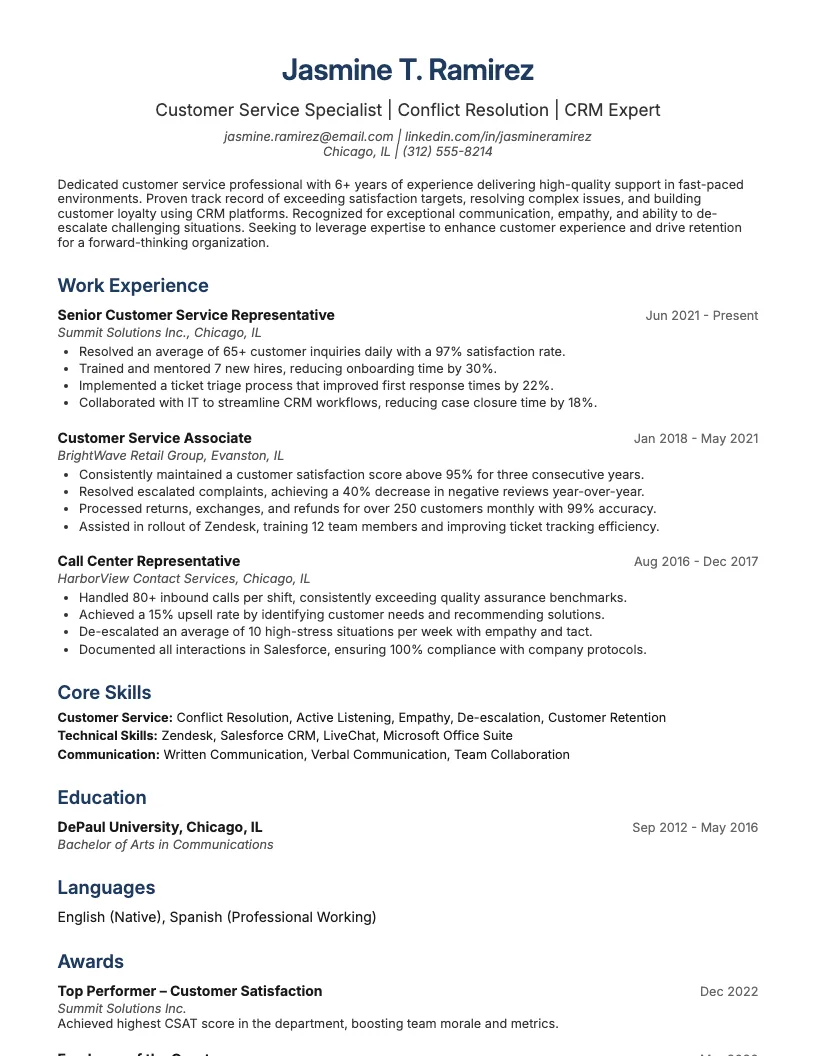
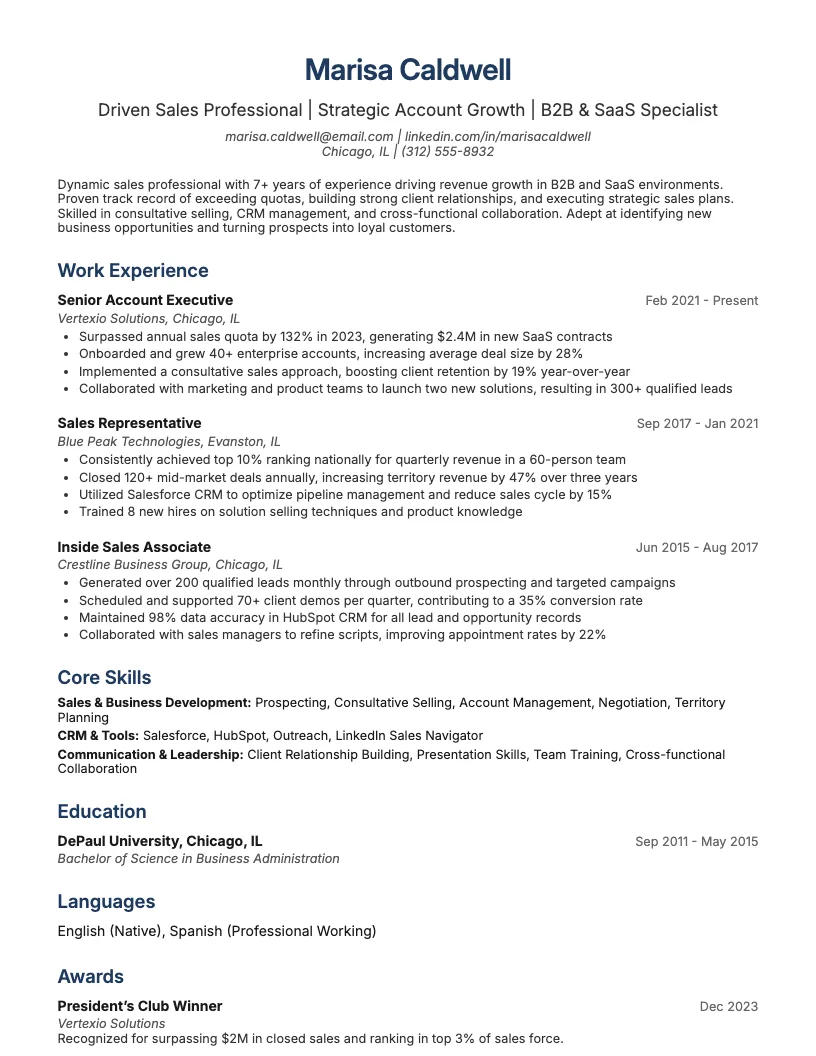
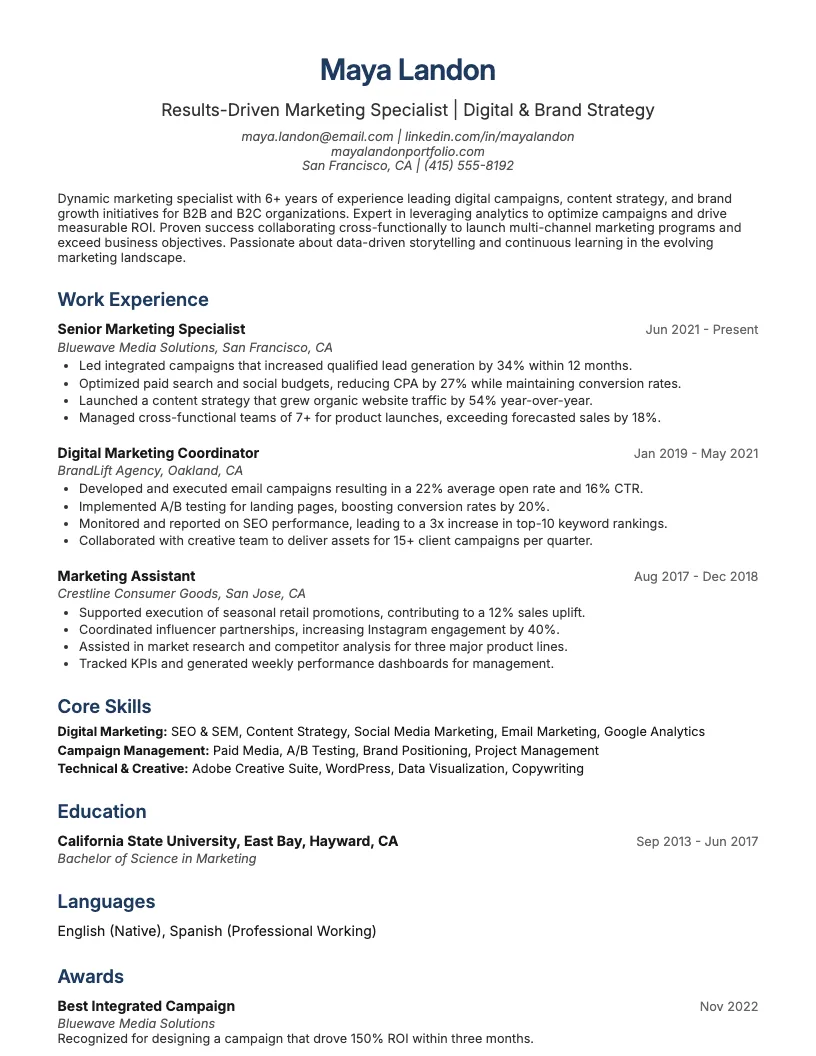
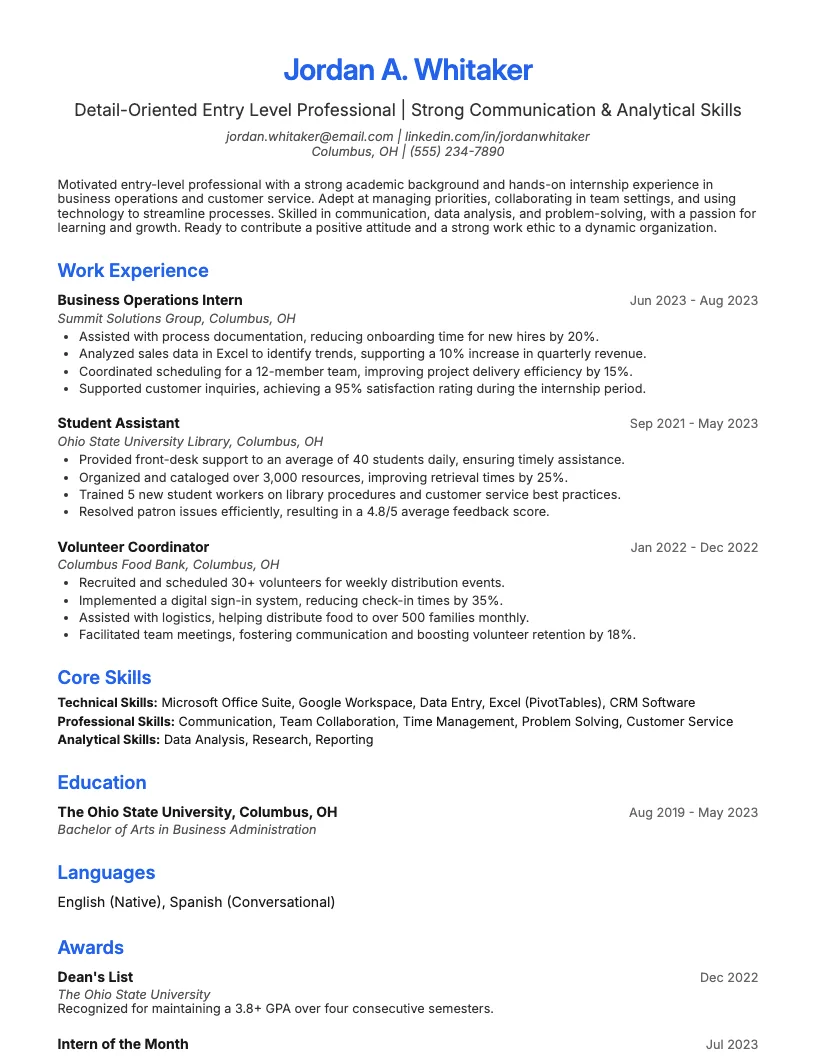
See full guide on Baseball Coach resumes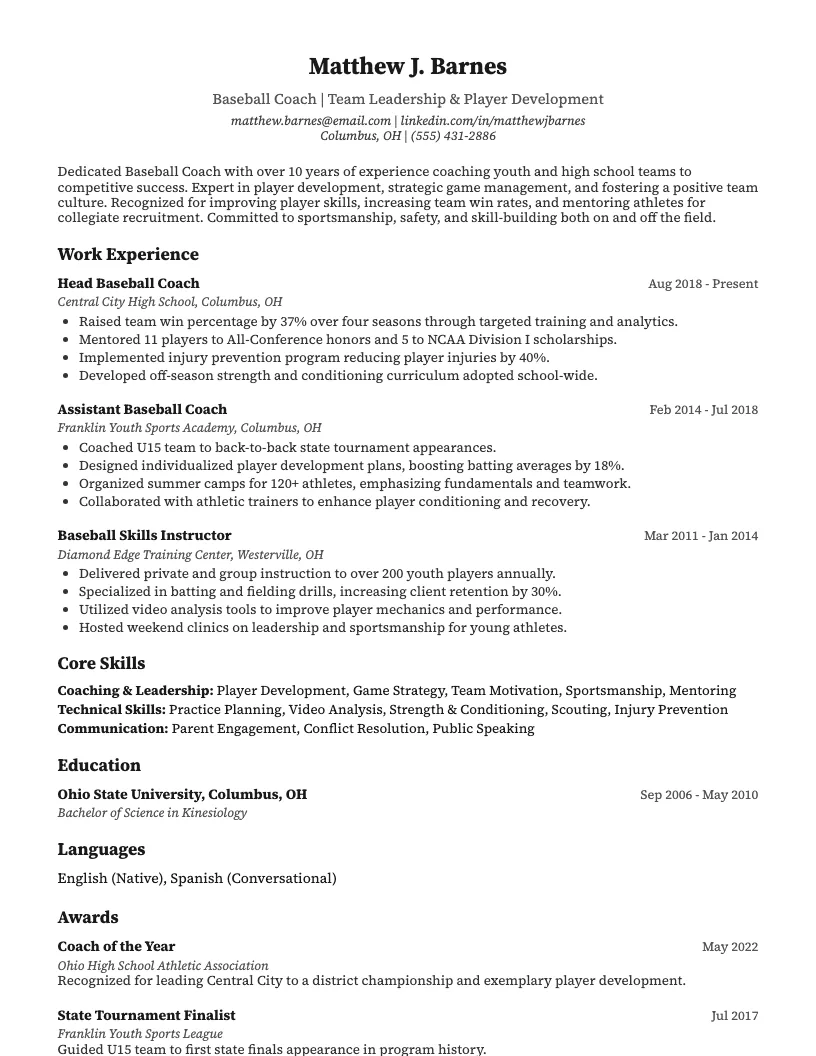 Click to enlarge
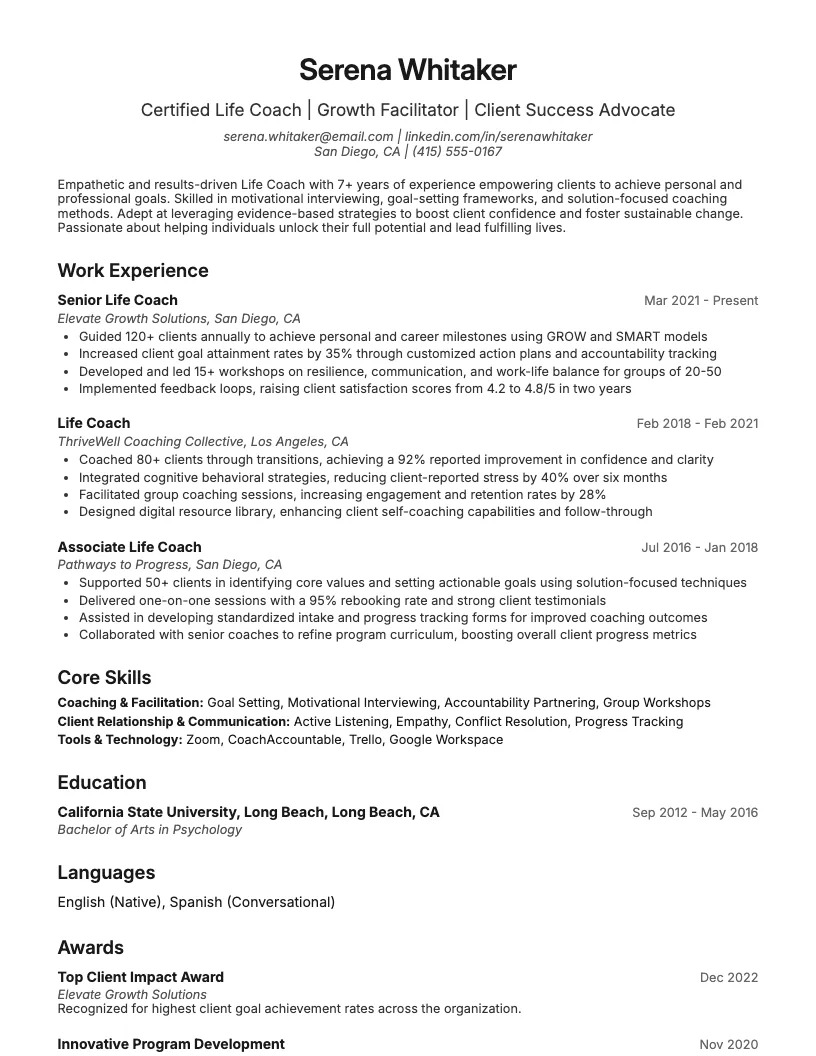 Click to preview

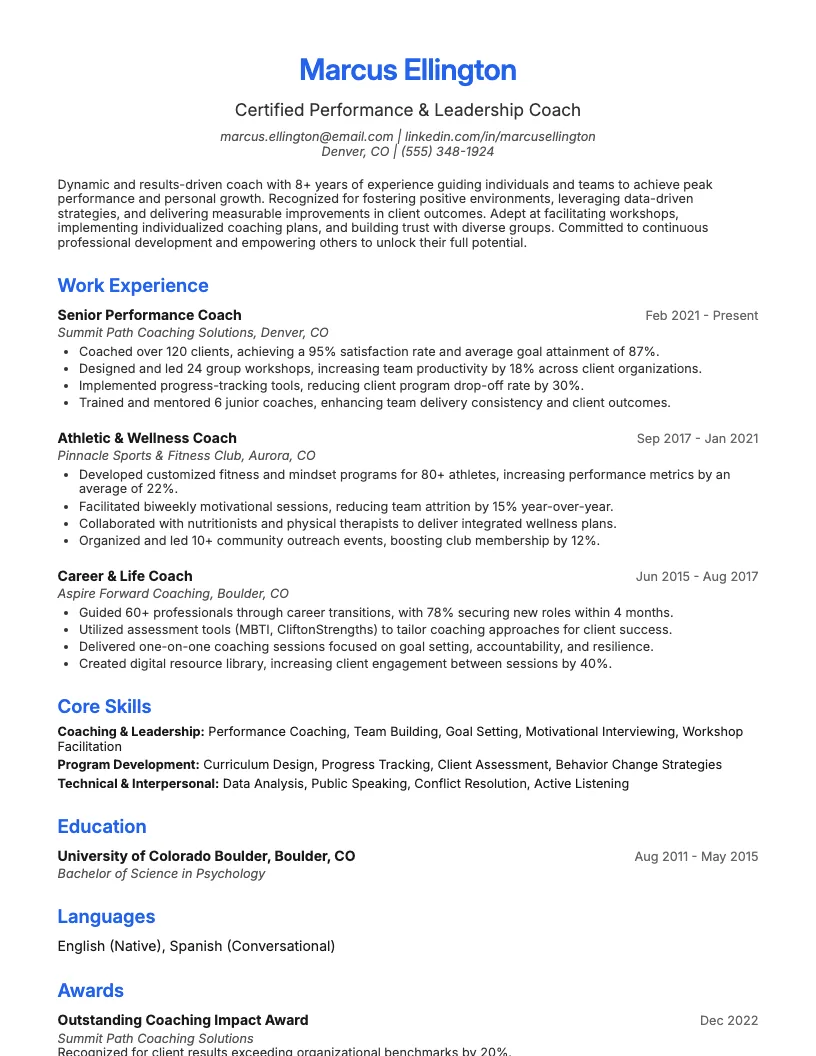
Get inspired by 62+ professional Life Coach resume examples, each written by career experts and optimized to pass ATS scans. Pick a proven template, tailor it to your role, and download a polished resume in minutes.
Pick the specialization closest to your target role and start from a proven resume example.
Not sure how to show your life coaching skills on a resume? I get it. Every stage in your career needs a different approach.
Here, you’ll see real-life coach resume examples for entry-level, mid-career, and senior professionals. I also cover specialized coaching roles, since over 40% of life coaches pick a niche.
If you’re just starting out as a life coach, your resume needs to show off your soft skills and any practical coaching experience-even if it's just volunteer work.
You want to highlight certifications like the ICF ACC or short courses. Even a 30-hour practicum counts. This helps hiring managers see your commitment right away.
Focus on transferable skills. If you have a background in teaching, counseling, or customer support, mention it. Employers like to see at least one year of people-focused experience.
At this point, I usually show off 5-8 years of coaching experience. I like to highlight measurable achievements-think client retention rates or group workshop results.
You want to focus on advanced certifications or specialized training. This helps you stand out from entry-level coaches and shows you’re serious about ongoing development.
I always list leadership roles or mentoring other coaches. Employers like seeing that I can handle bigger groups or tough client cases. Quantify your impact wherever you can.
If you’ve got 10+ years in coaching, your resume should spotlight leadership, client outcomes, and professional development. I always highlight results-think: “guided 100+ clients, 90% reported improved life satisfaction.”
Use quantifiable achievements and advanced certifications. You want to show how you mentor new coaches, design training programs, and manage group workshops. This helps recruiters see your impact right away.
Include continuing education and published work if you have it. Employers like seeing that you stay current and contribute to the field. It’s all about proving your expertise.
There are so many specialties in life coaching-career, wellness, executive, relationship, and more. Your resume should highlight certifications, client results, and any niche expertise.
If you focus on a specialty, use keywords that match your clients’ needs. For example, highlight ICF credentials or reference a health coach cover letter if your expertise is in wellness coaching.
I always suggest adding metrics-like “helped 85% of clients achieve goals within six months.” This helps your resume stand out in a crowded market.
That wraps up the different resume examples. Focus on your strengths and remember, a clear specialty can help you land the right clients or roles.

A strong life coach resume gets you noticed. It shows your coaching background, your training, and your unique approach. Recruiters spend under 10 seconds on each resume.
You want to grab attention fast. I’ve seen resumes work best when they highlight coaching results, certifications, and real skills, not just buzzwords.
I’ll walk you through writing a summary, showcasing your experience, listing credentials, and picking the right life coach skills. Let’s break it down.
Start your resume with a short, punchy summary. I always include my job title, years of experience, and a few areas I specialize in.
Use this section to show what sets you apart. Mention your unique coaching style or a proven approach. This helps hiring managers see your real impact quickly.
Highlight any systems or frameworks you develop. If you train other coaches or grow client results-be specific. Quantifiable achievements make your summary stand out.
You want to show real impact in your coaching background. I like to include the number of clients I’ve worked with, programs I’ve developed, or group workshops led.
Use verifiable numbers like client satisfaction rates or positive Google reviews. This builds trust and shows you’re not just talking-your results are out there for anyone to see.
Don’t just list responsibilities. Highlight the outcomes you help clients achieve, like improved confidence or goal completion rates. This helps your resume stand out right away.
You don’t need a specific degree to become a life coach, but having relevant education boosts your credibility. List your degree, major, and school, even if it’s not in psychology.
Certifications matter a lot in this field. Show off credentials like the ICF Associate Certified Coach (ACC) or Certified Professional Coach (CPC). These prove you follow industry standards.
I always put certifications with dates and issuing bodies. This makes it easy for clients and employers to see I take my professional development seriously.
Focus on key skills that employers look for, like active listening, goal setting, and emotional intelligence. These usually show up in most job descriptions for life coaches.
I always add skills like motivational interviewing, conflict resolution, and time management—qualities you’ll also find in a motivational coach cover letter. These are common keywords in over 80% of life coach roles.
You want to keep your skills section targeted. Scan each job posting for the exact terms they ask for, then list those on your resume. This helps with ATS screening.
I always make sure my resume shows real examples of leading groups or motivating clients. Hiring managers want to see proof, not just claims.
You can highlight experiences like facilitating workshops, managing support groups, or coaching clients through tough changes. Numbers help-like “led weekly sessions for 15+ clients.”
It’s smart to mention active listening, conflict resolution, and delivering feedback. This helps show you’re not just a talker, but a true communicator.
Wrapping up, clear leadership and communication stories set your resume apart. It’s your chance to show you walk the talk as a life coach.
Picking the right resume template matters. The layout and style you choose can make or break your first impression.
I look for templates that highlight my coaching skills and experience clearly. Simple, clean designs help recruiters focus on what I bring to the table.
You want something easy to read and organized. Overly flashy graphics or too much color can distract from your qualifications.
The best templates keep everything structured-so your strengths, certifications, and results stand out right away.
If you’re building your life coach resume, you might want to check out similar roles. I’ve seen a lot of overlap with coaching, counseling, and wellness fields.
You can also find examples for medical assistants, trainers, and even camp counselors. Looking at different resumes helps you see what skills and formats work best.
You want your cover letter to stand out. Strong life coach cover letter examples show how you guide clients, communicate, and solve problems every day.
I always highlight specific coaching outcomes, like improved client satisfaction scores or retention rates. This gives hiring managers real numbers to consider-not just buzzwords.
You can use these examples as a template. Focus on your certifications, coaching specialties, and any relevant success stories. This helps your application feel personal and credible.
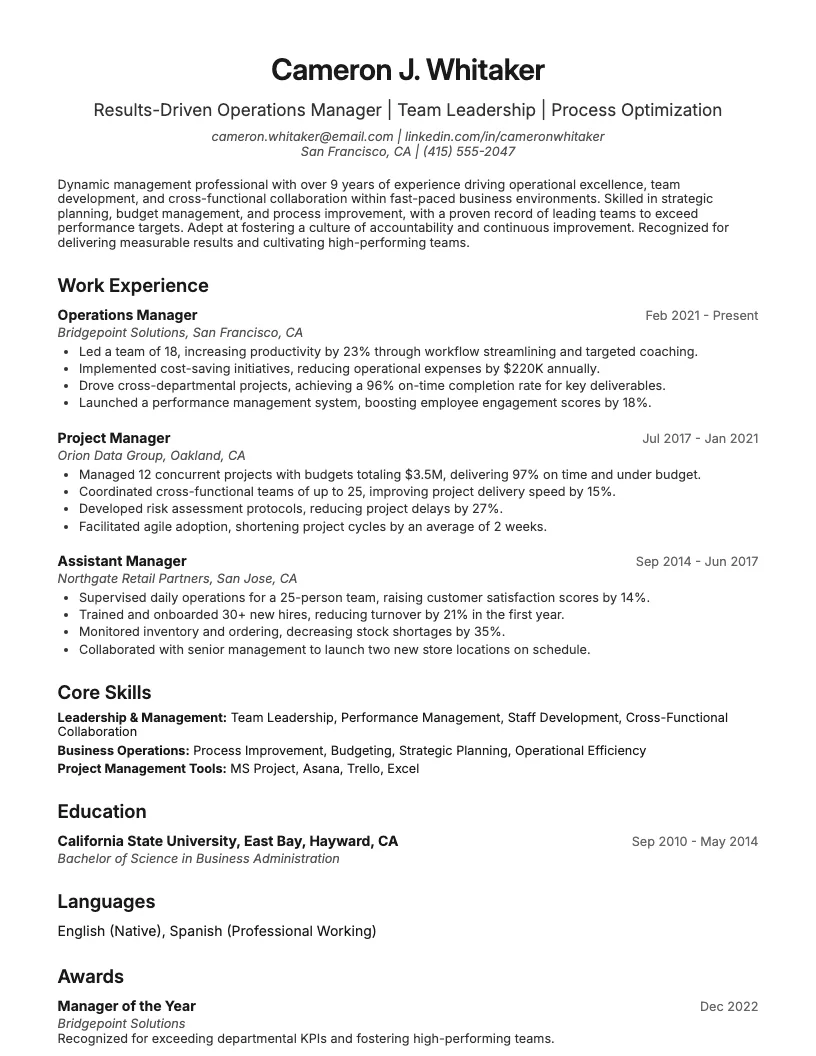
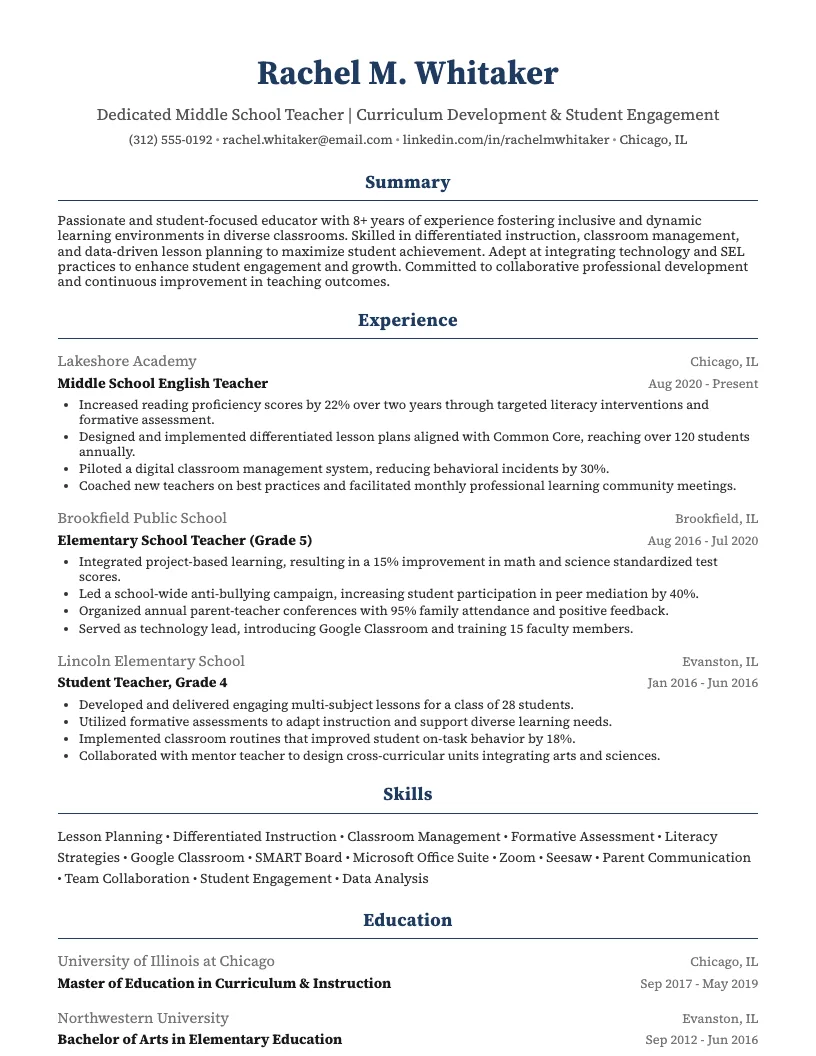
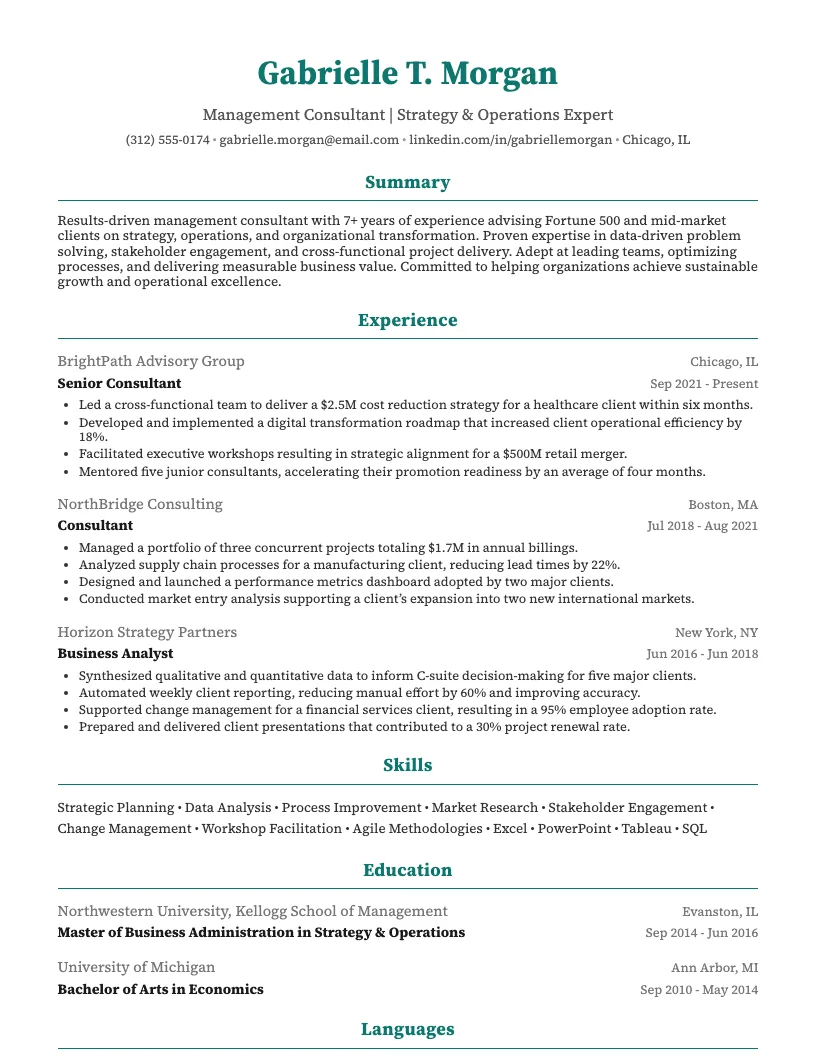
Browse Life Coach resume examples for related roles. Preview any example, open it in the builder, or read its full guide.
Click to enlarge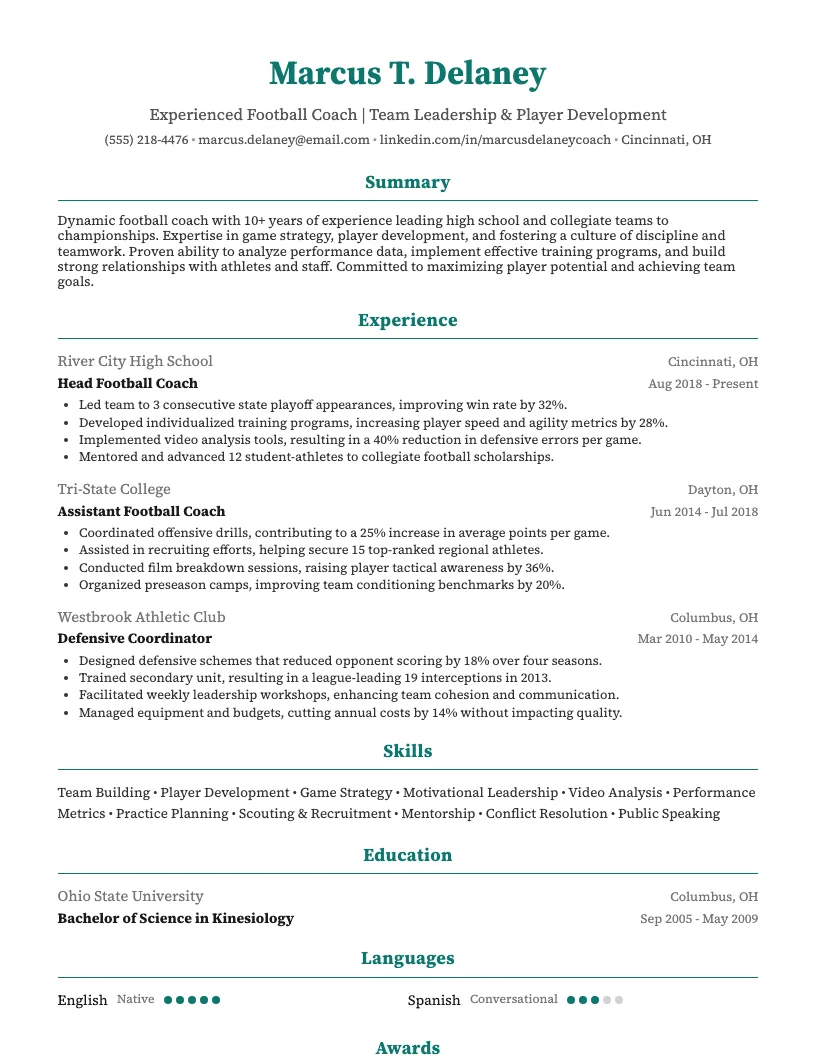 Click to enlarge
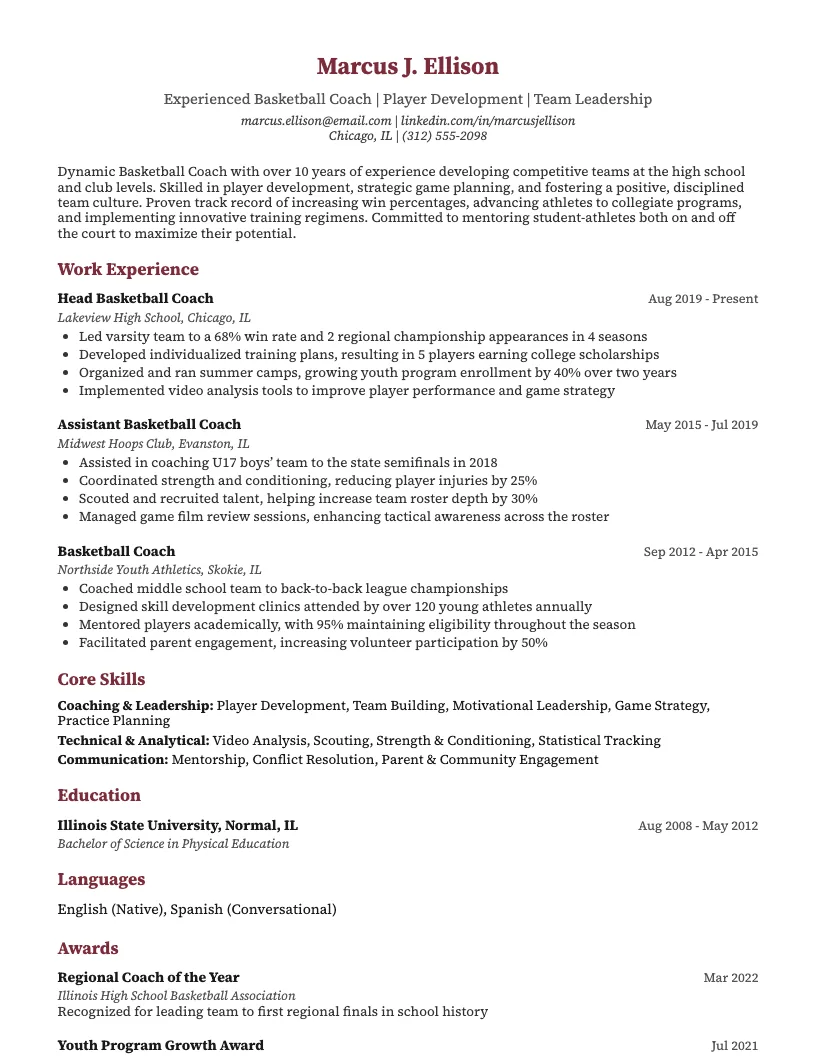 Click to enlarge
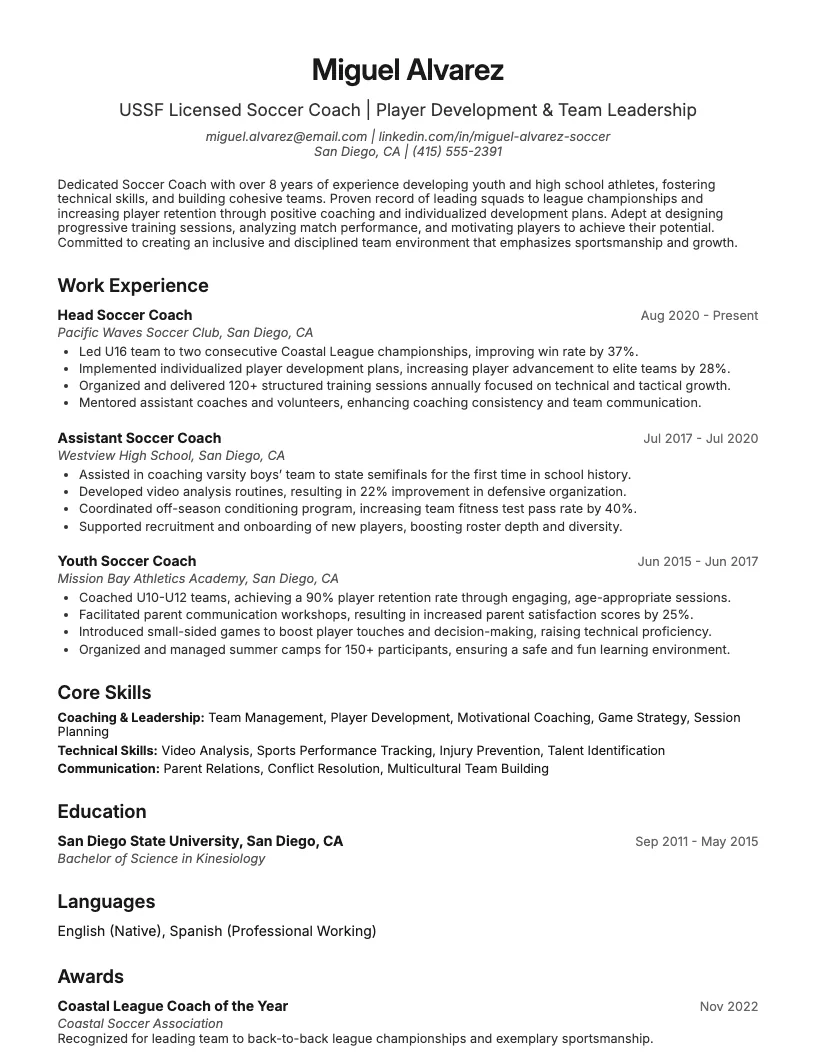 Click to enlarge
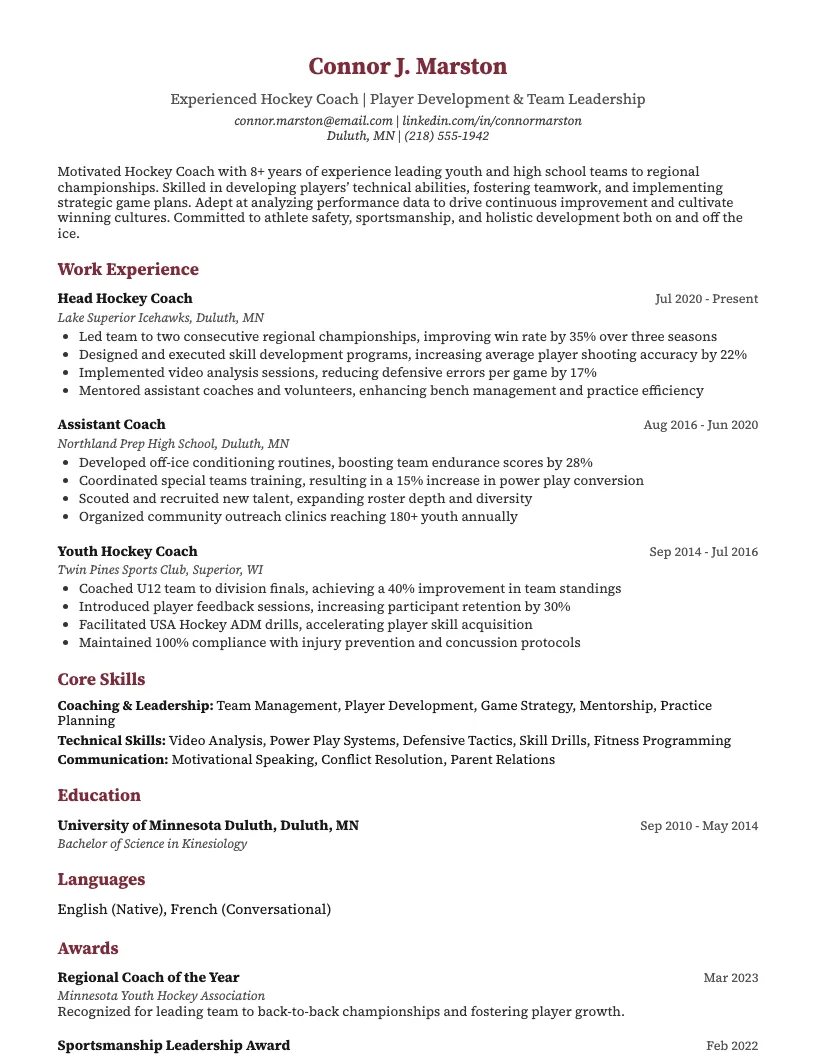 Click to enlarge
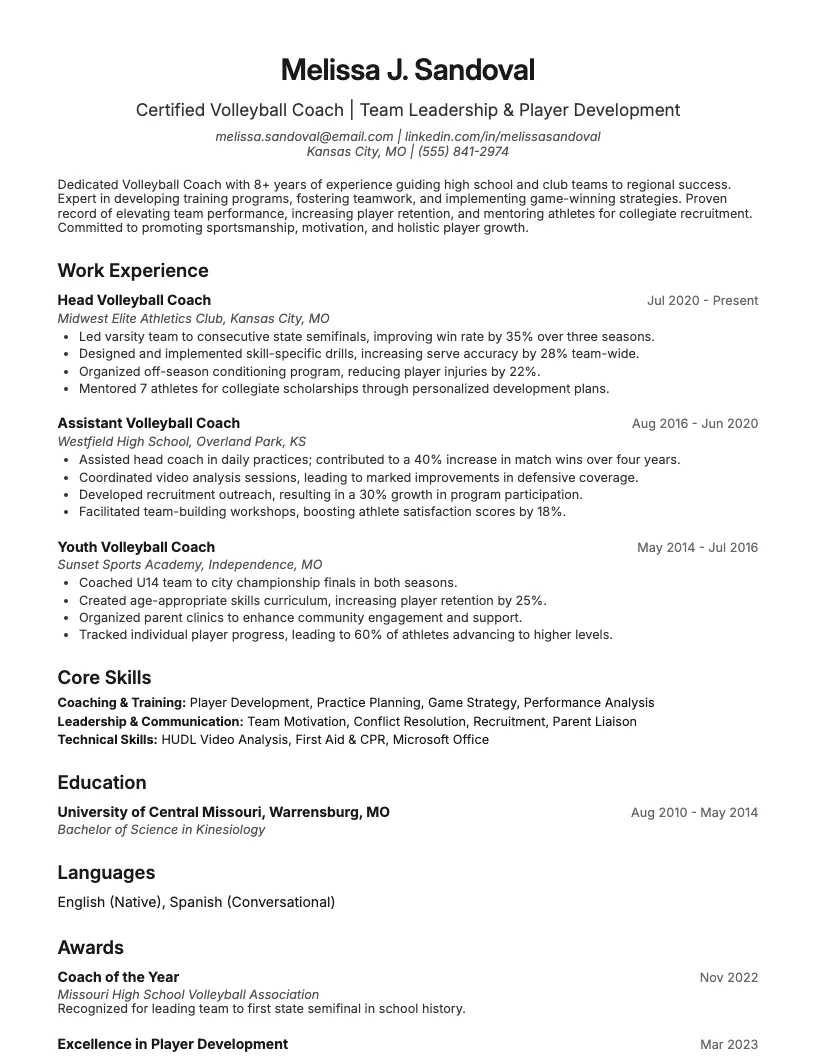 Click to enlarge
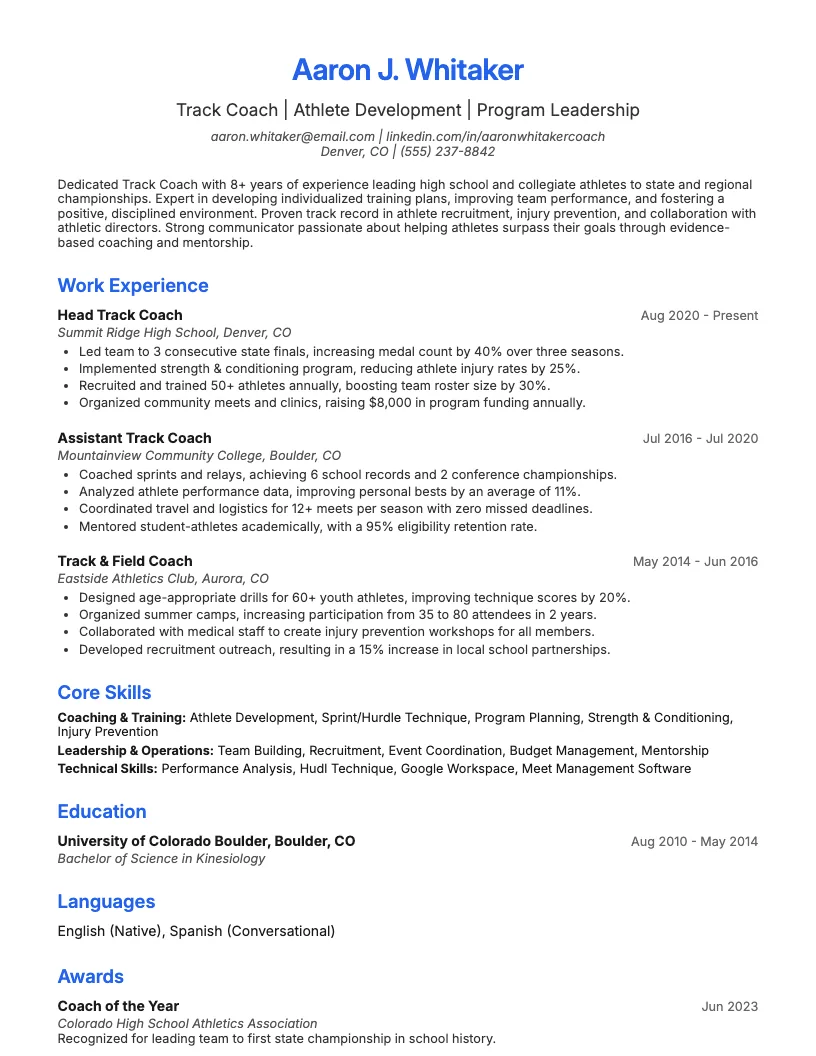 Click to enlarge
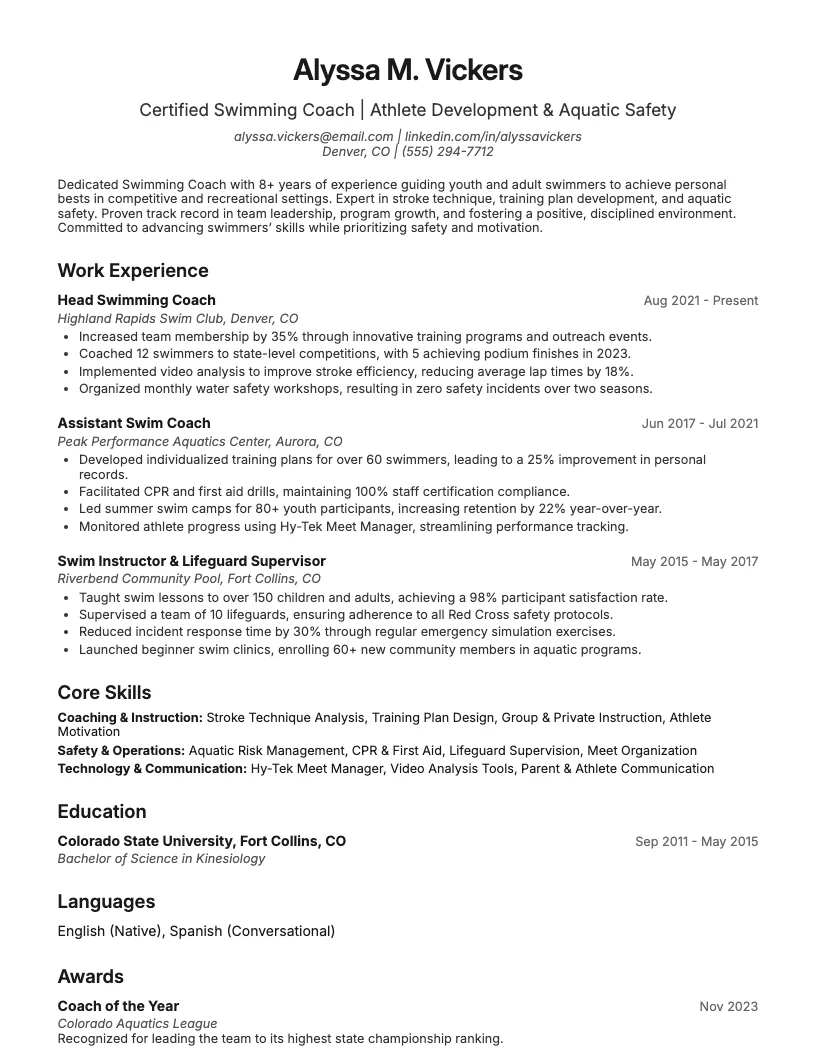 Click to enlarge
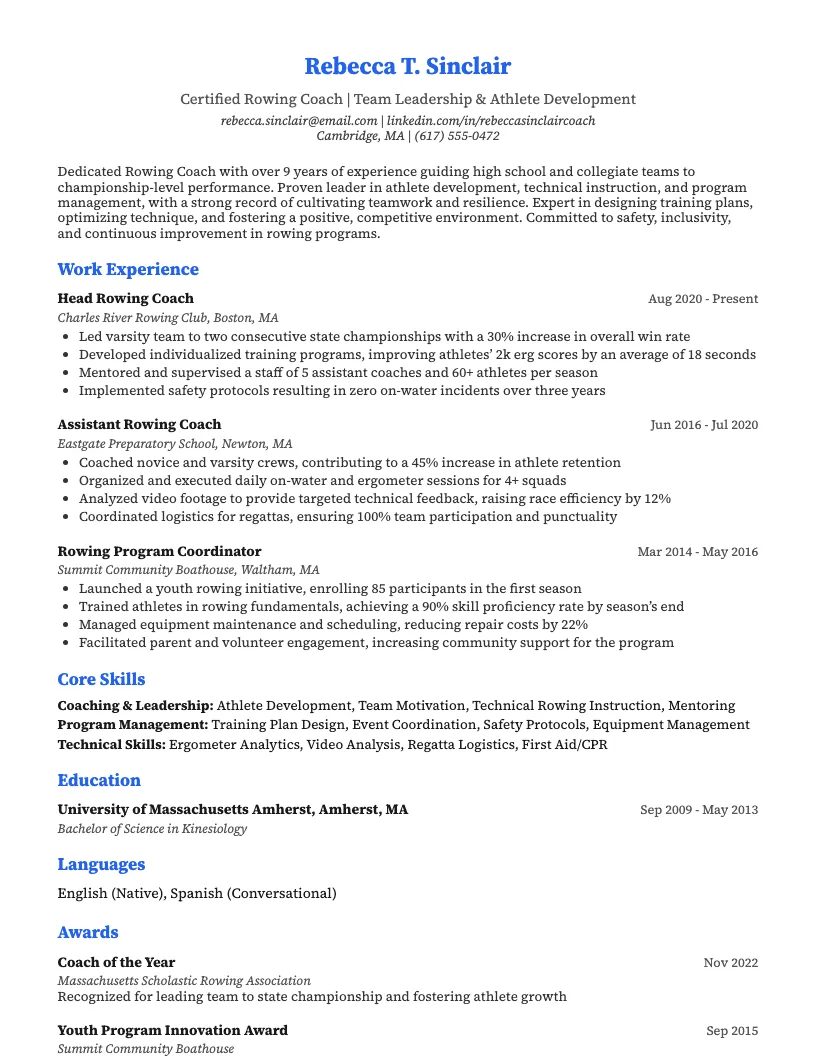 Click to enlarge
Common questions about Life Coach resumes
A Life Coach resume template is a pre-designed layout tailored for showcasing coaching skills, certifications, and client success stories. It highlights strengths like motivation and communication. ResumeJudge makes building this type of resume quick and easy.
Yes, most Life Coach resume templates from ResumeJudge are ATS-friendly. This means your resume can be easily scanned by automated systems, increasing your chances of getting noticed by employers.
Use a Life Coach resume template when applying for roles in personal coaching, wellness, career coaching, or motivational speaking. ResumeJudge templates help you stand out in these competitive fields.
Absolutely! You can personalize sections for your background, specialties, and certifications. ResumeJudge makes it simple to update fonts, colors, and layouts for a unique touch.
Life Coach templates focus on coaching achievements, empathy, and client outcomes, while others may highlight technical skills or industry-specific experience. ResumeJudge offers tailored templates for each profession.
Ideally, a Life Coach resume should fit on one page, especially for those with under 10 years' experience. ResumeJudge templates are designed to keep your content concise and impactful.
Yes! Life Coach resume templates work well for leadership, executive, wellness, or career coaching roles. ResumeJudge offers sections for certifications and measurable results.
Definitely. Many ResumeJudge templates include space for client testimonials, which help build credibility and trust with potential employers or clients.
While not required, listing technical skills like online coaching platforms or scheduling tools can be a plus. ResumeJudge templates allow you to add these skills easily.
A well-crafted, ATS-friendly template from ResumeJudge highlights your strengths and gets you noticed faster, increasing your chances of landing interviews in coaching and related fields.
Explore more professional resume examples to inspire your job search
Use our AI-powered resume builder to create a professional, ATS-friendly resume in minutes.
Free to use • No credit card required