Law School Resume Example
See full guide on Law School resumes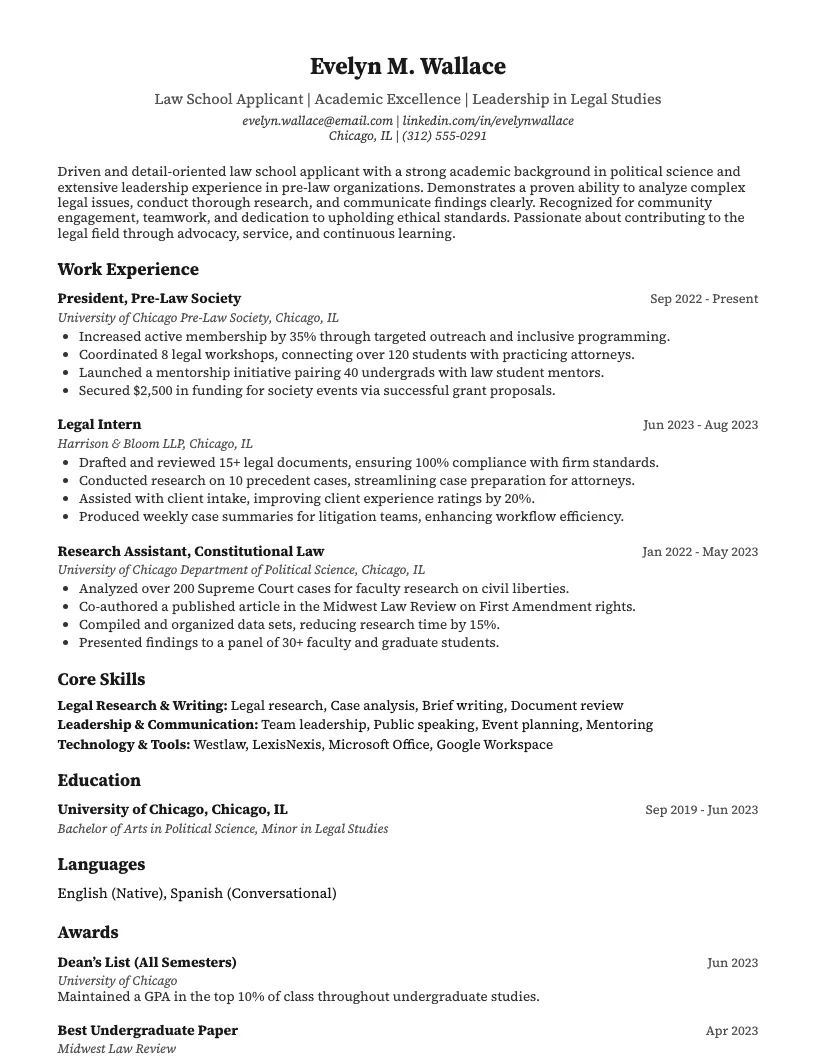 Click to enlarge
 Click to preview

Get inspired by 64+ professional Jd Candidate resume examples, each written by career experts and optimized to pass ATS scans. Pick a proven template, tailor it to your role, and download a polished resume in minutes.
Pick the specialization closest to your target role and start from a proven resume example.
If you’re in law school and hunting for internships or your first legal job, your resume matters a lot. I see hundreds of Jd candidate resumes each year.
A strong resume shows what you’ve learned and what you can do. Employers look for skills, academic results, and real legal experience-over 90% want to see some kind of hands-on work.
A JD candidate is someone currently enrolled in a Juris Doctor program. That’s usually a three-year law degree required to practice law in the U.S.
I see most JD candidates coming from different backgrounds. Some go straight from undergrad, but others have work experience in fields like business, health, or public service.
You don’t need to have passed the bar yet. Being a JD candidate just means you’re actively working toward your law degree-over 110,000 students do this each year in the U.S.
Employers scan for legal research, analytical thinking, and strong communication skills. I focus on showing these through internships, clinics, or moot court. Numbers help-like caseloads or hours spent on research.
You want to highlight leadership, teamwork, and a knack for problem-solving. This means listing concrete results, not just responsibilities. Employers notice candidates who quantify impact.
Formatting matters too. I keep everything clear, concise, and easy to skim. Employers often spend less than 10 seconds on a first pass, so your resume needs to pop.

Crafting a JD candidate resume can feel overwhelming, especially with so many details to cover. You want your skills and experience to pop off the page.
I’ve seen hiring managers review more than 100 resumes for a single legal role. A clear, well-formatted resume gives you a real edge in this tough market.
You’ll want to focus on key sections, smart formatting, and avoiding common mistakes. Let’s break down what helps your JD candidate resume stand out.
When you’re putting together a JD candidate resume, there are a few must-have sections I always recommend. These help employers get a clear, quick snapshot of your background.
Start with your contact information-name, phone, email, and LinkedIn. You want them to reach you easily. I also add my law school and graduation year right up top.
Include an education section. List your JD program, undergrad (with majors and minors), and any honors or scholarships. Around 80% of legal recruiters say education is a top priority.
Add relevant experience. This can be internships, clinics, research, or part-time legal gigs. Focus on achievements, not just duties. Use measurable results where possible.
Don’t forget skills-legal research, writing, cite-checking, or languages. Highlight skills that match the job description. Proficiency in Westlaw or LexisNexis stands out to hiring managers.
Last, toss in activities and leadership. Law review, moot court, student orgs, or pro bono hours show initiative. About 60% of law firms look for well-rounded candidates.
I keep my JD candidate resume to one page-unless I have over ten years of experience. Recruiters spend about 7 seconds on the first scan, so clarity matters.
Use a clean, readable font like Calibri or Garamond in size 10-12. Margins of at least 0.75 inches keep things neat without making the page look crammed.
Stick to consistent formatting for headers, dates, and section breaks. This helps the reader find key info fast. I always bold my section headers for easy scanning.
White space is your friend. It makes your resume easier to read and helps highlight your most impressive achievements. Don’t shrink text just to fit more in-prioritize what matters.
I see a lot of JD candidates forget to tailor their resumes. Using the same resume for every job rarely works. Customize for each role-this really matters.
You also want to avoid vague language. Law firms look for specifics. Quantify achievements, like “drafted 12+ briefs” or “managed 5 client files,” instead of just listing duties.
Leaving out relevant experience is another common slip. Even part-time legal work or moot court counts. This helps show your skills and commitment.
Take a final look for typos and formatting issues. Recruiters spend less than 10 seconds on a resume. Clean, error-free content can make you stand out.
Landing a legal job as a JD candidate is tough. Law firms get hundreds of applications for every open spot.
A sharp resume makes you stand out. I’ve pulled together a sample and template to help you get started.
You’ll see what hiring managers expect and how you can organize your experience in a way that works.
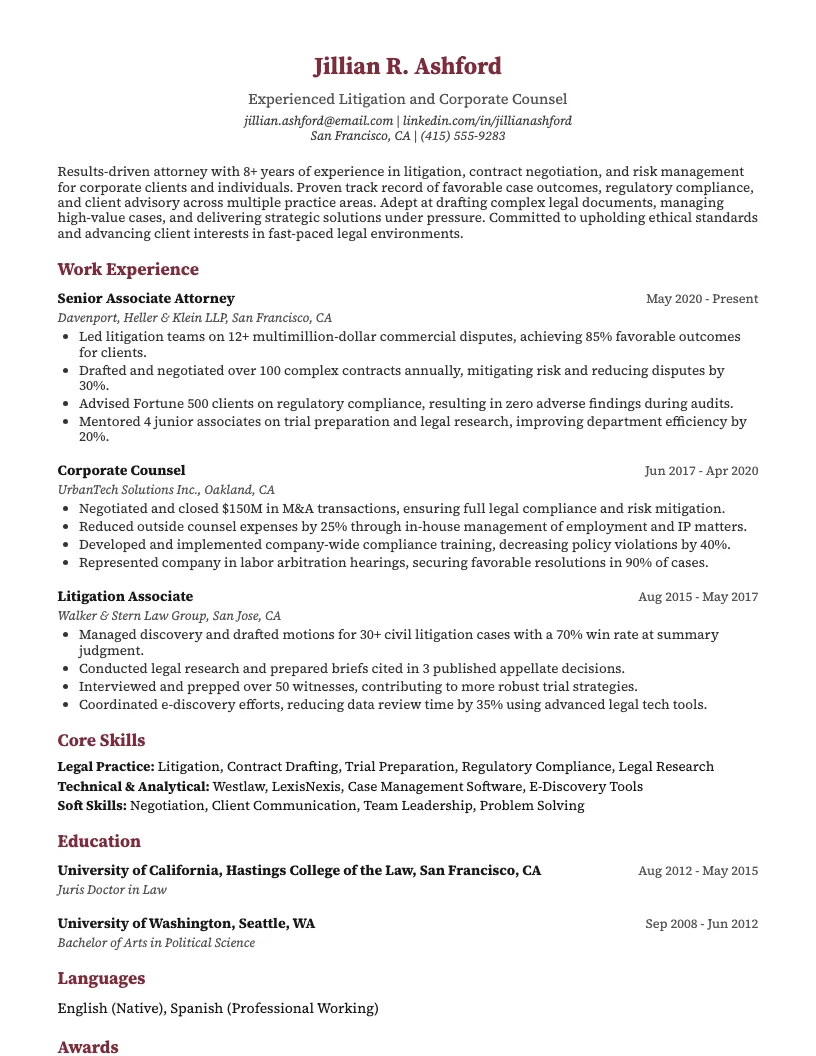
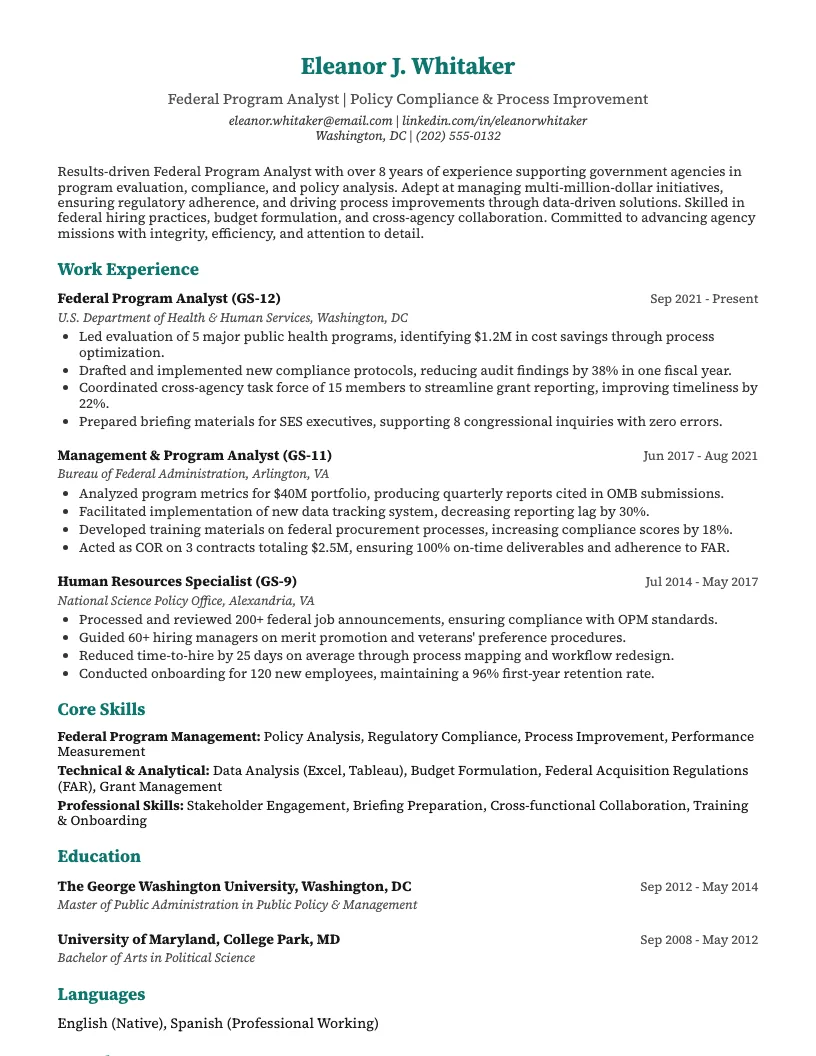
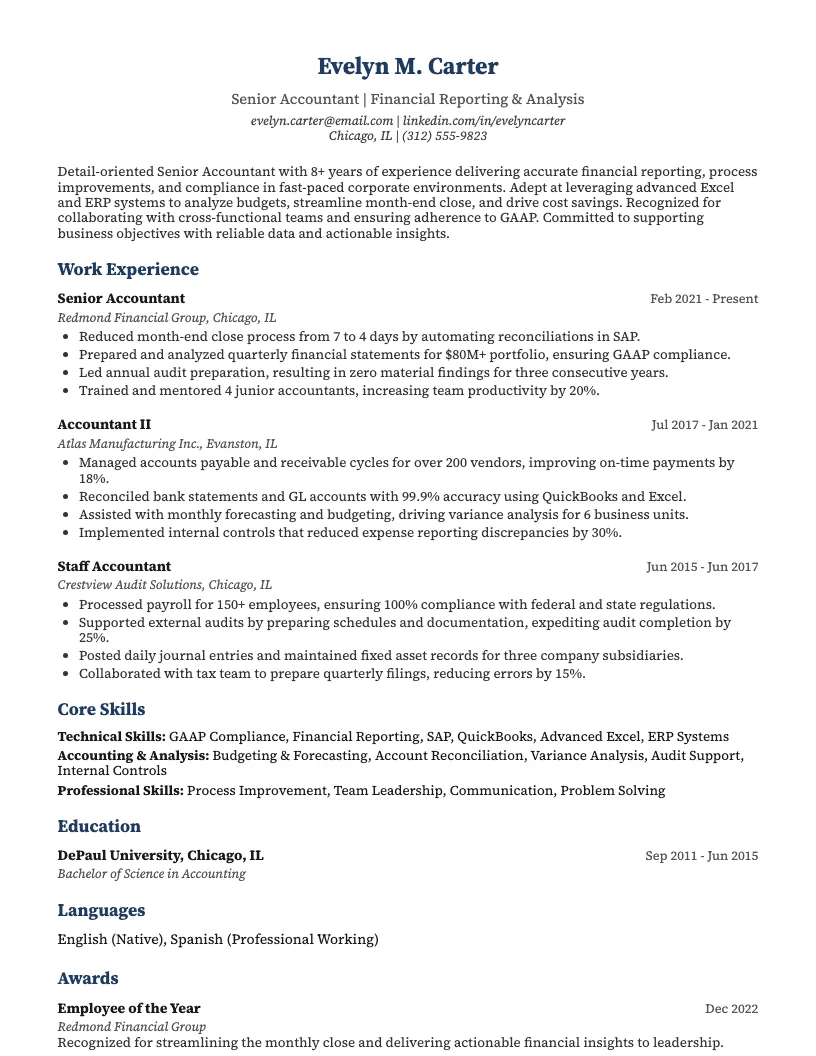
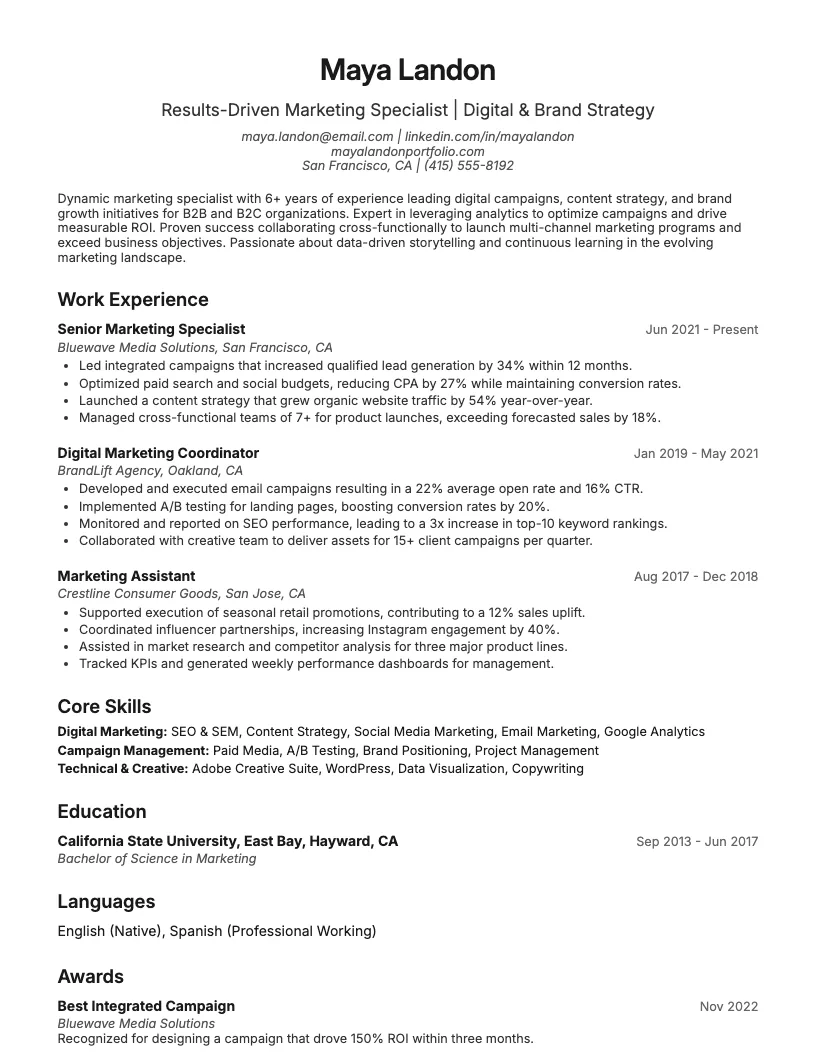
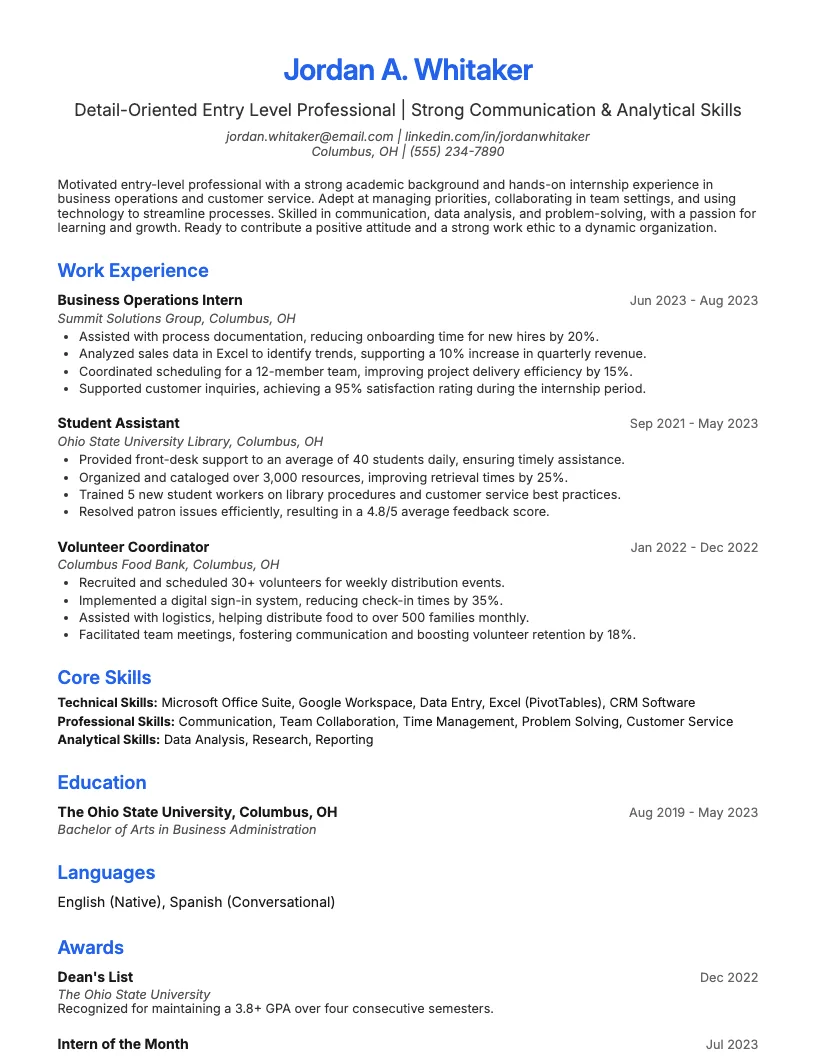
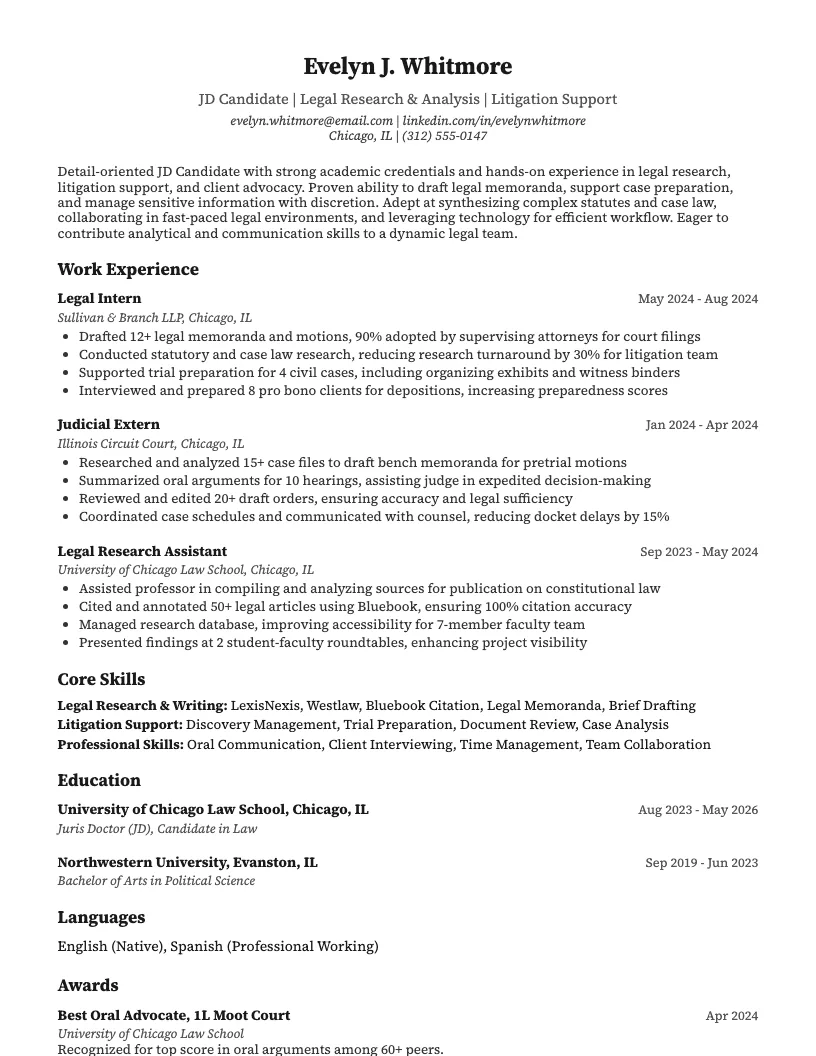
Here's a realistic resume example for a JD candidate. I want to show how you highlight legal experience, academic credentials, and leadership skills in one clean layout.
You need to focus on concise bullet points, measurable outcomes, and relevant coursework. This helps recruiters spot your top qualifications in 10 seconds or less.
There are over 35,000 JD candidates graduating each year in the U.S. Standing out means showing impact-not just listing law school activities, but describing results and skills you actually gained.
You can grab a free, editable JD candidate resume template in Word or PDF format. I like templates that focus on clean formatting and strong section headings.
There are customizable sections for education, experience, and skills. This helps you highlight your law school achievements, internships, and legal research experience-all in one place.
Download the template, then tailor it to your strengths. You want your resume to match the job description and stand out from the 300+ other applicants.
If you’re aiming for a legal job, your resume needs the right keywords. Recruiters often scan for specific skills and credentials relevant to the JD field.
I focus on skills that law firms and legal departments mention most. These include research, writing, and compliance expertise. Certifications and coursework can also boost your profile.
You want your JD candidate resume to stand out, so focus on skills that law firms and employers really care about. I always recommend putting these front and center.
Highlight legal research, writing, and analytical skills. About 80% of legal job postings mention these. Show you can handle complex statutes, draft clear documents, and interpret case law.
Strong oral communication and negotiation skills matter too. If you’ve participated in moot court or clinics, mention those. This shows you can advocate and solve problems in real-world settings.
I always add relevant certifications to my resume-think things like the CIPP/US for privacy or a mediation certificate. These show I’m serious about expanding my legal toolkit.
You should also include key coursework like Contracts, Constitutional Law, or Intellectual Property. This helps recruiters see your specific focus areas, especially if you haven’t had a lot of legal experience yet.
There are programs-like the Legal Research & Writing or Trial Advocacy courses-that more than 70% of top law schools require. Listing these makes your skills much clearer.
Building a resume as a JD candidate looks different depending on where you are in your career. I see a lot of people struggle with what to highlight.
If you just finished law school, you want to show off your academic work and internships. If you have years of experience, it’s more about results and leadership.
Let’s break down what works best for entry-level and experienced JD candidates. Each stage has its own resume rules and strategies that help you stand out.
If you’re just starting out as a JD candidate, your resume should highlight academic achievements and relevant internships. This helps you stand out when you don’t have much legal experience.
Showcase practical skills like research, writing, and oral advocacy. I always recommend listing projects and clinics-about 75% of recruiters look for these on entry-level resumes.
You want to be clear about your law school coursework, especially if you’ve tackled subjects important to your target roles. Use bullet points to keep things readable.
If you have a few years of legal experience, focus on quantifying your impact. Show results-like case outcomes, client growth, or cost savings-using specific numbers whenever possible.
Highlight advanced research, negotiation, and leadership skills. You want hiring managers to see how you handle complex cases or high-pressure environments. Use bullet points for clarity and emphasis.
Don’t forget to tailor your resume for each job. I always update keywords and skills to match the job description. This helps you get past automated filters and stand out.
Wrapping up, an experienced JD resume should clearly show your growth, accomplishments, and readiness for bigger responsibilities. This gives your resume a real edge in any legal job hunt.
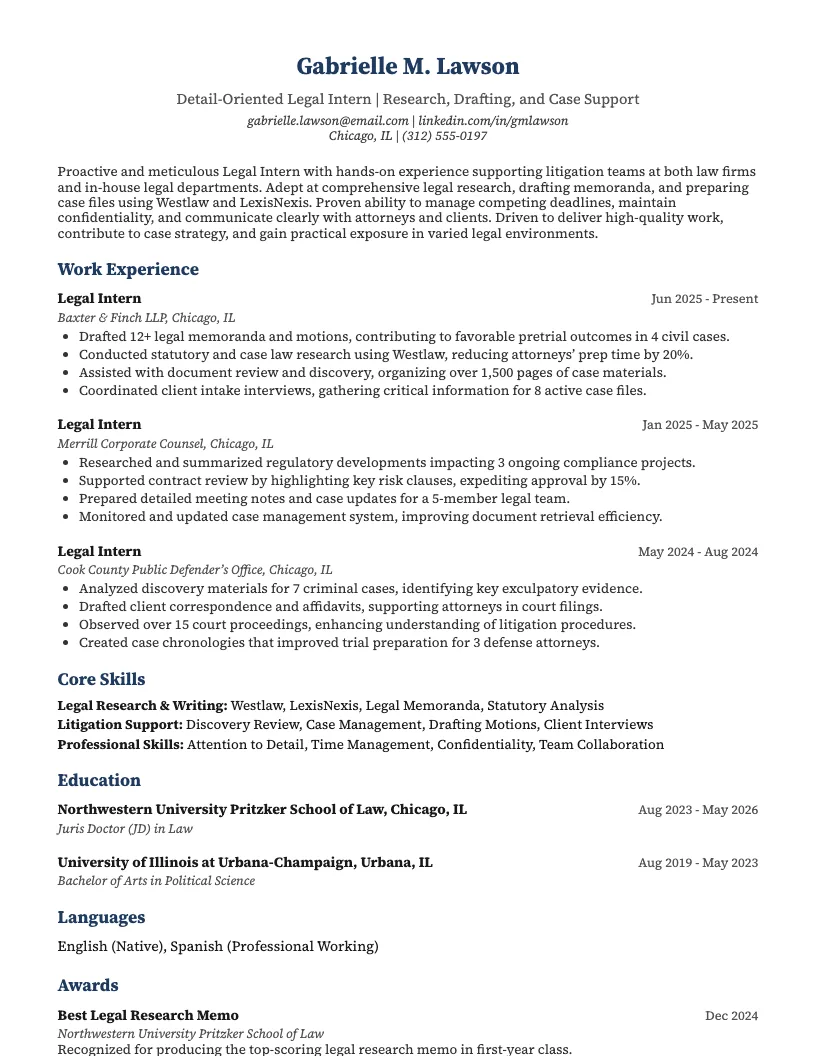
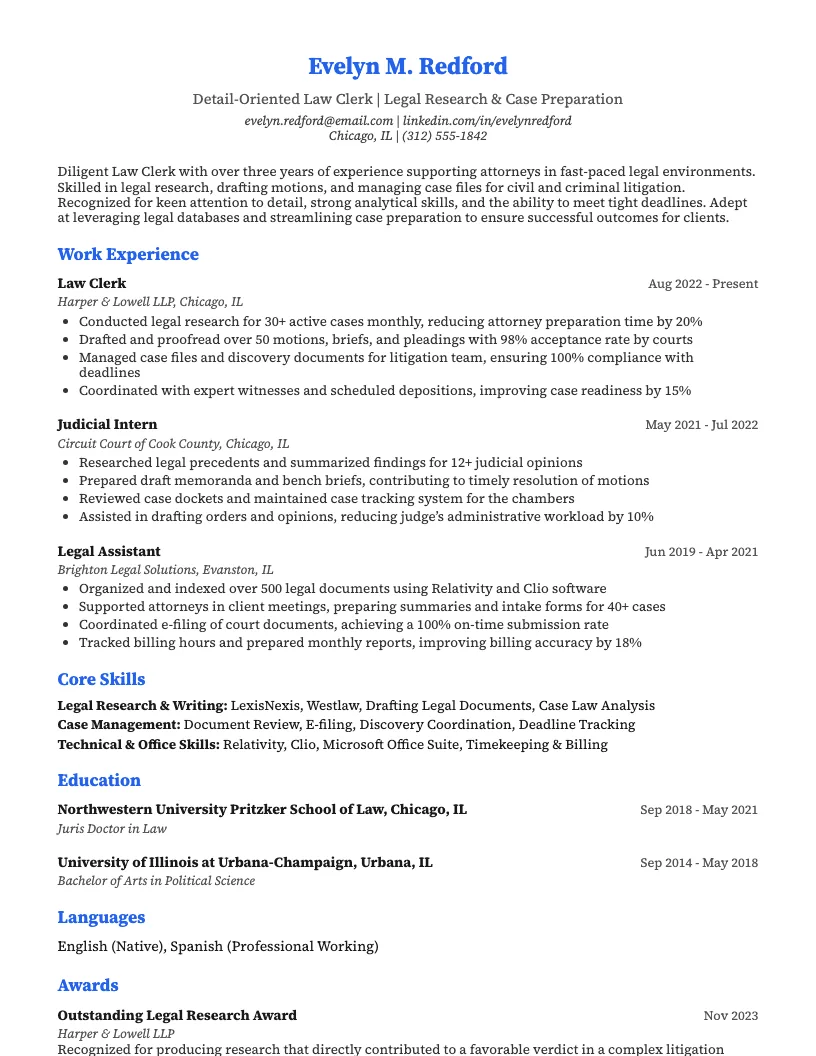
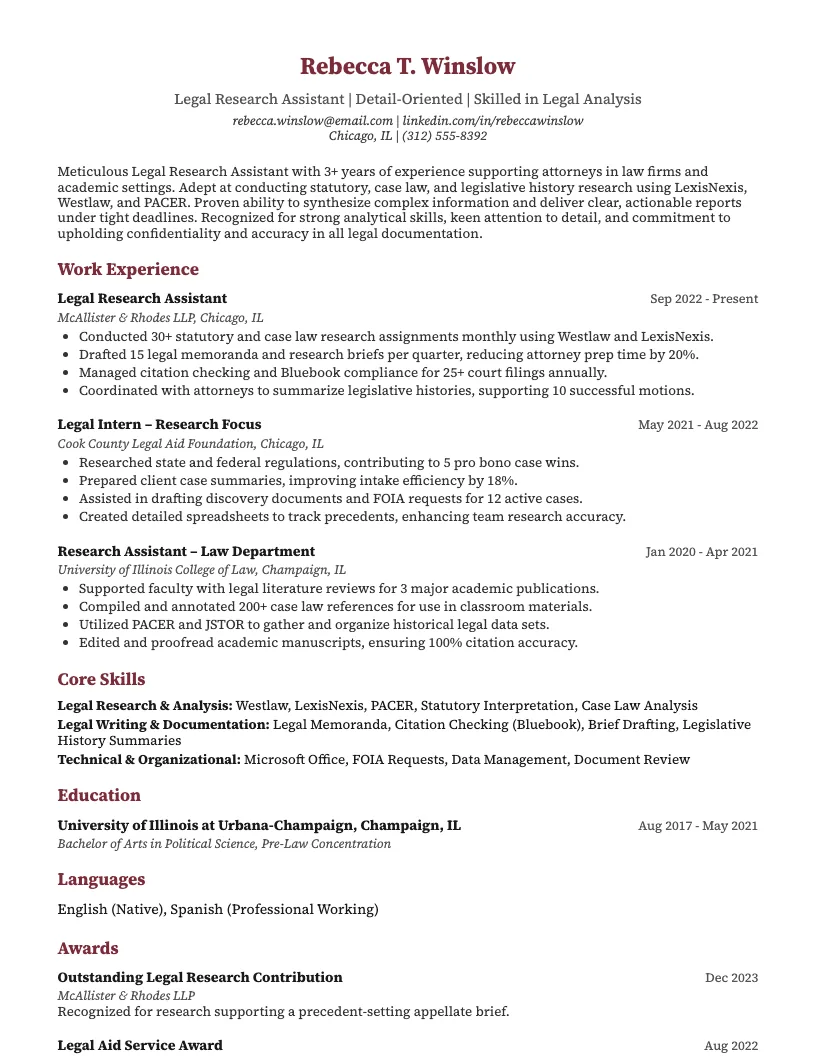
Browse Jd Candidate resume examples for related roles. Preview any example, open it in the builder, or read its full guide.
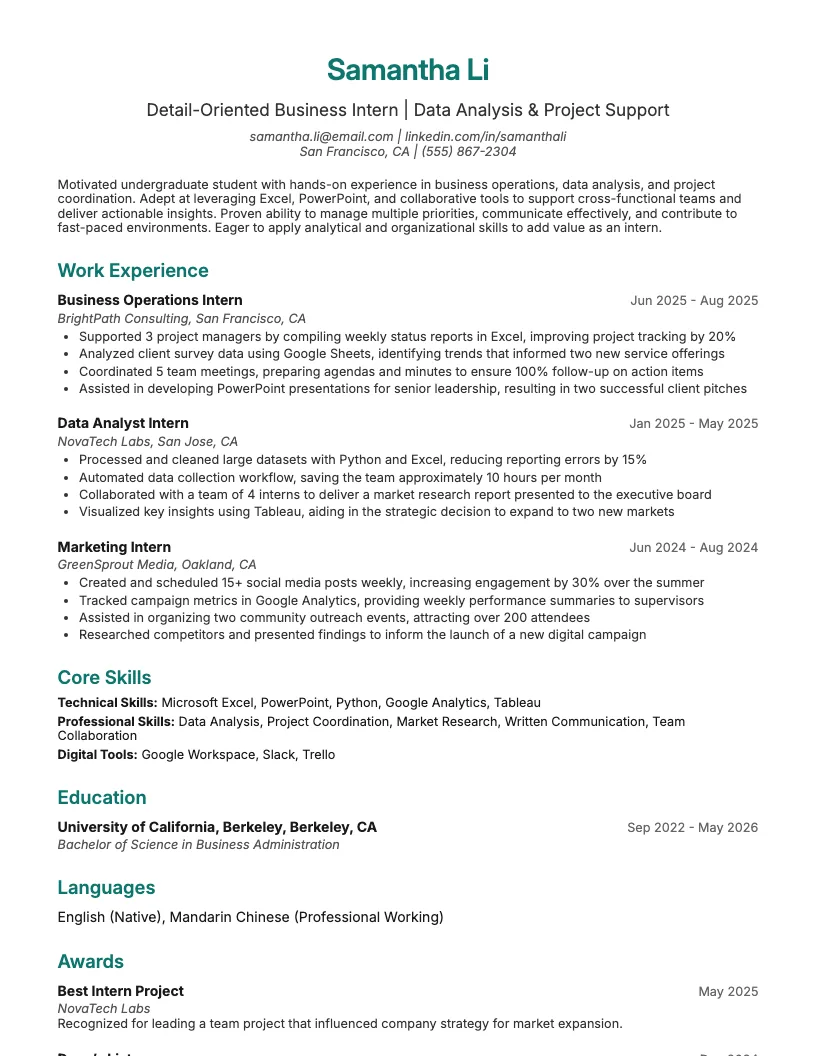
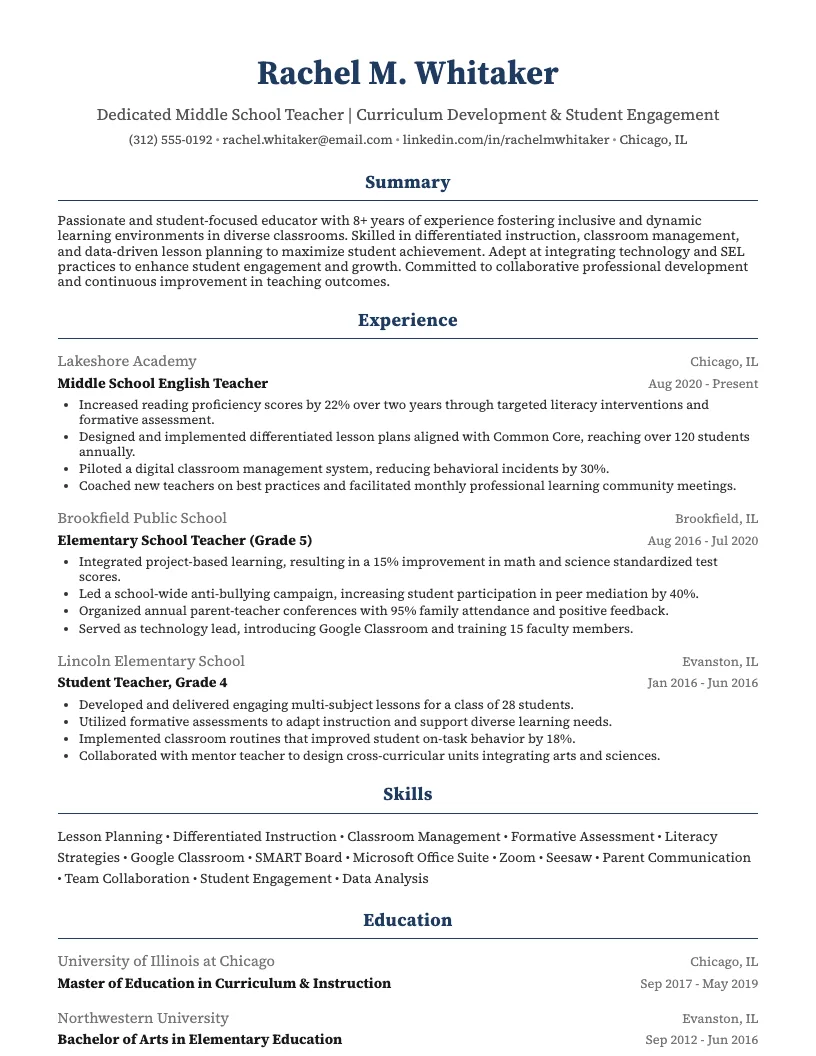
Click to enlarge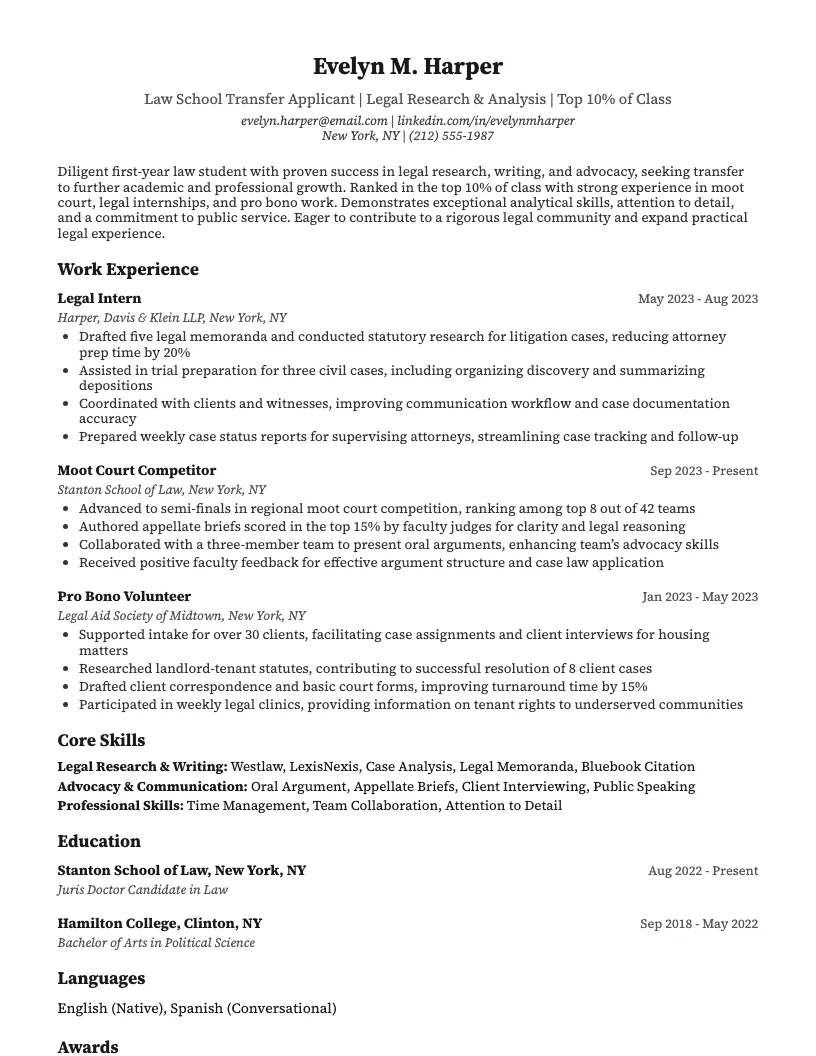 Click to enlarge
 Click to enlarge
 Click to enlarge
 Click to enlarge
 Click to enlarge
 Click to enlarge
Common questions about Jd Candidate resumes
A Jd Candidate resume template is designed for law students pursuing a Juris Doctor degree. It highlights legal education, internships, and relevant skills for legal roles. ResumeJudge offers tailored templates just for JD candidates.
Yes, most Jd Candidate resume templates, like those from ResumeJudge, are ATS-friendly. They use clear formatting and keywords to help your resume pass screening software used by law firms and recruiters.
Use a Jd Candidate resume template when applying for internships, clerkships, or entry-level legal positions. It's ideal for law firms, public interest organizations, or government agencies seeking JD candidates.
Absolutely! Jd Candidate templates are fully customizable. ResumeJudge makes it easy to add coursework, clinics, or moot court experience to suit your unique background.
A Jd Candidate resume template emphasizes legal education and experience, unlike general templates. It includes sections for law school activities and legal research, which ResumeJudge structures for legal careers.
A Jd Candidate resume should be one page, focusing on relevant legal experience and education. ResumeJudge’s templates help you organize content concisely to make a strong impression.
Yes, Jd Candidate resume templates are perfect for judicial clerkship applications. They highlight coursework, research, and legal writing, making your qualifications clear to judges and law clerks.
Key sections include Education, Legal Experience, Skills, and Activities. ResumeJudge templates ensure these sections are formatted to showcase your strengths to legal employers.
You can adapt a Jd Candidate resume template for compliance, consulting, or policy roles. ResumeJudge’s templates make it easy to refocus your skills for broader industries.
Yes! A well-crafted Jd Candidate resume template from ResumeJudge highlights your legal training and experience, helping you stand out among other law students and recent graduates.
Explore more professional resume examples to inspire your job search
Use our AI-powered resume builder to create a professional, ATS-friendly resume in minutes.
Free to use • No credit card required