Lead Electrical Engineer Resume Example
See full guide on Lead Electrical Engineer resumes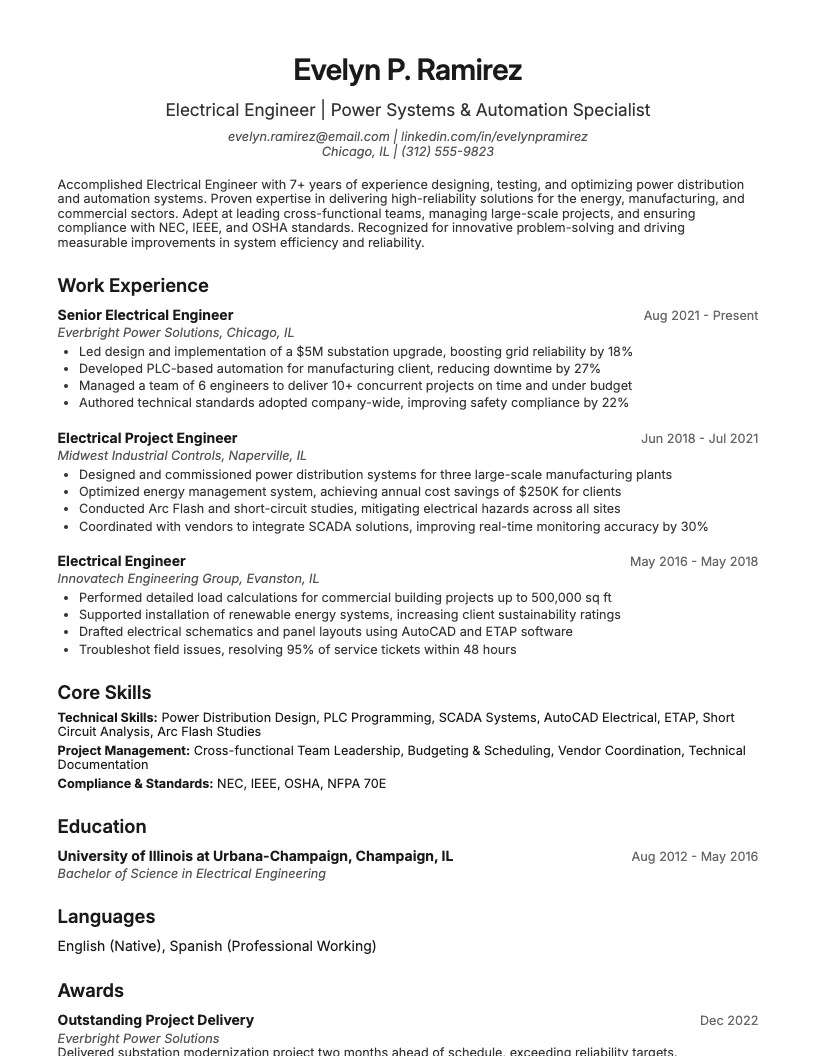 Click to enlarge
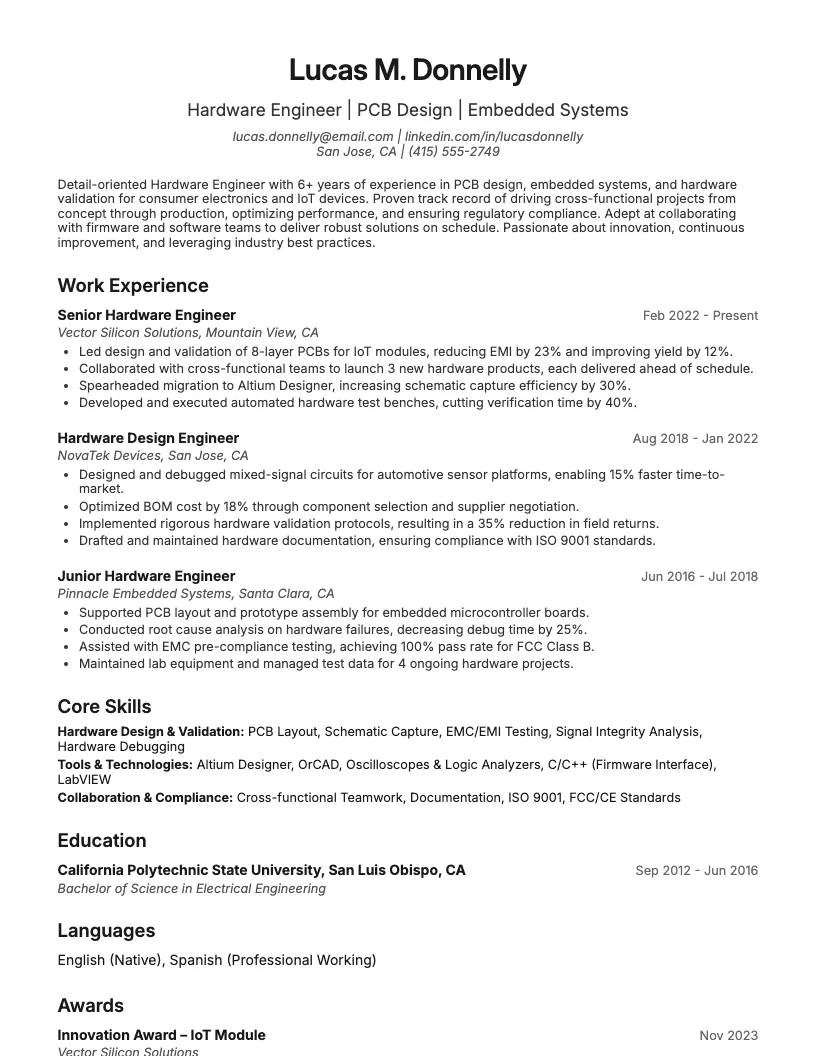 Click to preview

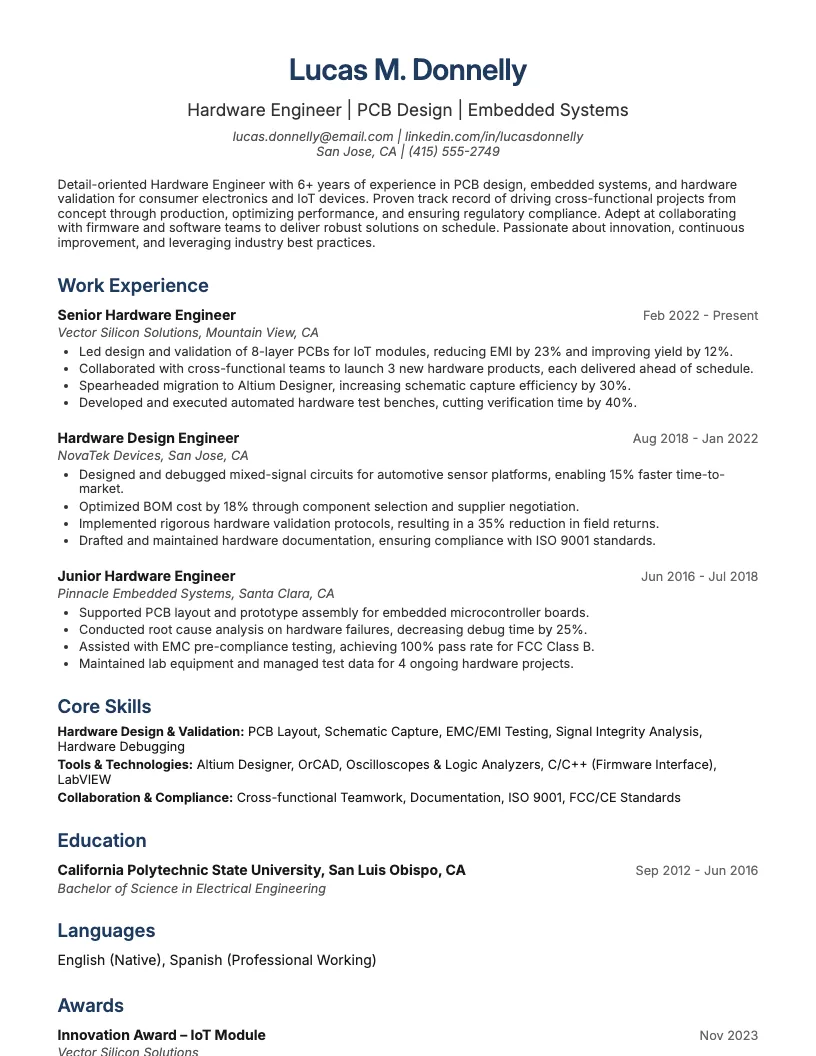
Get inspired by 50+ professional Hardware Engineer resume examples, each written by career experts and optimized to pass ATS scans. Pick a proven template, tailor it to your role, and download a polished resume in minutes.
Pick the specialization closest to your target role and start from a proven resume example.

Getting the format right is the first step. A clean layout helps your experience stand out and makes it easier for recruiters and Applicant Tracking Systems to scan your resume.
You want to include only the most relevant sections. I usually keep my resume under two pages, even with lots of experience.
Using clear fonts and simple formatting keeps things professional. Up next, I’ll break down which sections matter most and what recruiters actually look for.
Every hardware engineer resume should include a clear header, a summary or objective, professional experience, skills, education, and certifications. Each section adds value for recruiters and ATS scans.
I always start with a header that lists my contact info and a link to my portfolio. This helps hiring managers find my work and reach out fast.
You also want to dedicate space to your technical skills and relevant certifications. Industry stats show that 92% of hiring managers look for these sections first.
Recruiters want to see hands-on experience with hardware design tools like Altium, Eagle, or OrCAD. Listing specific tools you use helps your resume stand out.
You should highlight your knowledge of testing equipment-oscilloscopes, logic analyzers, and multimeters. Show that you know how to verify circuits and troubleshoot real hardware problems.
Demonstrate your understanding of communication protocols like I2C, SPI, UART, and USB. Recruiters look for people who can integrate these into complex hardware projects.
If you collaborate with software teams or manage cross-functional projects, mention it. This shows you can work on large-scale systems and communicate with different experts.
Finally, I always recommend including your experience with PCB layout, schematics, and component selection. Recruiters notice when you optimize for reliability and manufacturability-it’s a big plus.
Your resume summary or objective sits right at the top. It’s the first thing recruiters see, so it’s important to get it right.
A strong summary highlights your top skills and experience. An objective focuses more on your goals, which is great if you’re newer to the field.
Both options give you about three to five sentences to grab attention. When you use keywords from the job ad, you boost your chances of getting noticed.
Your resume summary should highlight key skills, measurable achievements, and relevant keywords from the job description. This helps recruiters spot your strengths right away.
I like to mention specific technologies-think FPGA, embedded systems, or PCB design. Adding numbers, like “cut manufacturing costs by 18%,” shows real impact.
If you’re switching fields or just starting out, focus on transferable skills and your drive to learn. Keep it concise-three to five sentences max works best.
Your experience section is where you show what you actually do as a hardware engineer. Recruiters want to see your impact, not just a list of job titles.
Highlight projects, numbers, and results. If you designed a PCB that cut costs by 15%, mention that. Show how you make things better, faster, or more reliable.
Use clear, active language. Keep your examples relevant to hardware engineering. This is your chance to show how you stand out in your field.
I always show measurable impact in my experience section. Numbers catch attention-think project counts, cost savings, or a percentage drop in hardware failures.
You can highlight things like a 15% increase in system uptime or cutting costs by $50,000. This gives recruiters a real sense of your technical value.
There are lots of ways to do this-mention how many servers you managed, or the size of the team you worked with. This helps show scope and responsibility.
Using strong action verbs catches a hiring manager’s eye. I always highlight words like designed, implemented, optimized, tested, and integrated throughout my experience section.
These verbs show I take ownership. For example, streamlined reduces confusion about my impact. Validated and troubleshot underline my technical skills. This helps recruiters see my value, fast.
Don’t just list responsibilities-focus on what you actually did. Use action verbs to show results, especially if you improved productivity or reduced costs by 20% or more.
If you’re just starting out, don’t stress about a thin work history. Showcase internships, class projects, or volunteer gigs that use your hardware engineering skills.
Highlight your education and certifications front and center. If you’ve passed the FE exam or earned a CompTIA certification, list it-it shows commitment to the field.
Transferable skills matter. If you communicate well, manage student teams, or troubleshoot tech issues, make that clear. Employers care about real-life problem-solving, not just job titles.
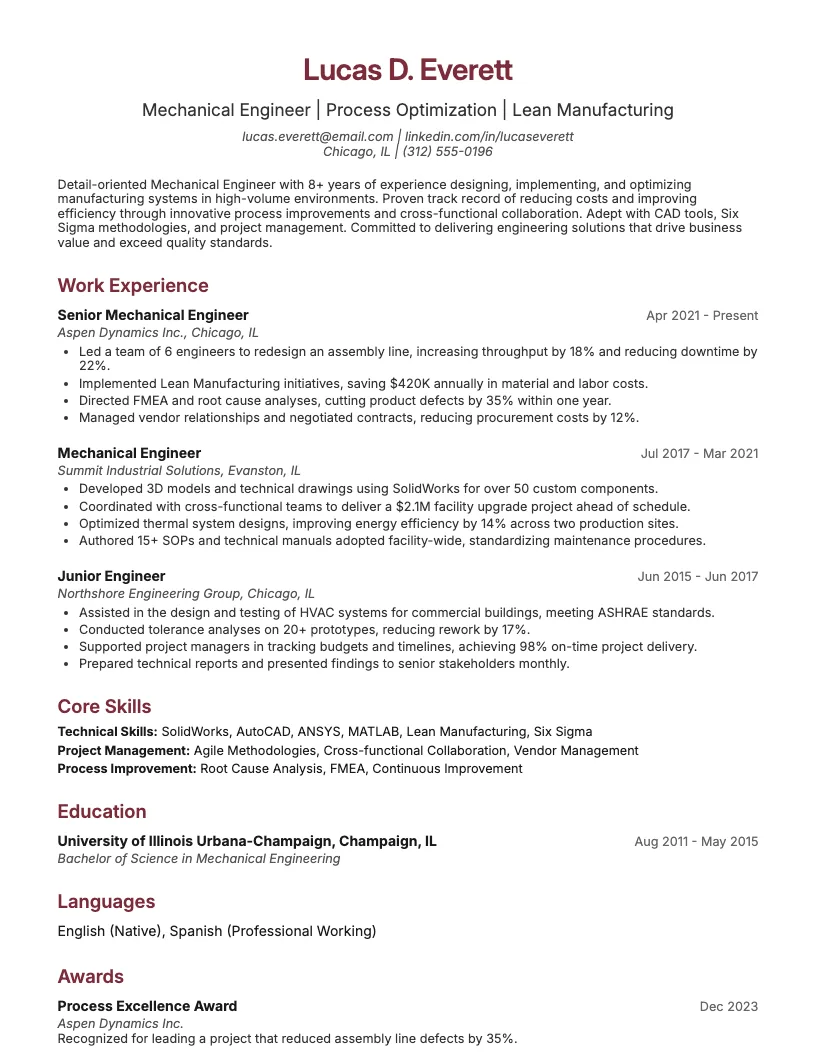
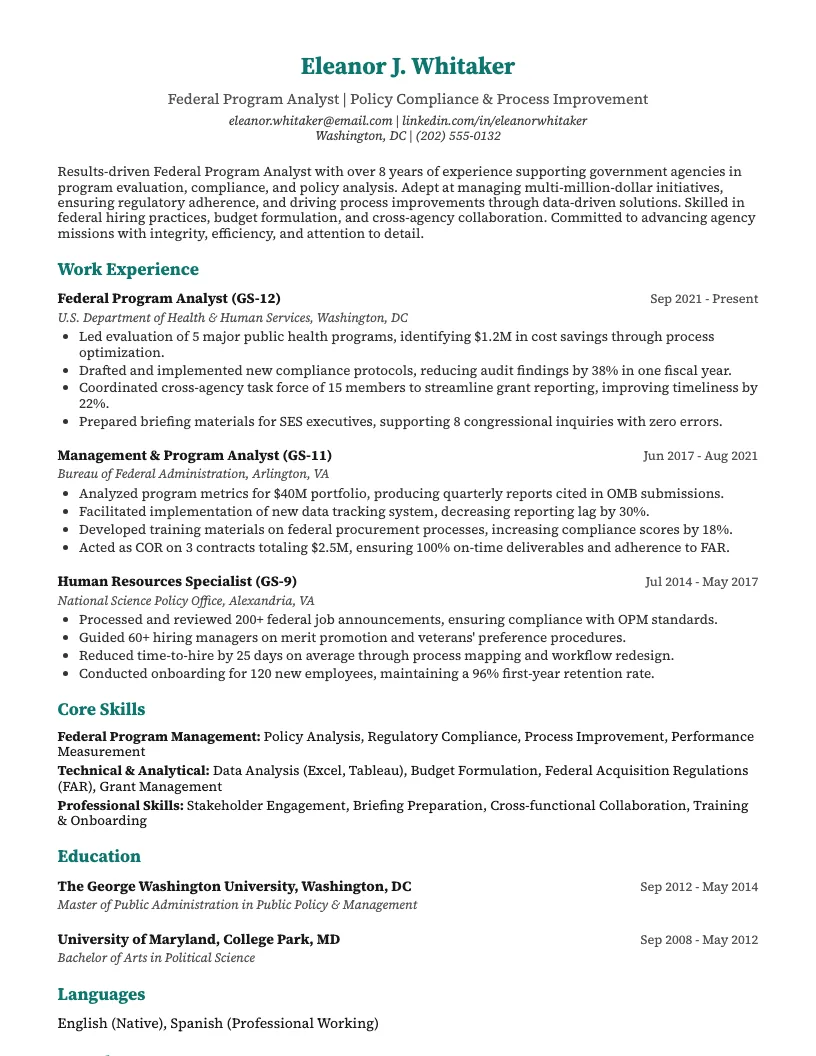
Here’s a lead electrical engineer resume sample to show how you can highlight leadership and technical impact, and you can also check out an electrical engineer cover letter for more ideas. I always include project budgets, team size, and quantifiable results.
You want to show off major achievements, like reducing costs by 15% or leading a team of 8 engineers. Listing certifications, like PE or Six Sigma, also stands out.
Tailor each bullet to the job description. This helps recruiters quickly see your fit for lead roles. Use clear, direct language-don’t overcomplicate things.
That wraps up ways to showcase your hardware engineering experience. With these tips and a strong lead electrical engineer resume sample, you’re set to impress.
If you want your hardware engineer resume to stand out, focus on both your technical abilities and the real results you deliver. Employers look for both.
I always highlight my experience with industry tools and my problem-solving wins. Combining hard skills and achievements shows you handle both the tech and teamwork sides of the job.
Certifications and education tell employers you’re serious about your hardware engineering career. Most hiring managers look for degrees and industry credentials right away.
If you’re still studying or have standout certificates, mention them up front. Listing relevant certifications and degrees can help you stand out even if you’re new to the field.
Certifications like CET (Certified Electronics Technician) or CID (Certified Interconnect Designer) really show you know your stuff, and pairing them with an electronics engineer cover letter can strengthen your application. Employers check for these on resumes all the time.
I always recommend listing industry-standard certifications near the top. This helps hiring managers spot your technical credibility fast, especially if you’re just starting out.
You can also go for PMP or Lean Six Sigma if you want to highlight project or process skills. About 30% of hardware engineers use these to stand out in competitive roles.
You can take your hardware engineer resume up a notch with a few extra sections. These let you show more of your skills, interests, and achievements.
Recruiters look for people who go beyond the basics. Projects, awards, publications, and hobbies help show what makes you different. Each section adds more depth to your story.
Hardware engineer salaries aren’t the same everywhere. Where you live can make a big difference in your paycheck.
I see a wide range of salaries across the U.S., from about $65,000 to over $130,000 a year. Some states offer more opportunities and higher pay.
Your hardware engineer resume needs a clean, professional format. Recruiters spend less than 7 seconds scanning, so clarity matters.
Highlight your technical skills, key projects, and measurable results. Tailor each section to match the requirements of the job you want.
Don’t just list tasks-show what you’ve achieved and how you solved problems. This gives your resume more impact and makes you stand out.
I know starting a new resume can feel overwhelming. Focus on the basics: a clean format, clear sections, and real numbers backing up your achievements.
You want your experience to stand out. Use bullet points, keep sentences short, and highlight both technical and soft skills.
There are plenty of free resume templates online. Pick one that keeps things tidy and professional, so recruiters spot your key info in under 30 seconds.
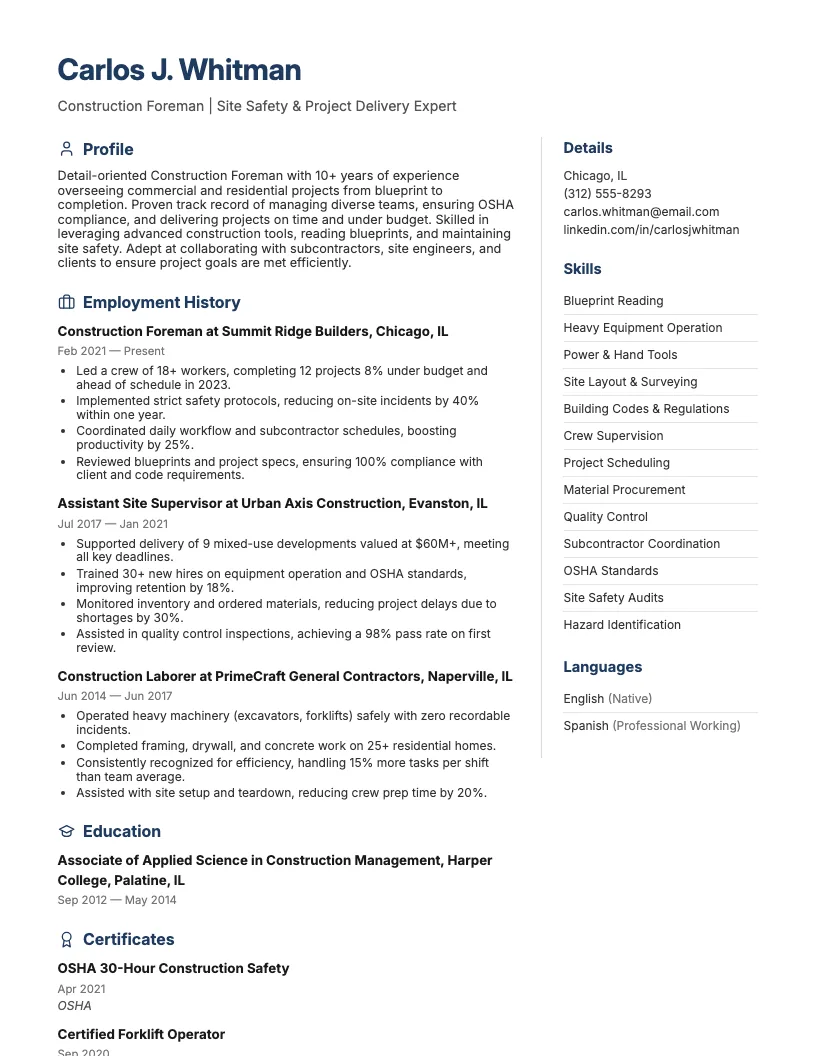
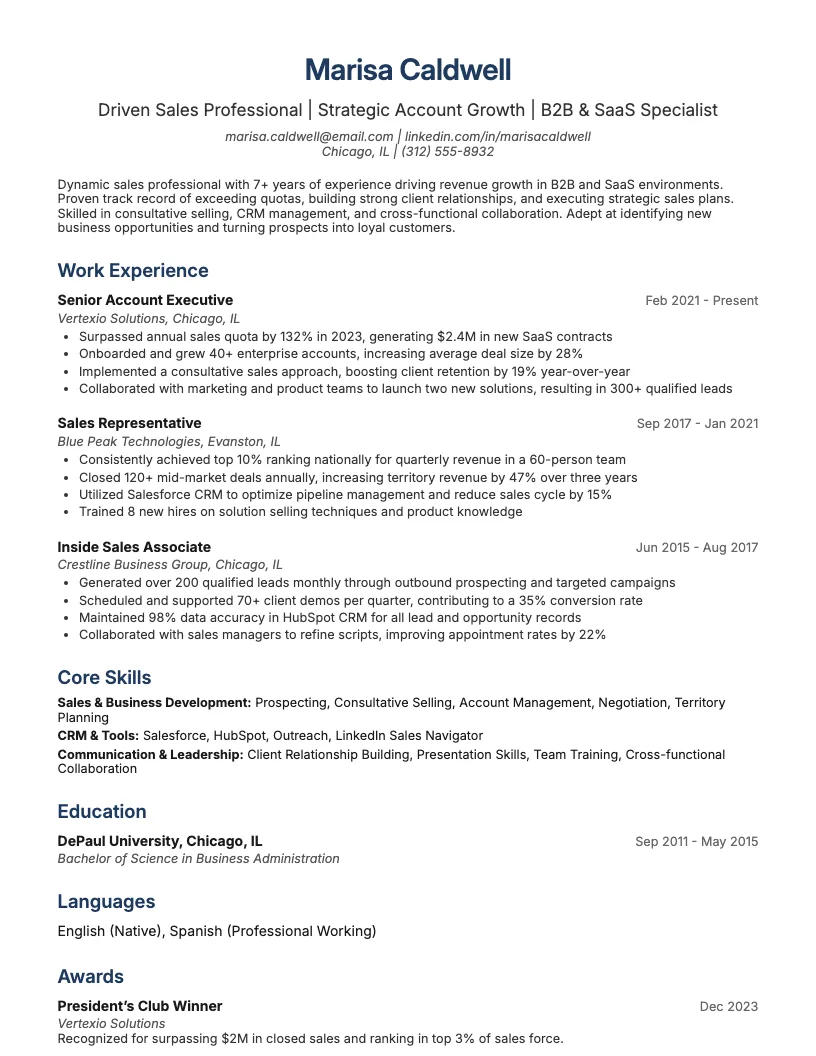
Browse Hardware Engineer resume examples for related roles. Preview any example, open it in the builder, or read its full guide.
Click to enlarge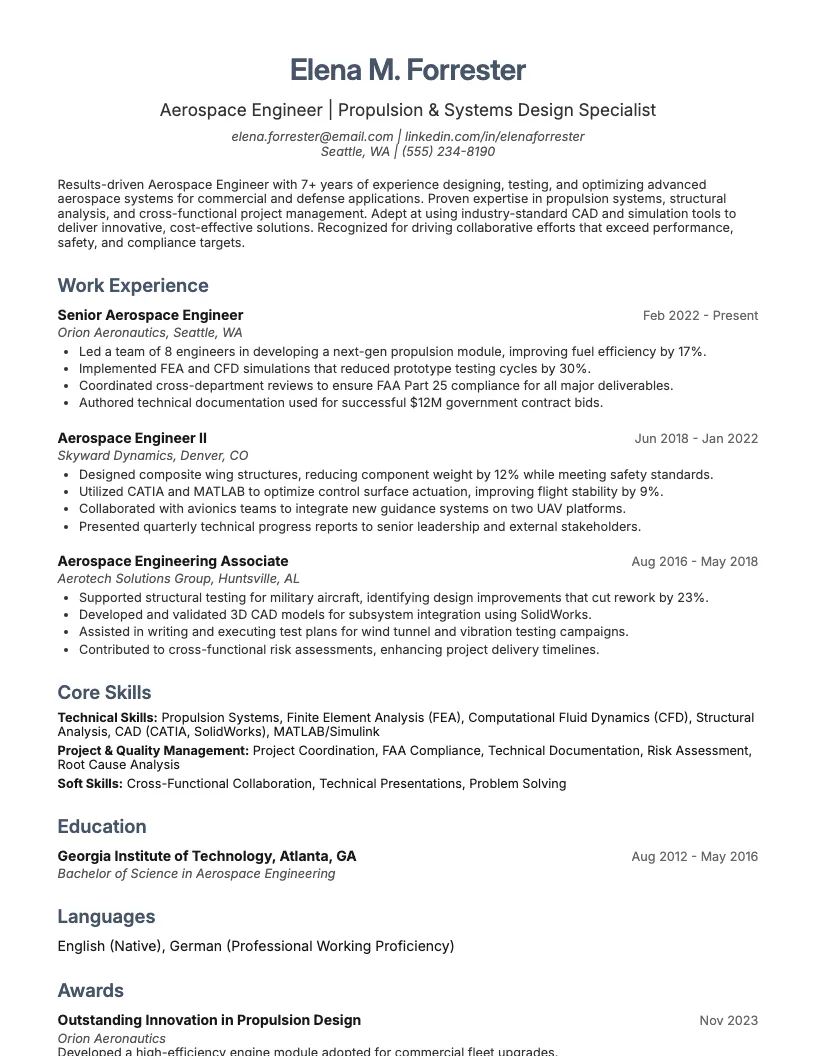 Click to enlarge
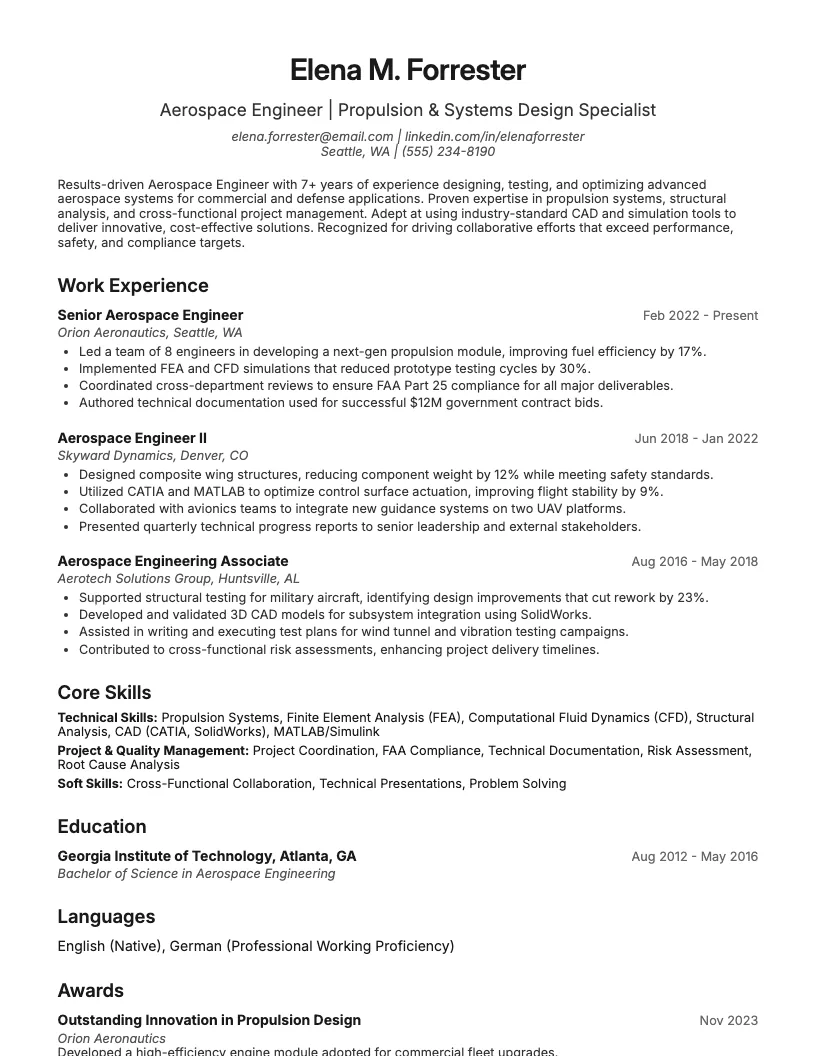 Click to enlarge Click to enlarge Click to enlarge Click to enlarge Click to enlarge Click to enlarge Click to enlarge
Common questions about Hardware Engineer resumes
A hardware engineer resume template is a pre-designed layout tailored for professionals in hardware design, testing, and development. It highlights skills, certifications, and project experience relevant to hardware engineering roles.
Yes, most modern hardware engineer resume templates are ATS-friendly, meaning they use clean formatting and keywords that work well with applicant tracking systems. ResumeJudge ensures all templates are optimized for ATS compatibility.
Use a hardware engineer resume template when applying to roles in electronics, semiconductor, automotive, or embedded systems industries. It’s also ideal for internships, entry-level, or experienced hardware engineering positions.
Absolutely! You can personalize sections like skills, certifications, and work history to match your experience. ResumeJudge makes customization easy so your resume stands out to recruiters and hiring managers.
Hardware engineer templates emphasize technical skills, design tools (like CAD), and hardware project experience, unlike generic templates. ResumeJudge offers targeted templates tailored for your specific engineering background.
Ideally, your hardware engineer resume should be one page if you have less than 10 years’ experience, or two pages for more extensive backgrounds. ResumeJudge’s templates help you keep information concise and relevant.
Yes, most templates have dedicated sections for certifications such as CompTIA, Cisco, or IPC. ResumeJudge’s templates make it easy to highlight your relevant credentials.
Yes, ResumeJudge offers templates designed for both entry-level and experienced hardware engineers, making it easy for recent graduates to showcase academic projects, internships, and technical skills.
Definitely! Hardware engineer templates are perfect for embedded systems positions, as they let you spotlight experience with microcontrollers, PCB design, and firmware development.
Yes, ResumeJudge templates are formatted for easy uploading to sites like LinkedIn, Indeed, and Glassdoor, ensuring your resume looks great and passes ATS checks wherever you apply.
Explore more professional resume examples to inspire your job search
Use our AI-powered resume builder to create a professional, ATS-friendly resume in minutes.
Free to use • No credit card required