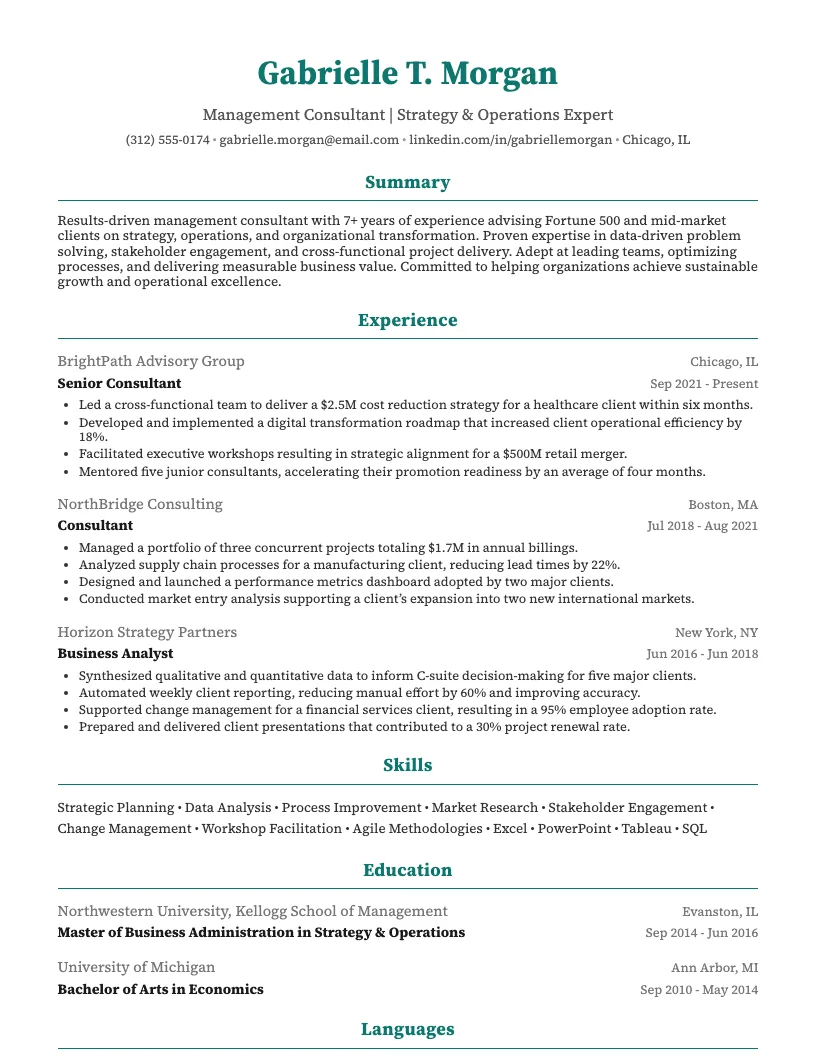
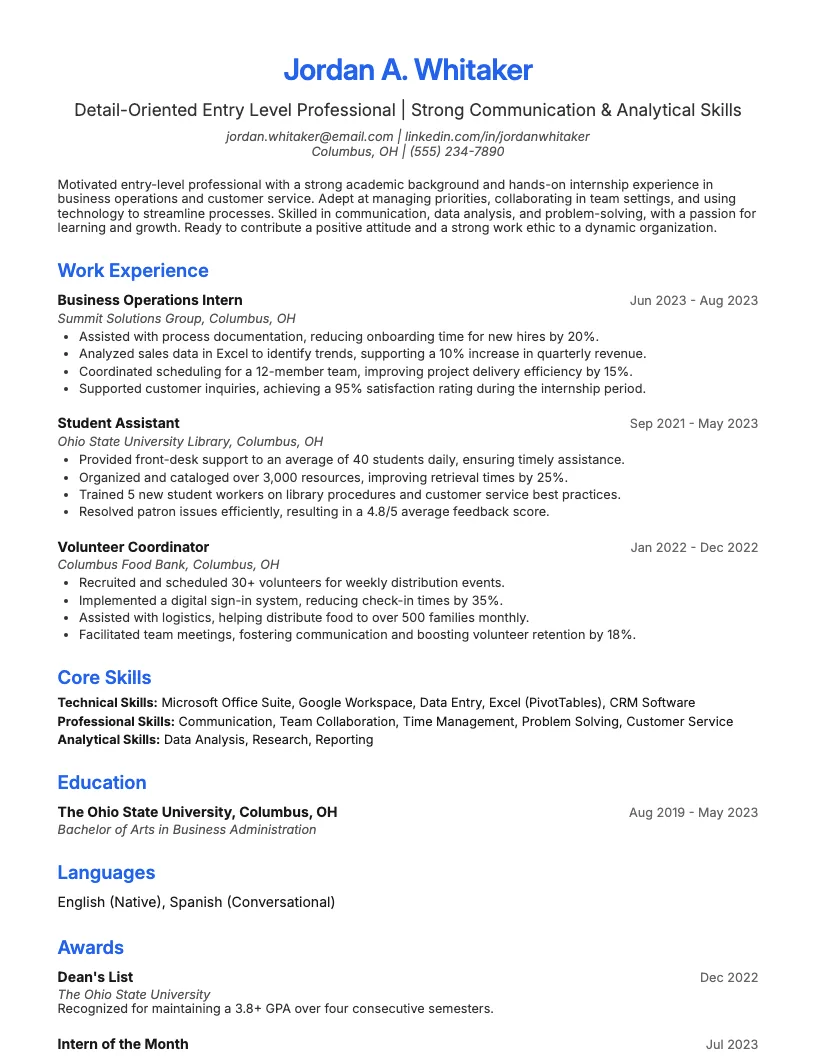
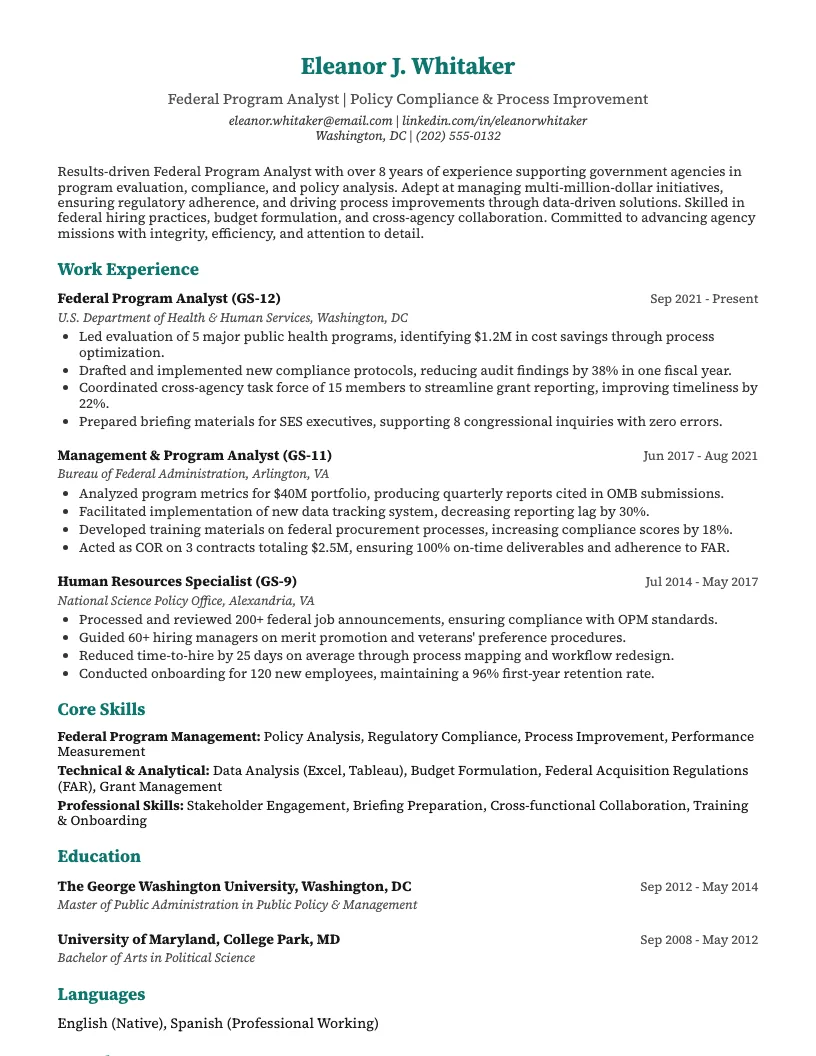
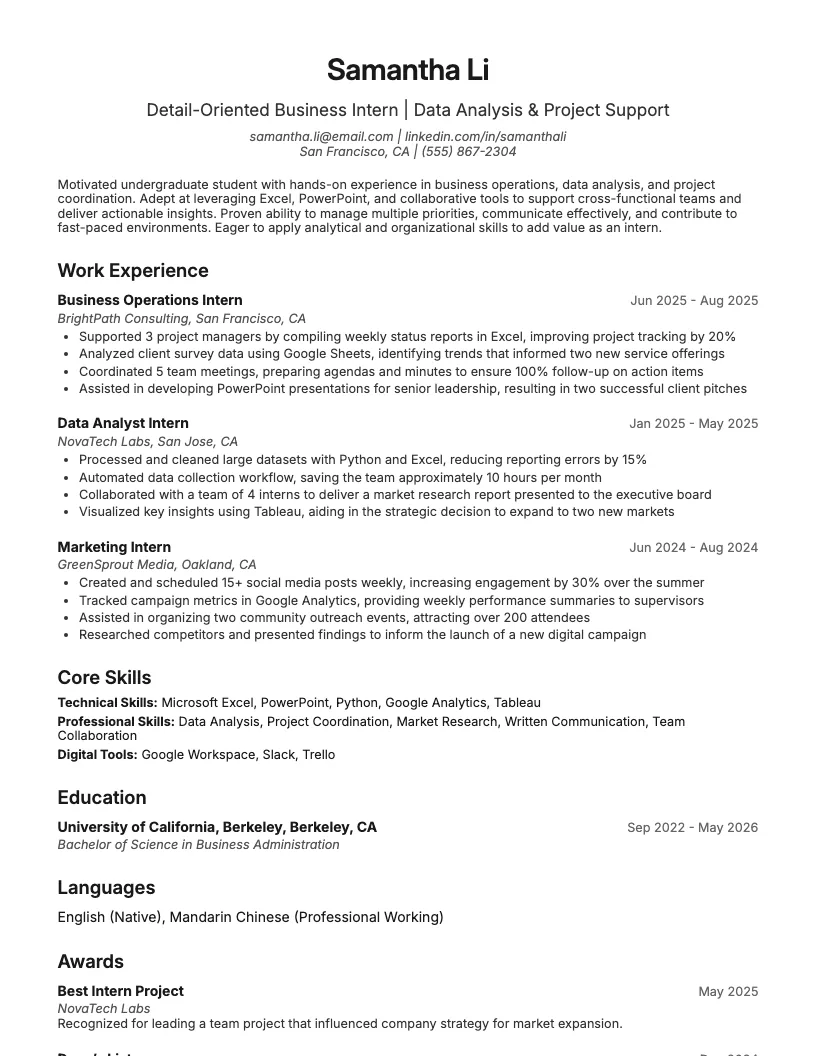
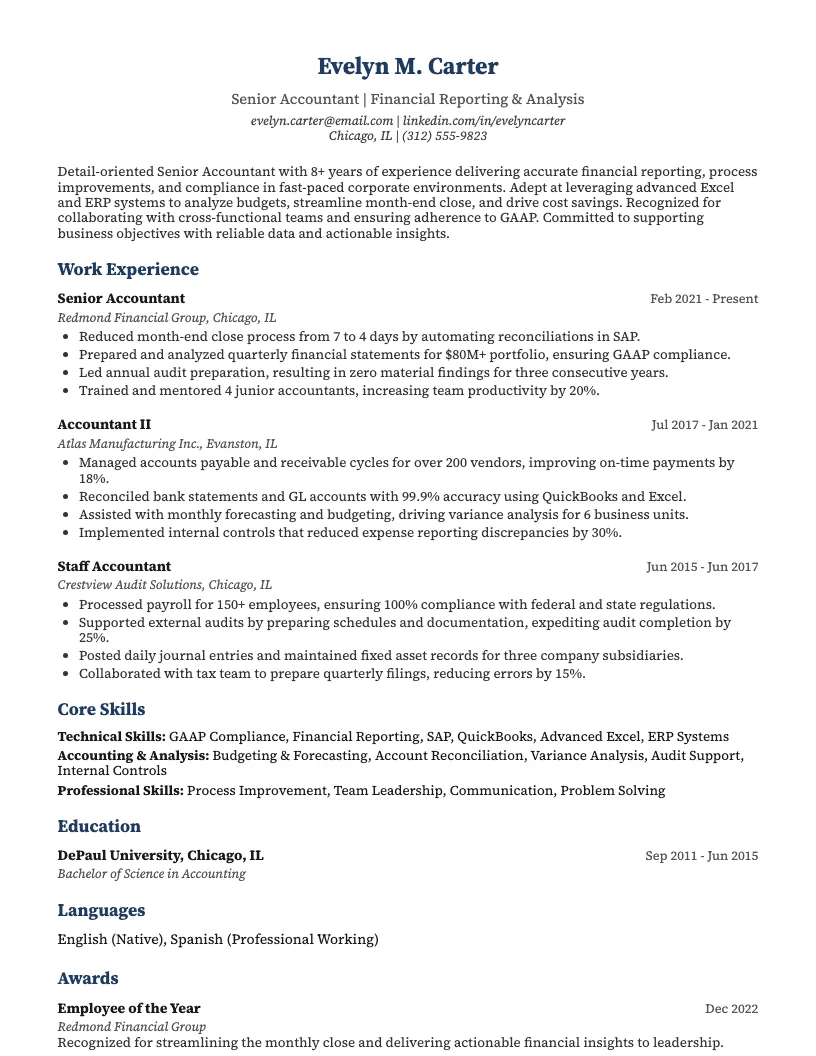
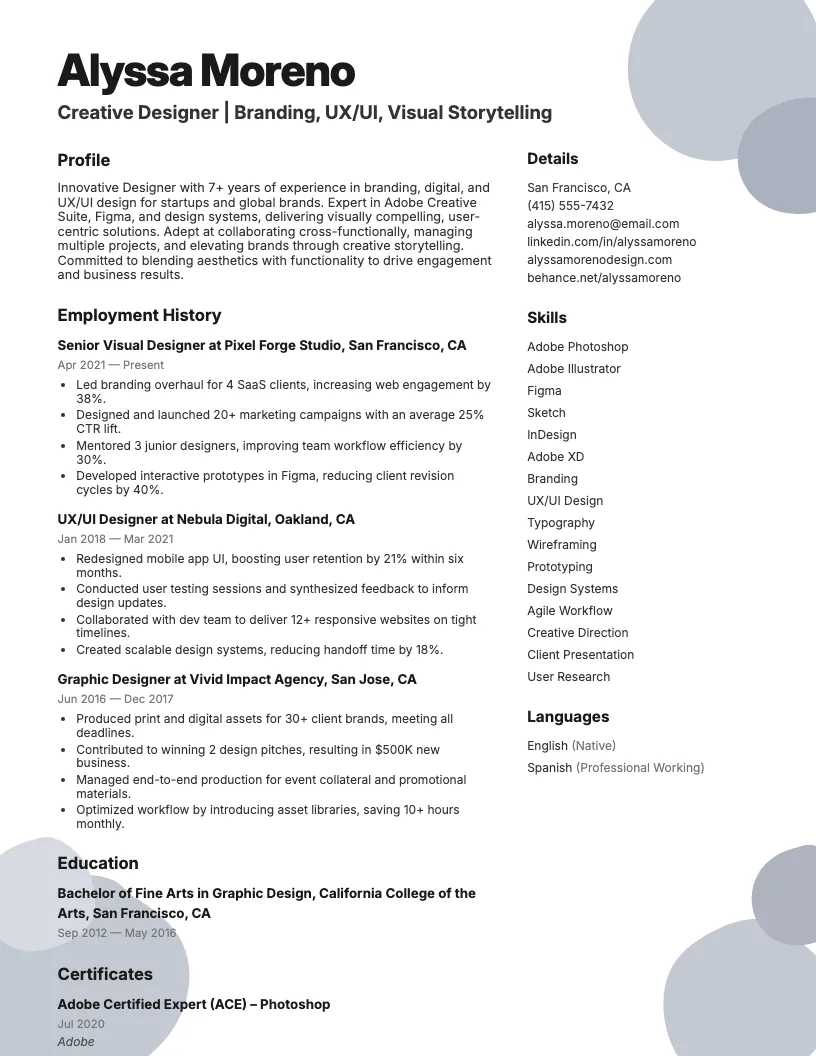
Facilities Manager Resume Example
See full guide on Facilities Manager resumes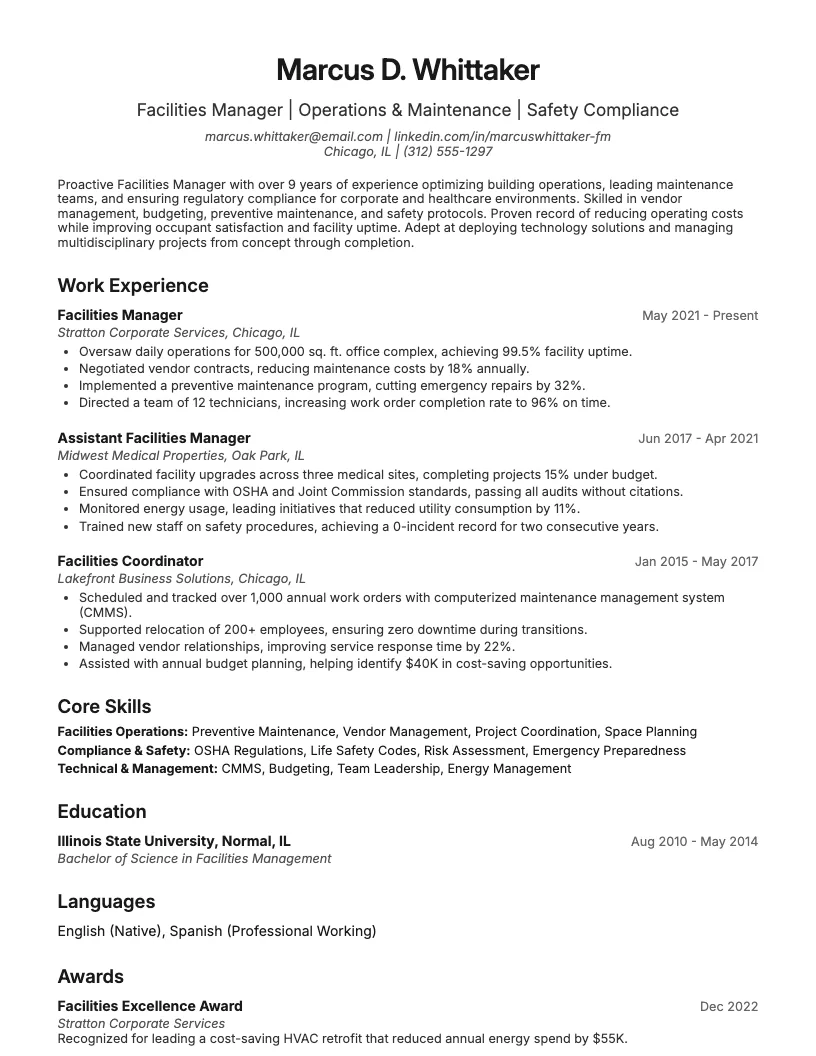 Click to enlarge
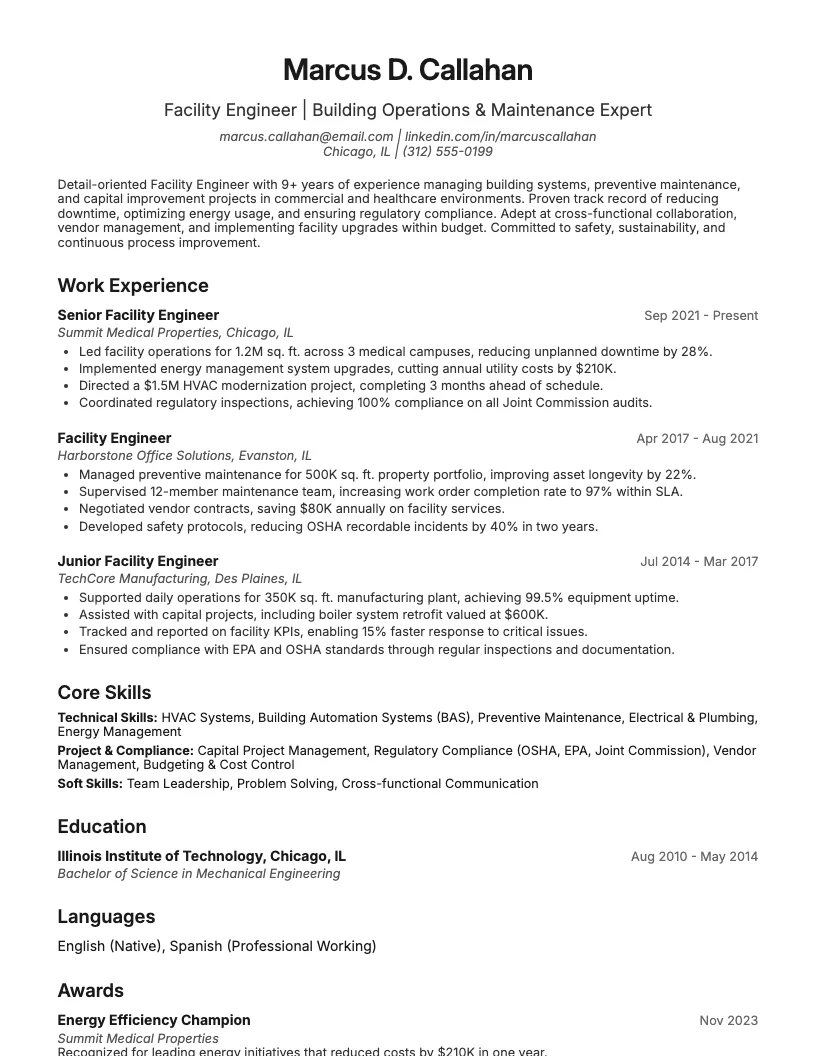 Click to preview

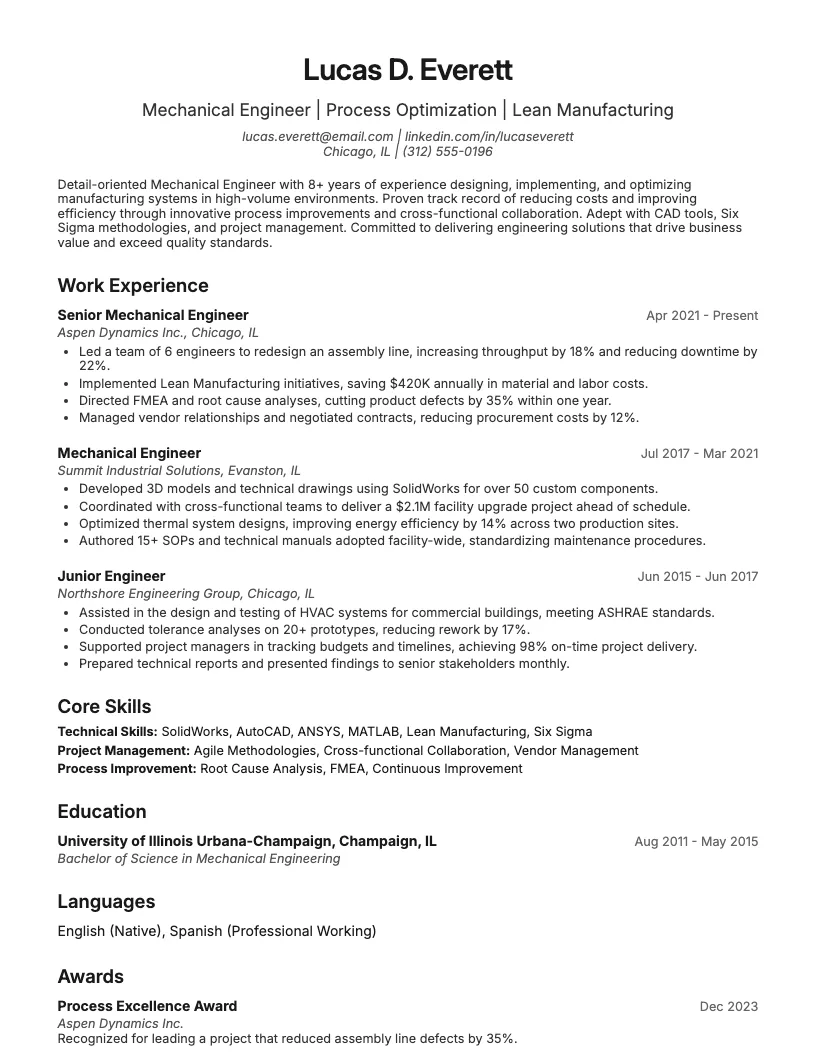
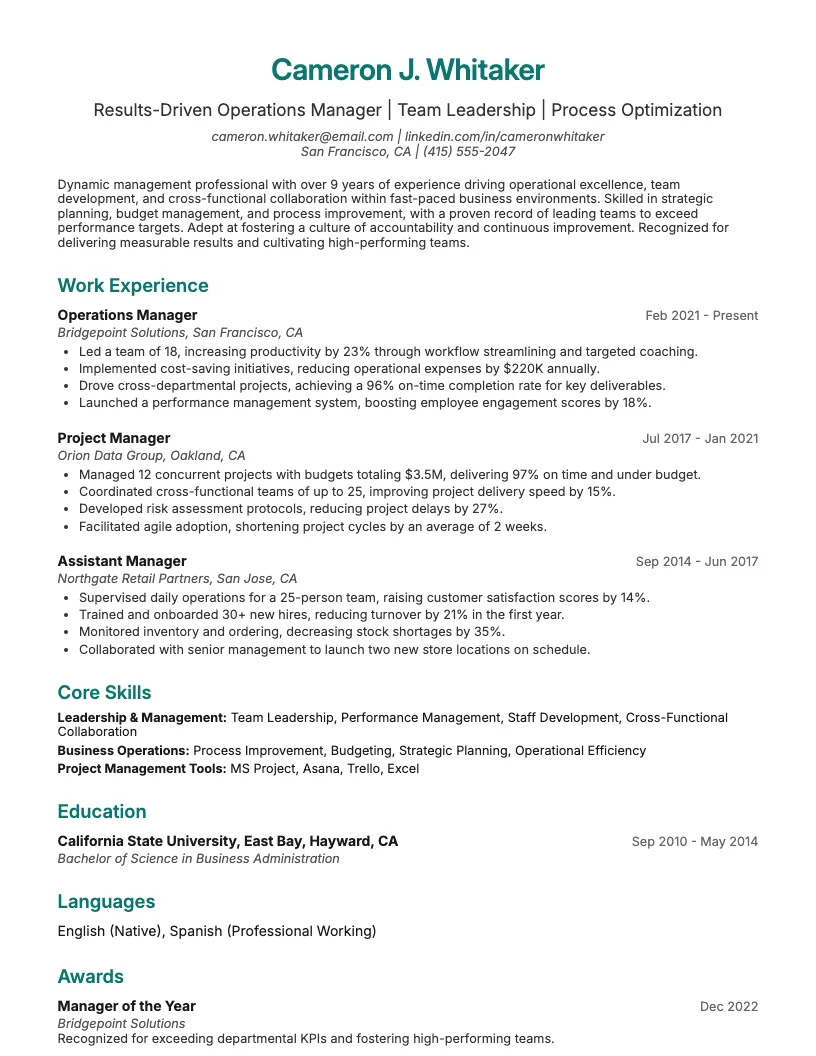
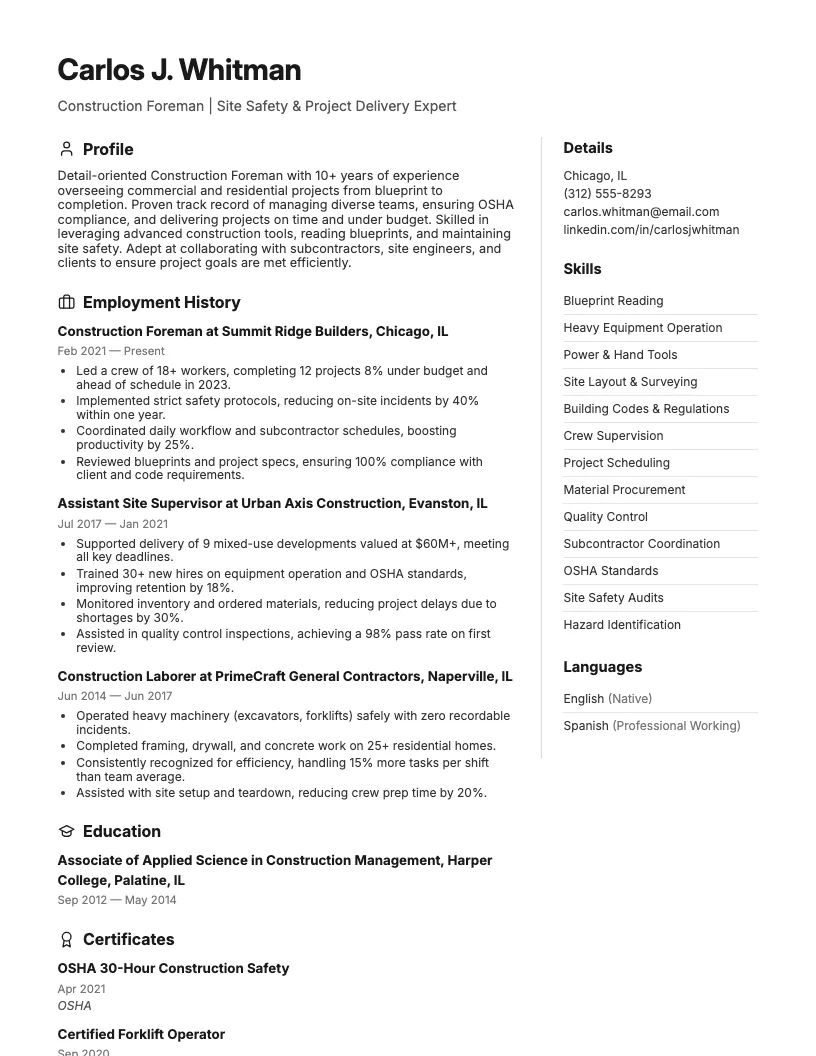
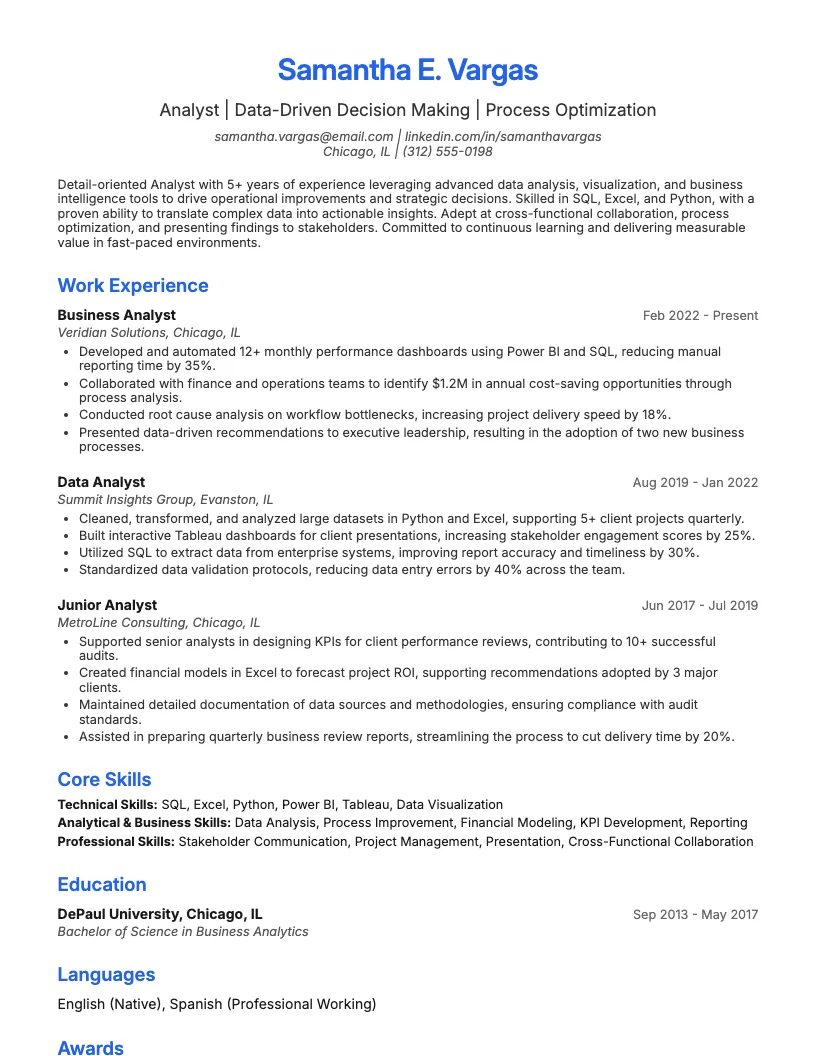
Get inspired by 50+ professional Facility Engineer resume examples, each written by career experts and optimized to pass ATS scans. Pick a proven template, tailor it to your role, and download a polished resume in minutes.
Pick the specialization closest to your target role and start from a proven resume example.
Facility engineers keep everything in a building running smoothly. I make sure systems, equipment, and processes work safely and efficiently every day.
I track costs, check regulations, and troubleshoot problems as they pop up. My job covers everything from technical repairs to managing big upgrades.
Writing a facility engineer resume means showing off your technical know-how and your ability to keep operations running smoothly. You want to highlight real results, not just daily tasks.
I always start with a format that gets my strengths noticed right away. A clean, clear layout helps hiring managers see my experience and skills fast.
I always start by picking a format that matches my experience. For facility engineers, a reverse-chronological format works for 90% of professionals in this field.
If you’re changing careers or have gaps, a functional or combination format might suit you better. These put your skills and certifications up front, rather than your job history.
Choosing the right format isn’t just about style-it helps recruiters spot your technical skills, project management, and facility oversight experience fast. This boosts your chances of getting noticed.
I always stick to a clean, easy-to-read layout. Use consistent fonts and plenty of white space. This helps recruiters scan your resume in under 10 seconds.
You want section headings to stand out-bold or slightly larger text works well. Avoid flashy colors or graphics, since most facility engineer roles value clarity over style.
Keep it all on one page if you have less than 10 years of experience. List things in reverse-chronological order so your most recent achievements show up first.
Facility engineering covers everything from HVAC to safety. Your resume should reflect your actual experience, not just your job title.
I see entry-level facility engineers highlight internships and certifications. Mid-level pros usually show project management and cross-functional teamwork.
Senior facility engineers lean on years of operations oversight or cost savings. I break down what works best at each level below.

A facility engineer resume stands out when you cover the essentials. Each section shows off your skills, experience, and training in a clear, direct way.
You want hiring managers to see your value fast. A smart summary, detailed job history, your education, and a focused skills list all help you do that.
I always recommend using numbers and real examples. This approach gives employers proof you can handle the job.
Your professional summary sits right at the top of your resume. This is where you grab attention and highlight what makes you a solid facility engineer.
I use 3-5 sentences here to showcase my top skills, biggest wins, and the impact I deliver. I focus on facts and numbers, not fluff.
You should tailor this summary to each job. Pull keywords from the job description, and don’t be shy about your achievements-this is your chance to make a strong first impression.
In this section, I show what I've done as a facility engineer, focusing on real results. I always use action verbs and numbers to prove my impact.
You want to list each job with your title, employer, and dates. Under each, add bullet points showing your biggest achievements-like reducing downtime by 15% or leading a team of 10 techs.
Highlight tasks that match the job you want. Things like optimizing maintenance schedules, managing budgets, or improving safety compliance stand out to employers—and you can show these skills in your cover letter as well.
There are no perfect rules, but I keep each bullet concise and specific. This helps a hiring manager picture exactly what you bring to the table.
I always include my formal education front and center on a facility engineer resume. Most employers expect at least a bachelor’s degree in engineering-mechanical, civil, or electrical.
If you’ve earned any certifications or honors, this is the place to highlight them. Listing your degree, graduation year, and school helps recruiters quickly check off minimum requirements—just like you would in an infrastructure engineer cover letter.
You don’t need to add high school once you’ve finished college. Instead, use that space for any specialized training or relevant licenses that set you apart from other candidates.
Your skills section is where you highlight what you actually do as a facility engineer. I always include a mix of technical and soft skills for balance.
List key abilities like troubleshooting, maintenance management software, and vendor management—all of which are valuable to mention in an electrical maintenance engineer cover letter. You can also add skills like analytical thinking and project coordination to round things out.
Tailor this section to match the job description. This helps you stand out and makes it easier for hiring managers to spot your strengths at a glance.
When I build a facility engineer resume, I focus on real projects and measurable results. You want your technical expertise to jump off the page.
Use clear section headings and keywords from the job ad. This helps your resume get past applicant tracking systems and in front of real people.
If you want to see what works on facility engineer resumes, you’re in the right place. I’ve pulled together real examples and tips from different industries.
Each example highlights skills, certifications, and results that employers look for. You’ll see what sets a successful facility engineer resume apart.
Browse Facility Engineer resume examples for related roles. Preview any example, open it in the builder, or read its full guide.
Click to enlarge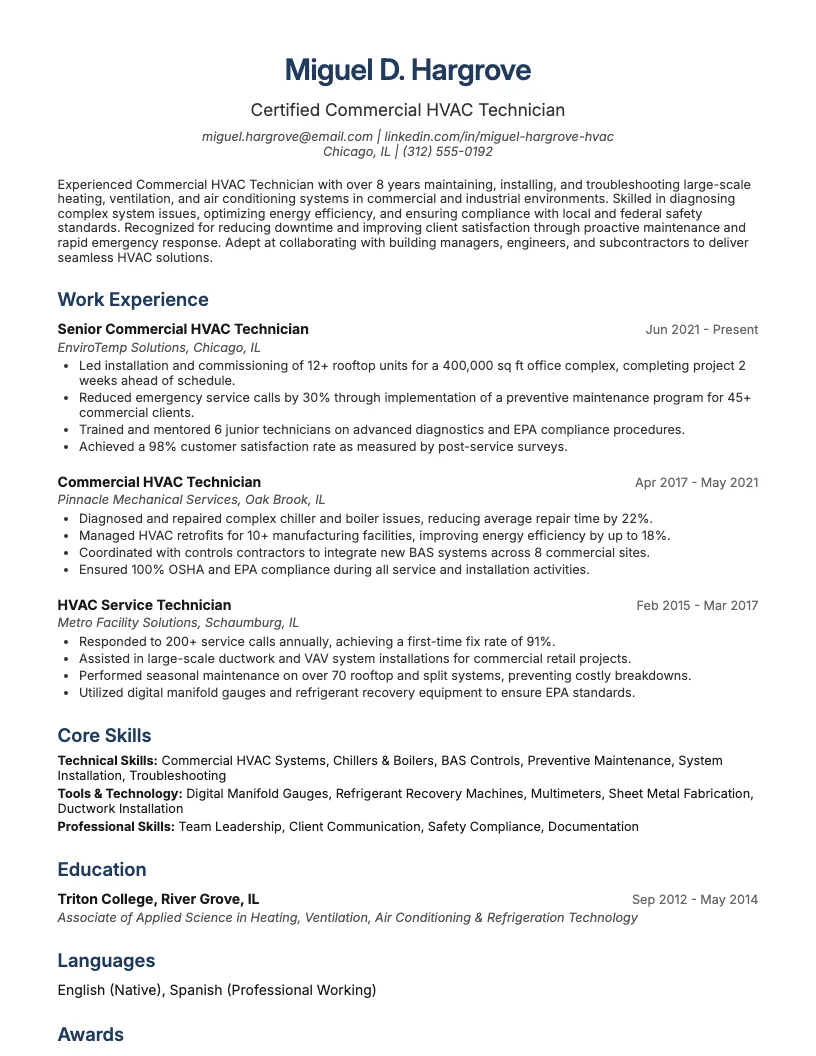 Click to enlarge
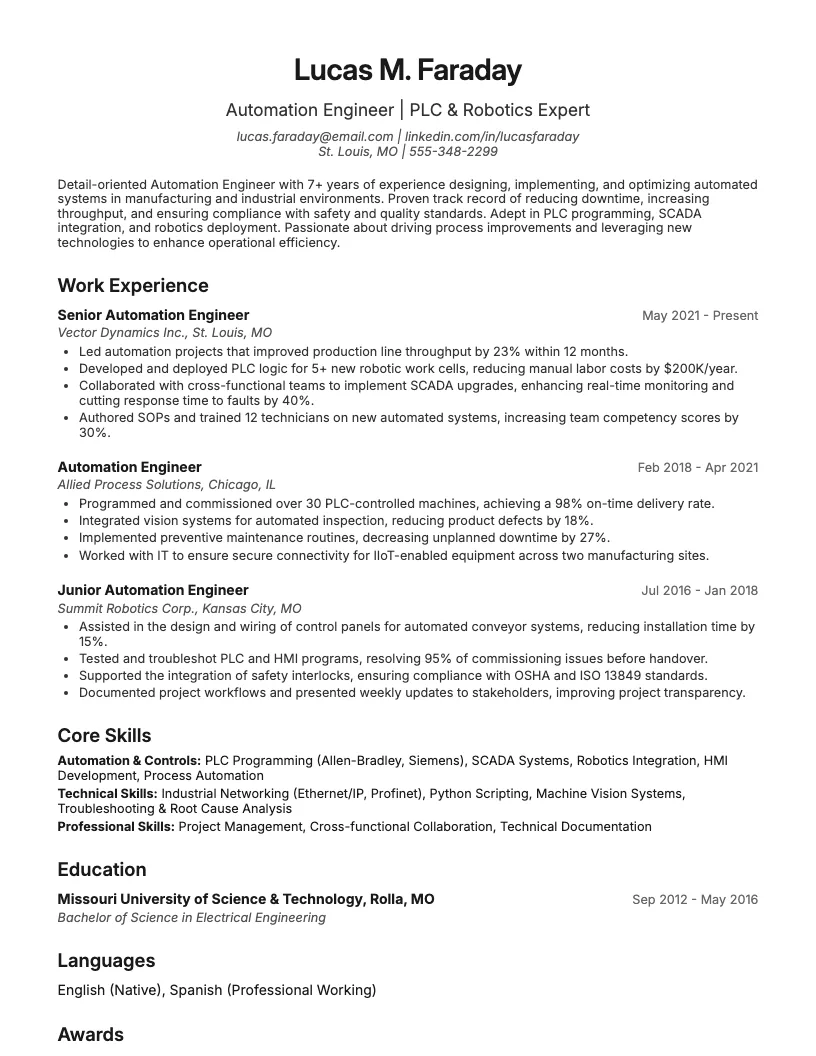 Click to enlarge
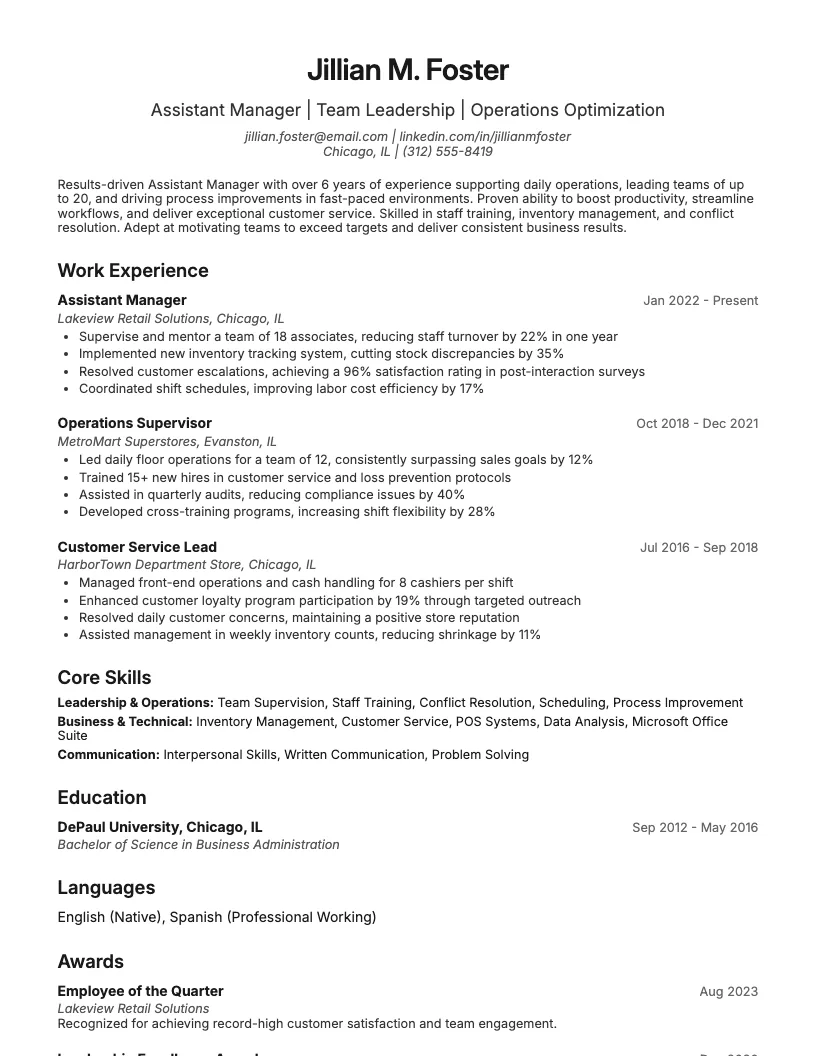 Click to enlarge
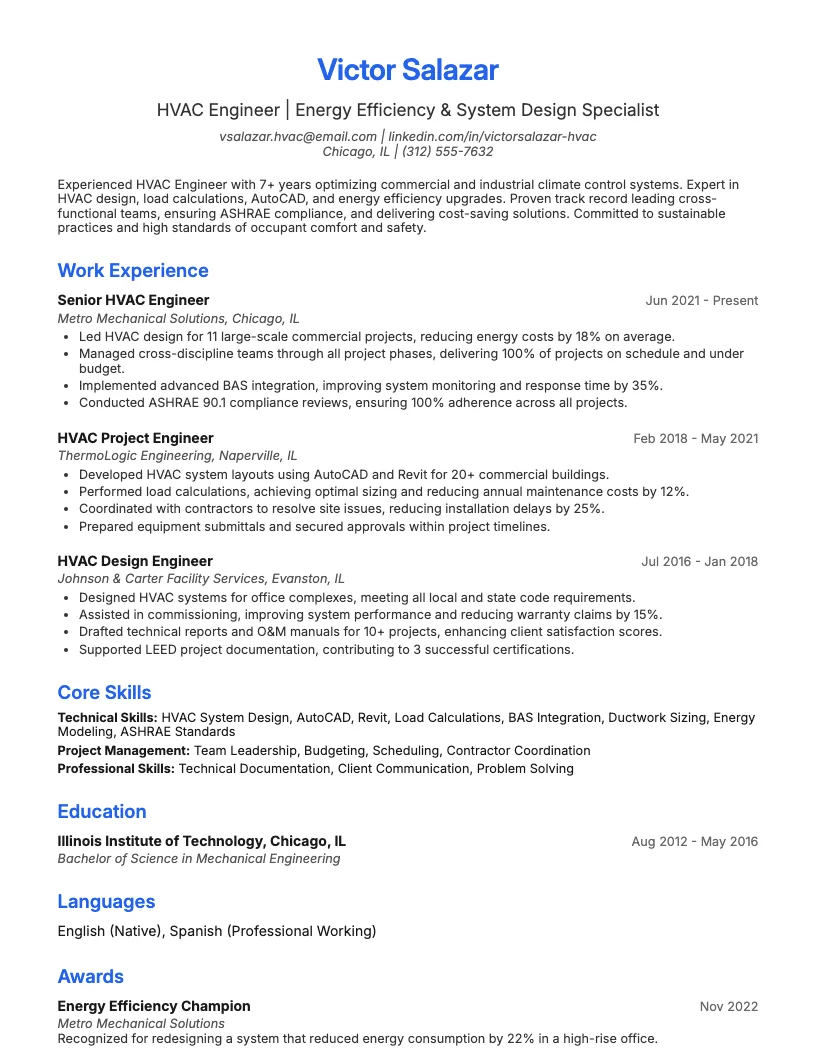 Click to enlarge
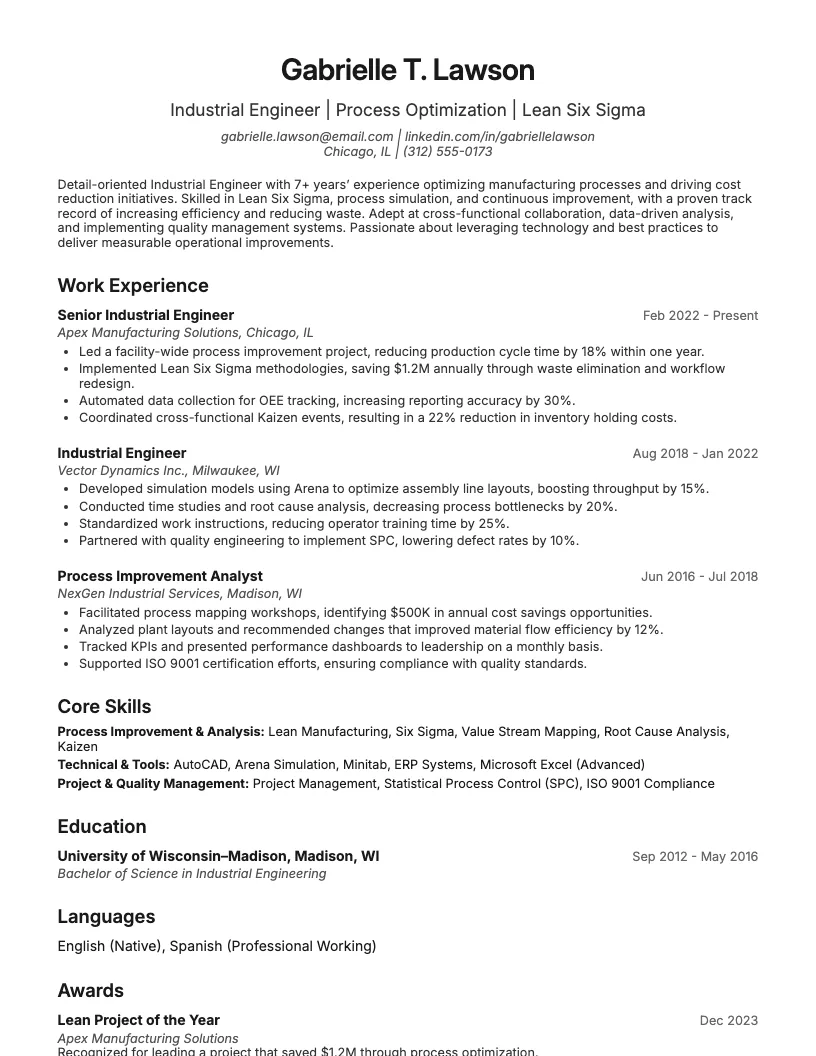 Click to enlarge
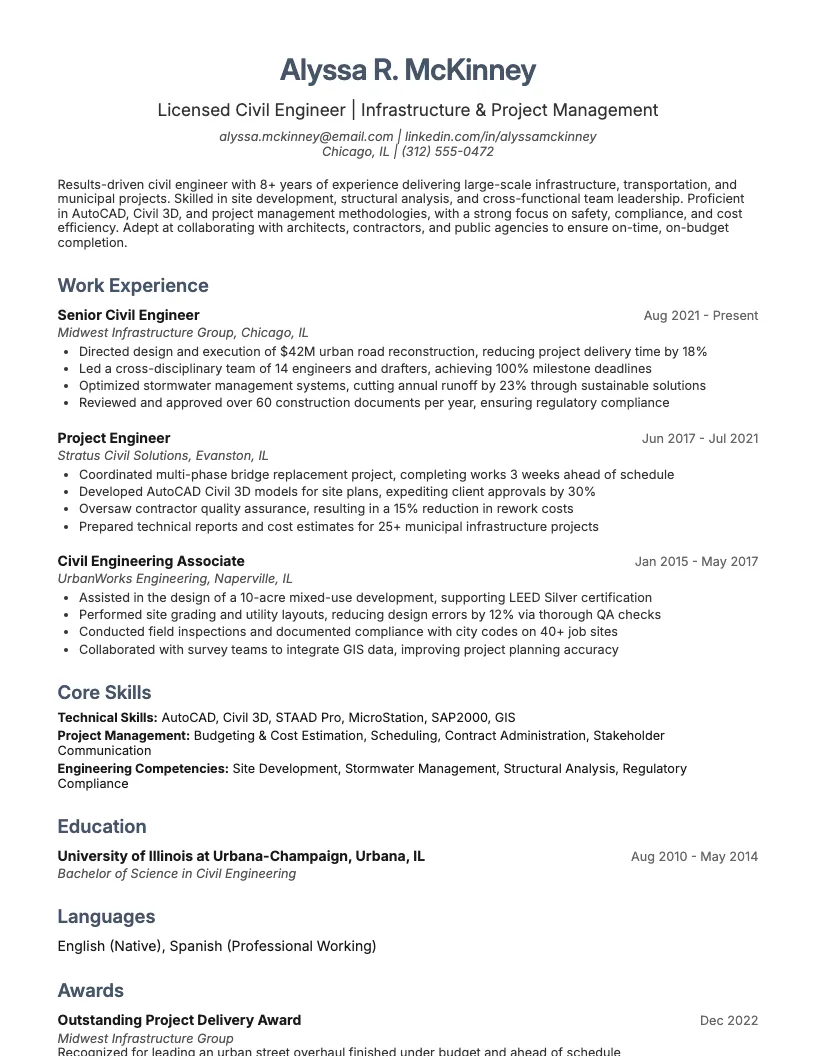 Click to enlarge
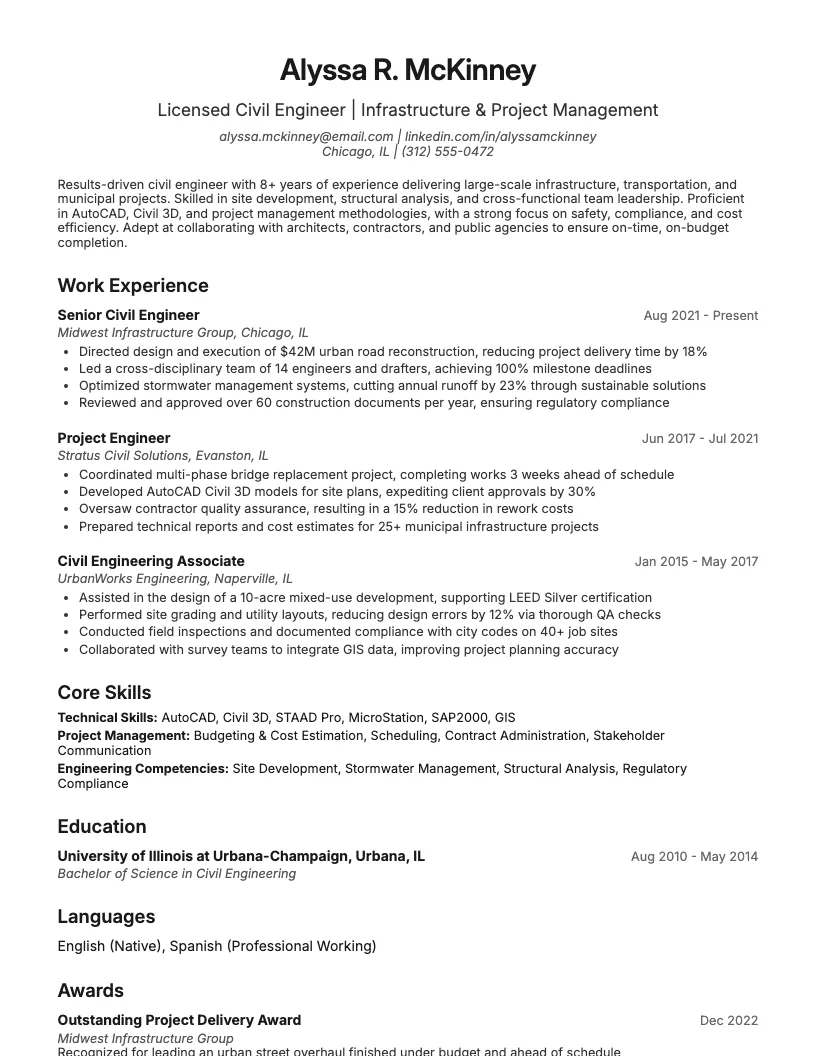 Click to enlarge Click to enlarge
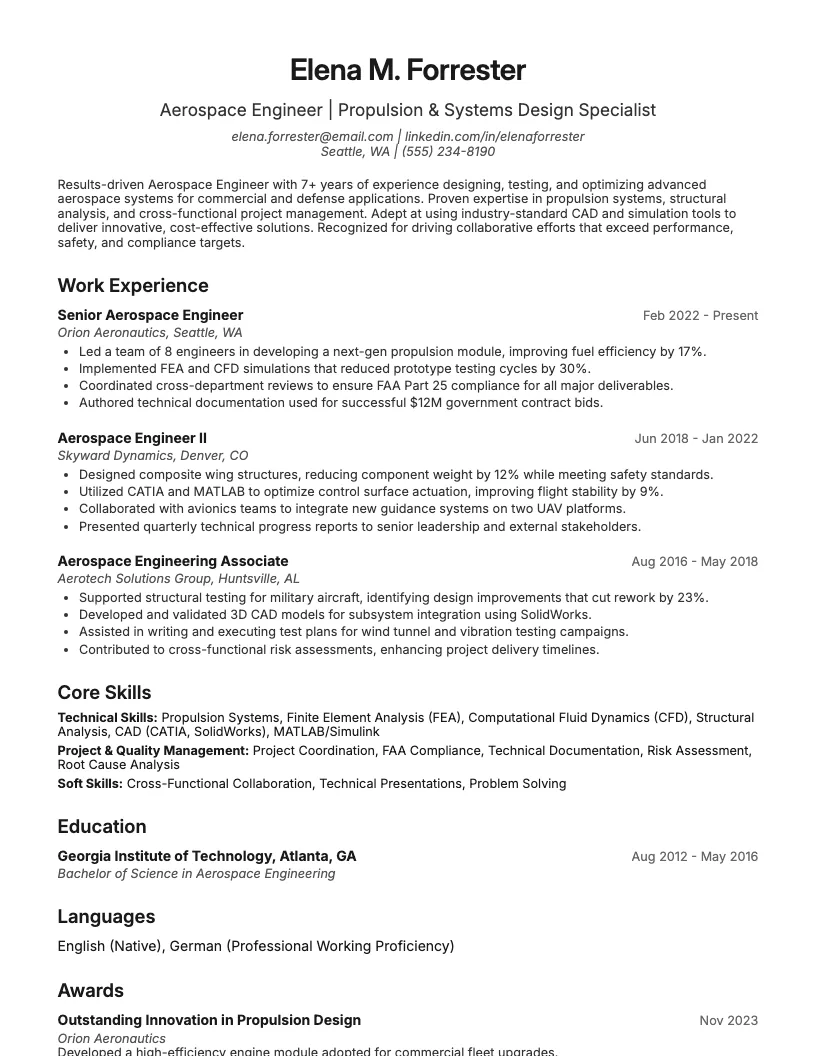 Click to enlarge
Common questions about Facility Engineer resumes
A facility engineer resume template is a pre-designed document tailored for professionals managing building systems, maintenance, or plant operations. It highlights relevant skills, experience, and certifications for facilities roles.
Yes, most facility engineer resume templates from ResumeJudge are ATS-friendly, meaning they use simple layouts and keywords that help your resume pass automated screening systems used by employers.
Use a facility engineer resume template when applying to roles in industries like manufacturing, hospitals, commercial real estate, or universities. It streamlines your application and showcases your expertise in facilities management.
Absolutely! ResumeJudge lets you easily customize templates by adding your own skills, certifications, and achievements, so your resume fits specific job requirements or industry needs.
Facility engineer templates emphasize technical and maintenance skills, compliance, and project management, while other templates may focus on sales, IT, or creative skills. ResumeJudge ensures each template fits its field.
A facility engineer resume should typically be one to two pages, highlighting recent roles, technical skills, and certifications. ResumeJudge formats help you keep content concise and focused.
Yes, most facility engineer resume templates include dedicated sections for certifications like LEED, OSHA, or PMP, making sure your qualifications stand out to employers.
Definitely! ResumeJudge offers templates suitable for both experienced and entry-level facility engineers, helping you highlight coursework, internships, or relevant hands-on skills.
Yes, these templates work well for contract, freelance, or consulting facility engineering jobs. You can easily showcase project-based work and short-term assignments using ResumeJudge templates.
Use a ResumeJudge template to highlight achievements, technical skills, and measurable results-such as cost savings or improved system efficiency-tailored to the specific facility or industry.
Explore more professional resume examples to inspire your job search
Use our AI-powered resume builder to create a professional, ATS-friendly resume in minutes.
Free to use • No credit card required