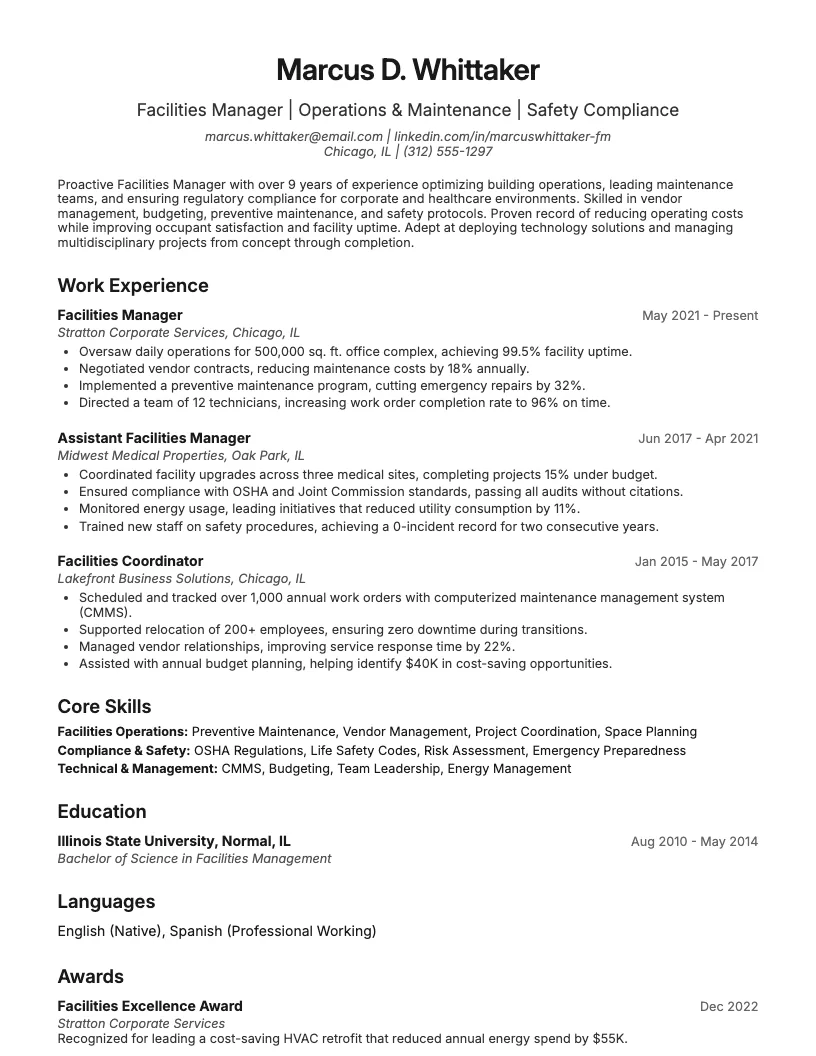
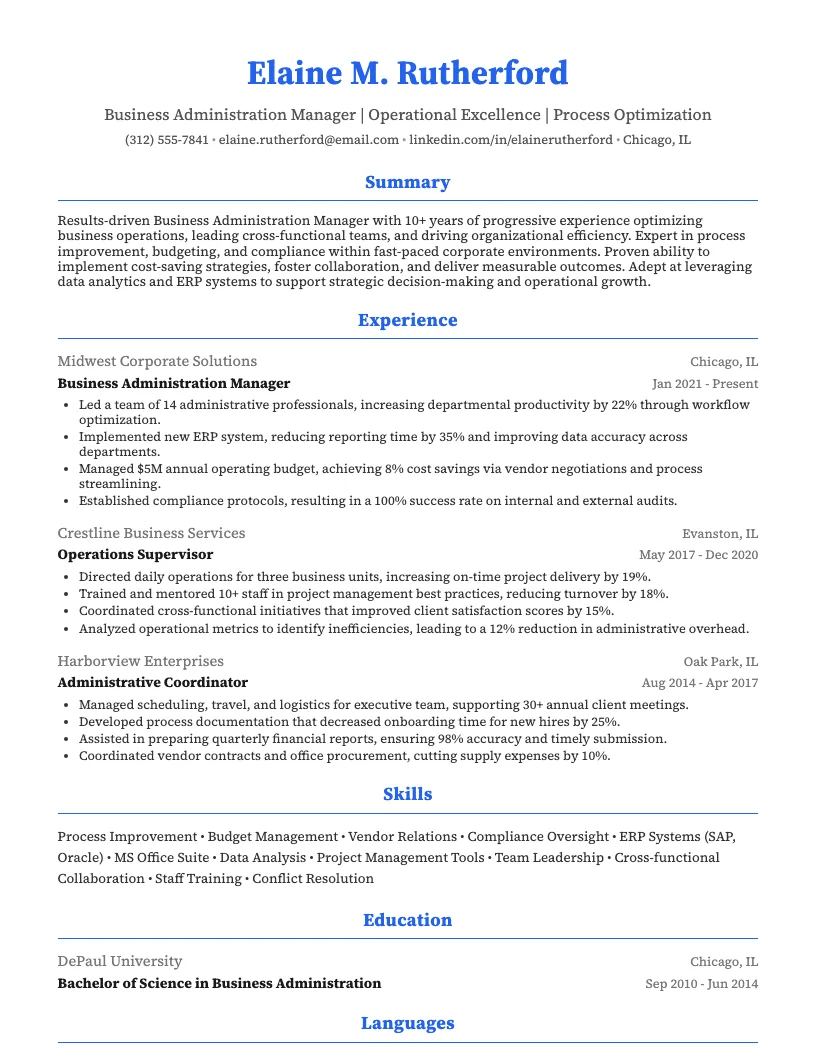
Assistant Facilities Manager Resume Example
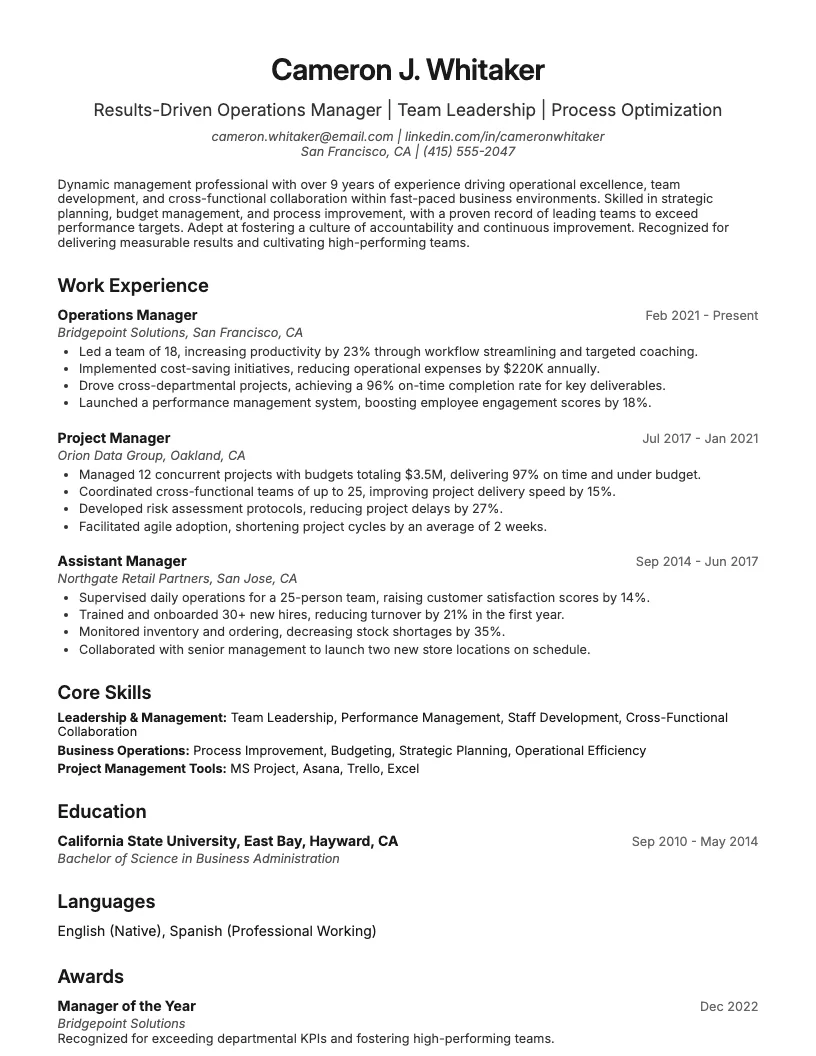
See full guide on Assistant Facilities Manager resumes Click to enlarge
 Click to preview

Get inspired by 62+ professional Facilities Manager resume examples, each written by career experts and optimized to pass ATS scans. Pick a proven template, tailor it to your role, and download a polished resume in minutes.
Pick the specialization closest to your target role and start from a proven resume example.

If you want your resume to stand out, format matters. Most recruiters spend just six seconds scanning your resume, so clarity is key.
I always stick to a reverse-chronological or hybrid format. These work best for showing solid experience and key skills together.
ATS systems scan most resumes before a person sees them. Using clear headings, keywords, and a PDF format helps your resume pass that first test.
Let’s get into the essential sections and what recruiters actually want to see on a facilities manager resume.
You want your facilities manager resume to look sharp and stay organized. There are a few sections that every hiring manager expects to see, no matter what.
Start with a solid header. I always include my name, contact info, and a clear job title. If you have a relevant certification, add it here.
Add a summary or objective section. This helps you quickly highlight your years of experience and your main achievements in facilities management.
Always include a detailed professional experience section. Use bullet points to show off your responsibilities and any measurable impact-think budgets managed or teams supervised.
Showcase your skills both in a dedicated section and throughout your experience bullets. This makes your resume more searchable, especially for ATS software.
List your education and any certifications. Facilities management often values credentials like a CFM, so don’t skip this part.
If you have a portfolio, relevant project links, or a cover letter, drop those in too. It’s a great way to show real-world results.
Recruiters want to see hands-on experience in operations and maintenance. If you’ve led teams or managed building systems, show concrete results-like reduced costs or improved efficiency.
They also look for budgeting and compliance skills. Highlight any experience with financial forecasting, regulatory audits, or safety inspections. Numbers matter-think budgets managed or compliance rates achieved.
Don’t forget leadership. If you supervise staff or vendors, mention it. Use specifics-like managing a team of 15 or coordinating multiple projects at once. This helps you stand out.
The summary or objective on your facilities manager resume is your first impression. It shows your main strengths and how you fit the job.
You want to highlight your skills, experience, and what you bring to the table. Keep it short-four or five sentences max.
A good summary or objective can set you apart from other candidates. It gives hiring managers a quick look at your background and goals, making it easier for them to see your value.
A strong facilities manager summary highlights your core strengths-think project management, regulatory compliance, and budget control. I like to mention specific improvements, like reducing costs by 15%.
You want to show leadership, too. Leading teams, handling emergencies, or overseeing vendors all count. Numbers help: “Managed 10+ buildings” or “decreased downtime by 20%” really stands out.
Keep your summary short-no more than five sentences. Focus on relevant achievements and your vision for adding value. This helps recruiters see you as a problem solver right away.
You want your facilities manager resume to show concrete results, not just daily tasks. I focus on achievements, numbers, and the problems I solve.
It helps to highlight measurable impact-like cost savings, efficiency gains, or team leadership numbers. Recruiters look for real results and clear examples of how you add value.
When I write my resume, I always back up my achievements with numbers. Saying, “I managed 500,000 sq. ft of facility space,” instantly shows my scope.
You can highlight cost savings, like “reduced energy bills by 15%,” or mention the number of maintenance requests handled monthly. This gives recruiters real context.
There are lots of ways to showcase your results-include project budgets, audit pass rates, or occupancy increases. This helps your experience stand out with solid, measurable facts.
Choosing the right action verbs makes your facilities management experience stand out. I use words like orchestrated, streamlined, or optimized to show leadership and problem-solving skills.
You want verbs that highlight results. Try implemented, coordinated, monitored, or upgraded. These show you take initiative and drive improvements in daily operations.
Mix in numbers when possible. Saying "Reduced energy costs by 18% through upgraded systems" sounds stronger than "Responsible for utility bills." Action verbs help you prove your impact.
If you're new to facilities management, don’t leave your resume blank. Volunteer experience counts, especially if you helped coordinate events, maintain spaces, or lead a team.
You can list internships, even if they were short or unpaid. Focus on what you learned. If you supported building projects or tracked maintenance schedules, highlight those tasks.
Transferable skills matter. I often mention customer service, organization, or teamwork from previous jobs, and I always include a cover letter to highlight these strengths. These show you can manage people and solve problems-key parts of facilities management.
Wrap up this section by showing your willingness to learn. Certifications or online courses, even free ones, help show your commitment to the field.
When I build a facilities manager resume, I focus on both hard and soft skills. Employers look for technical know-how and the right personality in one package.
You want to show off your experience with building systems, safety procedures, and people management. Mixing technical and interpersonal skills helps you stand out to hiring managers.
Your certifications and education show you’re serious about facilities management. Employers check these sections to see if you meet their requirements and industry standards.
If you want to stand out, highlight what’s most relevant. Pick degrees or certificates that match the job posting and show off your expertise.
Certifications like the Certified Facility Manager (CFM) and Facilities Management Professional (FMP) from IFMA really stand out. About 60% of top facility managers hold one of these.
You can also look at the Certified Manager of Commercial Properties (CMCP) or the Sustainability Facility Professional (SFP). These show you’re serious about efficiency and green building.
I always recommend you list your certification’s full name, institution, and license number. This helps HR verify your credentials and makes your resume look more legit.
Want your facilities manager resume to really stand out? You can add a few extra sections that highlight more than just your work history.
Things like awards, interests, or special projects show off your skills and personality. Recruiters like seeing what you bring outside of daily duties.
If you have publications or industry involvement, that's worth sharing too. These sections help you show you're active and engaged in your field.
Facilities management covers everything from daily building operations to project management. Your resume needs to show your skills and achievements, no matter your background.
Whether you’re just starting or have 10+ years in the field, your experience changes how you approach your resume. I’ll break down examples for every level.
If you’re wondering what facilities managers earn across the U.S., you’re not alone. Salaries shift a lot depending on where you work.
I always check state-by-state data before making career moves. It helps to know what to expect, whether you’re just starting out or looking for a raise.
Building a solid facilities manager resume means focusing on clarity and relevance. Every section should show your skills, experience, and certifications that match the job.
Tailor your achievements to what hiring managers want. Use numbers or results to show real impact, like managing a team of 10 or cutting costs by 15%.
Don’t forget to list relevant certifications. These show your commitment and help your resume stand out, especially if you’re aiming for a specific industry niche.
Getting started feels overwhelming, but I promise-focusing on relevance makes a huge difference. Tailor every section to match the job description you want.
Highlight achievements with numbers, like cutting costs by 10% or managing teams of 15+. This helps your resume stand out to hiring managers right away.
Don't forget to add a cover letter to your application along with industry-recognized certifications. Certifications like IFMA CFM or OSHA 30 show your commitment and expertise in facilities management.
If you're looking to expand your options, you might want to check out other roles in facilities and property management. Sometimes skills overlap across different job titles.
I see a lot of people transition from facilities management into roles like maintenance supervisor or operations manager. Knowing what works in those resumes can help you tweak your own.
If you’re searching for property manager resume examples, you’re in the right place. I know what hiring managers look for in this field.
A strong property manager resume shows real results-think occupancy rates, cost savings, or team leadership. I’ll break down what works and why.
You’ll see resume examples that highlight your skills, responsibilities, and achievements. This way, you can tailor your own resume to fit any property management job.
Browse Facilities Manager resume examples for related roles. Preview any example, open it in the builder, or read its full guide.
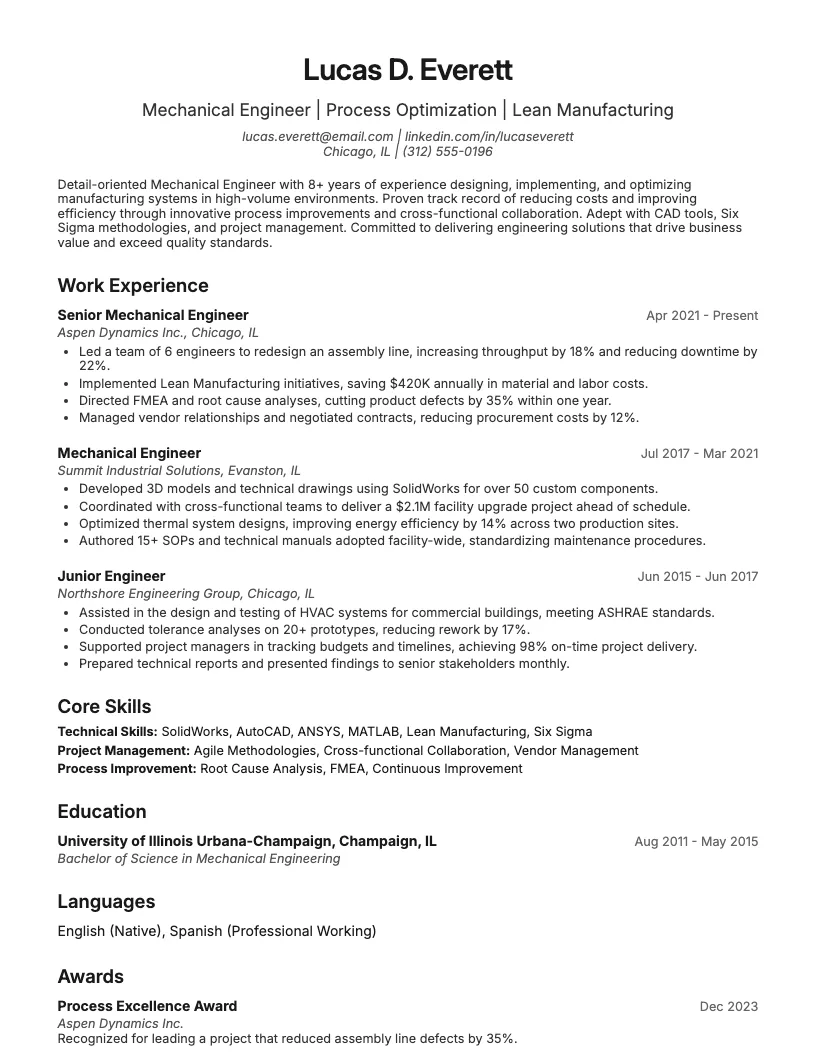
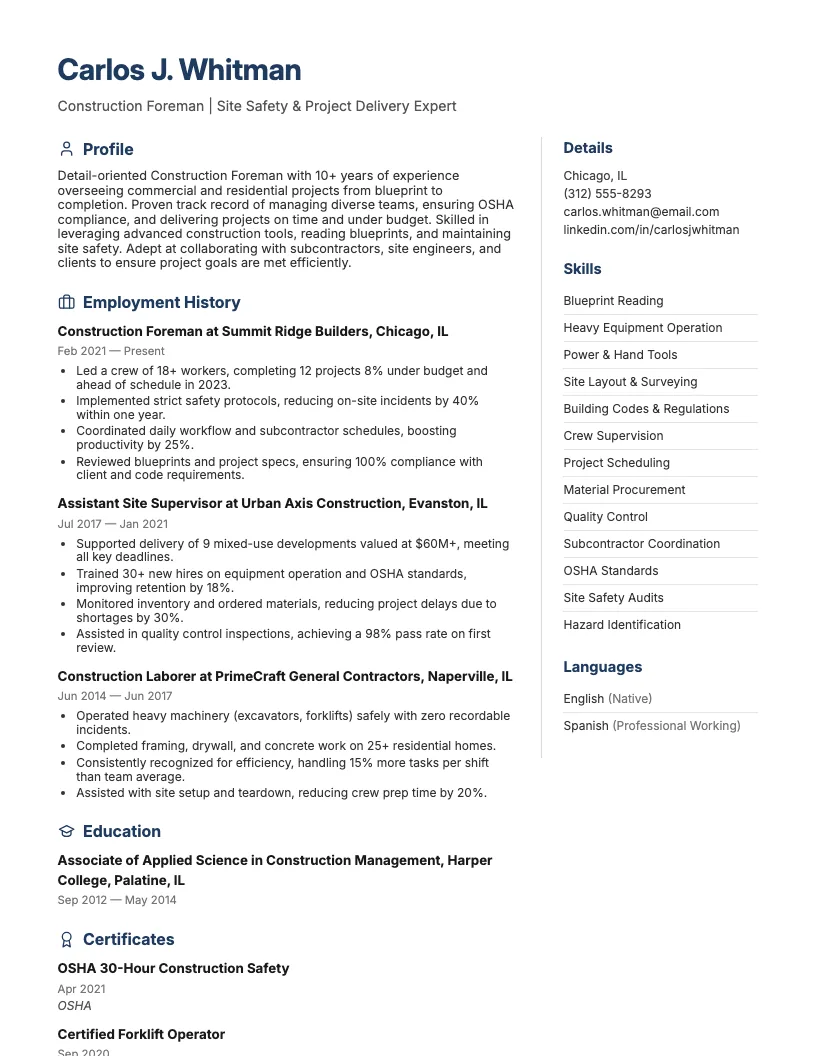
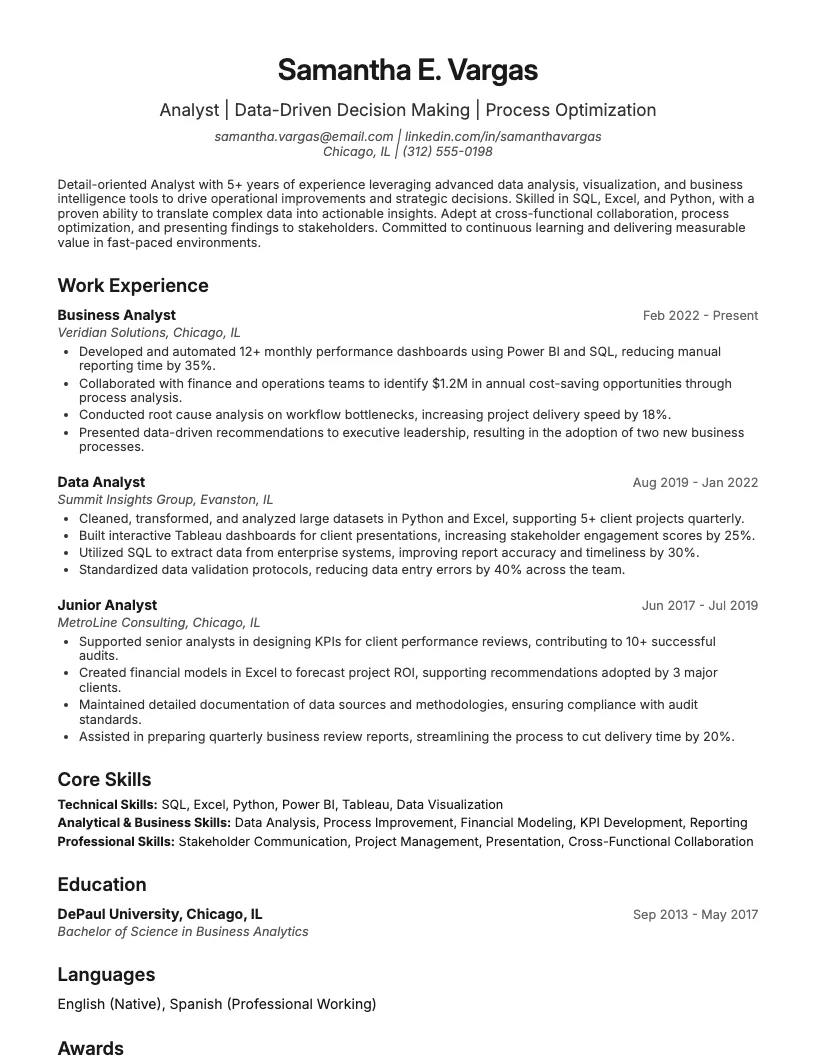
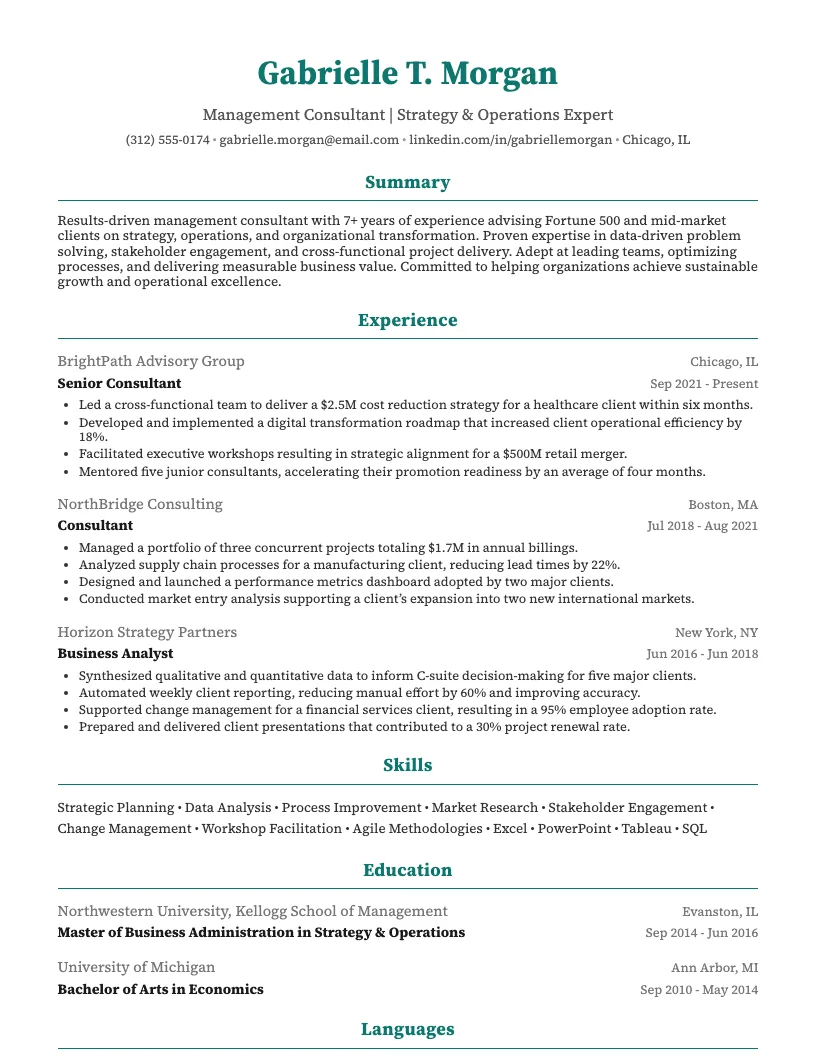
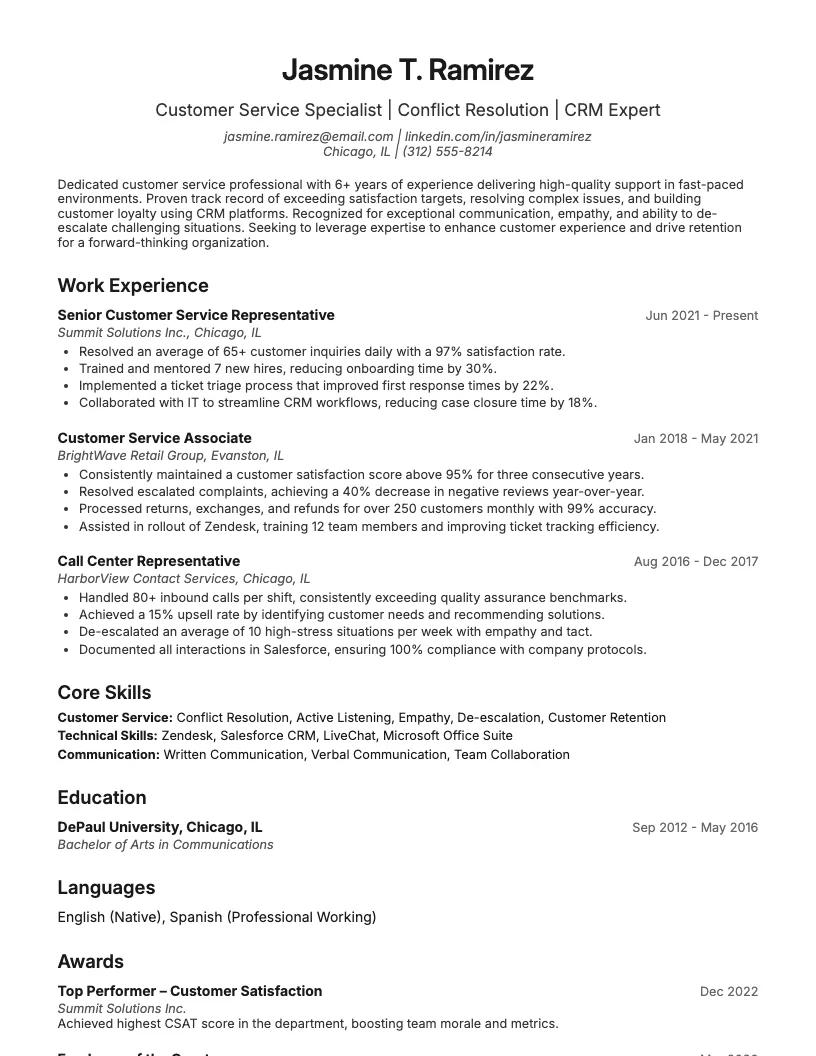
Click to enlarge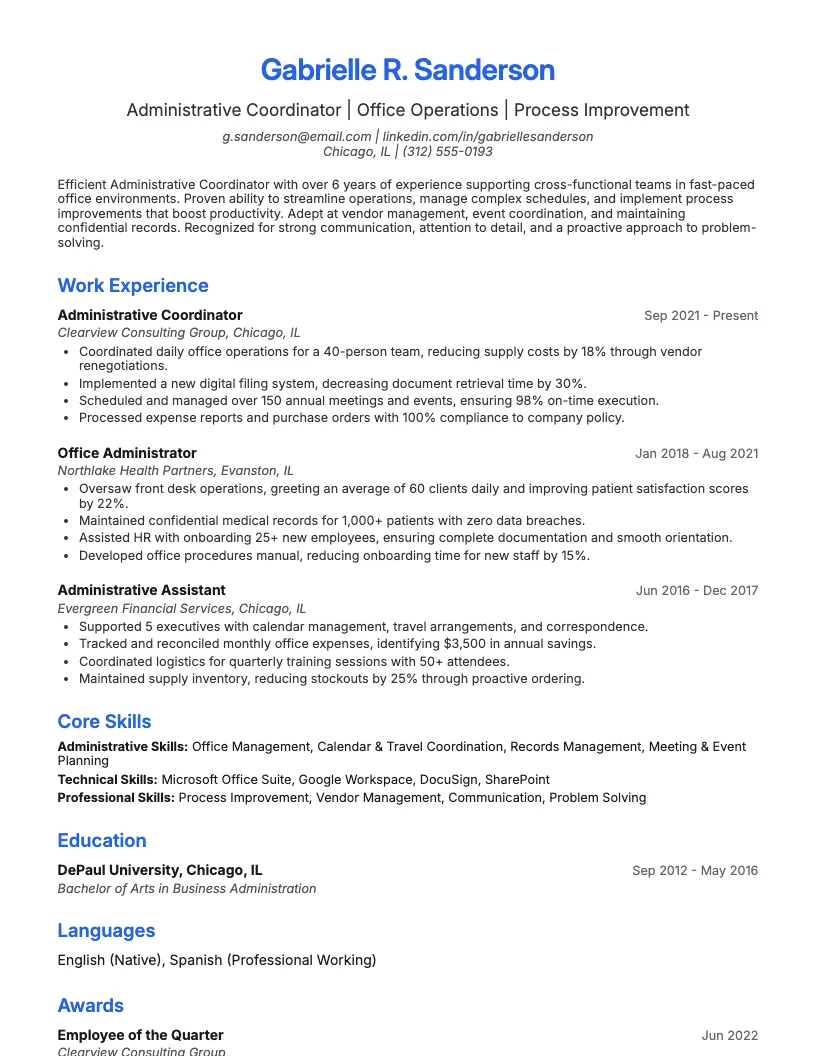 Click to enlarge
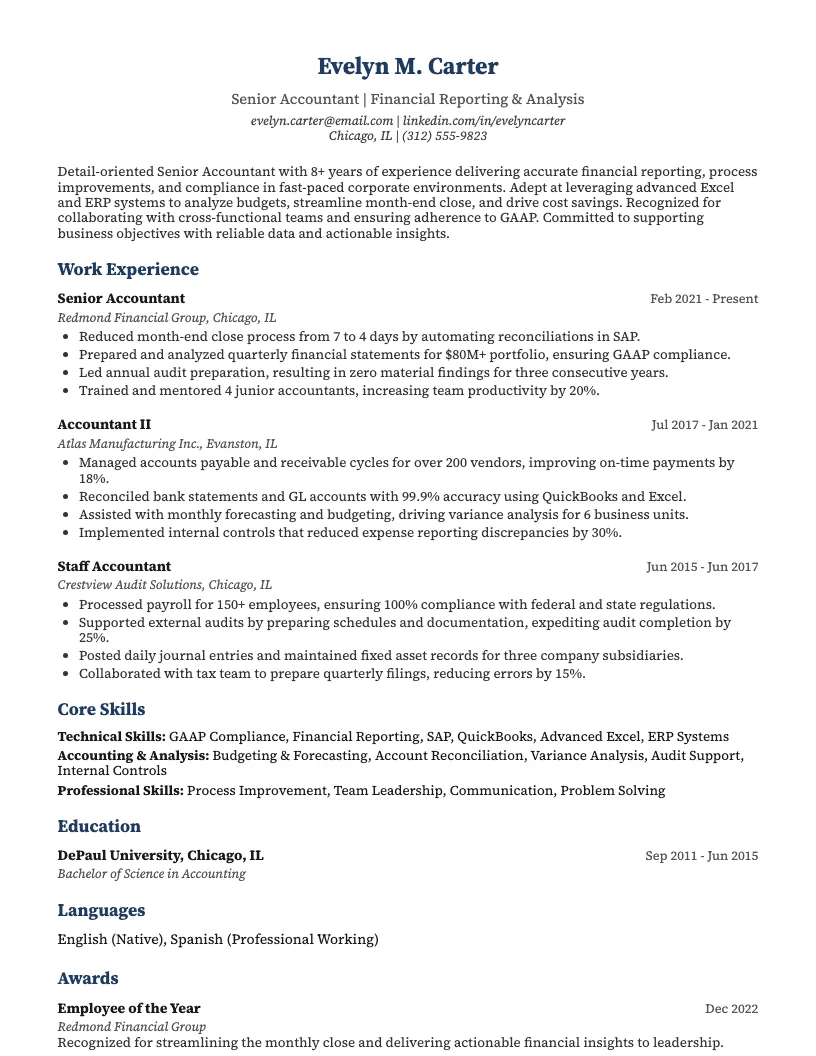
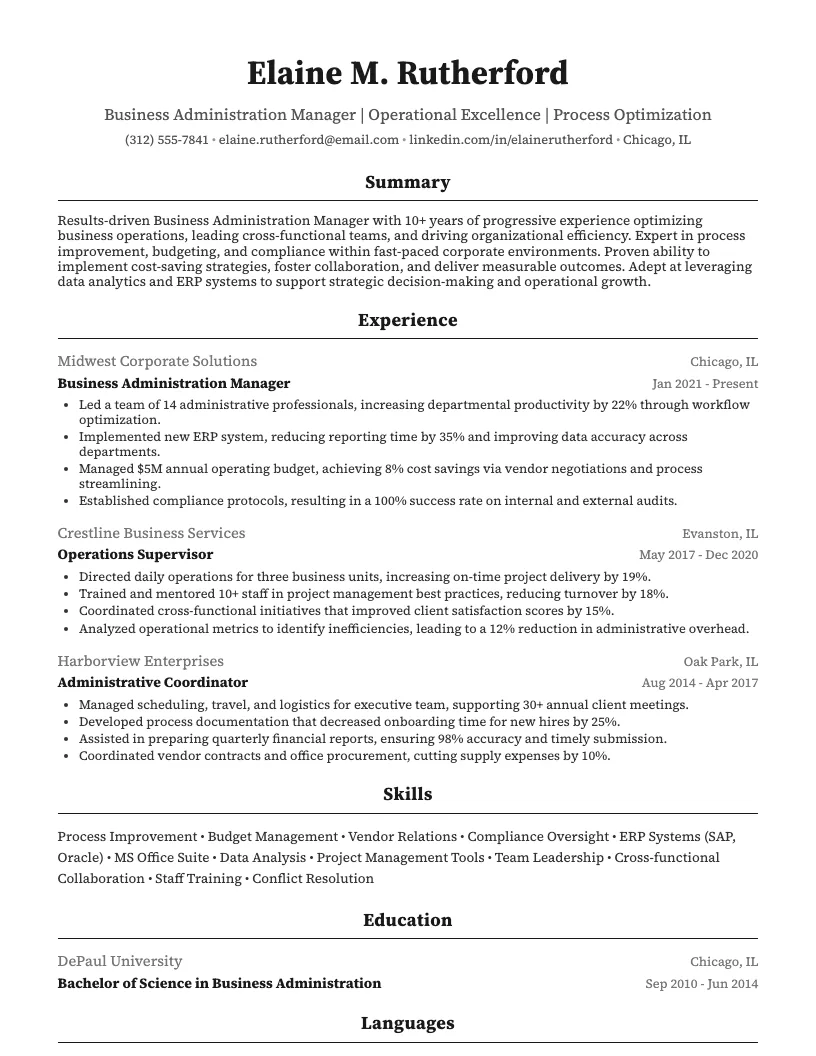 Click to enlarge
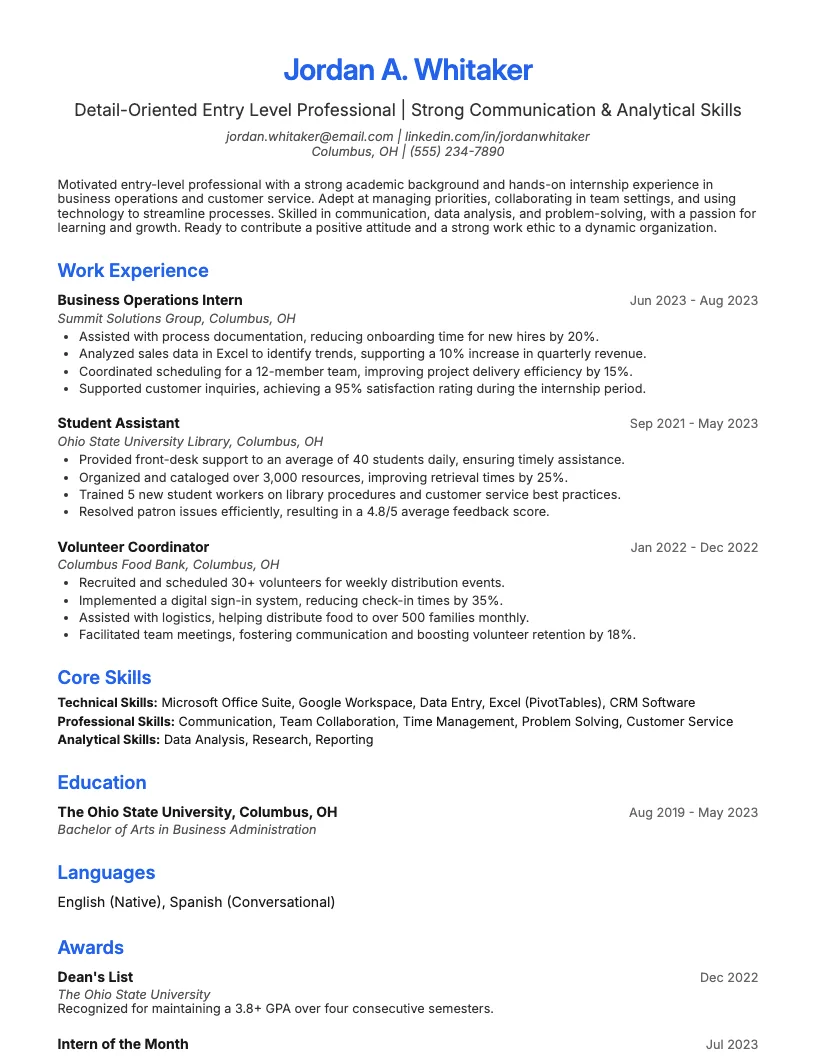
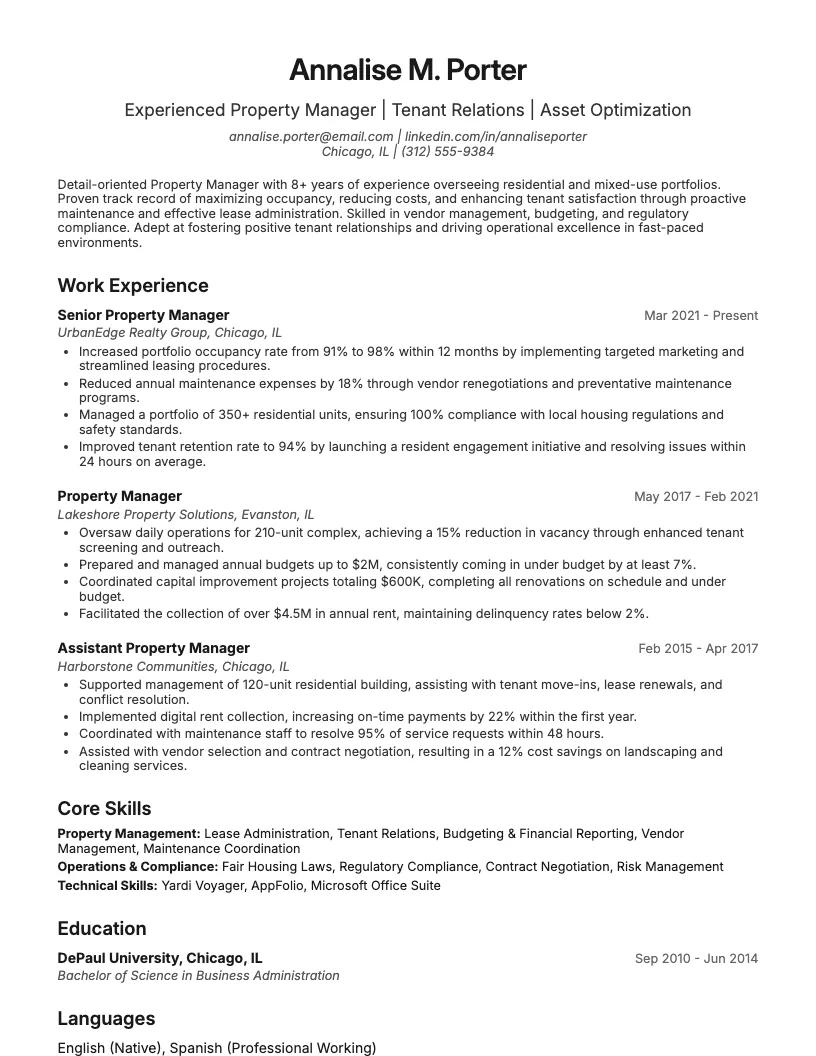 Click to enlarge
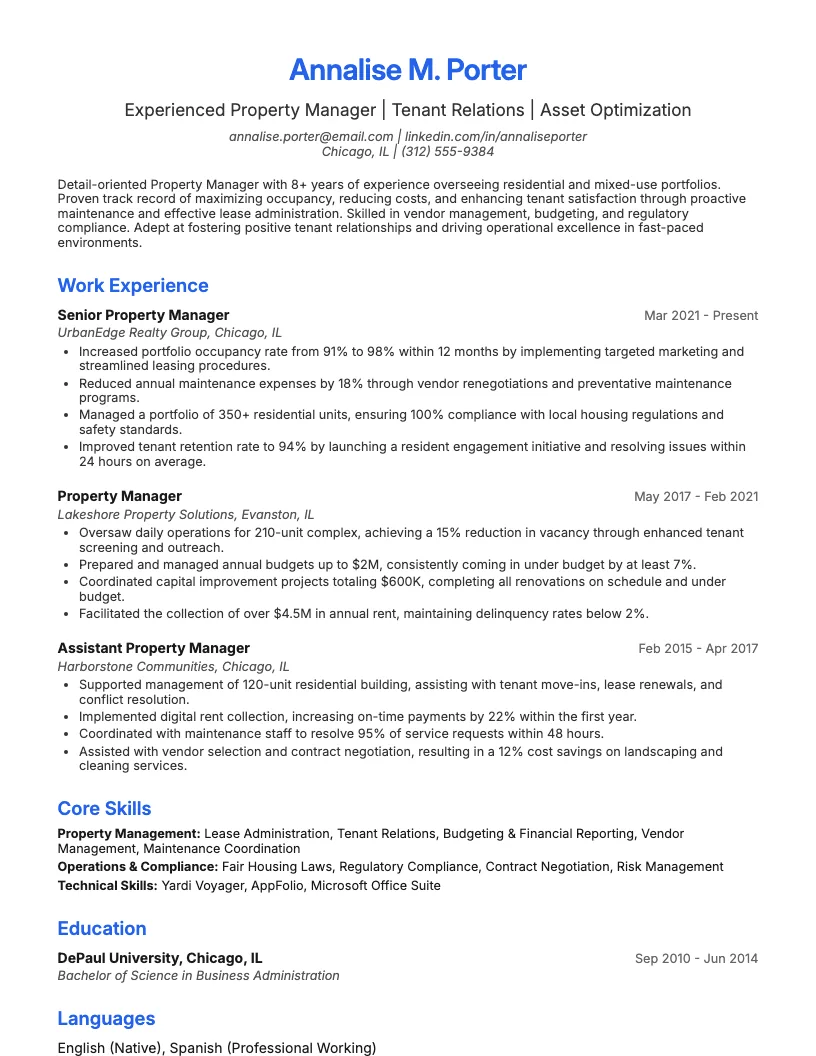 Click to enlarge
 Click to enlarge Click to enlarge Click to enlarge Click to enlarge
Common questions about Facilities Manager resumes
A facilities manager resume template is a pre-designed layout tailored for professionals managing buildings, grounds, and systems. ResumeJudge makes it easy to showcase your skills and experience in facilities management.
Yes, most facilities manager resume templates from ResumeJudge are ATS-friendly, meaning they use clear formatting and keywords that help your resume pass automated screening systems.
Use a facilities manager resume template when applying for roles in property management, healthcare, education, or corporate offices. ResumeJudge templates suit various industries needing facilities expertise.
Absolutely! ResumeJudge templates let you edit sections, add specific skills, and tailor your experience to match different job requirements or industries.
Facilities manager templates highlight operations, maintenance, and compliance skills, unlike generic templates. ResumeJudge designs focus on industry-specific strengths for better results.
Aim for a concise one- to two-page resume. ResumeJudge helps you focus on relevant achievements, making your resume easy for employers and ATS systems to scan.
Highlight skills like project management, budgeting, vendor coordination, and safety compliance. ResumeJudge templates provide sections to showcase these key abilities effectively.
Yes, listing certifications such as IFMA or OSHA strengthens your resume. ResumeJudge templates have dedicated areas for certifications to boost your credibility.
Yes! ResumeJudge offers templates suitable for both beginners and experienced managers, making it easy to emphasize transferable skills and relevant coursework.
Include a summary, skills, work history, certifications, and education. ResumeJudge templates organize these sections to highlight your strengths and meet employer expectations.
Explore more professional resume examples to inspire your job search
Use our AI-powered resume builder to create a professional, ATS-friendly resume in minutes.
Free to use • No credit card required