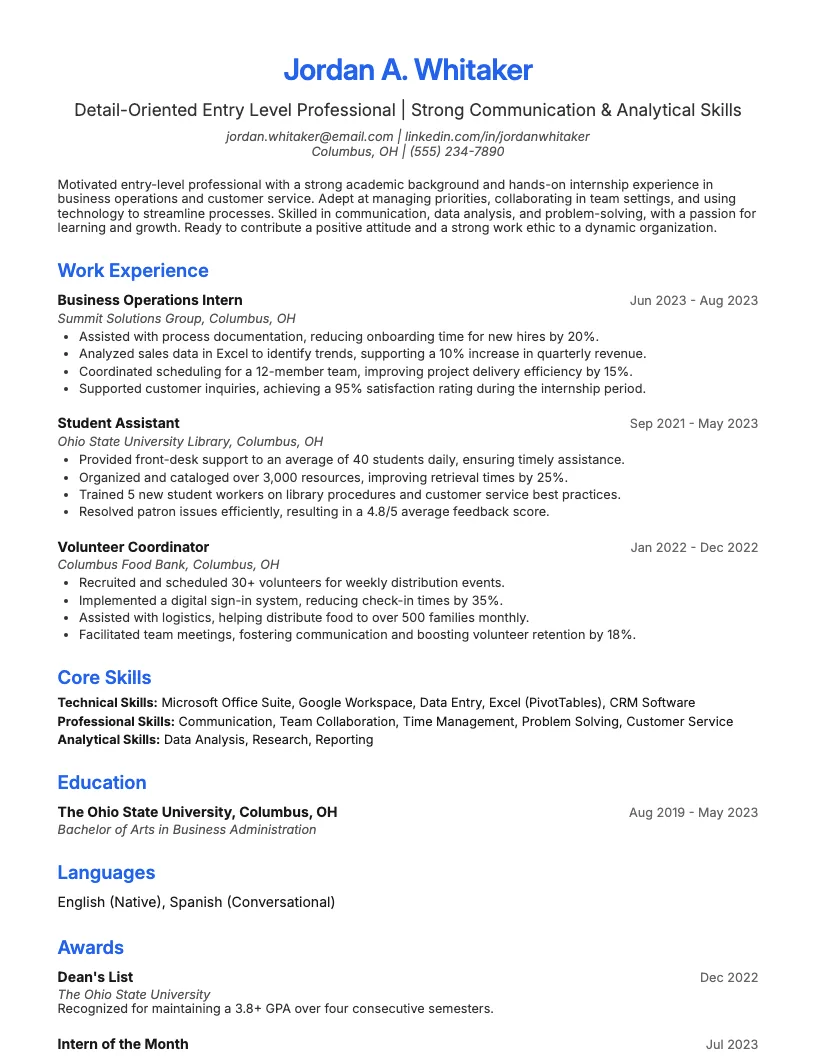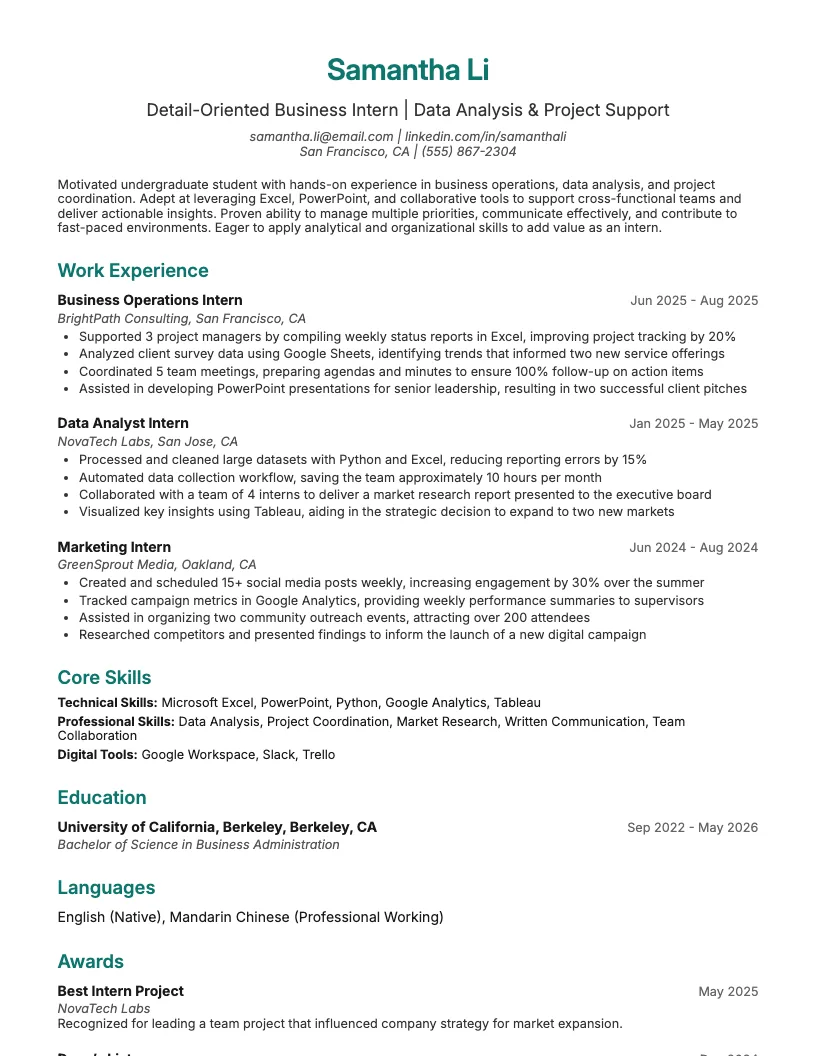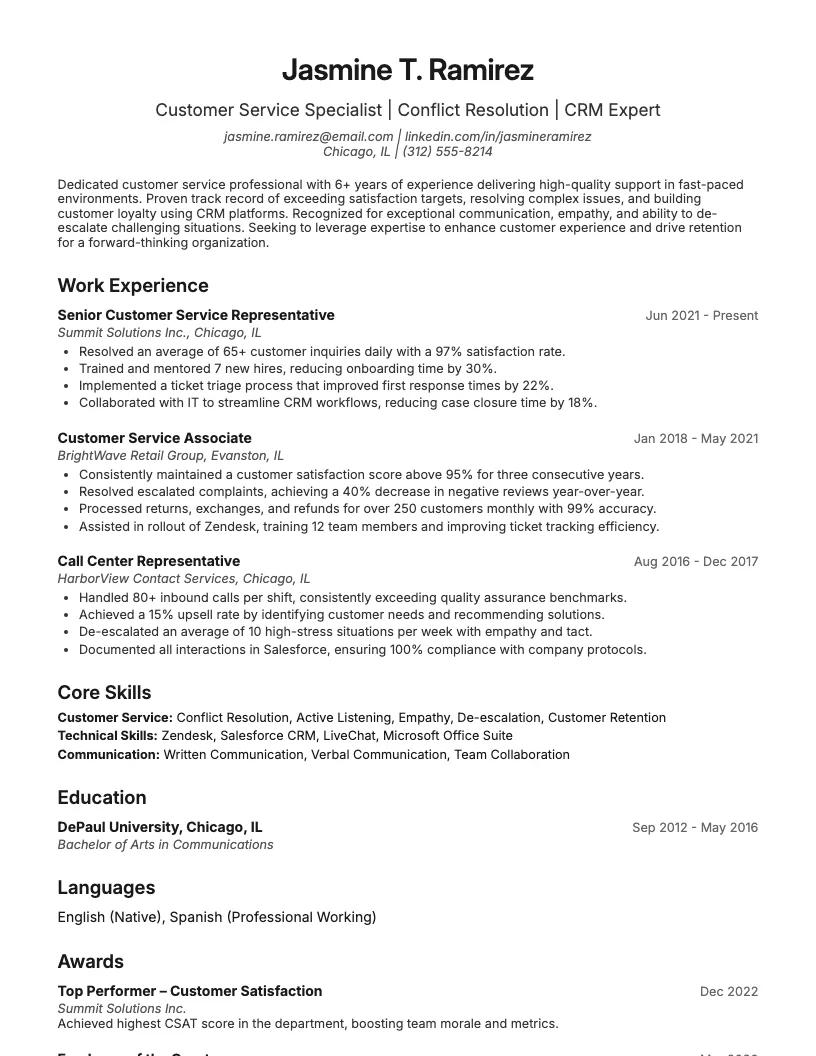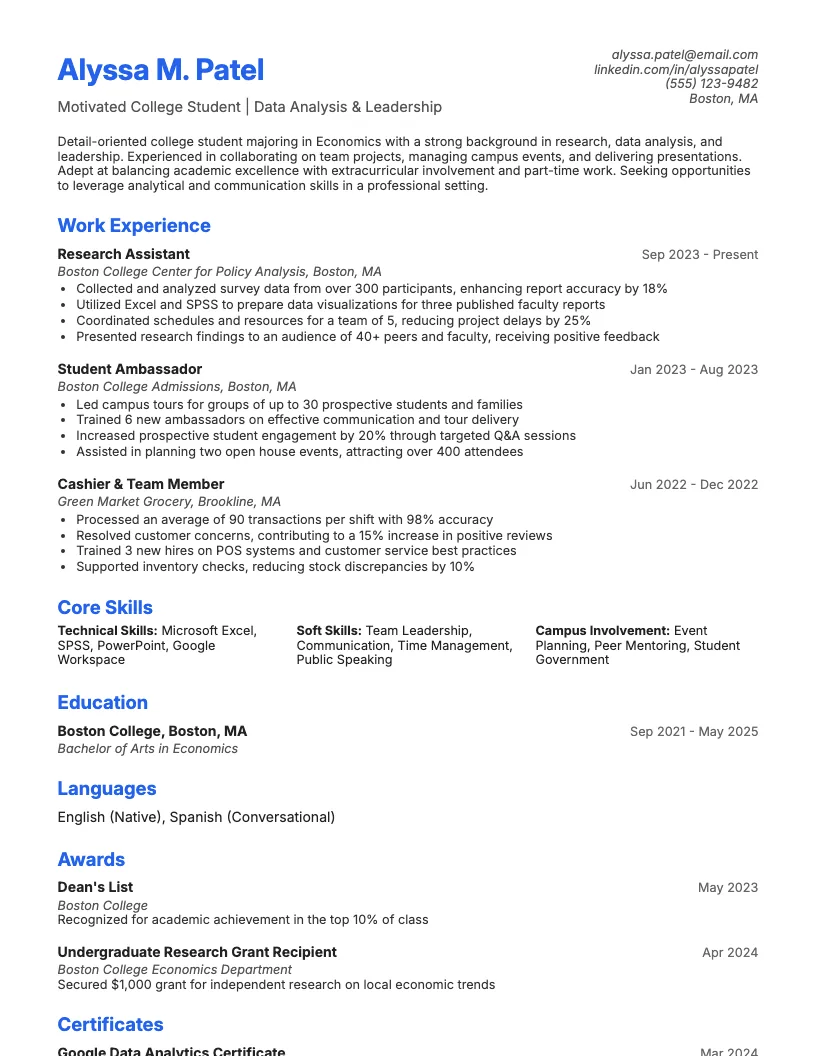
College Student Intern Resume Example
See full guide on College Student Intern resumes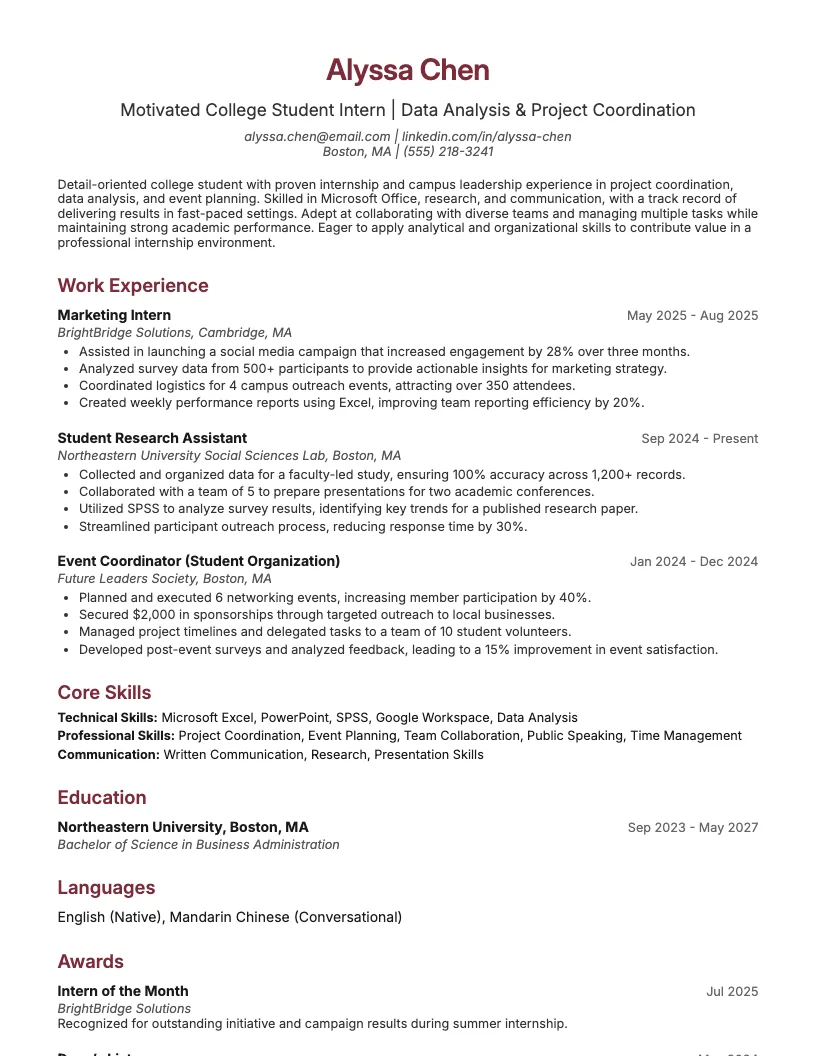 Click to enlarge
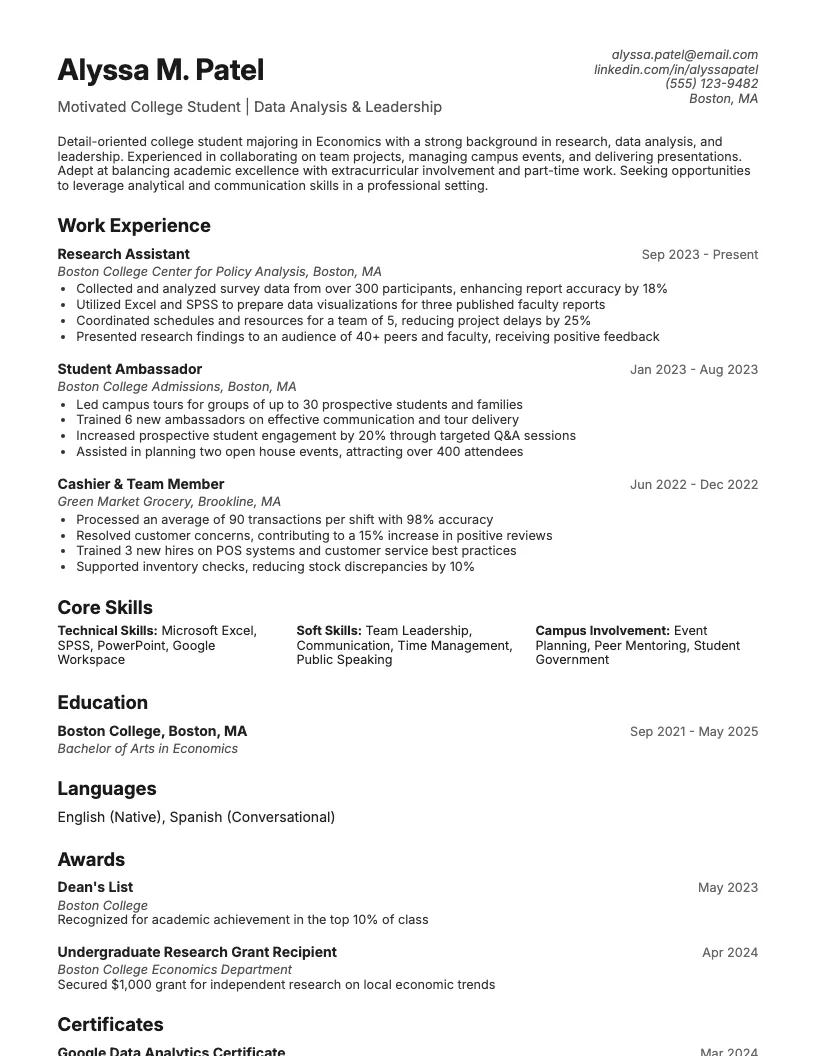 Click to preview
Get inspired by 62+ professional College Student resume examples, each written by career experts and optimized to pass ATS scans. Pick a proven template, tailor it to your role, and download a polished resume in minutes.
Pick the specialization closest to your target role and start from a proven resume example.
Everyone’s college journey looks different. Some students have internships, part-time jobs, or campus involvement. Others focus on coursework or personal projects.
I want you to see real resume examples that match your experience level. Whether you’re a freshman or getting ready to graduate, there’s something here for you.

Writing a resume as a college student can feel tricky, especially with limited work experience. You still have a lot to showcase-skills, education, and any hands-on projects.
Choosing the right format, organizing your info, and paying attention to design really matter. Recruiters spend just seconds skimming, so clear, readable resumes get noticed first.
Picking the right resume format really matters, especially if you’re a college student with limited work experience. The format you choose shapes how employers see your strengths.
I usually suggest looking at three main formats: chronological, functional, and combination (hybrid). Each one highlights different parts of your background, so your choice depends on your situation.
If you want to show off skills or projects instead of job titles, a functional format works best. For those with some relevant work or internships, a combination format blends both experience and skills.
There’s no one-size-fits-all answer here. Think about the job you’re after and pick the format that lets your achievements shine. This gives you the best shot at standing out.
Your resume header is the first thing recruiters see, so you want to make it pop. I always put my full name, phone number, and a professional email address right at the top.
Add your LinkedIn or a personal website if you have one. This shows you’re serious and makes it easy for employers to check you out online.
Make sure your header is clear and easy to read. Over 75% of recruiters say contact info mistakes or missing details can get your resume tossed. Double-check everything!
I always start by keeping things clean and simple. Use plenty of white space-it makes your resume easier to scan, especially for busy recruiters.
Stick to a single, easy-to-read font. I like using sizes between 10 and 12 points for text, and slightly bigger for headings. This keeps everything readable.
Use bullet points for skills and achievements. This breaks up dense text and helps your most important info stand out. Chunking your content helps recruiters find what matters fast.
Avoid graphics or charts that get messy or confuse automated systems. Around 21% of resumes get filtered out just because the formatting messes with the ATS.
Balance your sections. Don’t let optional stuff like hobbies take up more space than your skills or education. Each section should earn its spot on the page.
Choosing a resume template is more than picking something that looks nice. I look for a style that matches the job and industry I’m targeting.
You’ve got options: modern, professional, simple, or creative templates. A creative field? Try a bold layout. For business or education, stick with something clean and classic.
Think about readability and ATS compatibility. Over 20% of resumes get filtered out by bad formatting. A strong template keeps things clear, organized, and easy for recruiters to scan.
That’s it for the basics. With the right template, you’re ready to build a college student resume that gets attention for the right reasons.
Your resume summary is the first thing a recruiter reads. You get about six seconds to grab their attention-so every word counts.
Even if you don’t have tons of work experience, you can show your drive, skills, and goals here. This is your chance to stand out from a crowd of other students.
Keep your summary short-three to four lines is plenty. Focus on who you are, what drives you, and the skills you bring. This grabs attention right away.
Use active language and strong action verbs. Employers spend about six seconds scanning resumes, so you want your strengths and energy to pop off the page fast.
Tailor your summary to fit the job. Highlight qualities and skills that match what the employer wants. This helps you look like a solid fit, even with limited experience.
Here’s a resume summary you can use if you don't have work experience:
Motivated college student with strong communication skills and a 3.7 GPA. Organized, detail-oriented, and eager to support customer needs in a fast-paced environment.
If you want to stand out, highlight your campus involvement and tech skills. For example, mention student leadership, event planning, or use of Microsoft Excel for class projects.
Focus on what you bring to the table, not what you lack. This helps employers see your potential-and that's the point. Take this chance to show your drive—and make sure your application includes a cover letter that highlights your motivation.
When you’re a college student, your education section does a lot of heavy lifting on your resume.
A lot of employers expect to see your academic achievements right up front, especially for entry-level jobs and internships.
You can use this section to show off honors, awards, and relevant coursework. It’s your chance to highlight what makes your time in college unique.
You don’t need years of work experience to create a strong resume. College is full of chances to build skills employers want.
Internships, class projects, part-time jobs, and volunteer work all count. I show you how to highlight these experiences and make them stand out.
If you’re putting together your college student resume, I know picking the right skills can feel tricky. Most students actually have more to offer than they think.
You want to show off skills that match the job you want, whether it’s part-time work, an internship, or your first full-time gig. I’ll break down what employers look for next.
Most large companies use software called Applicant Tracking Systems, or ATS. Around 98% of Fortune 500 companies rely on this technology to review resumes before a human ever sees them.
If you want your resume to make it past the first round, you need to know how ATS works. The trick is using the right keywords in the right places.
Start by reading the job description closely. I look for words that pop up more than once-these are the keywords ATS software wants.
Use exact phrases from the posting. If it says “data analysis,” don’t write “data analytics.” Consistency with employer language helps your resume score higher.
Sprinkle these keywords naturally throughout your resume, especially in your skills and experience sections, and don’t forget to reinforce them in your cover letter. This boosts your chances of getting past the ATS, which filters out about 75% of resumes.
Landing a job while in college can feel tough, but your resume really matters. You don’t need years of work experience to get noticed.
Show off your education, skills, and personality. The right format and keywords help your resume pass ATS software and get in front of real people.
If you’re building your first resume in college, you’re not alone. Over 70% of students look for sample resumes before they start writing.
I know it helps to see what works. That’s why I’ve pulled together examples that fit different college experiences. You’ll find formats for all kinds of majors and backgrounds.
I see a lot of undergraduate resume examples focus on clear sections like education, skills, and experience. This keeps things organized and easy for recruiters to scan in seconds.
You want to highlight any relevant coursework, internships, or volunteer work, and consider referencing experience as a student housing assistant cover letter if applicable. I usually suggest using bullet points to show impact-like quantifying results or mentioning specific projects.
There are tons of ways to tailor undergraduate resume examples based on your major or interests. This helps you stand out, especially since over 60% of recruiters look for unique skills or achievements.
Finding the right words for a cover letter can feel tough, especially as a college student. I know it’s hard to show your skills when you don’t have much experience yet.
Cover letter examples for college students help you see what works. You’ll find real samples that hiring managers actually want to read. These examples show off your strengths, even if you’re new to the job market.
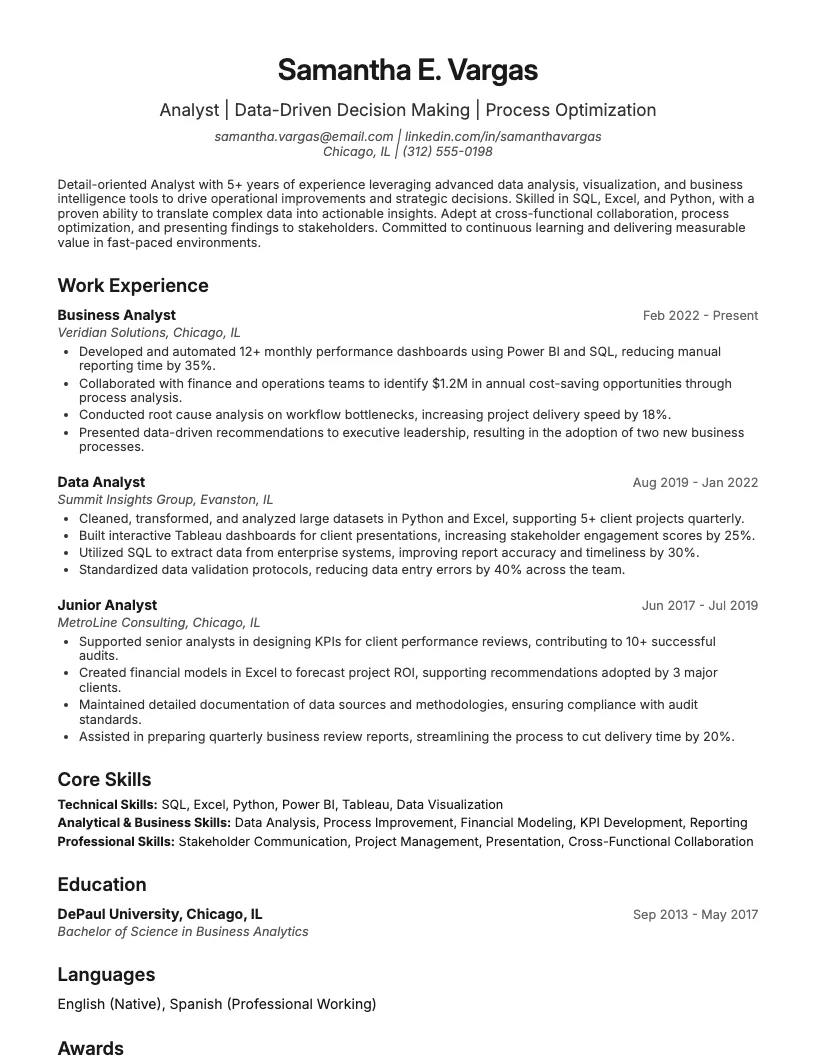
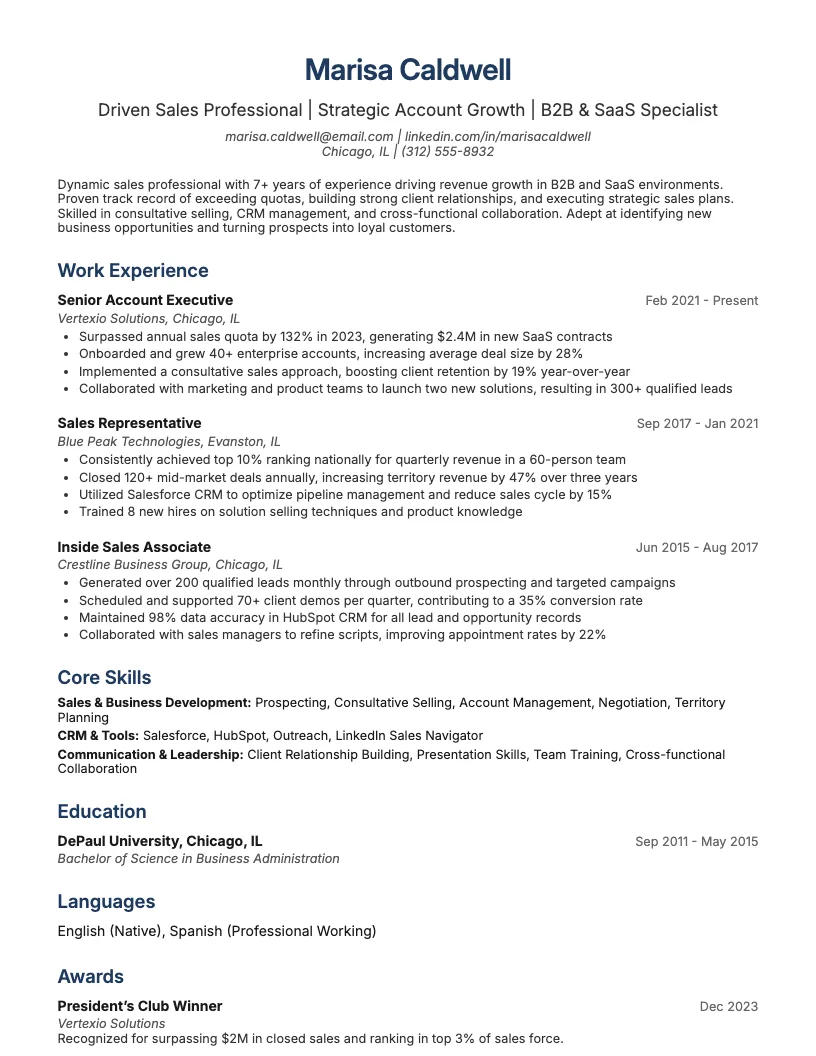
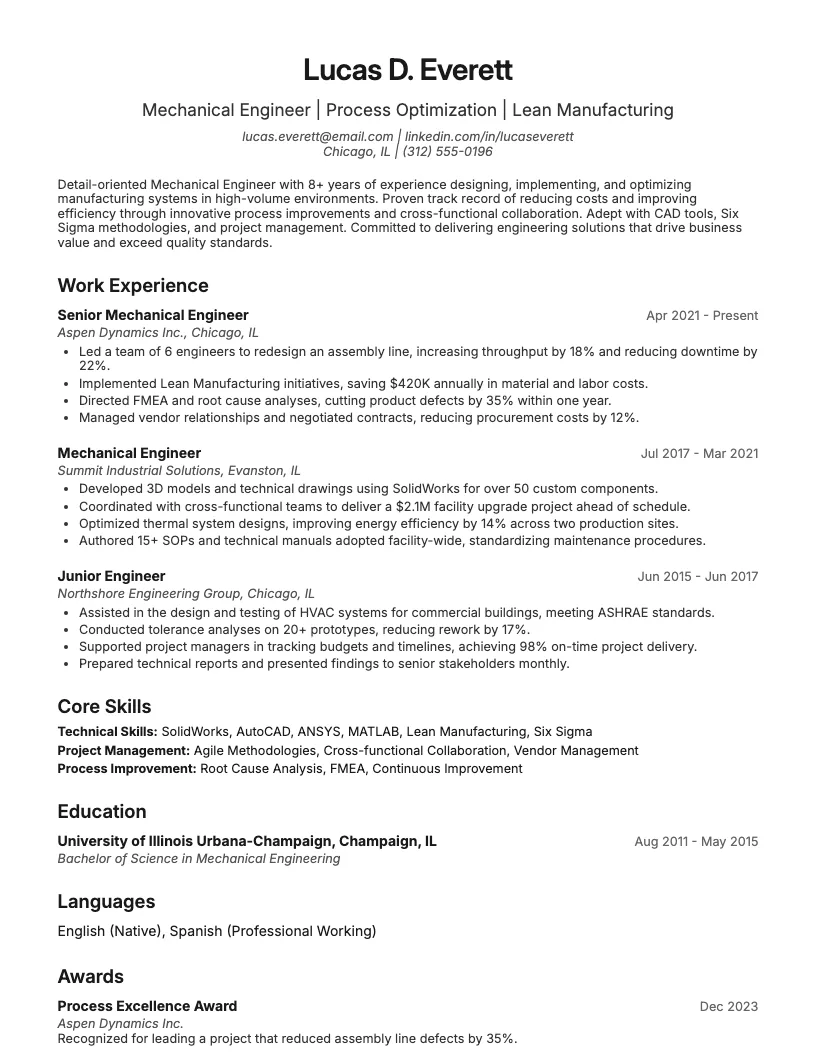
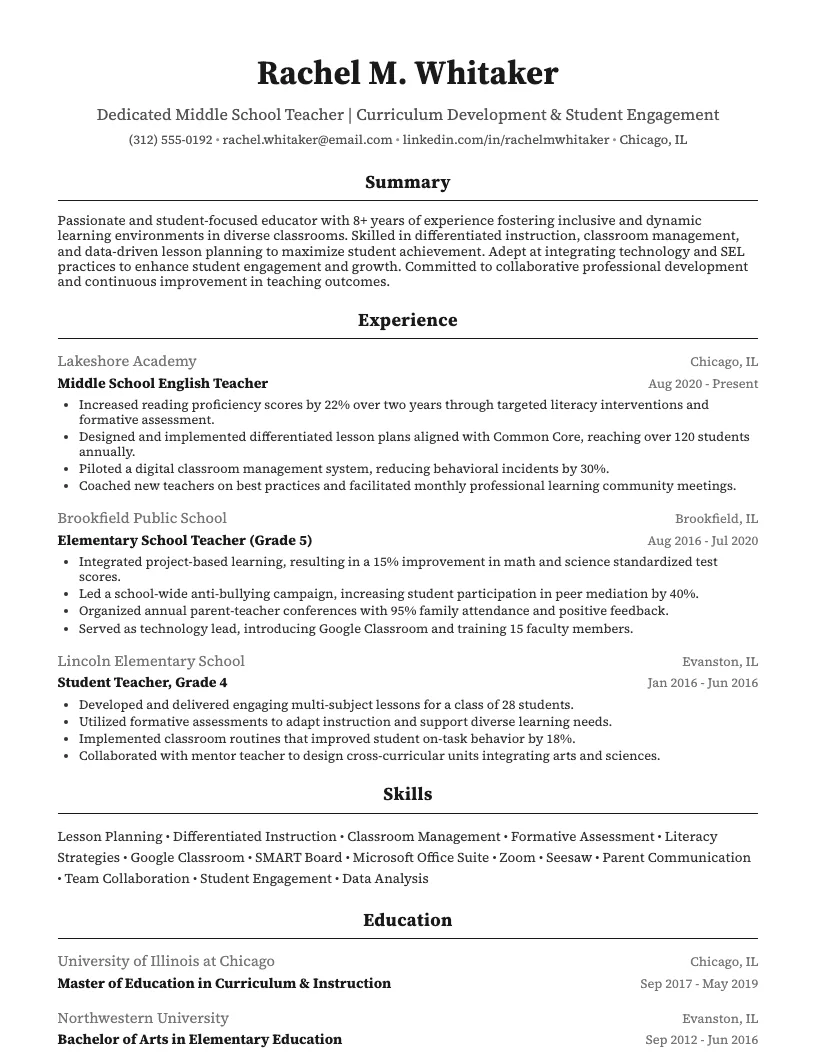
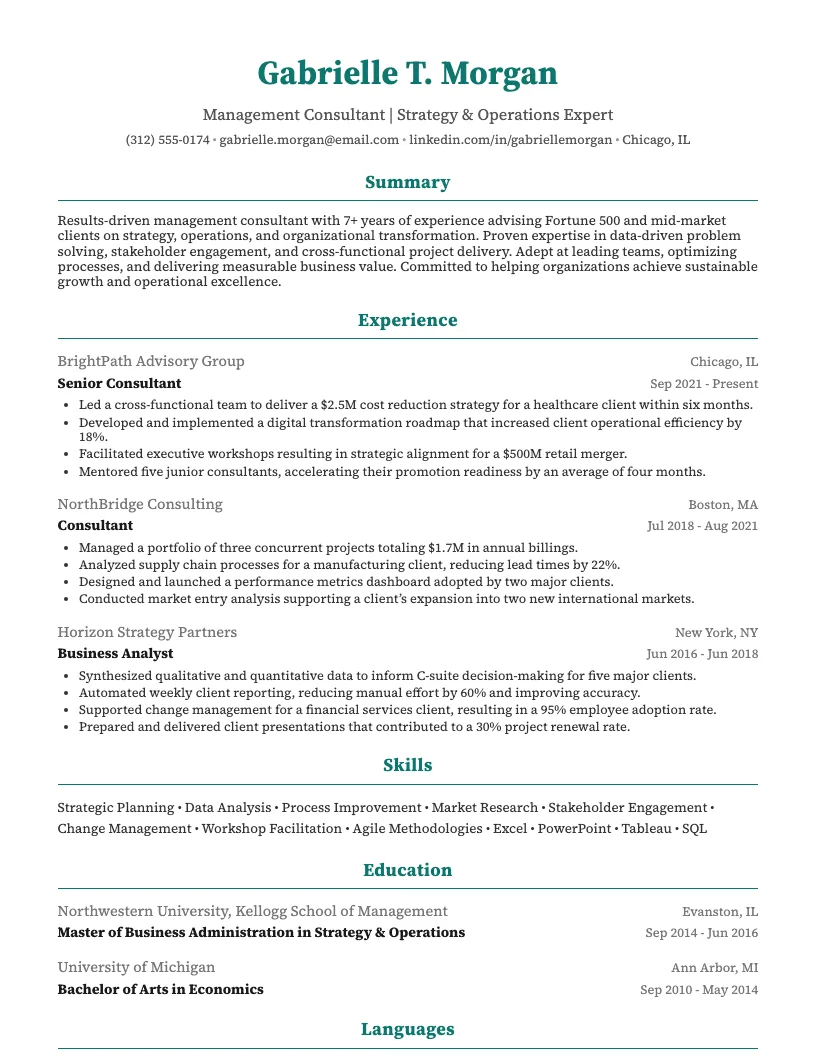
Browse College Student resume examples for related roles. Preview any example, open it in the builder, or read its full guide.
Click to enlarge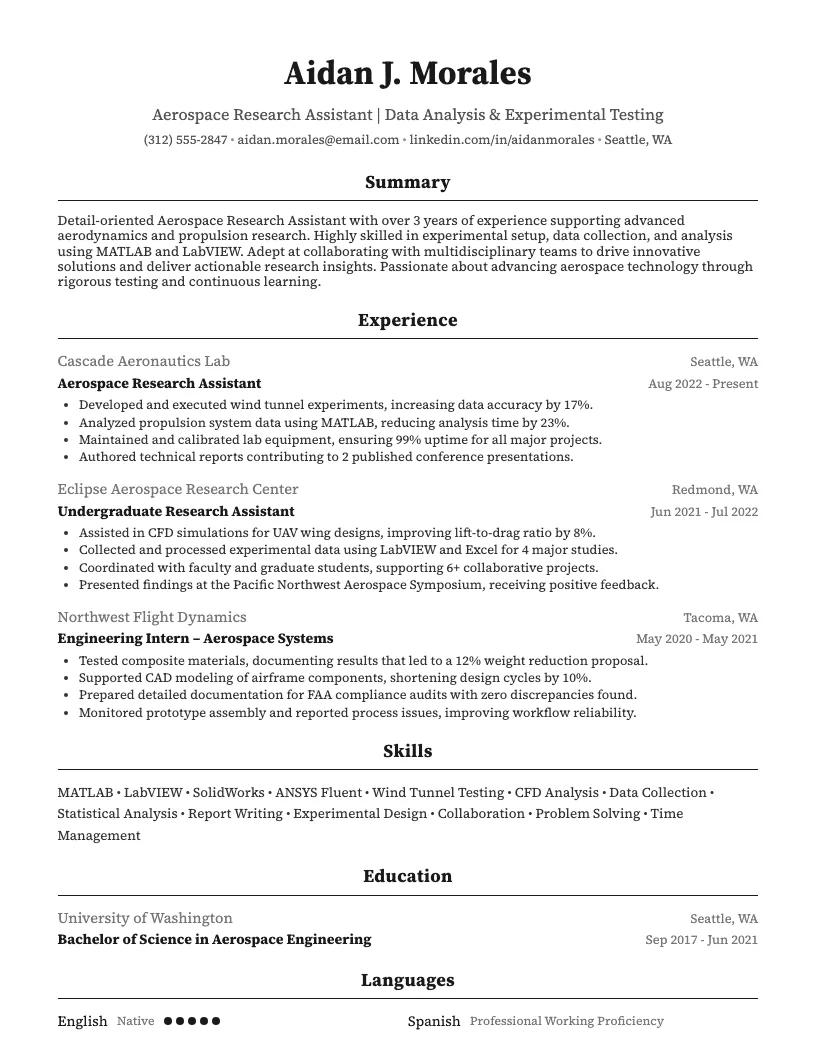 Click to enlarge
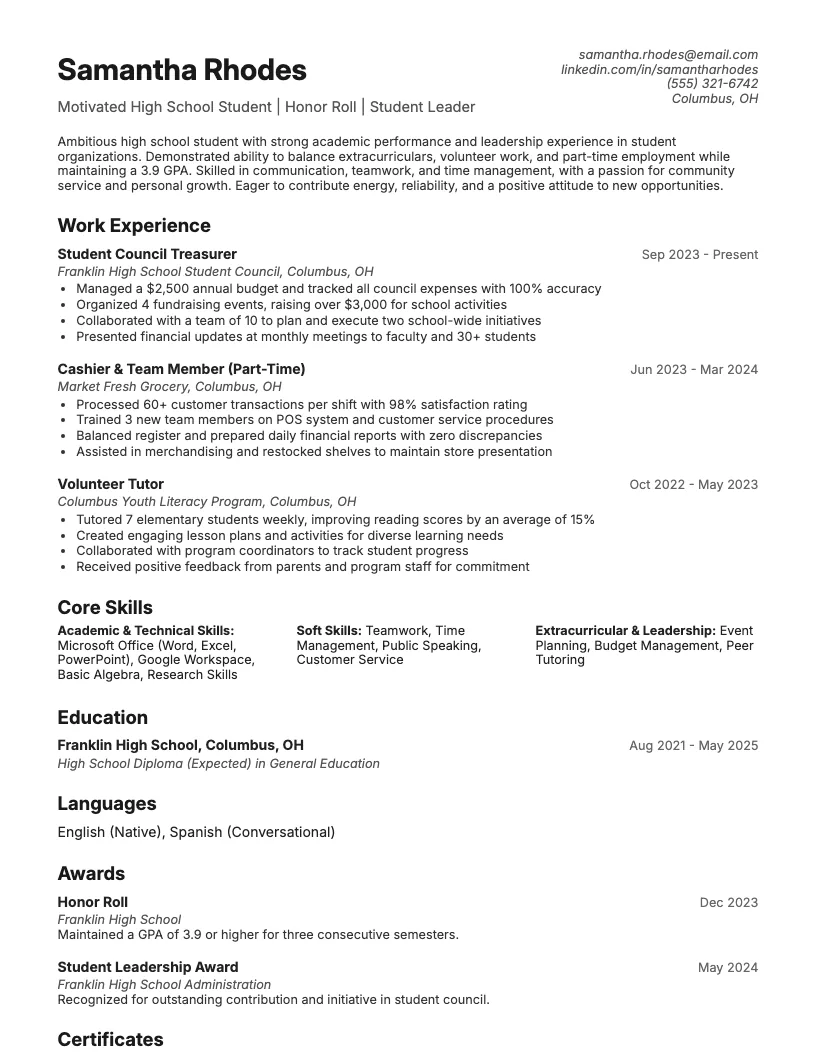
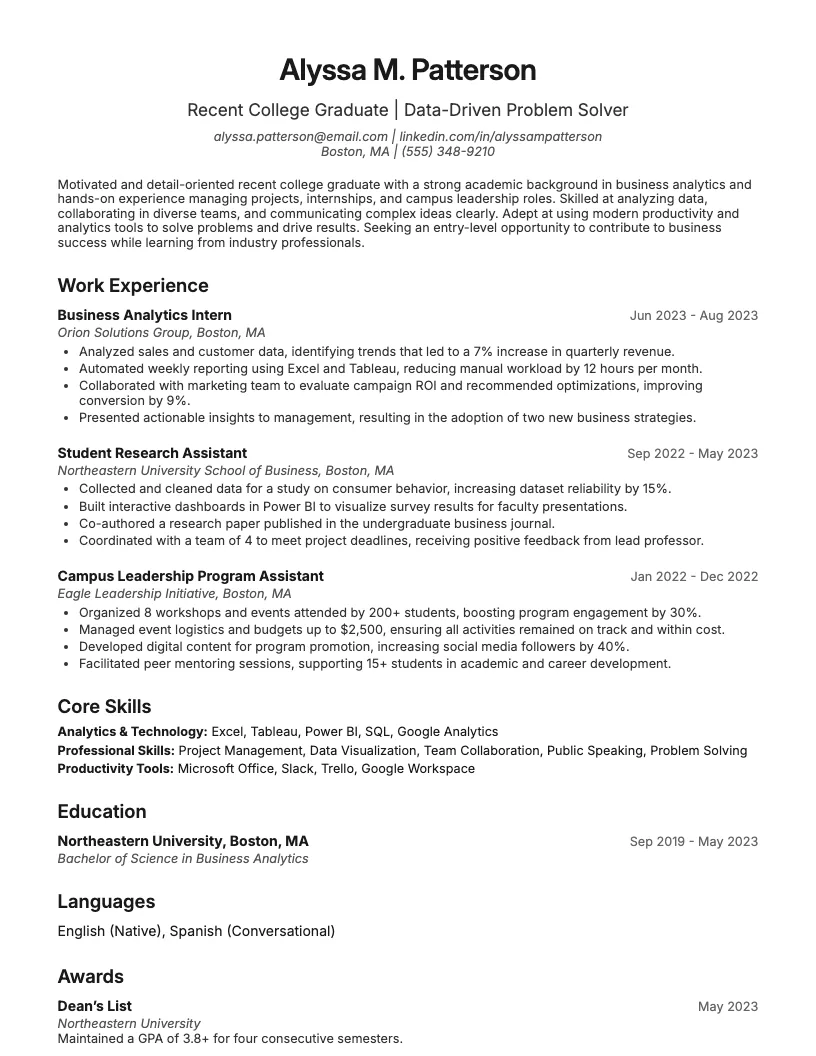 Click to enlarge
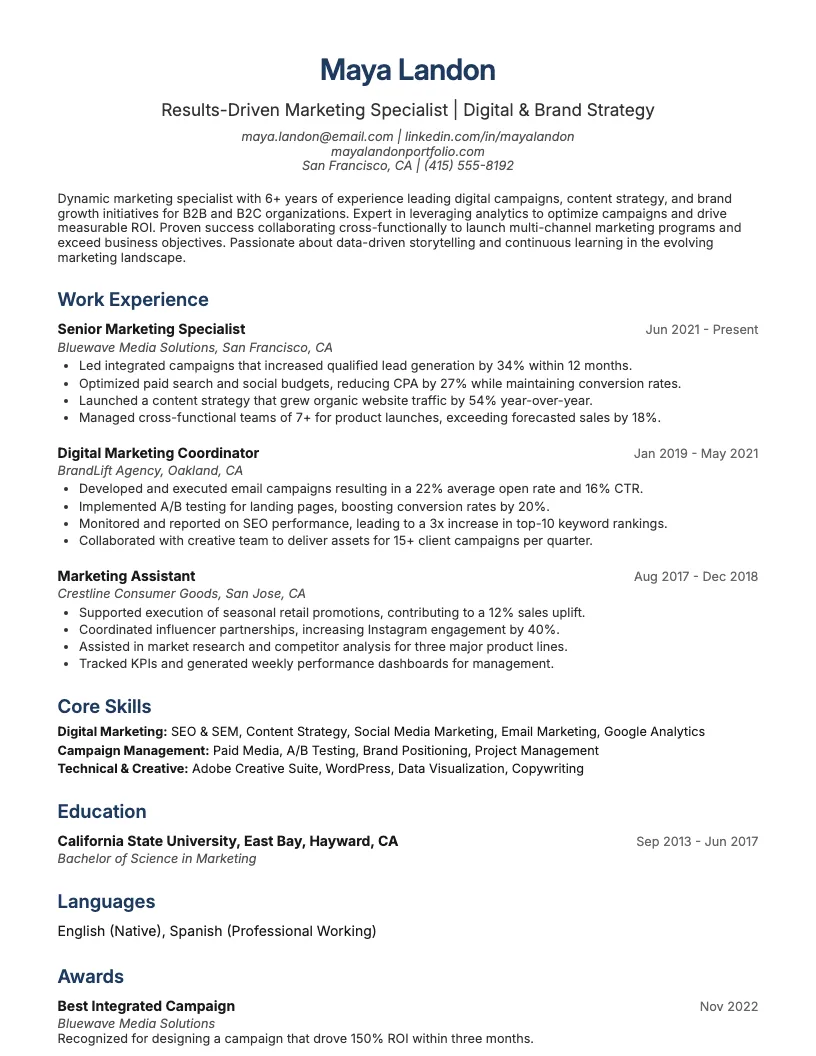
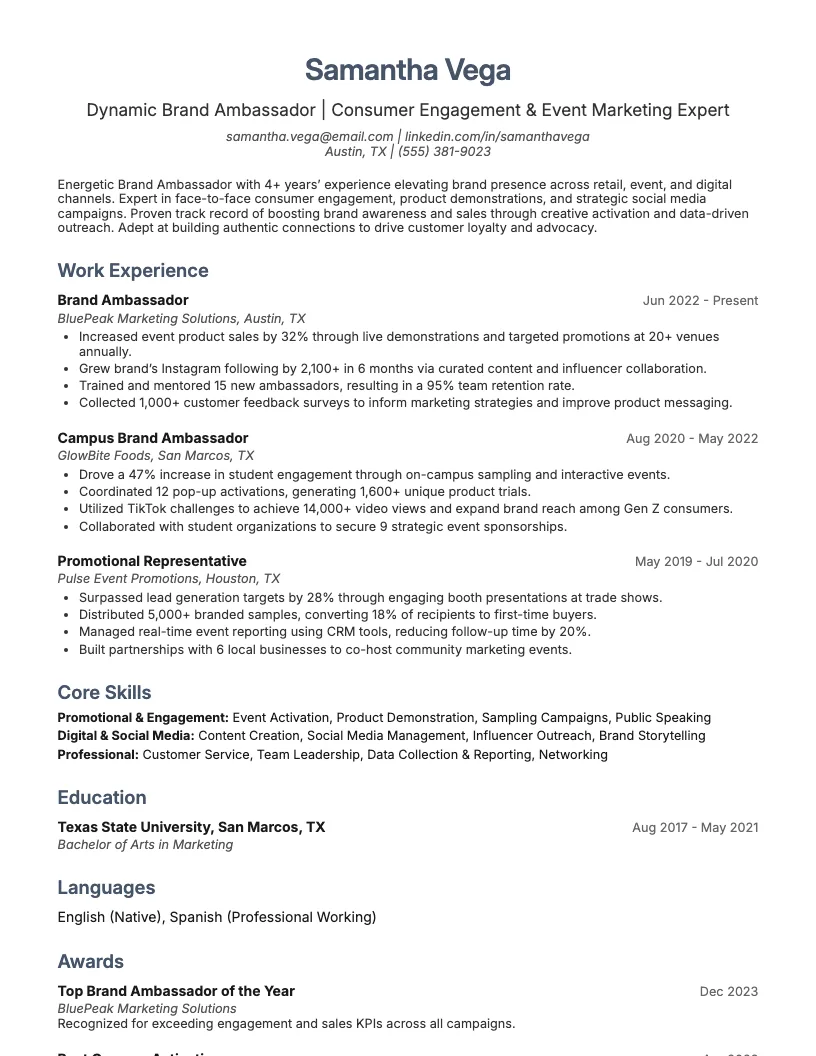 Click to enlarge
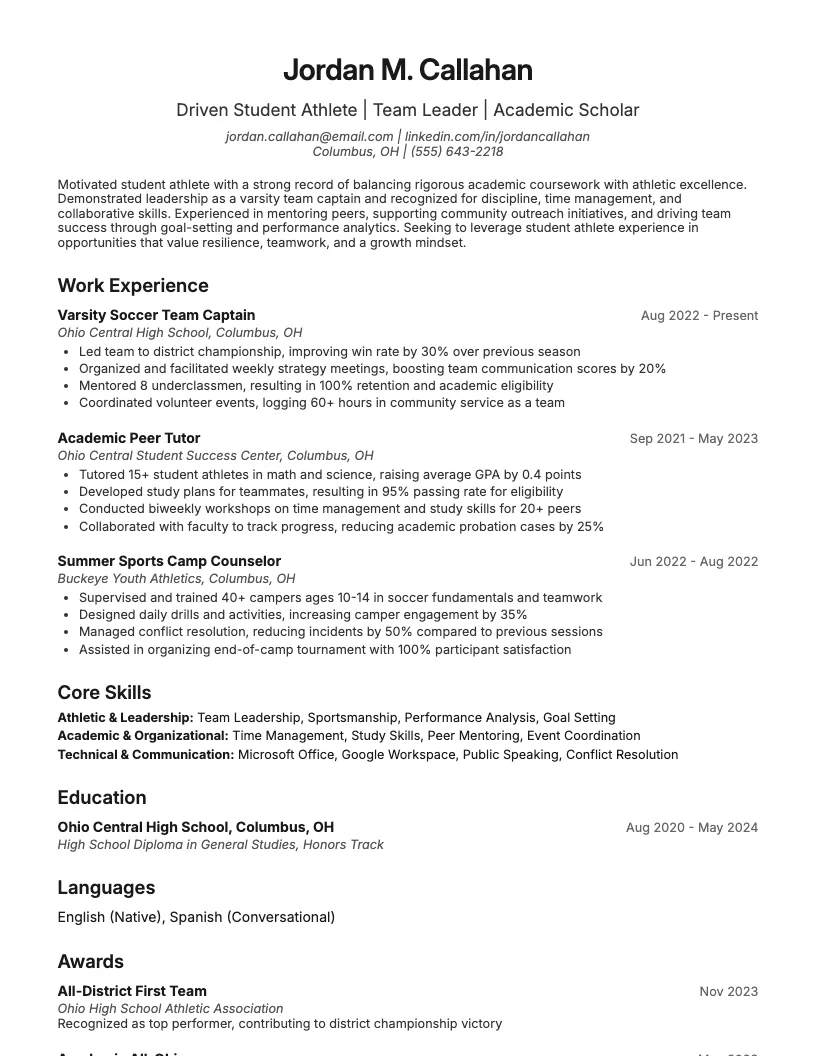 Click to enlarge
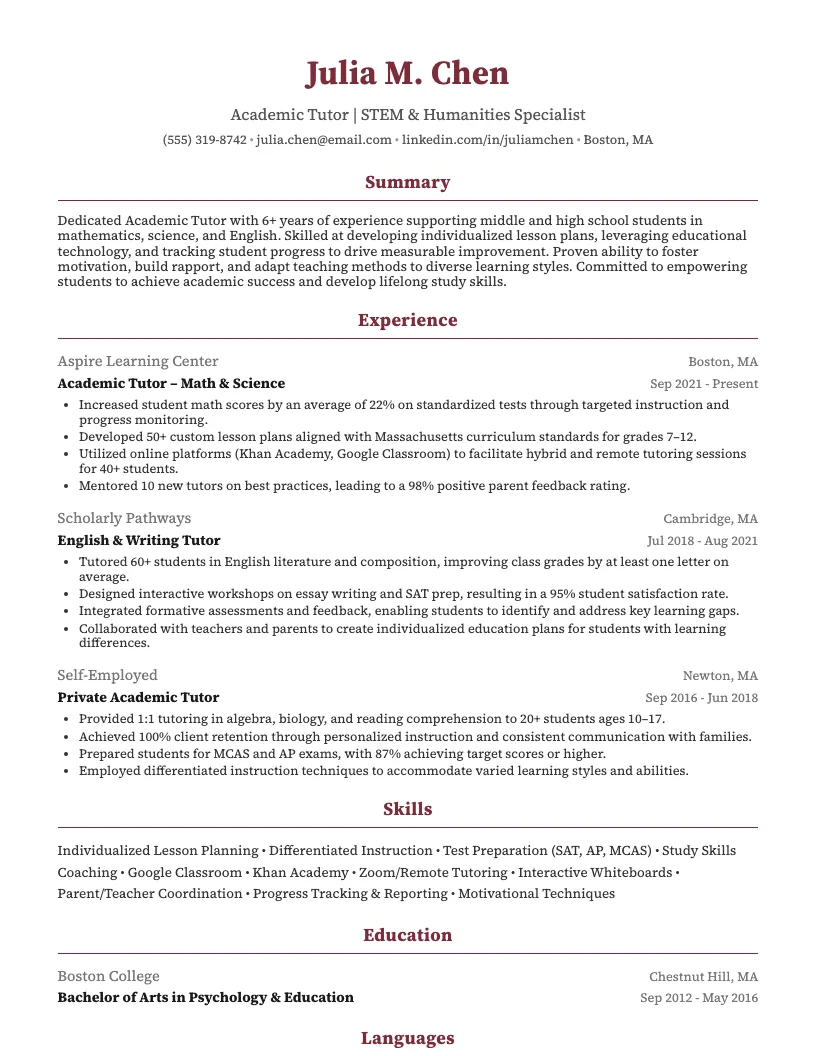 Click to enlarge
Common questions about College Student resumes
A college student resume template is a pre-designed document tailored for students with limited work experience. It highlights education, skills, and internships to help you land entry-level roles. ResumeJudge offers templates perfect for students.
Yes, many college student resume templates are ATS-friendly, meaning they are designed to be easily read by applicant tracking systems. ResumeJudge ensures all templates meet ATS requirements for a smoother job application process.
Use a college student resume template when applying for internships, part-time jobs, campus roles, or entry-level positions in fields like marketing, finance, or research. ResumeJudge offers industry-specific designs to match your goals.
Absolutely! You can personalize sections, fonts, and colors to reflect your achievements and style. ResumeJudge makes customization simple so you can tailor your resume for each job application.
College student templates focus on education, skills, and extracurriculars, while professional templates emphasize work experience. ResumeJudge helps you choose the right format for your career stage.
A college student resume should typically be one page, showcasing your most relevant experience and skills. ResumeJudge templates are designed to keep your information clear and concise.
Yes, many college student resume templates work well for grad school applications, especially those highlighting academic achievements and research. ResumeJudge offers templates for both jobs and academic pursuits.
Yes, most college student resume templates have dedicated sections for extracurricular activities, leadership, and volunteering. ResumeJudge makes it easy to showcase your involvement outside the classroom.
Absolutely! ResumeJudge provides templates tailored to majors like engineering, business, or healthcare, ensuring your resume fits your field and stands out to employers.
Choose a clean, professional template and customize it with your unique skills, projects, and achievements. ResumeJudge offers expert tips and examples to help your resume shine.
Explore more professional resume examples to inspire your job search
Use our AI-powered resume builder to create a professional, ATS-friendly resume in minutes.
Free to use • No credit card required