Server Resume Example
See full guide on Server resumes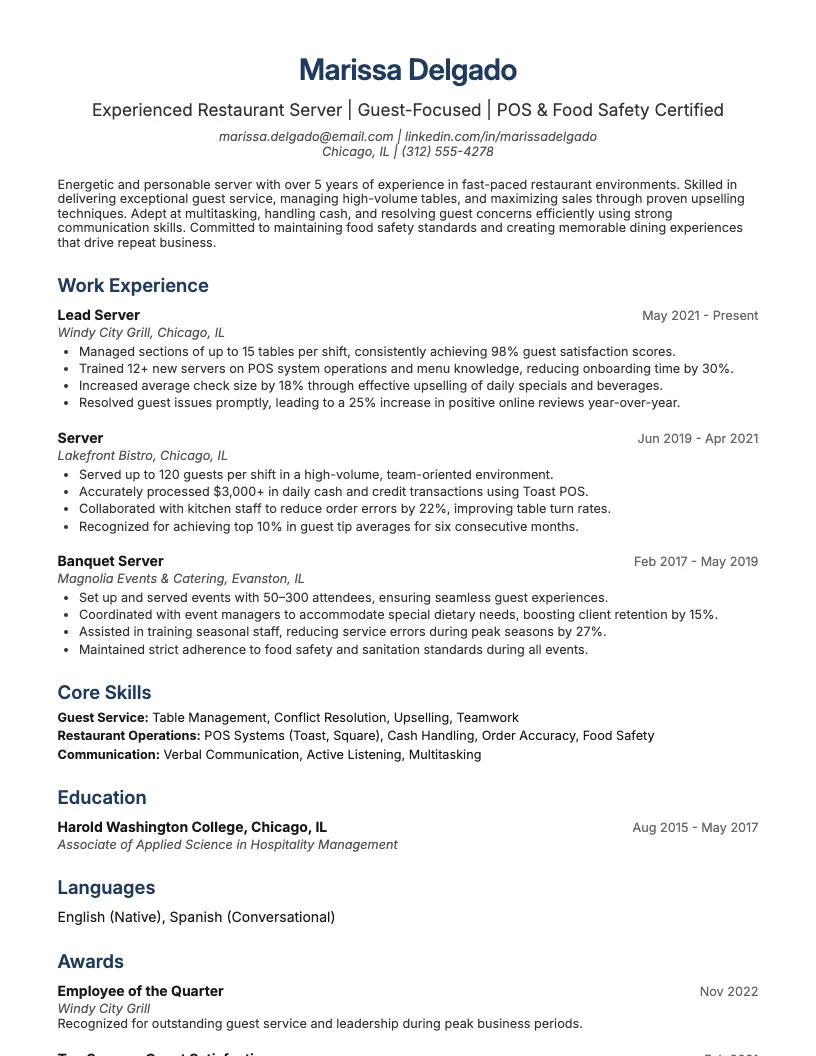 Click to enlarge
 Click to preview

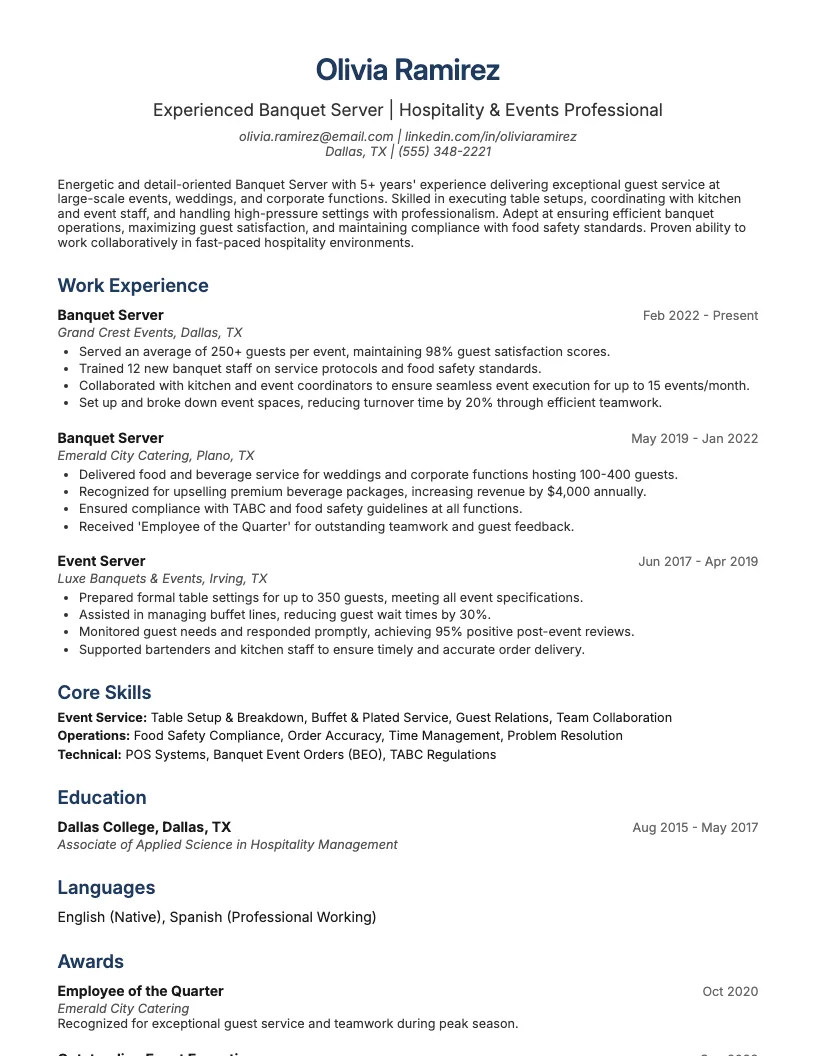
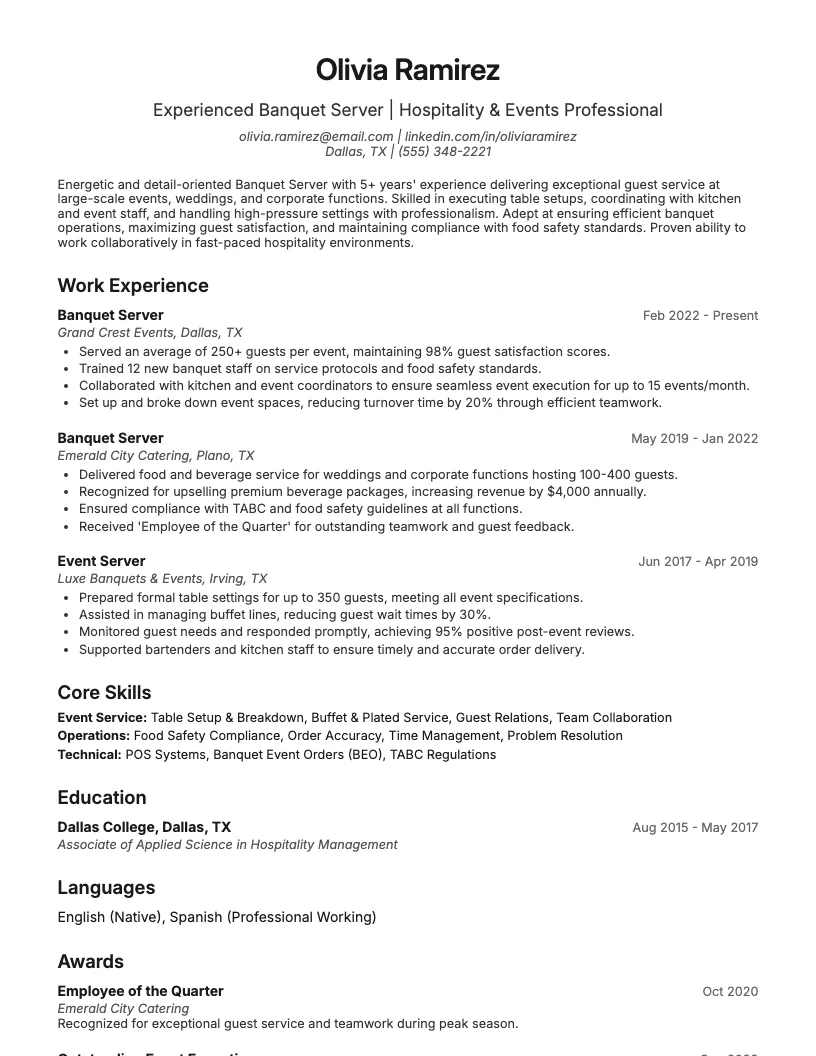
Get inspired by 62+ professional Banquet Server resume examples, each written by career experts and optimized to pass ATS scans. Pick a proven template, tailor it to your role, and download a polished resume in minutes.
Pick the specialization closest to your target role and start from a proven resume example.
If you want to land a banquet server job, you need a resume that shows real experience and skills. I know how competitive these roles get.
Here, you’ll see exactly what a strong banquet server resume looks like. I break down what matters most, from customer service to efficiency.

First impressions matter. A well-formatted resume helps you stand out, especially when hiring managers spend under 7 seconds on each resume.
I want to make it easy for you to show off your banquet server skills and experience. Clear structure, smart headers, and the right file type all play a part.
Getting your banquet server resume noticed starts with a clean, professional design. I always keep margins between 0.5 and 1 inch-this helps everything stay easy to read.
Stick to black and white for most of the text. If you want, use a little color for headings, but keep it minimal so it doesn’t distract.
Go for fonts like Arial, Lato, or Rubik at 10 to 12 points. These fonts look modern and are super easy for hiring managers to scan quickly.
A single page is usually enough, unless you’ve got years of food service experience. If that’s the case, two pages are fine.
I like using thin lines to break up different sections. This keeps things organized without making the resume look crowded or messy.
Icons can work if they’re simple, but don’t go overboard. Too many can make the layout confusing instead of helpful.
I always start my resume with a clear header-full name, city and state, phone number, and a professional email. This makes it easy for hiring managers to contact me.
Adding a LinkedIn profile is smart, especially if you have any extra food service certifications or training listed there. It shows you’re serious about your growth.
Skip the photo unless the restaurant specifically asks for it. Instead, use a short headline-like Experienced Banquet Server-to sum up your customer service and teamwork skills in just a few words.
I always save my resume as a PDF. This keeps your formatting intact whether you’re on a Mac or PC. Most hiring managers prefer this file type.
Some older applicant tracking systems only accept .docx files. Double-check the job posting-if they ask for Word, use it, but otherwise, stick with PDF.
A clear file name helps your resume stand out. I usually name mine like FirstNameLastName_BanquetServer.pdf. This looks professional and makes your file easy to find.
A great resume summary can help you stand out fast. It’s your chance to highlight your experience, skills, and what you bring to any banquet team.
You want hiring managers to see your value in just a few lines. Focusing on your strengths and achievements can make your resume more memorable.
Start with how many years you’ve worked in food service. Be specific about your roles—like banquet server or catering staff—so hiring managers know your background, and consider referencing a cover letter for inspiration.
Highlight any unique strengths. If you’re great at upselling menu items or have a food safety certification, mention it. Numbers help-like boosting guest satisfaction by 15%.
Show your enthusiasm for the job. Let them know you thrive in fast-paced environments or enjoy delivering memorable guest experiences. This helps them picture you on their team.
Your banquet server experience is what catches a hiring manager’s eye first. It sets the stage for your skills, reliability, and ability to handle fast-paced shifts.
You don’t need years of experience to have something valuable to share. Even one or two events, volunteer gigs, or training sessions can highlight what you bring to the table.
I always start by reading the job description closely. Highlight the skills and duties they mention-like teamwork, multitasking, or customer service. That’s what recruiters actually look for.
You want your resume to match those needs. Emphasize roles where you handled large groups, managed time under pressure, or delivered exceptional service—skills you can also highlight in a cover letter. Use the same keywords they use.
Don’t just list every job you’ve had. Stick to experiences that show off your hospitality skills, even if they’re from another industry. This helps your relevant strengths stand out right away.
Recruiters usually scan each resume for less than 7 seconds. If your experience matches their needs up front, you grab their attention fast.
When you tailor your resume, you highlight the exact skills and experiences the job description mentions. This makes you look like a much better fit.
I always notice when someone uses relevant keywords. This helps your resume get past ATS filters, which screen up to 75% of resumes before a human even sees them.
I always try to show real numbers on my resume. Recruiters want to see how many guests I serve or how quickly I clear tables during busy events.
You can highlight things like average tips per shift, number of large parties handled, or upsell percentages. This gives a clear picture of your impact.
There are other ways to quantify your work-mention awards, employee of the month wins, or feedback scores. It makes your experience stand out and shows your value.
I know it feels tough applying with zero banquet server jobs on your resume. But you can still stand out by focusing on transferable skills like customer service, teamwork, and multitasking.
You can list volunteering or unpaid gigs-helping at weddings, school events, or community dinners. This shows you’re willing to learn and can handle a fast-paced environment.
Certifications like food safety training or alcohol service permits help too. Even if you’ve never worked in food service, adding these shows real interest.
Highlight your soft skills. Communication, attention to detail, and a positive attitude matter just as much as technical experience in banquet service.
Everyone starts somewhere. If you’re proactive about learning and show it on your resume, you’ll grab a recruiter’s attention.
Skills matter a lot on a banquet server resume. Employers want proof you can handle large events, customer needs, and tight schedules.
You need to show both hard and soft skills. Around 80% of hiring managers say skills are a key factor in their decision.
I like to focus on skills that directly match the job description. This makes your resume stand out right away.
When I put together a banquet server resume, I focus first on hard skills. These are the technical abilities that show I can handle the nuts and bolts of the job.
Employers want to see experience with POS systems like Toast or Square. If you know table management software or kitchen display systems (KDS), list those too. This helps you stand out.
Food safety certification is a must in most venues. I also highlight inventory tracking and cash handling, since about 70% of banquet venues expect servers to juggle both.
Strong communication is a must. You need to coordinate with teammates, handle guest needs, and stay calm under pressure-especially when serving events with 100+ guests.
Adaptability stands out, too. Banquet servers often switch tasks fast, handle last-minute changes, and solve problems on the fly. This helps keep events running smooth for everyone.
I always highlight attention to detail and customer service. These show I care about getting orders right and making guests feel valued. Show these skills in your resume examples and bullet points.
Certifications and education matter for banquet server jobs, even when a degree isn’t required. They show you’re serious about learning and prepared for different situations.
If you’ve taken food safety, hospitality, or customer service courses, put them front and center. These details help your resume stand out from the stack.
You don’t need a fancy degree to land a banquet server job, but showing off your education still matters. I always include my highest diploma or GED.
List the school name, graduation year, and the credential you earned. If you did any hospitality coursework or training, call that out. It shows you’re ready for this work.
If you’ve got a GPA of 3.5 or higher, add it. This signals solid work ethic and attention to detail-qualities managers like. Keep things short, clean, and relevant.
When I list certifications, I always include the full certificate name, the issuing organization, and the date awarded. If it expires, I add the expiration date too.
You want to keep the format clean. For example: ServSafe Food Handler, National Restaurant Association, Issued June 2023, Expires June 2026. This helps employers check your credentials quickly.
Listing certifications right after your education section keeps things organized. It shows you’re up-to-date with industry standards, which about 70% of hospitality employers expect.
I always recommend highlighting certifications in their own section if you have more than one or two. This grabs a manager’s attention right away.
If you only have a single certification, you can add it to your Education section. But when you list multiple, a standalone section makes your expertise pop.
Employers often scan for food safety or alcohol service certifications. Keeping these separate helps you meet job requirements faster and shows you’re serious about the role.
I always highlight ServSafe Food Handler-it’s recognized by over 80% of hospitality employers. This certification shows you know food safety basics.
TIPS Certification is another solid pick. It focuses on responsible alcohol service, which a lot of banquet venues require. I see more job postings mentioning it every year.
If you serve alcohol, Responsible Beverage Service (RBS) and Alcohol Awareness Training both boost your credibility. These are often state-specific, so check local requirements before applying.
Consider Certified Restaurant Server (CRS) for extra polish. It's not always required, but it shows commitment to professional development.
Choosing the right mix of certifications helps your resume stand out. It’s a simple way to show you’re serious about hospitality.
If you want your banquet server resume to stand out, extra sections can help. They show more about what you bring to the table beyond basic job duties.
You can highlight awards, volunteer work, or language skills. This stuff makes a difference, especially if you don’t have years of direct experience.
You’ve seen what goes into a strong banquet server resume. Building a resume that highlights your customer service skills and teamwork can help you stand out.
If you focus on your real experience and tailor your resume for each job, you’ll boost your chances. Let’s get into how you can start creating yours.
If you’re serious about landing a banquet server job, your resume needs to show your best side. Highlight your experience, skills, and relevant certifications right up front.
Use numbers when you can-like “served 200 guests per event.” This helps employers see your impact and understand your real-world experience.
Don’t forget to tailor your resume for every job. Personalizing your application—and including a cover letter—improves your chances and shows you actually care about the role.
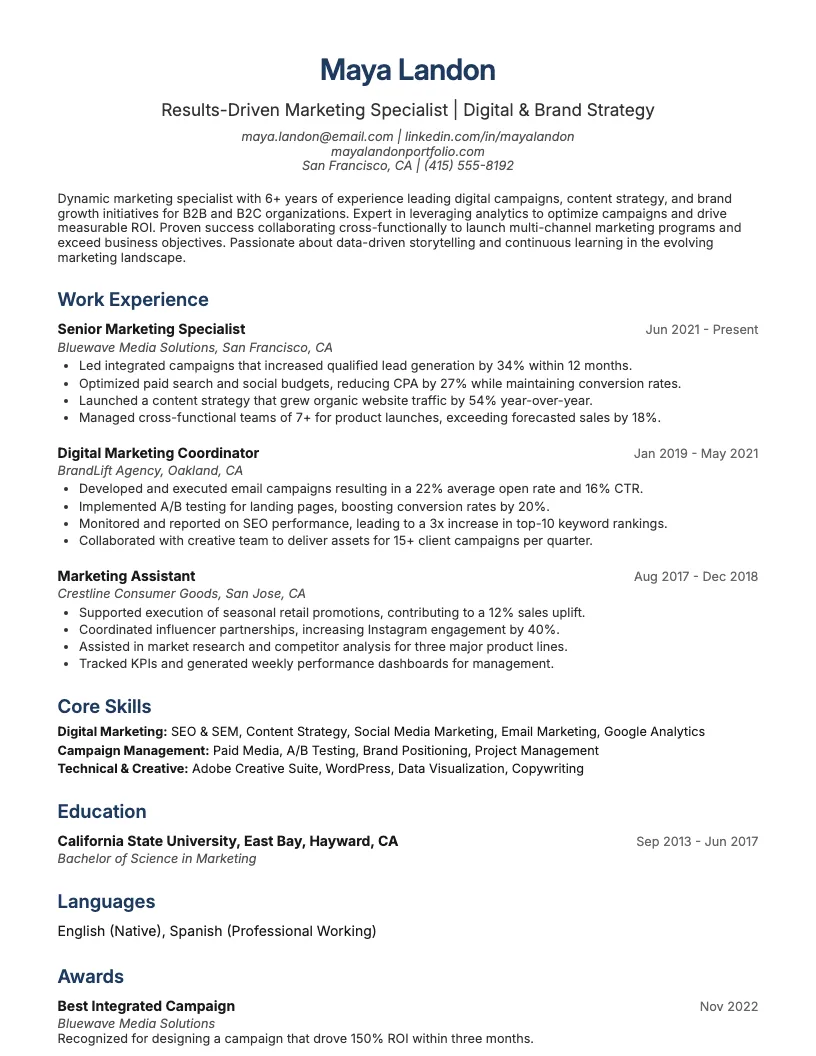
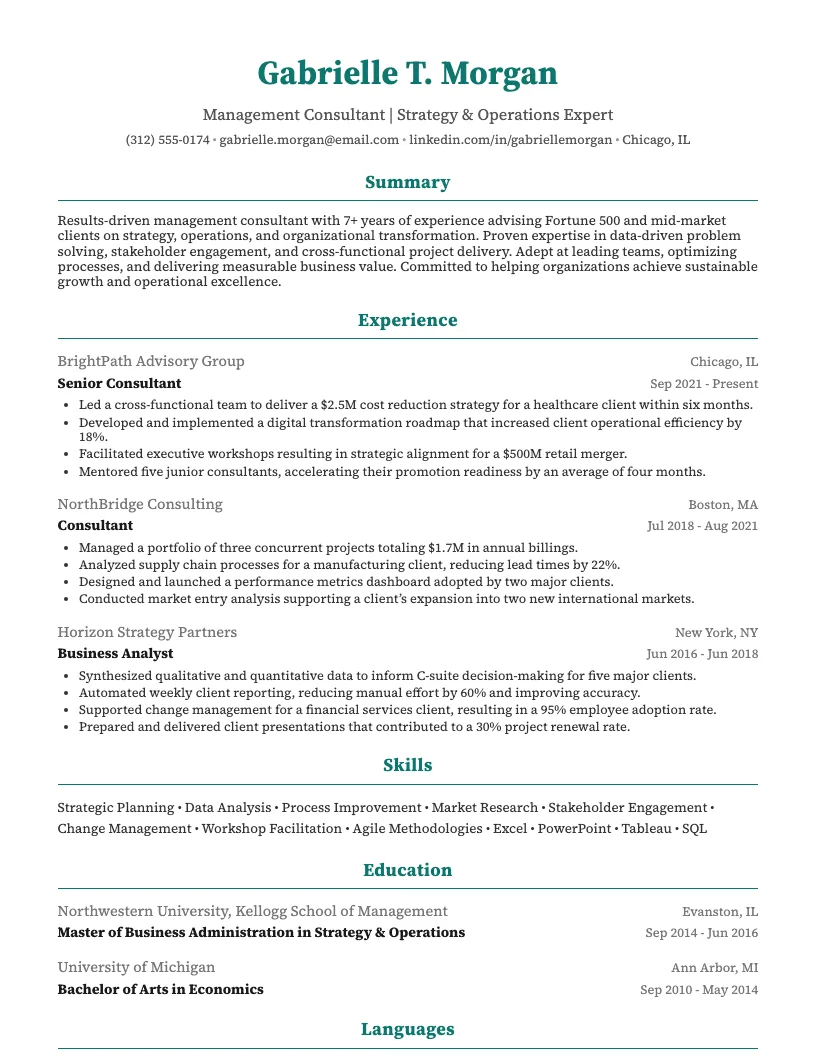
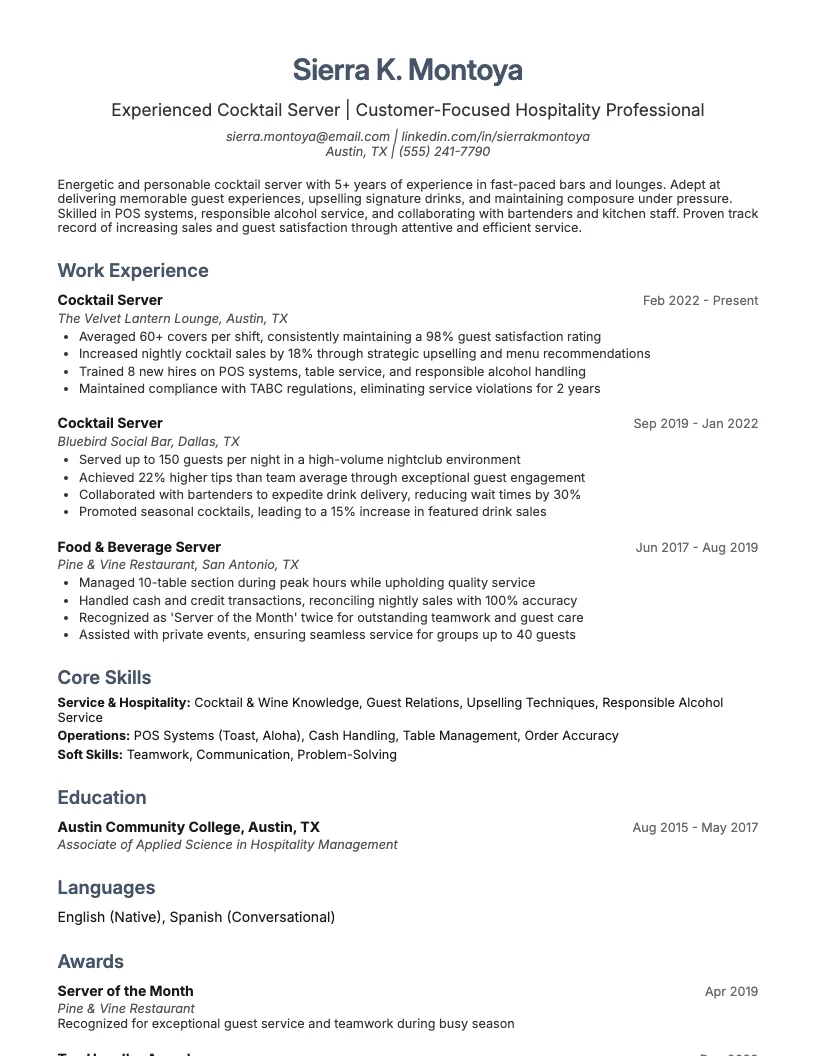
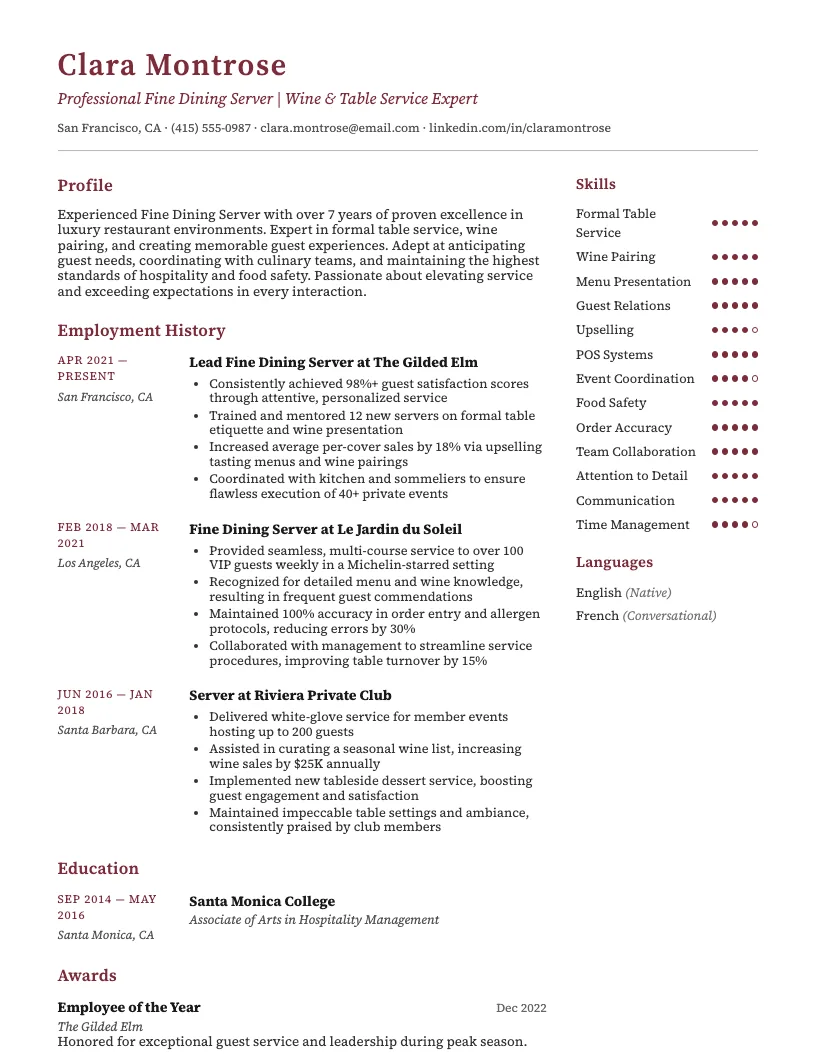
Browse Banquet Server resume examples for related roles. Preview any example, open it in the builder, or read its full guide.
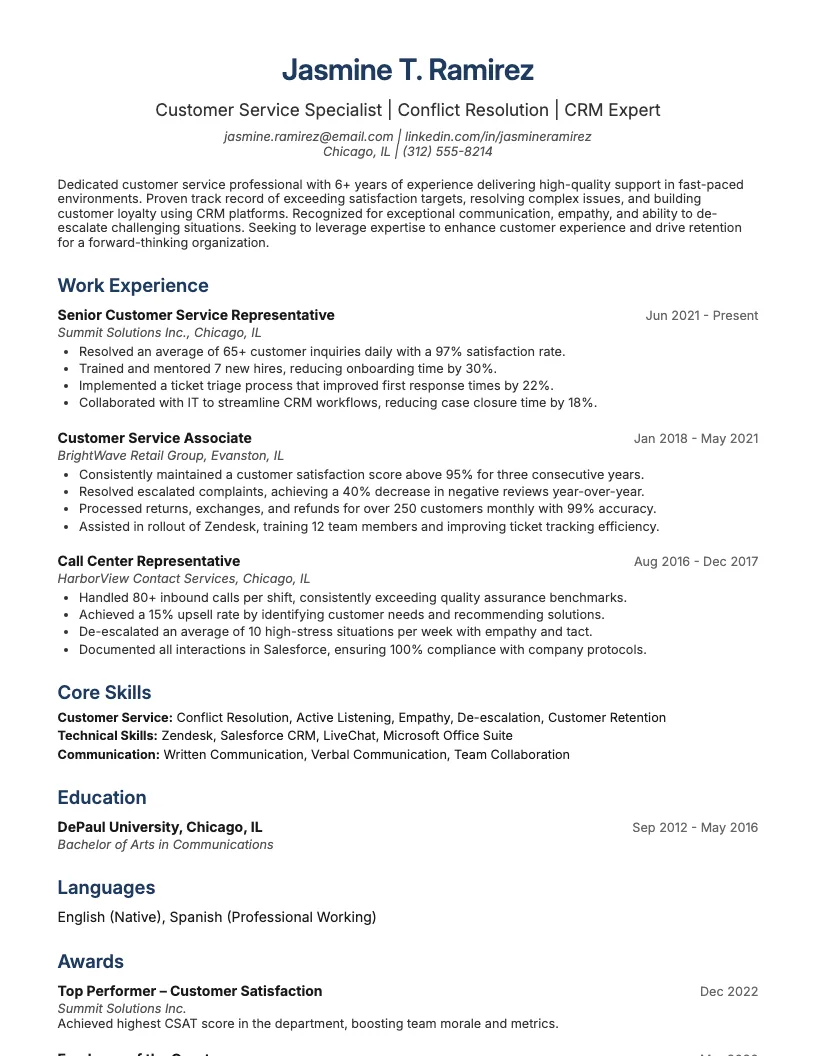
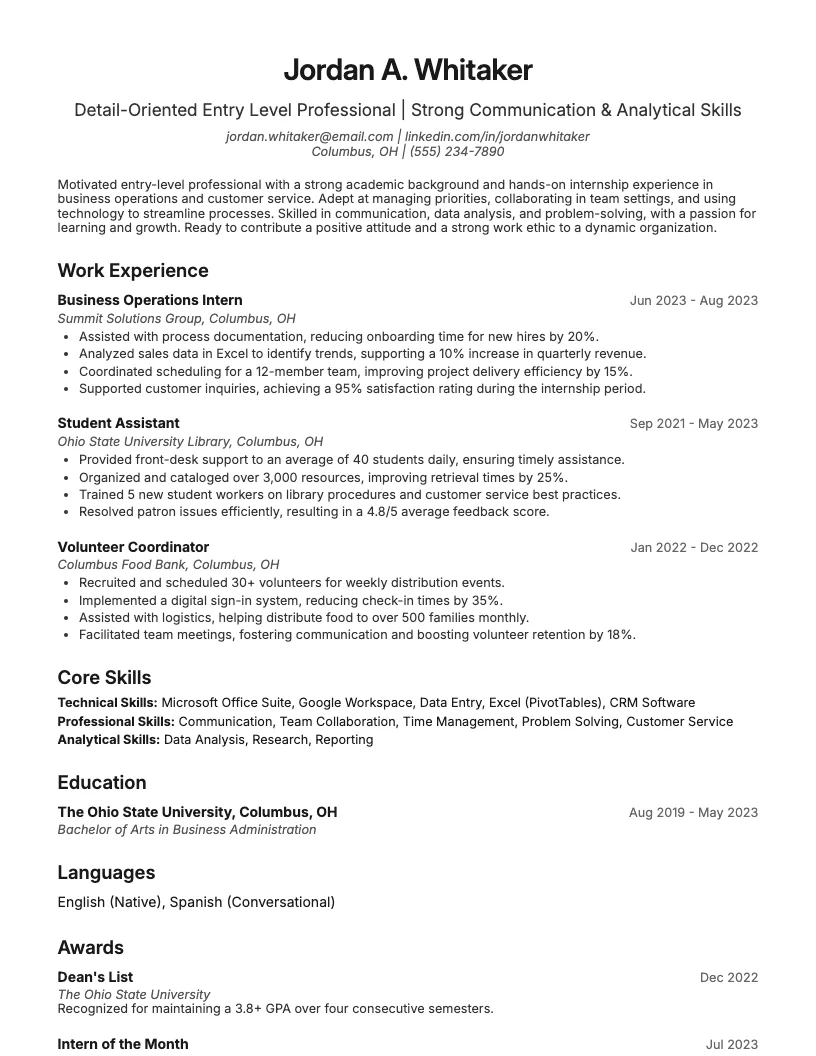
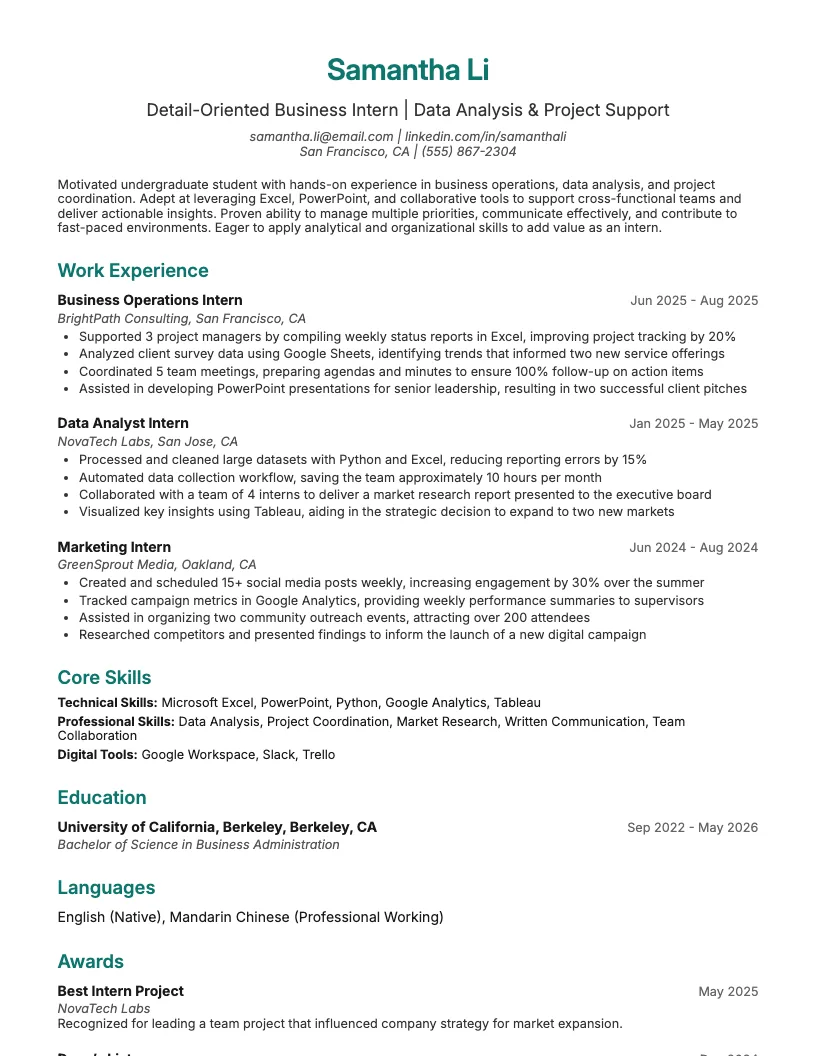
Click to enlarge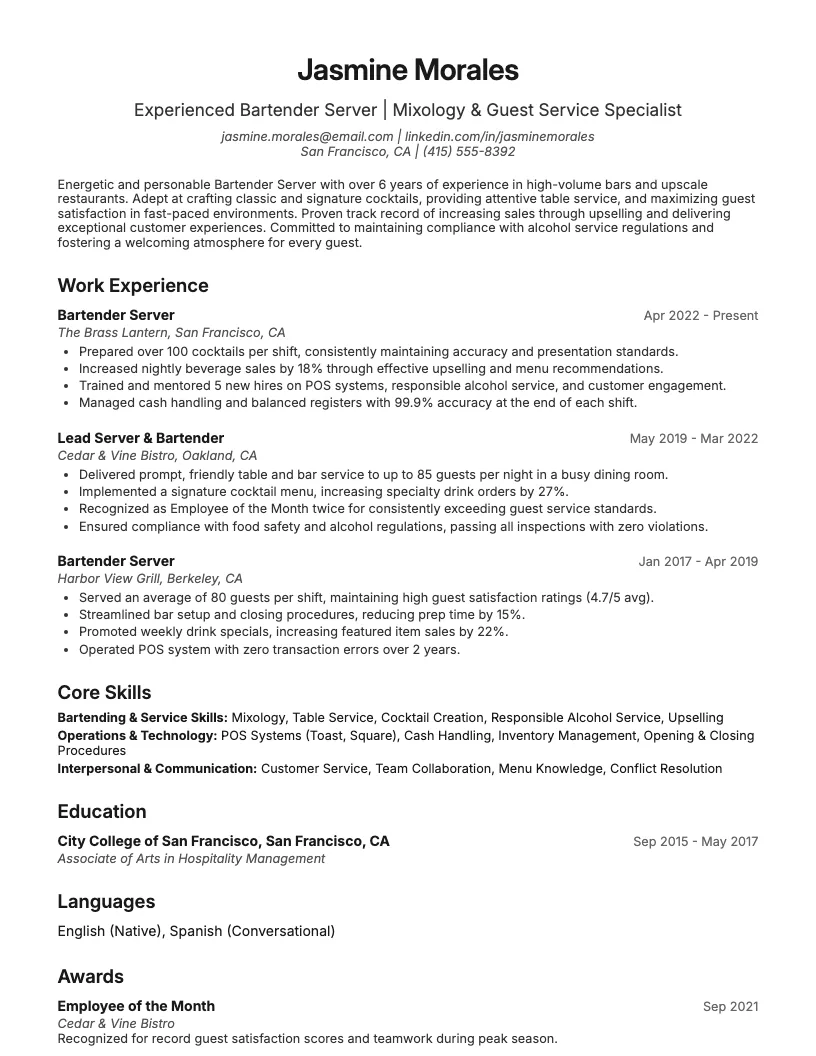 Click to enlarge
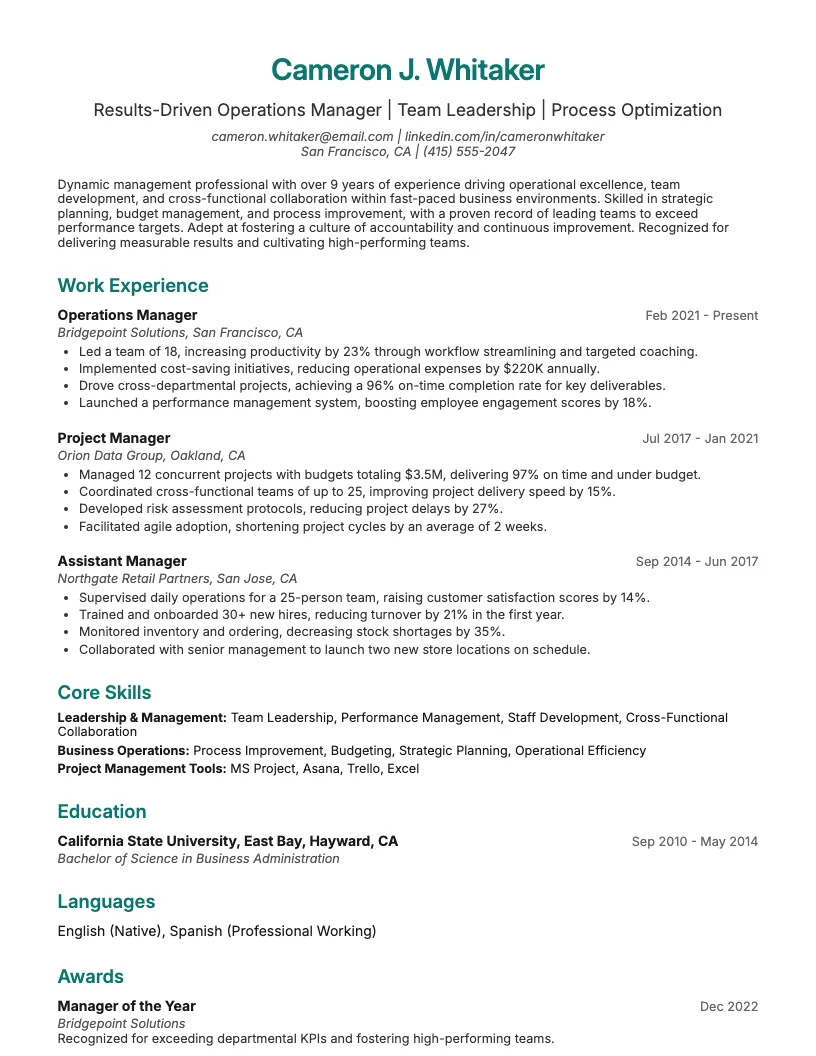
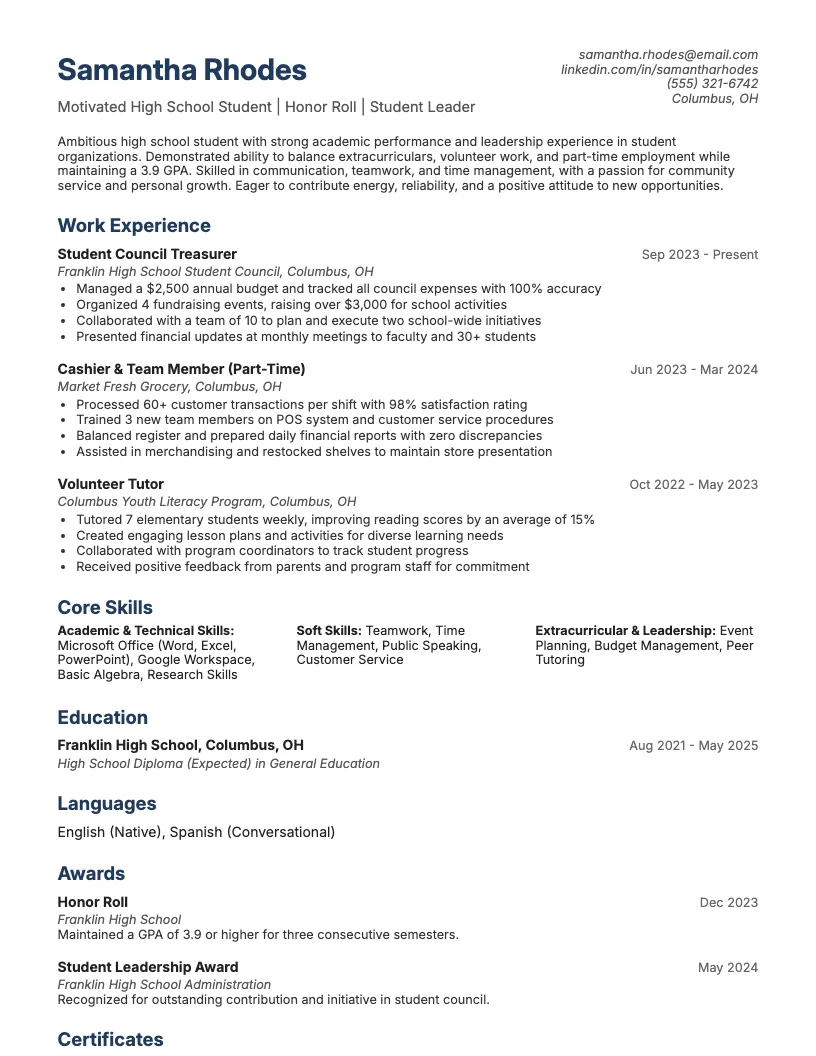
 Click to enlarge
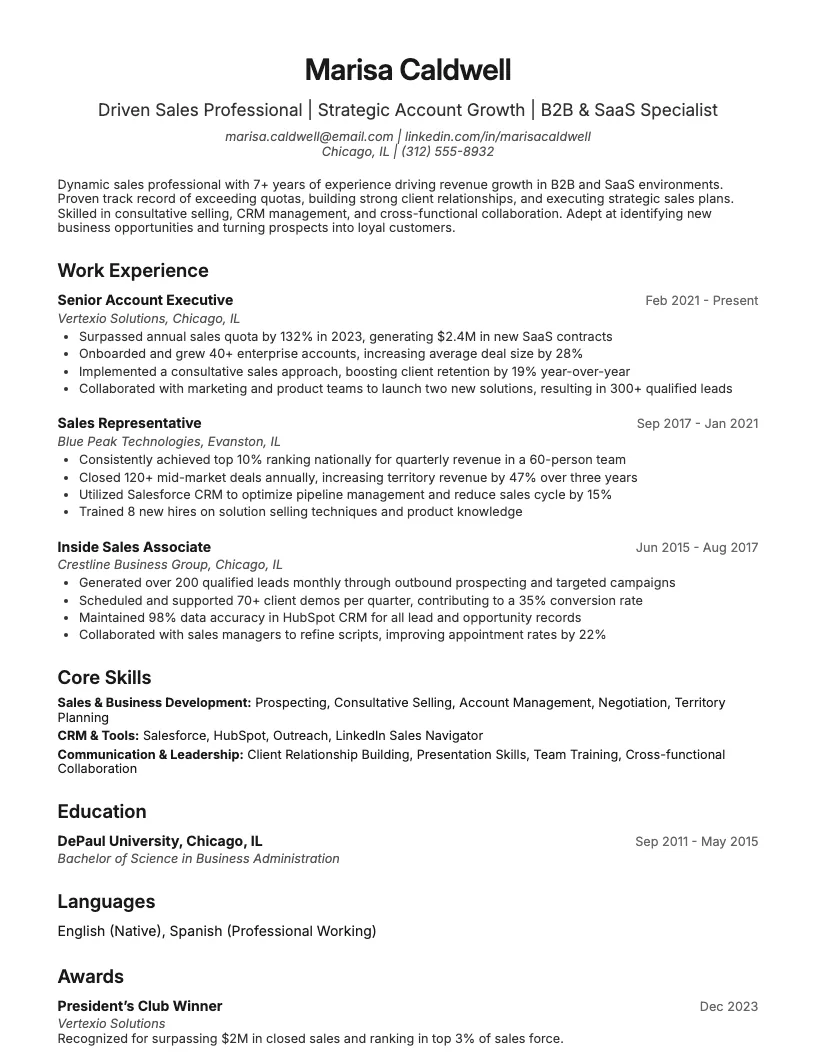
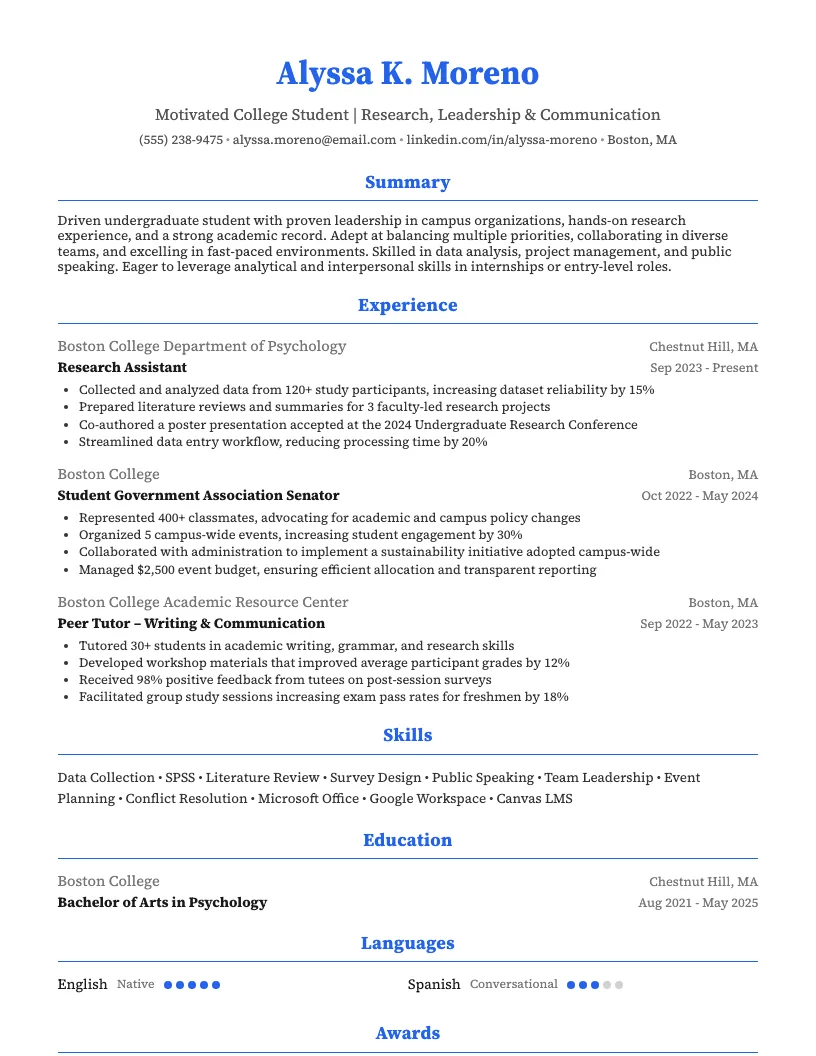
 Click to enlarge
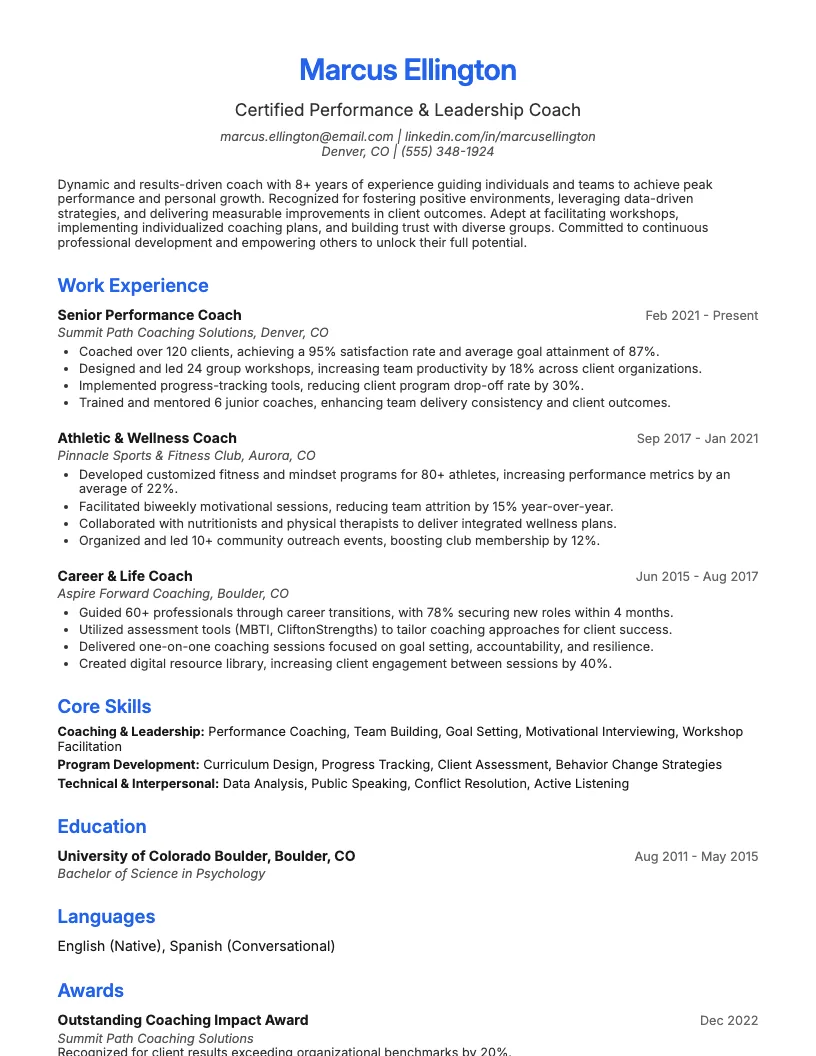
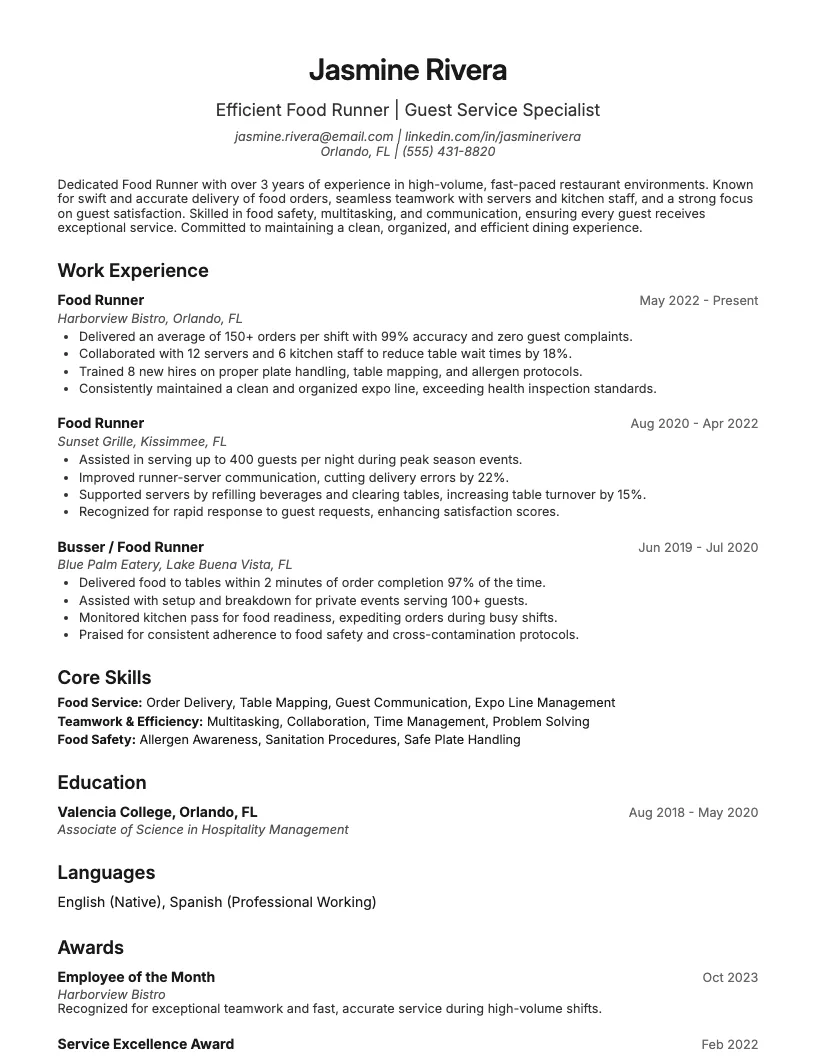 Click to enlarge
Common questions about Banquet Server resumes
A Banquet Server resume template is a pre-formatted document designed to highlight skills and experience relevant to serving at events. It helps you showcase customer service, teamwork, and hospitality abilities effectively.
Many Banquet Server resume templates, such as those from ResumeJudge, are ATS-friendly. This ensures your resume passes automated screenings and reaches hiring managers in hotels, catering companies, and event venues.
Use a Banquet Server resume template when applying to hospitality roles at hotels, catering businesses, or event venues. It's perfect for job seekers pursuing part-time, full-time, or seasonal banquet serving positions.
Yes, you can easily customize a Banquet Server resume template to suit your unique experience and skills. ResumeJudge templates let you edit sections to match specific job requirements or personal achievements.
Banquet Server templates focus on hospitality, customer service, and event skills, while others may highlight different abilities. ResumeJudge offers tailored templates so you target your resume to each role.
A Banquet Server resume should ideally be one page, focusing on recent and relevant experience. ResumeJudge templates help you keep your format concise and professional for maximum impact.
Yes, most Banquet Server resume templates highlight soft skills like communication, teamwork, and adaptability. These skills are essential in hospitality roles and are featured in ResumeJudge templates.
Absolutely! You can add certifications such as food safety or beverage service. ResumeJudge templates offer dedicated sections to showcase your qualifications and stand out to employers.
Banquet Server resume templates from ResumeJudge are available in Word, PDF, and Google Docs formats. This flexibility makes it easy to edit and submit your resume to different employers.
Yes, Banquet Server resume templates are ideal for entry-level candidates. They help you emphasize transferable skills and relevant volunteer or part-time experience, making your application stronger.
Explore more professional resume examples to inspire your job search
Use our AI-powered resume builder to create a professional, ATS-friendly resume in minutes.
Free to use • No credit card required