Learning and Development Manager Resume Example
See full guide on Learning and Development Manager resumes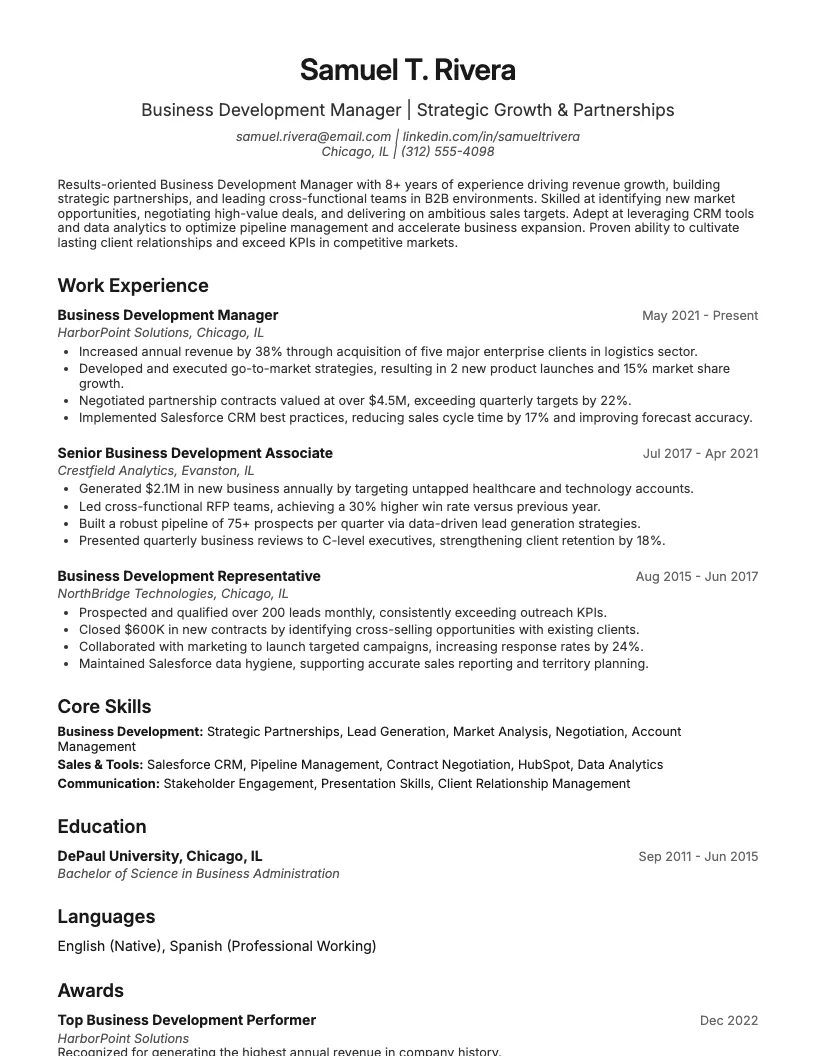 Click to enlarge
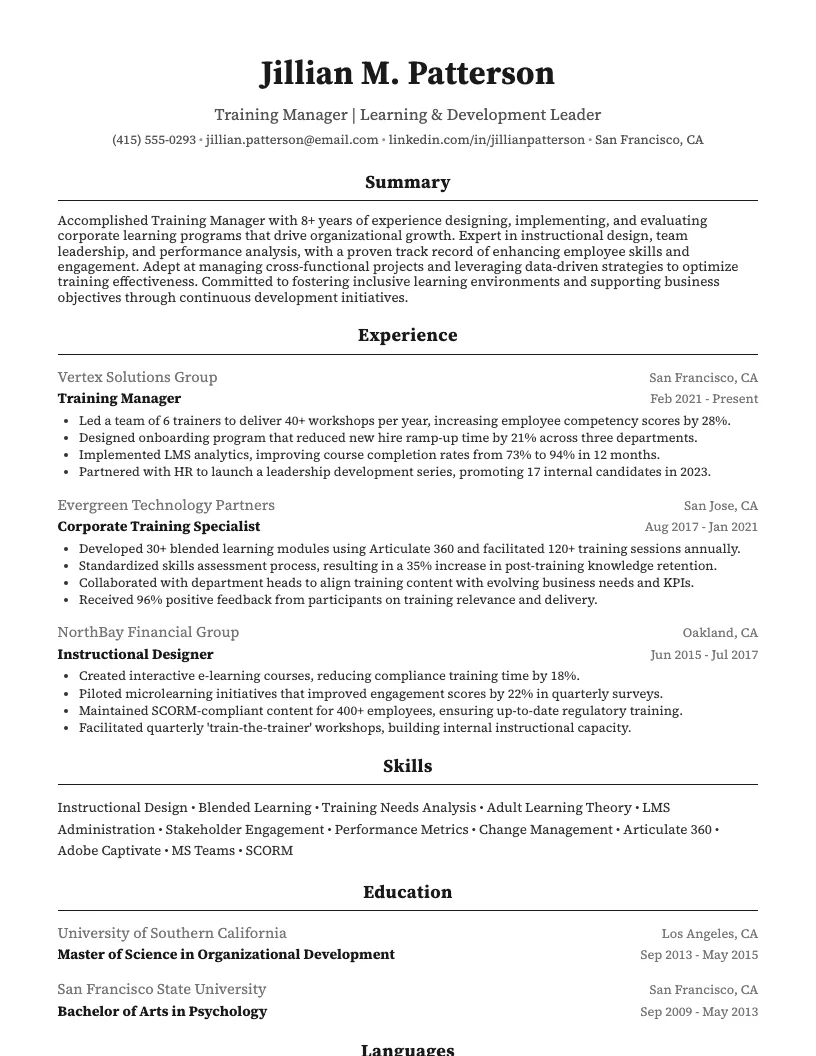 Click to preview

Get inspired by 50+ professional Training Manager resume examples, each written by career experts and optimized to pass ATS scans. Pick a proven template, tailor it to your role, and download a polished resume in minutes.
Pick the specialization closest to your target role and start from a proven resume example.

A solid training manager resume shows off your leadership, communication, and organizational skills. You want to highlight your impact on learning and employee development.
You don’t need to guess what works. I’ll walk you through crafting a strong summary, picking the right skills, and choosing the best experience to include.
Your resume summary is the first thing hiring managers see. I always make sure mine packs a punch in just a few sentences.
Start with your job title, years of experience, and core strengths. For example, “Training Manager with 8 years in manufacturing, skilled in developing and leading high-impact learning programs.”
Tailor this section to each job. Use keywords from the job posting. This helps your resume pass ATS filters and shows you understand what the company needs.
Focus on quantifiable achievements in your experience section. I always include numbers-like how many employees I trained or the percentage boost in team performance.
Highlight specific results. For example, "I implemented a sales training program that increased closed deals by 30%" or "Reduced onboarding time by 25% through tailored workshops."
You want your bullet points to show real impact. Use metrics, percentages, or KPIs to prove you drive change. This helps hiring managers see your value right away.
I always put my highest degree front and center. Most training manager jobs want at least a bachelor's in HR, business, or a related field. Master's degrees definitely help.
You should also highlight certifications. Stuff like CPTD, SHRM-CP, or Certified Learning Specialist shows real commitment. Around 60% of hiring managers look for these extra credentials.
If a job posting asks for a specific degree or cert, I make sure I list it clearly. This helps recruiters see you’re qualified before they even scan your experience.
You want your skills section to stand out. I focus on high-demand abilities like curriculum design, data analysis, and leadership—skills also emphasized in an instructional coordinator cover letter. These are common in training manager job descriptions.
I always include hard skills such as learning management systems (LMS), performance metrics, and compliance training. Listing 8-12 skills keeps the section easy to scan.
Don't forget soft skills like team motivation, stakeholder communication, and problem-solving. This helps recruiters see that you’re more than just technical know-how.
When I talk about my training manager experience, I always list out the specific courses and curriculums I design. This helps employers see my real impact.
You want to include details like the topics you cover, the number of people trained, and any measurable results. For example, “Delivered onboarding for 75+ new hires, boosting productivity by 20%.”
Don’t forget to highlight your communication skills. I show how I explain complex ideas, run Q&A sessions, and adapt content for different teams. This rounds out your resume nicely.
Getting your resume format right is key if you want recruiters to notice you. I know how much a clear structure can speed up the review process.
You want to include the right sections and keep everything relevant. Usually, the best resumes are one to two pages and stick to proven layouts.
Next, I’ll walk through which sections matter most and what recruiters actually want to see in a solid training manager resume.
When I build a training manager resume, I always start with a clean header. Add your name, contact info, and maybe a LinkedIn or portfolio link right up top.
Next comes your professional summary. This is where you highlight years of experience, industry focus, and a big accomplishment or two. Two or three sentences is plenty.
The experience section is where you shine. Use bullet points to show impact-think employee growth stats, program completion rates, or training hours delivered. Numbers make results pop.
Education and certifications matter, too. List your degrees, but add any relevant certificates, like CPTM or a leadership coaching credential. It shows you’re serious about developing your skills.
If space allows, toss in sections like Projects, Awards, or Publications. These round out your professional story and help you stand out from other candidates.
Recruiters want to see real impact. Show how you design and deliver training programs that boost performance, retention, or skills-use stats like “increased engagement by 30%.”
Highlight your hands-on experience with different training methods. If you use e-learning, workshops, or blended approaches, mention it. This tells them you adapt to diverse learning needs.
I notice recruiters love seeing leadership and communication skills in action. Describe how you motivate teams, manage trainers, or handle cross-department projects. Numbers and clear examples work best.
Wrap it up by showing your comfort with tech-list any learning management systems or tools you use. This helps your resume stand out, especially if you tailor it to the specific company.
Nailing the experience section is crucial for training managers. This part shows how you actually make a difference, not just what your job title says.
You want to highlight achievements, not just daily tasks. Focus on details that match the job you want, and use numbers to prove your impact.
If you’re unsure how to show your value, don’t stress. I’ll break down how to quantify your results, pick strong verbs, and handle gaps in experience.
I always focus on numbers when I write about my training manager experience. How many employees did I train? What percentage improved their performance? These stats make my impact clear.
You want to show concrete results-like reducing training costs by 15%, boosting course attendance, or launching six new programs in a year. This helps hiring managers see your value right away.
There are plenty of ways to highlight your reach and effectiveness. Track things like compliance rates, feedback scores, or the number of certifications earned under your guidance. Quantifying builds trust in your abilities.
I always tell people to ditch the generic verbs. Use words like designed, implemented, facilitated, and evaluated. These show your hands-on impact and leadership skills.
There are plenty of strong options: orchestrated, optimized, coached, monitored, and delivered. Each one highlights a different aspect of your day-to-day as a training manager.
If you want to stand out, match the action verbs to the results you achieved. This helps recruiters see your direct impact, not just your responsibilities.
If you don’t have formal training manager experience, highlight any leadership, coaching, or onboarding you’ve done. I focus on transferable skills like communication, organization, and project management.
You can showcase volunteer work, internships, or side projects—anything where you’ve taught, mentored, or coordinated people, as you might highlight in an education program coordinator cover letter. This helps recruiters see your potential beyond job titles.
Always tailor your resume. Use keywords from the job posting and link your past accomplishments to core training manager tasks. It shows you understand what the job needs.
Recruiters look for a balance of technical and people skills in training managers. Both types matter when you want to move forward in this field.
You need to show you can handle job-specific tools and lead teams. Proving you’ve got both makes your resume stand out to hiring managers.
Hiring teams want to see clear examples, not just buzzwords. Listing results or key projects helps you show what you can actually do.
Your education and certifications help show you’re ready to lead training programs. Most training managers have at least a bachelor’s degree. Some go further with graduate degrees.
Relevant certifications add credibility fast. They can set you apart, especially if you’re new to the field or aiming for leadership roles. Let’s look at which ones matter most.
Big names like CPTM and CPLP stand out on any training manager resume. These prove you know advanced training strategies and can lead learning programs.
I always recommend the SHRM-SCP or SPHR if you come from an HR background. These show you’re serious about people development and compliance.
If you want international credibility, the International Trainer Certification (ITC) works well. This helps if you work with global teams or plan to relocate.
List your certifications up top on your resume. This way, recruiters spot your credentials right away, and you instantly look more qualified.
Deciding between a summary or an objective on your training manager resume can trip people up. Each one serves a different purpose and fits different career stages.
If you have years of experience, a summary quickly highlights your biggest wins as a training manager. If you’re just starting out, an objective focuses on your goals and enthusiasm.
No matter which you choose, it should help recruiters see your impact right away. Next, I’ll walk you through some real examples that work.
If you want to stand out, highlight your impact with hard numbers. For example, "I lead a training team that boosts employee retention by 22% in two years."
You can mention industry-specific skills and achievements. Say, "I design compliance programs for finance teams, increasing audit scores by 18%."
There are ways to keep it concise but powerful. Use phrases like "drive continuous learning," or "I roll out e-learning tools to 500+ users." This helps recruiters spot your real results fast.
Training manager roles look different depending on your experience. I see clear differences in skills, impact, and responsibilities at each stage.
If you’re just starting out or have 10+ years in the field, your resume needs to reflect your unique journey. Let’s break down what works best for each career level.
Starting out as a training manager? I see a lot of folks break in with just 1-3 years of related experience. You don’t need decades in HR to get noticed.
Focus on your transferable skills-like communication, organization, and leadership. If you’ve led workshops or onboarding sessions, highlight that—just as you would in a cabin crew trainer cover letter. Employers want to see real examples, not just buzzwords.
You can boost your resume with certifications. Things like CPTM or micro-credentials add credibility, even if you’re early in your career. This helps you stand out in a crowded field.
Now that you’ve got several years of experience, your resume should show how you lead teams, manage projects, and deliver measurable results. Hiring managers want to see impact.
I always highlight programs I’ve managed, mentioning how many people I’ve trained-like “Developed onboarding program for 200+ new hires.” This shows scale and responsibility.
You should also mention specific tools or platforms-LMS, e-learning, or blended learning. This helps prove you’re tech-savvy and up-to-date with current training trends.
If you’re targeting senior training manager roles, you want your resume to highlight leadership, strategy, and concrete results-think $1M budgets or teams of 20+ trainers.
You should show off your experience with company-wide programs, executive coaching, and cross-functional projects. Mention metrics: retention rates, training satisfaction scores, or cost savings.
I always recommend adding customized sections for certifications, published work, or speaking engagements. This helps your resume stand out at the top level.
Finding the right resume template makes writing easier. You can plug in your details without stressing about fonts or layout.
I see that hiring managers like clear, simple resumes. Black and white formats work best, especially for training manager roles.
Real examples show how successful training managers highlight staff development, program management, and measurable results. These samples give you a good place to start.
If you're curious about pay for training managers, you're not alone. I always want to know what the job is actually worth.
Salary numbers can change a lot by state and experience level. You might see big differences between industries too.
I like to check real data before making a move. Let’s break down what you can actually expect as a training manager in the US.
Browse Training Manager resume examples for related roles. Preview any example, open it in the builder, or read its full guide.
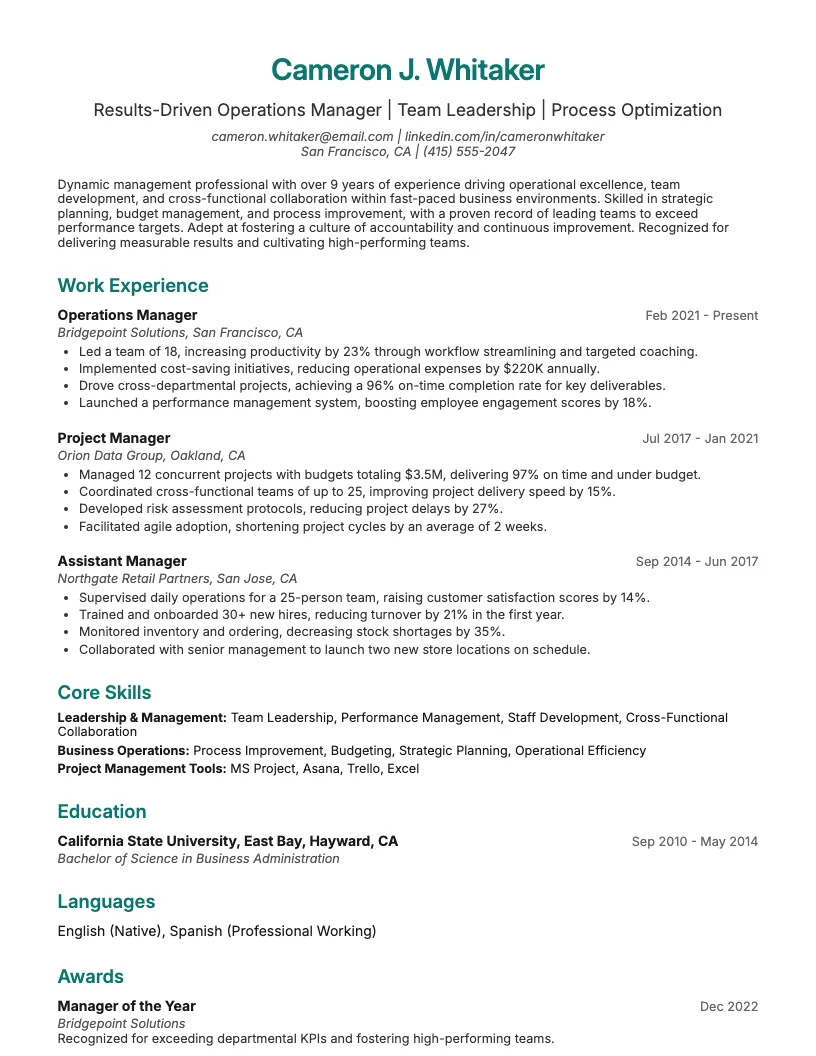
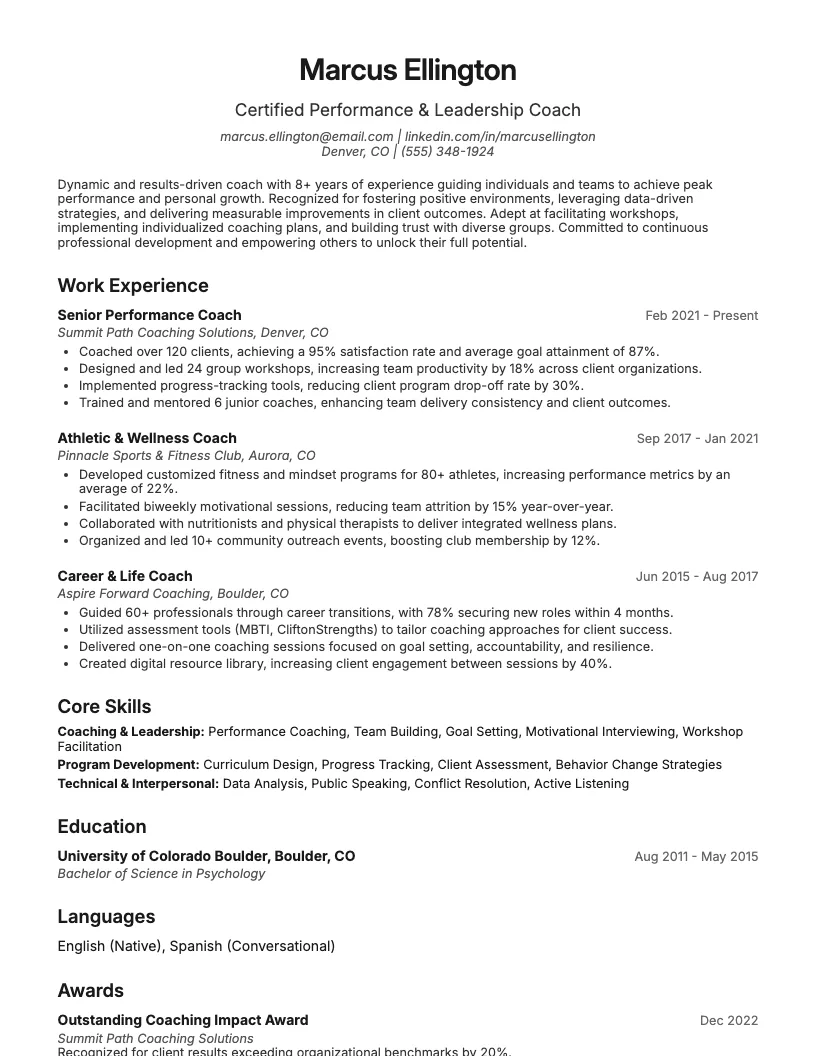
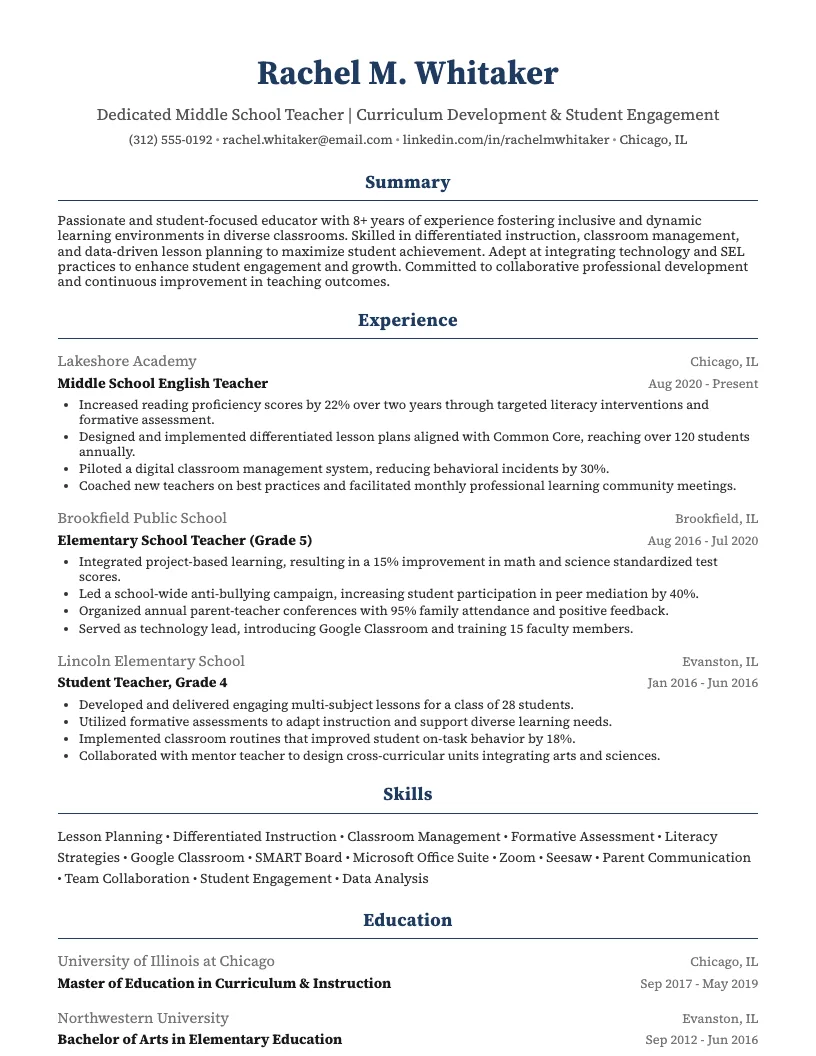
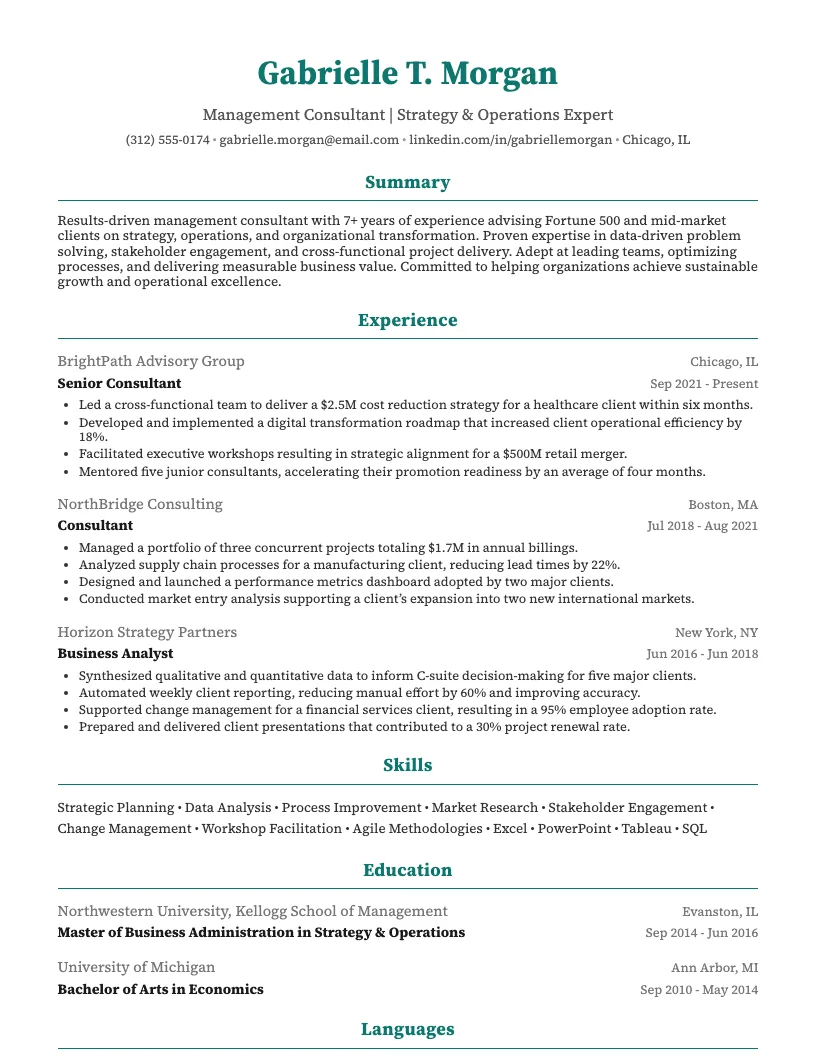
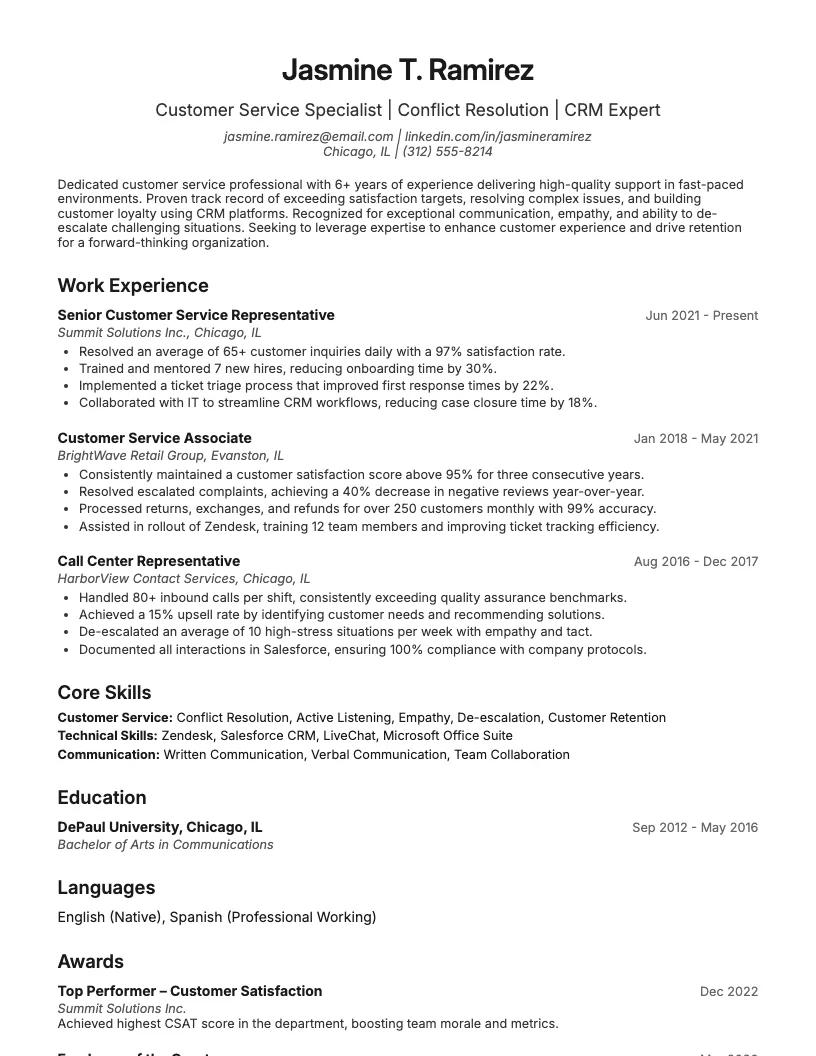
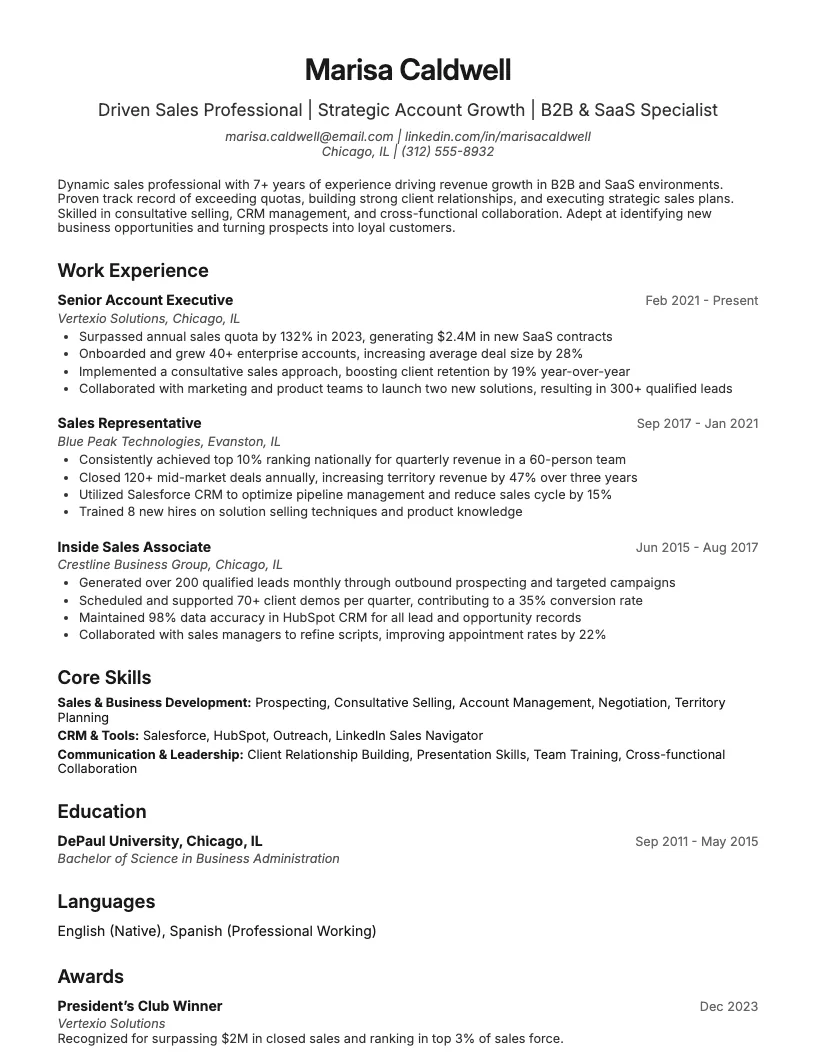
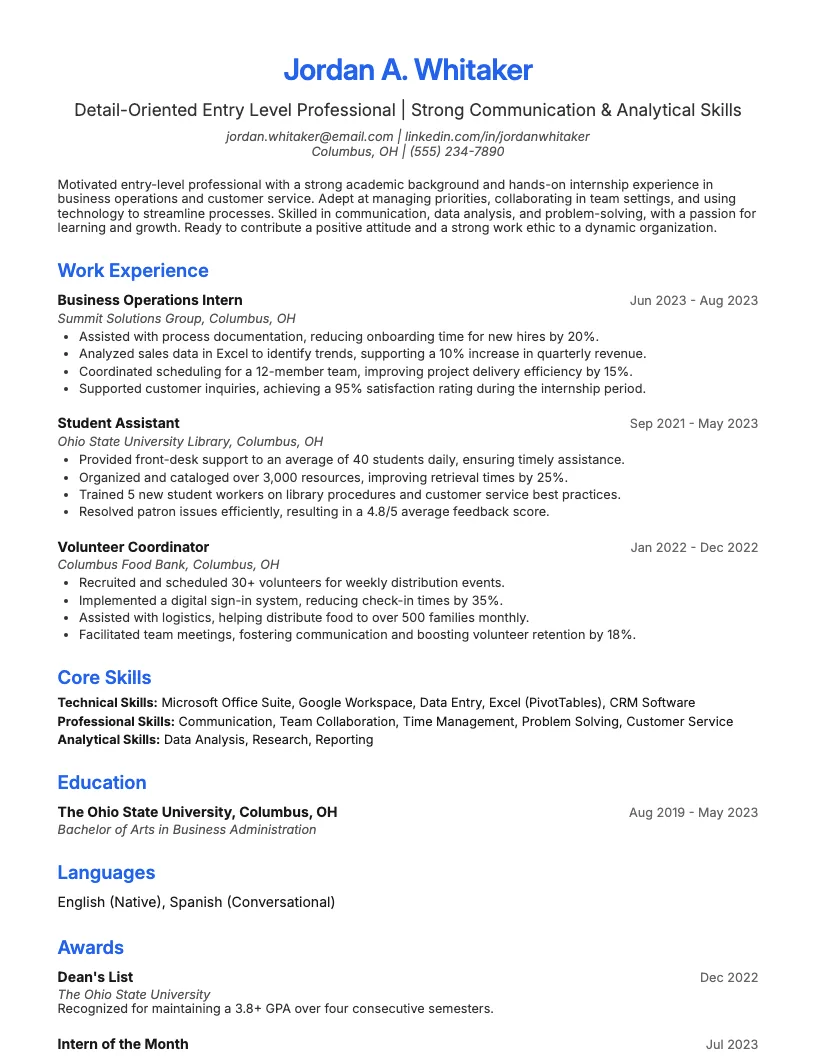
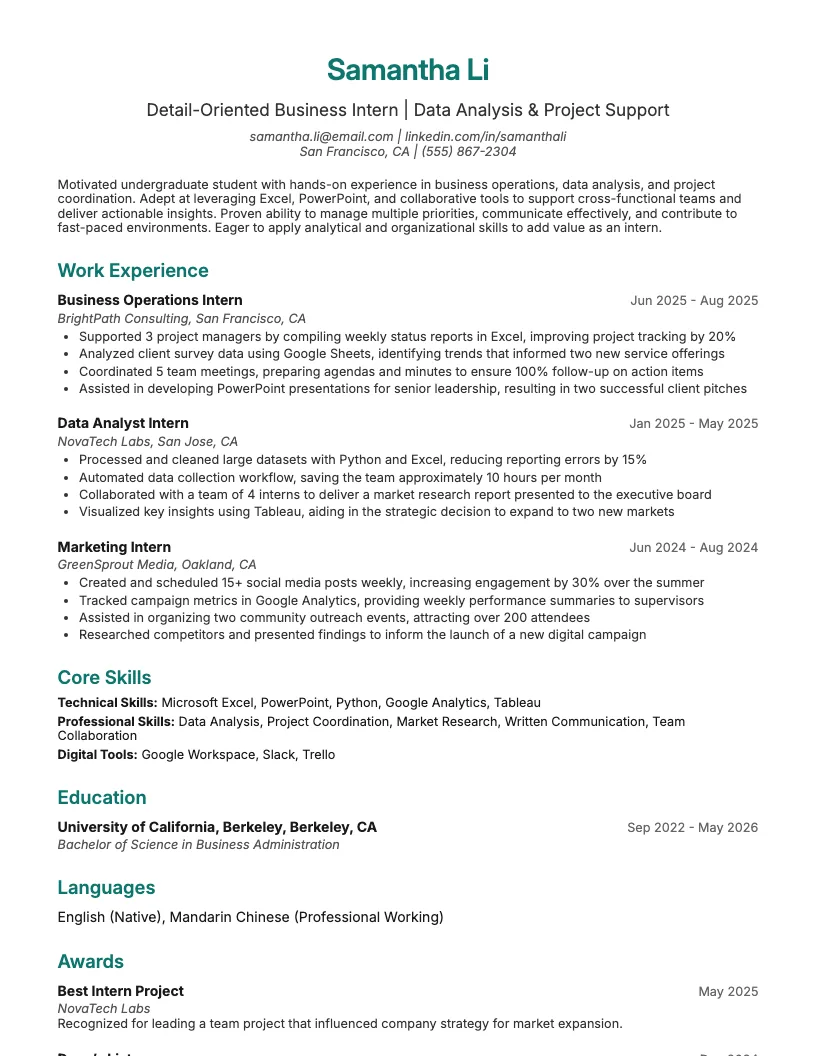
Click to enlarge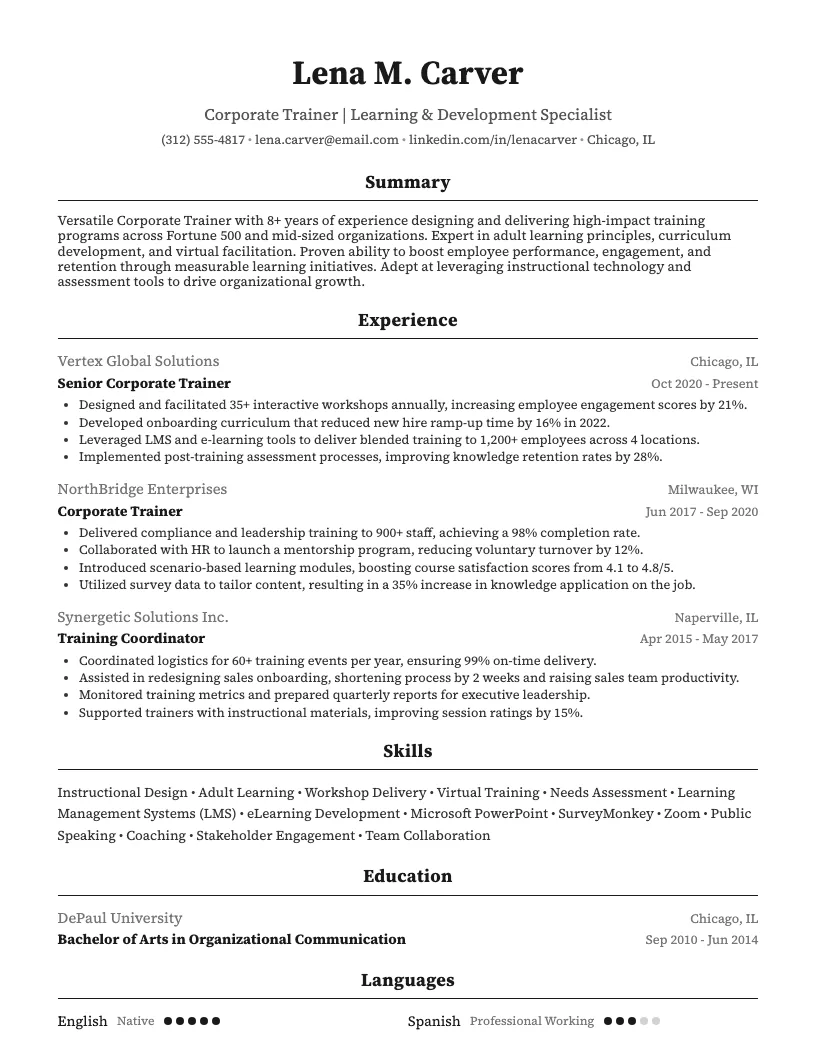 Click to enlarge
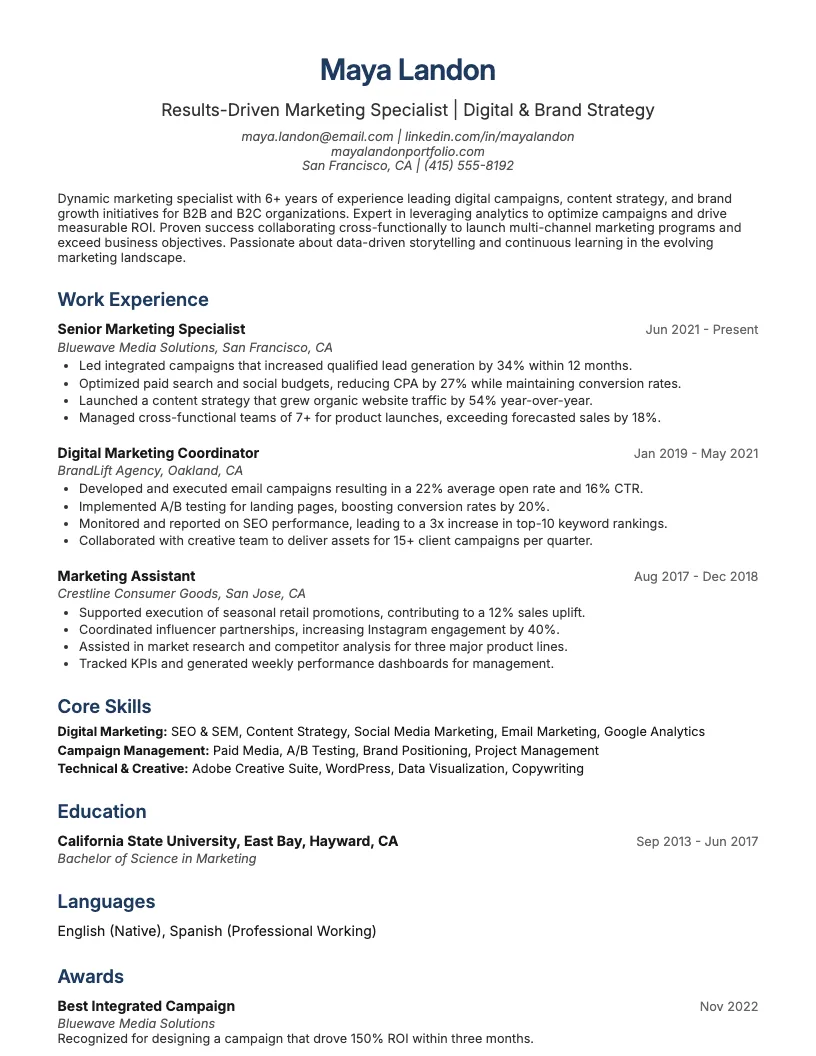
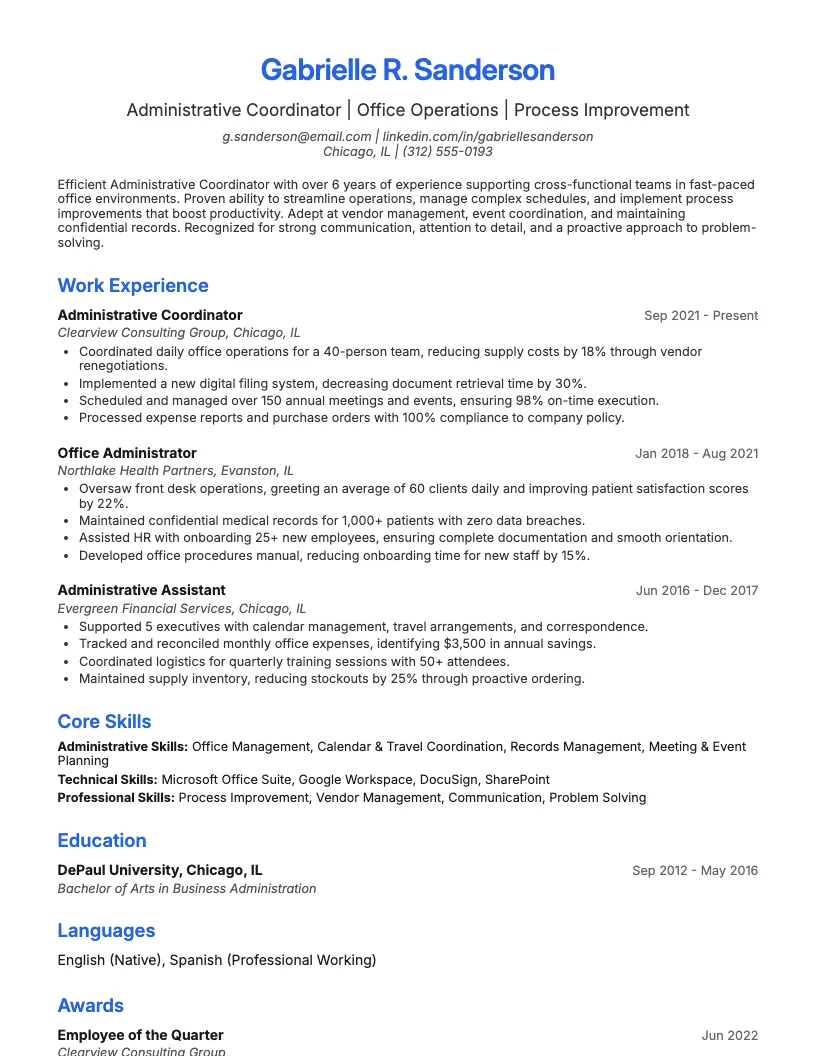 Click to enlarge
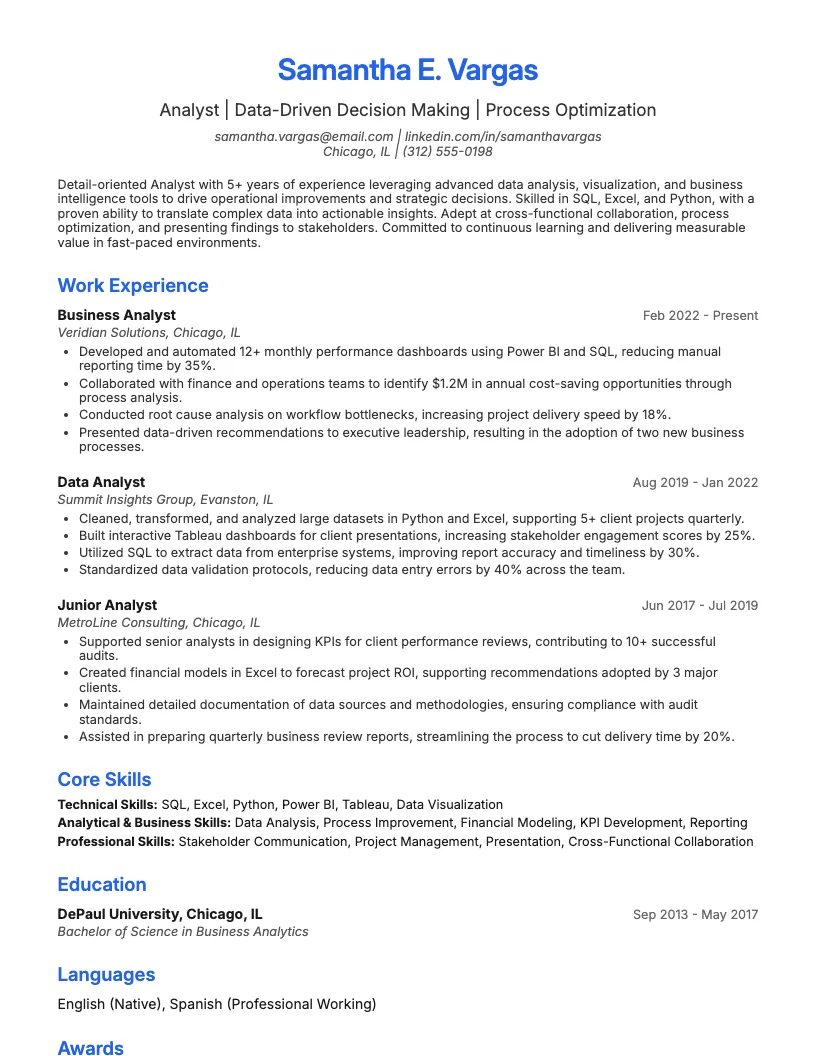
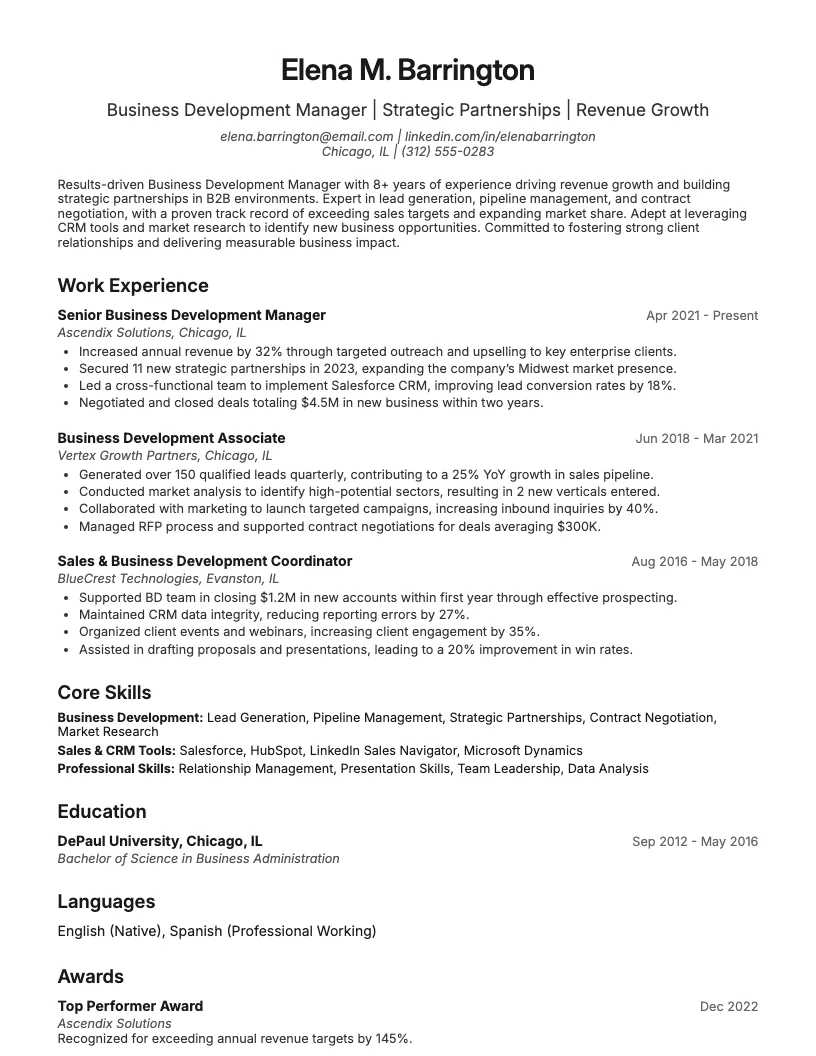 Click to enlarge
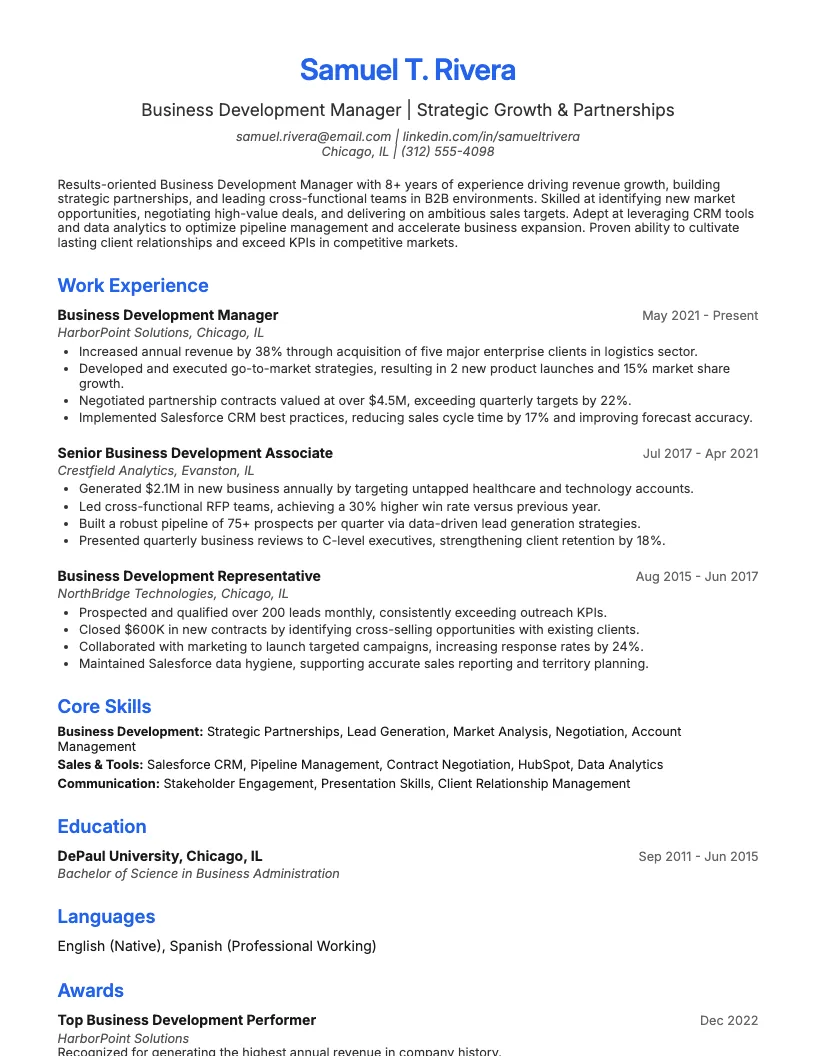 Click to enlarge Click to enlarge
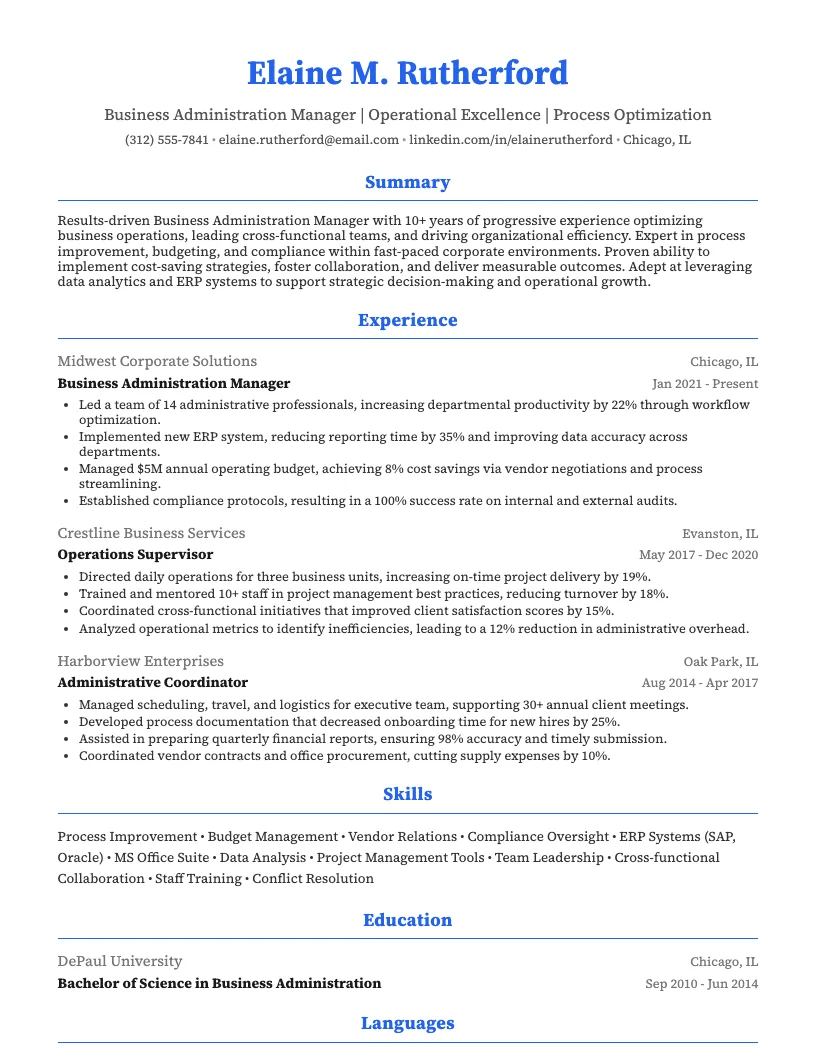 Click to enlarge Click to enlarge
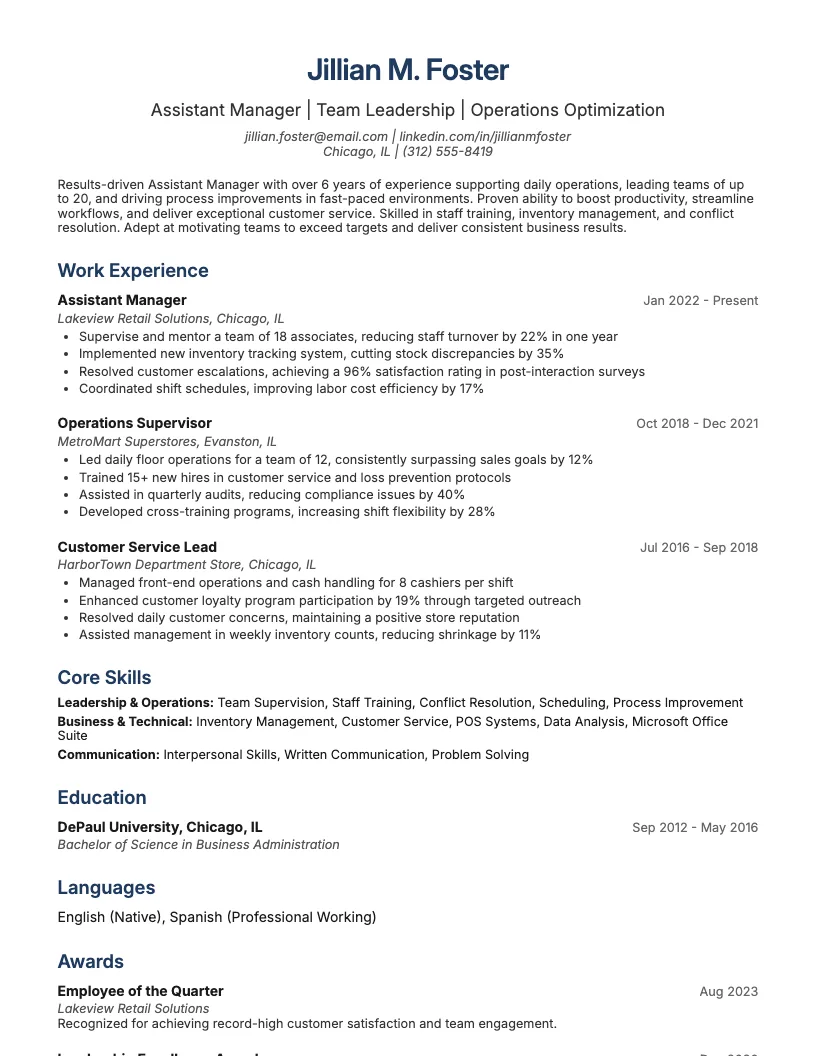 Click to enlarge Click to enlarge
Common questions about Training Manager resumes
A training manager resume template is a pre-formatted document designed to highlight your leadership, training, and program development skills. It helps you showcase achievements in corporate, healthcare, or educational settings.
Yes, ResumeJudge templates are ATS-friendly, ensuring your resume passes automated screening systems. This boosts your chances of landing interviews in large organizations using applicant tracking software.
Use a training manager resume template when applying for roles in HR, corporate training, healthcare, or educational institutions. It’s ideal for both experienced managers and those seeking to move into leadership roles.
Absolutely! ResumeJudge makes it easy to personalize templates by adding your own skills, achievements, and branding. Tailor sections to match specific job descriptions or industries.
Training manager templates focus on leadership, program design, and staff development, while other templates highlight different skill sets. ResumeJudge offers role-specific options to match your career goals.
Aim for a one- to two-page resume, focusing on relevant achievements and leadership roles. ResumeJudge’s templates help you organize content concisely for maximum impact.
Yes, most training manager templates from ResumeJudge feature dedicated sections for certifications like CPTM or SHRM, making your qualifications stand out to employers.
With ResumeJudge, you can easily download your resume in PDF, Word, or TXT formats. This flexibility is useful when applying to companies with different application requirements.
Highlight skills like instructional design, team leadership, project management, and performance evaluation. ResumeJudge templates offer suggestions tailored to training manager roles.
A well-structured resume demonstrates leadership and measurable results, making you more attractive to employers. ResumeJudge templates help you present your achievements effectively and get noticed.
Explore more professional resume examples to inspire your job search
Use our AI-powered resume builder to create a professional, ATS-friendly resume in minutes.
Free to use • No credit card required