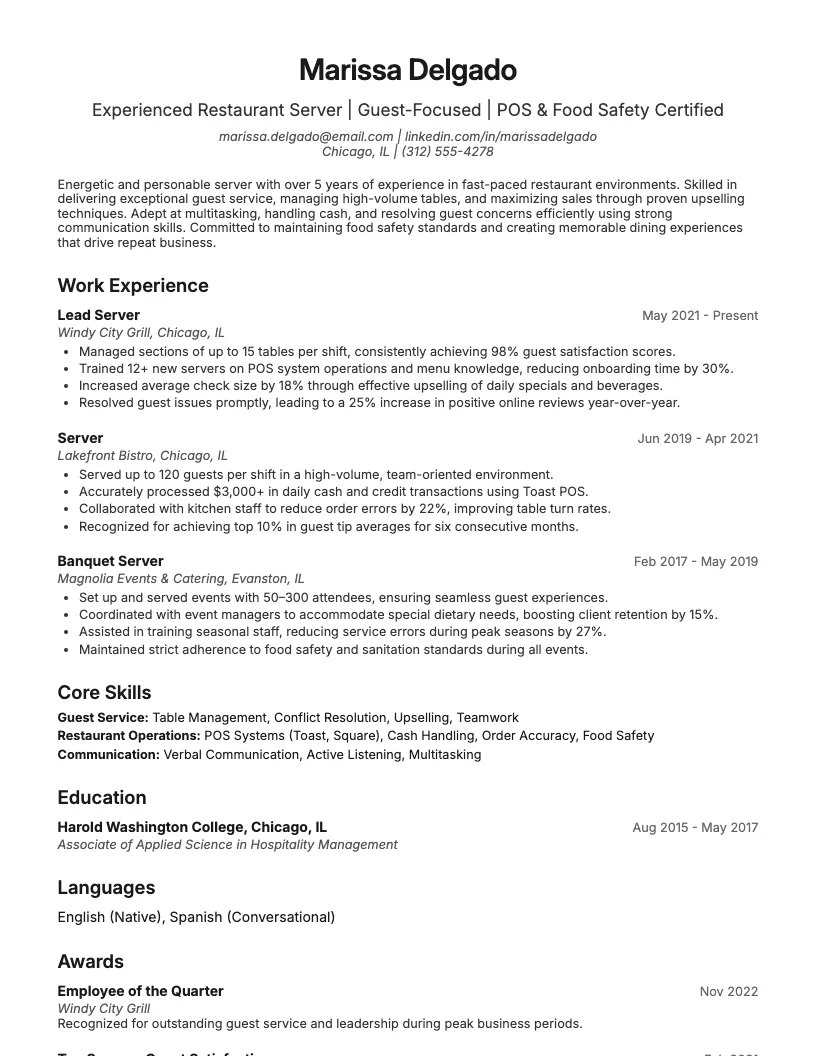
Banquet Server Resume Example
See full guide on Banquet Server resumes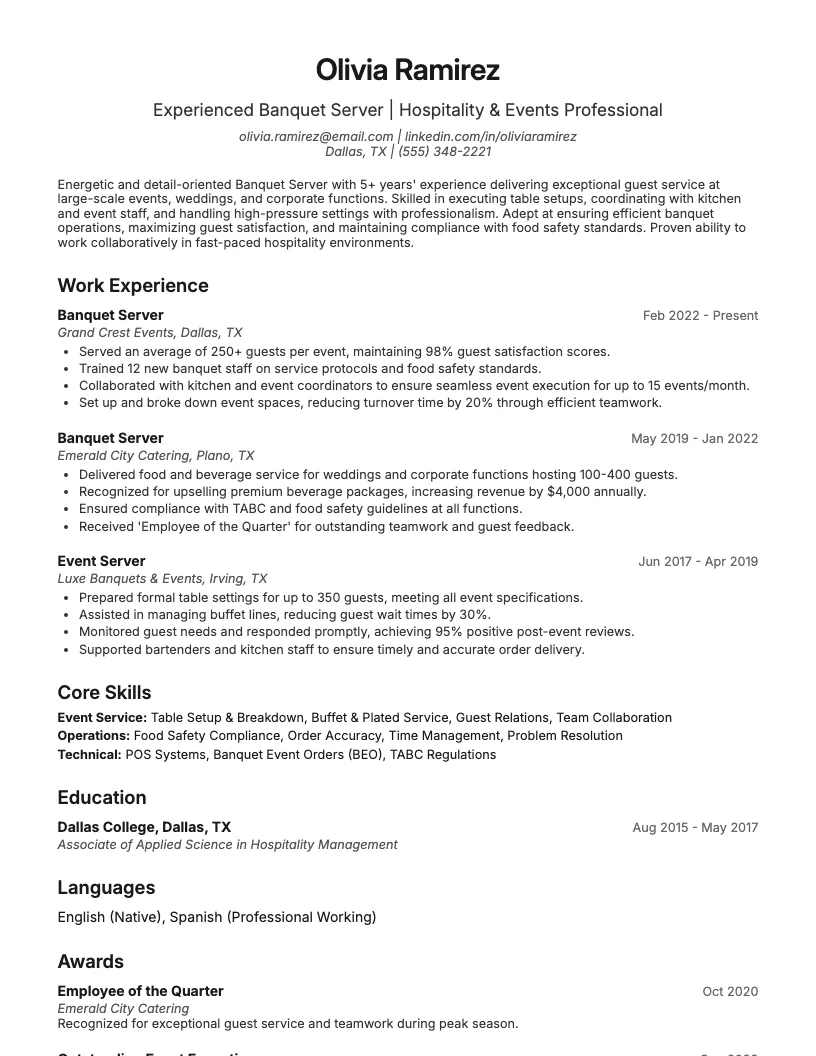 Click to enlarge
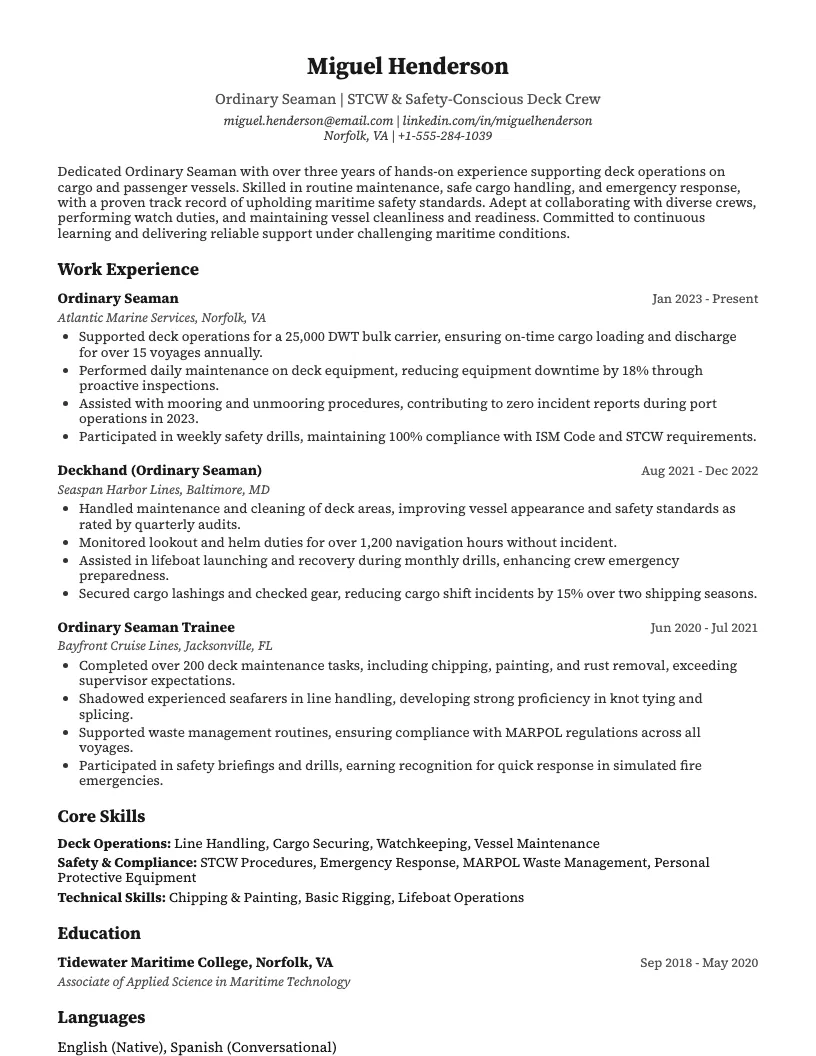 Click to preview

Get inspired by 58+ professional Ordinary Seaman resume examples, each written by career experts and optimized to pass ATS scans. Pick a proven template, tailor it to your role, and download a polished resume in minutes.
Starting a career as an Ordinary Seaman opens up a lot of opportunities at sea. I know it can feel tough to get noticed with so many applicants.
A good resume highlights hands-on skills and safety training. You want to show your experience, certifications, and any time spent on deck.
Here, I break down a sample resume and give you a template. You can use these to make your own job search easier.
Here's a real-world Ordinary Seaman resume example. I focus on what actually gets attention from recruiters in the maritime industry.
You see work history, certifications, and key skills that matter. Details like STCW, safety training, and vessel experience-these always stand out.
Practical achievements, like supporting daily deck operations or following safety protocols, show what you can do. Quantifying tasks-such as assisting with cargo handling for 20+ crew-adds extra impact.
I always find that a clean, downloadable template saves time. You can grab a ready-made format and just plug in your own details-no fuss.
There are templates out there in Word, PDF, and even Google Docs formats. Most of them follow standard resume guidelines and let you highlight your skills quickly.
If you want your resume to look professional, stick to a simple layout. Recruiters spend an average of 7 seconds scanning each resume, so clarity really matters.

If you want to land an Ordinary Seaman job, your resume needs to stand out. Employers get hundreds of applicants for each open role.
I see most successful resumes use clear structure and highlight real experience. You want to show your qualifications in a way that’s easy to scan.
You also need to make sure your resume passes applicant tracking systems. Using the right format and keywords can boost your chances of getting noticed.
Let’s break down what to include, how to format it, and how to get your resume through ATS filters.
When I put together an Ordinary Seaman resume, I always go for a clean, reverse-chronological format. This helps recruiters see my most recent experience first.
You want to stick to one page, especially if you have less than ten years of maritime experience. Clear section headings and bullet points make your resume easy to scan.
Use a standard font, like Arial or Calibri, at 10-12 point size. Margins around 1 inch look tidy and work well for digital or printed copies.
I always make sure to include contact information, professional summary, work experience, and certifications. These are the basics every Ordinary Seaman resume needs.
You also want to add skills relevant to seamanship-stuff like safety drills, cargo handling, and equipment maintenance. Including a cover letter with your application further helps recruiters see your hands-on abilities in seconds.
There’s value in listing education and training courses too, especially any STCW certifications. A lot of job postings specifically ask for these up front.
I always use keywords straight from the job description. This boosts your chances because most ATS systems scan for exact phrases like "deck maintenance" or "cargo handling."
You want to avoid graphics or fancy fonts. Stick to plain text-this helps the ATS read your resume correctly and not miss out on your skills.
Numbers matter. If you can, mention things like "assisted with cargo for 15+ voyages." Specifics make your resume stand out when the ATS ranks candidates.
Making your resume ATS-friendly doesn't mean it can't look good. Just focus on clarity and accuracy-this gets you through the software and in front of real people.
If you’re building an Ordinary Seaman resume, you need to focus on both technical and personal skills. Hiring managers look for hands-on experience and strong character.
I notice that employers expect proven safety awareness, teamwork, and solid communication. Your resume should show you can handle tough physical work and follow strict protocols at sea.
Next, I’ll break down the most important technical and soft skills you should highlight. This way, you know exactly what matters.
These skills are the backbone of an Ordinary Seaman resume. Most employers expect a solid grip on basic seamanship, deck operations, and safety procedures.
You want to show off experience with mooring, knot tying, and navigational watch. I usually highlight familiarity with hand tools, cargo handling, and vessel maintenance.
If you’ve worked with safety equipment or know the basics of SOLAS and MARPOL, mention it. Certifications like STCW or a TWIC card also add real value.
I always stress the value of teamwork-crews rely on each other for safety and efficiency. You want to show you can communicate clearly and work smoothly with others.
Adaptability is big on board. Shifts change, weather shifts, and priorities move fast. If you stay calm and adjust quickly, you stand out as reliable.
Self-discipline and a strong work ethic matter. Ordinary seamen handle repetitive tasks and long hours. If you take pride in your work and stay focused, captains notice.
Attention to detail is essential. Missing a small step can lead to accidents. Show times you’ve caught mistakes or kept things running smoothly-this helps your resume shine.
Listing these soft skills and qualities wraps up your resume’s skills section and gives hiring managers a fuller picture of what you bring on deck—something you can reinforce in your cover letter.
Getting noticed as an Ordinary Seaman starts with a clear, well-organized resume. Each section needs to show your skills and experience in a way that’s easy to scan.
I focus on what matters most: your professional summary, work experience, and certifications. These sections help employers quickly see if you meet their requirements.
Your professional summary is the first thing recruiters see. I use this section to grab attention with two or three key strengths and my most relevant skills.
Focus on specific experience-like time at sea or safety training. There’s no need for fluff. A strong summary helps you stand out, especially when 250+ people apply for every maritime job.
Keep it short-three to four sentences max. Use numbers if you can. For example, mention “2+ years onboard commercial vessels” or “proven record with 100% safety compliance.”
After your summary, you want your work history to stand out. I usually list job titles, company names, dates, and locations first. Then I add bullet points with duties and achievements.
Focus on tasks you do daily, like assisting with deck operations, standing watch, and maintaining equipment. Use numbers-for example, “Maintain safety for 20+ crew members” or “Assist with cargo operations on vessels up to 300 feet.”
Show off relevant skills like teamwork, communication, and safety awareness—qualities you can also highlight in your cover letter. This helps the hiring manager see you’re ready for life at sea.
Most Ordinary Seaman jobs just need a high school diploma or GED. If you have any college coursework, list it, but don’t stress if you don’t.
You absolutely need a Merchant Mariner Credential (MMC). Nearly every employer checks for it. Add your TWIC card and any STCW training, too.
If you finish extra certifications-like Basic Safety Training or First Aid/CPR-list those. This helps you stand out, especially when you’re new and competing for entry-level spots.
With education and certs covered, you’re ready to pull your resume sections together and make your experience shine.
When you want your resume to stand out, the right action verbs and keywords make a huge difference. I always notice recruiters scan for these terms first.
You need to show what you actually do on board. Action verbs and industry-specific keywords help prove your hands-on skills and knowledge.
Next, I’ll break down the best verbs and the keywords most recruiters look for in Ordinary Seaman resumes.
I always start my resume bullet points with strong action verbs. This helps grab attention and makes my experience sound more direct and hands-on.
There are around 15-20 action verbs that work especially well for an Ordinary Seaman role. Think words like maintain, assist, operate, or inspect.
You want each verb to match the actual job duties. This shows recruiters you know your stuff and helps your resume get past applicant tracking systems.
I always focus on keywords like STCW, watchkeeping, and deck maintenance. These words match what hiring managers and applicant tracking systems search for in maritime resumes.
You should also include terms like safety drills, mooring operations, and cargo handling. These show your hands-on skills and your understanding of shipboard routines.
There are over 1.9 million seafarers worldwide, so using industry-specific language really helps your resume stand out. This makes it easier for recruiters to spot your qualifications.
It's easy to overlook small errors when updating your resume. Little things can make a big difference, especially in a competitive field like maritime work.
I see candidates miss key details that hiring managers want. Things like formatting problems or missing certifications can get your resume tossed out fast.
Knowing what to avoid helps you stand out. Let’s break down the most common mistakes so you can fix them before applying.
A lot of ordinary seaman resumes get tossed because of simple formatting issues. If your resume looks messy or inconsistent, recruiters might not even bother reading it.
You want your layout to be clean, with clear headings and bullet points. I always use a standard font and stick to one page-that’s what most recruiters prefer.
Misspelled section titles or uneven spacing make you look careless. Double-check everything. There are tools online that help spot these errors-I use them every time.
If you skip listing required certifications, recruiters might toss your resume. Most ships need a valid STCW, Basic Safety Training, or even an MMC.
I always double-check my certs section. Make sure certification names, dates, and numbers are clear. Without this info, you might not get past the first screening.
You can also mention in-progress certifications. This shows you’re proactive and know what’s needed. Accurate details help you stand out and avoid unnecessary delays.
Browse Ordinary Seaman resume examples for related roles. Preview any example, open it in the builder, or read its full guide.
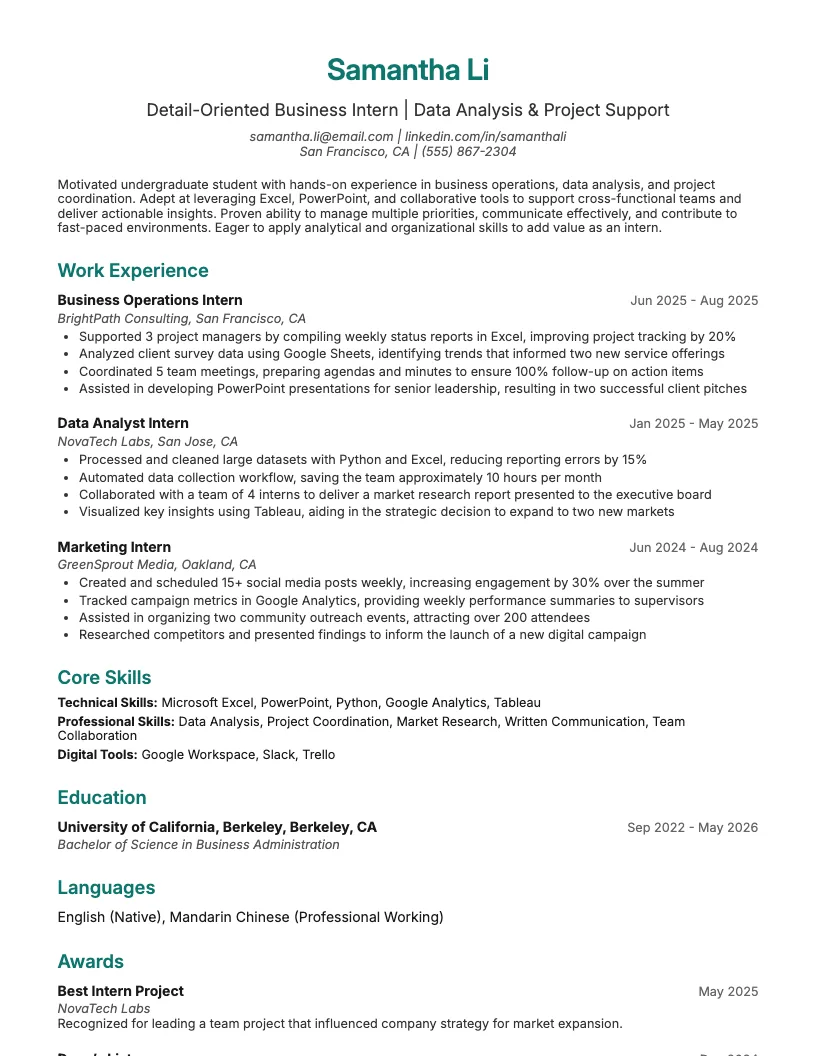
Click to enlarge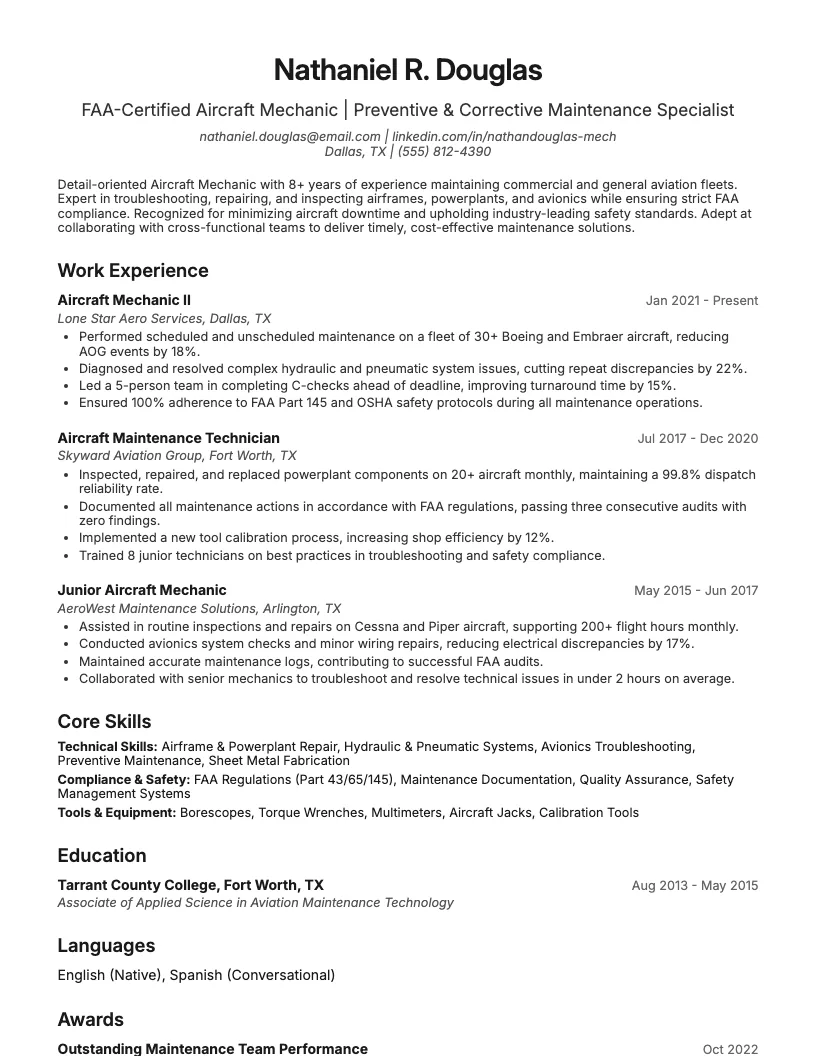 Click to enlarge
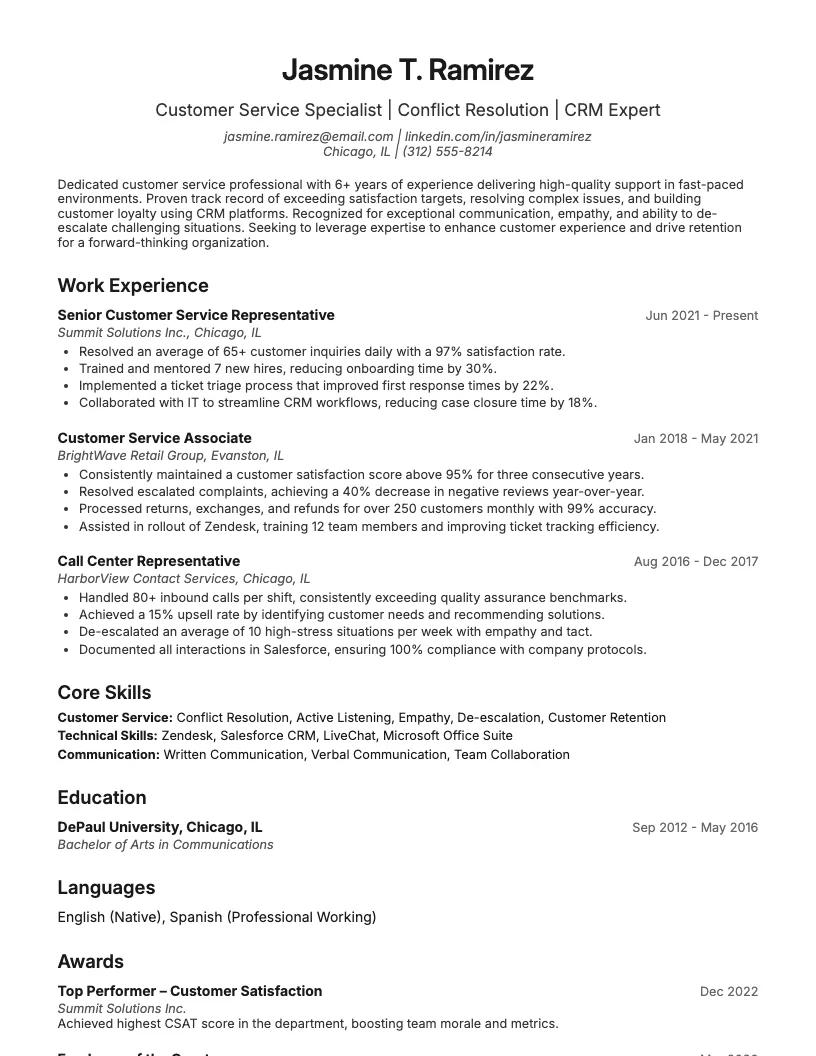
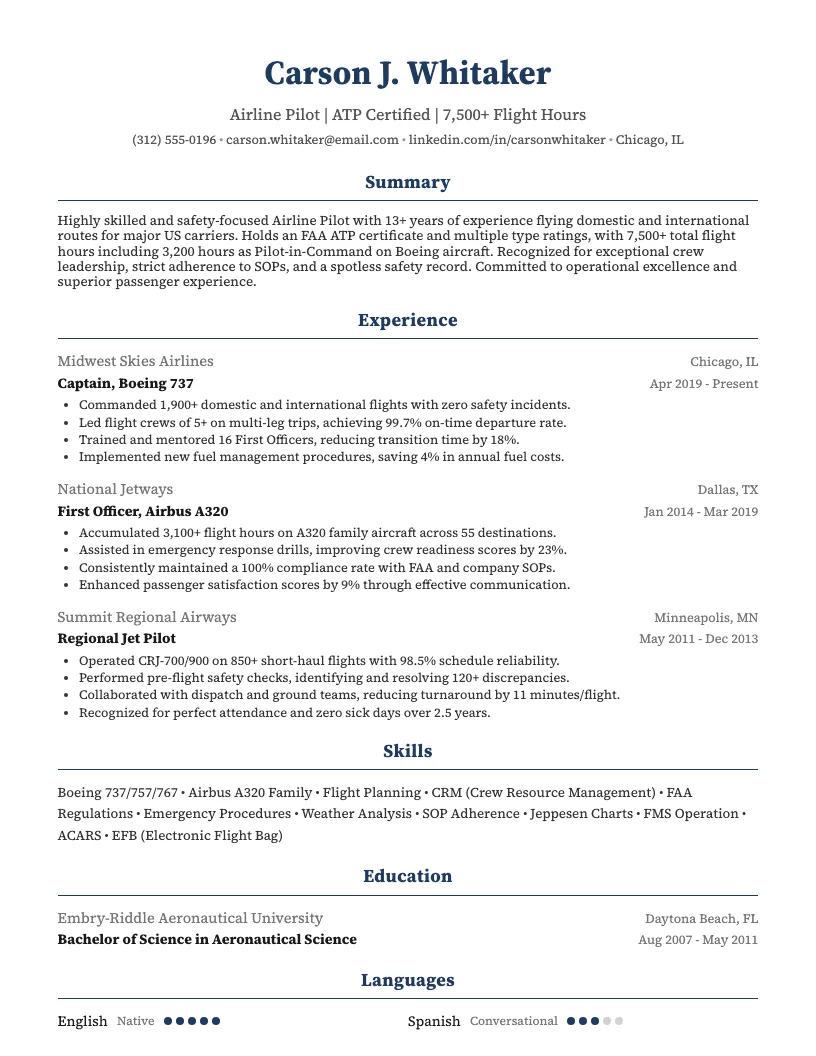 Click to enlarge
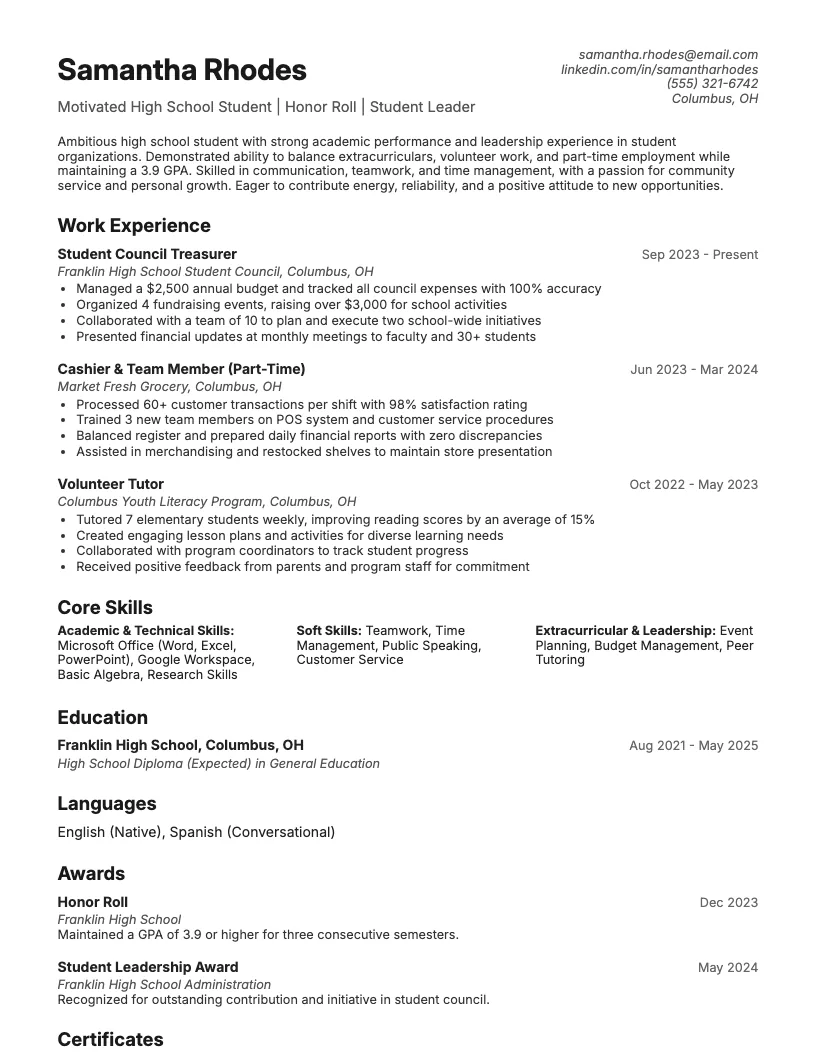
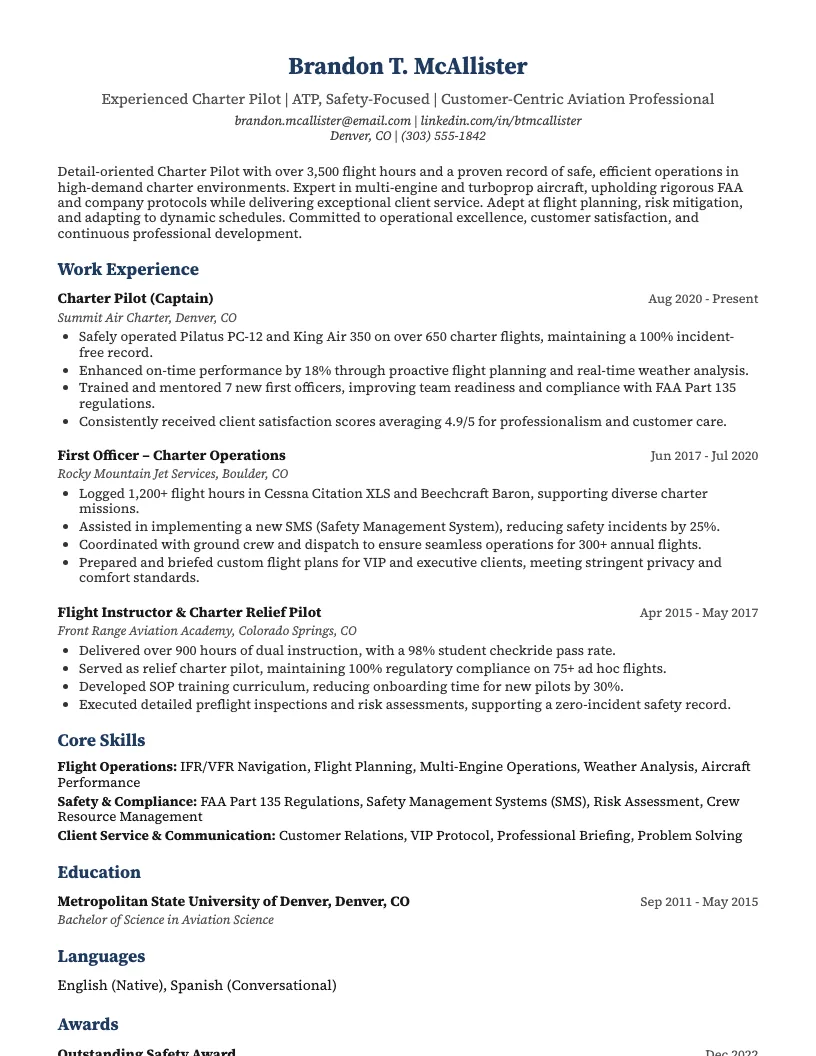 Click to enlarge
Common questions about Ordinary Seaman resumes
A Ordinary Seaman resume template is a pre-designed document tailored for entry-level seafaring roles, helping you highlight relevant skills, certifications, and experience for maritime jobs.
Yes, most Ordinary Seaman resume templates are ATS-friendly, ensuring your application passes automated screening. ResumeJudge offers templates designed specifically for ATS compatibility.
Use an Ordinary Seaman resume template when applying for jobs on cargo ships, passenger vessels, or offshore rigs. It's ideal for those starting a maritime career or seeking entry-level seafaring roles.
Absolutely! You can personalize sections like skills, work history, and certifications to better match job requirements. ResumeJudge makes customization quick and easy.
Ordinary Seaman templates focus on maritime skills and certifications, unlike generic templates. They showcase seafaring experience and safety training, which are crucial for these roles.
A Ordinary Seaman resume should fit on one page, highlighting your most relevant skills and experience. ResumeJudge templates help you keep your resume concise and focused.
Include contact info, a summary, seafaring experience, certifications, skills, and education. ResumeJudge templates feature all essential sections for maritime job applications.
While not required, including any maritime or related labor experience is helpful. ResumeJudge templates let you showcase transferable skills if you're new to the industry.
Yes, these templates are suitable for international maritime positions. You can adjust ResumeJudge templates to meet global industry standards and employer requirements.
Yes, a well-structured template ensures your skills and certifications are easy to spot. ResumeJudge designs help your resume look professional and catch recruiters’ attention quickly.
Explore more professional resume examples to inspire your job search
Use our AI-powered resume builder to create a professional, ATS-friendly resume in minutes.
Free to use • No credit card required