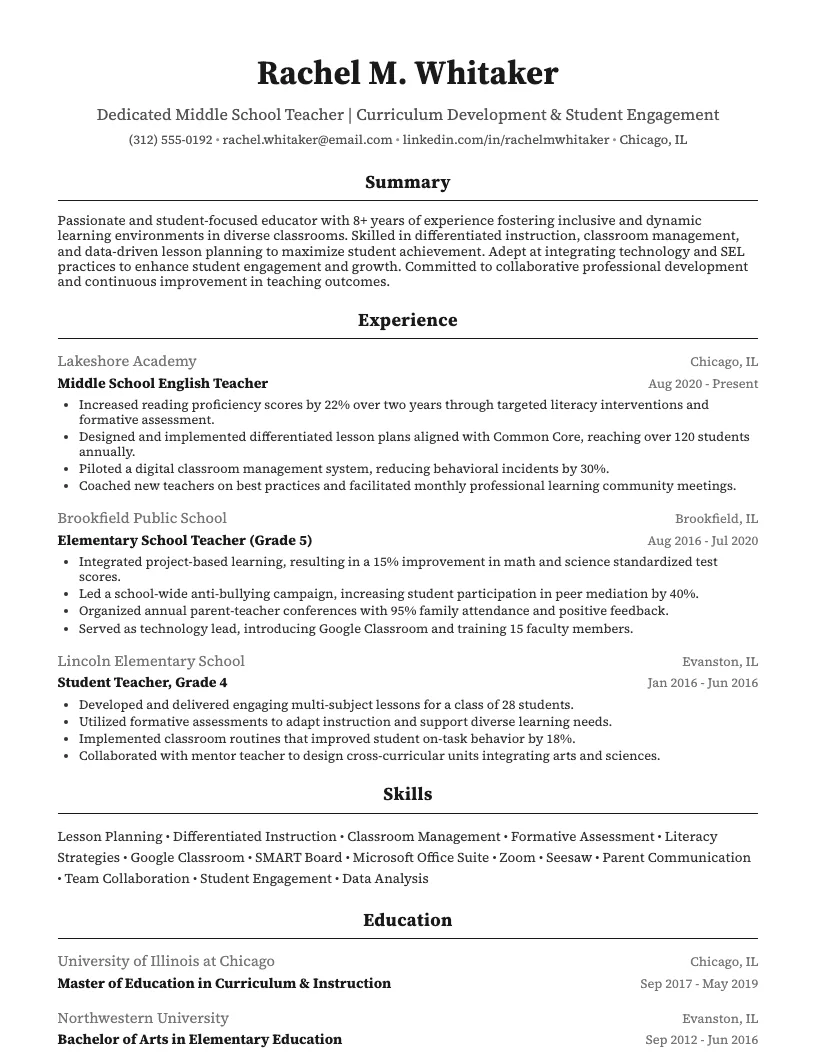
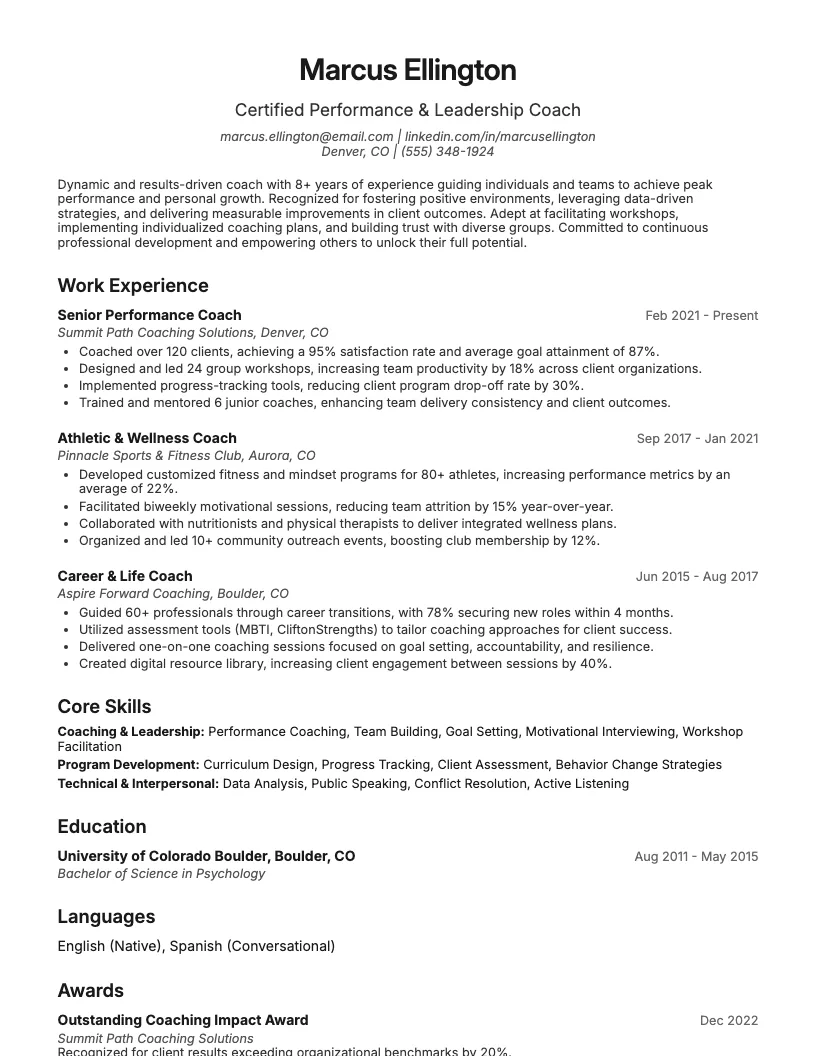
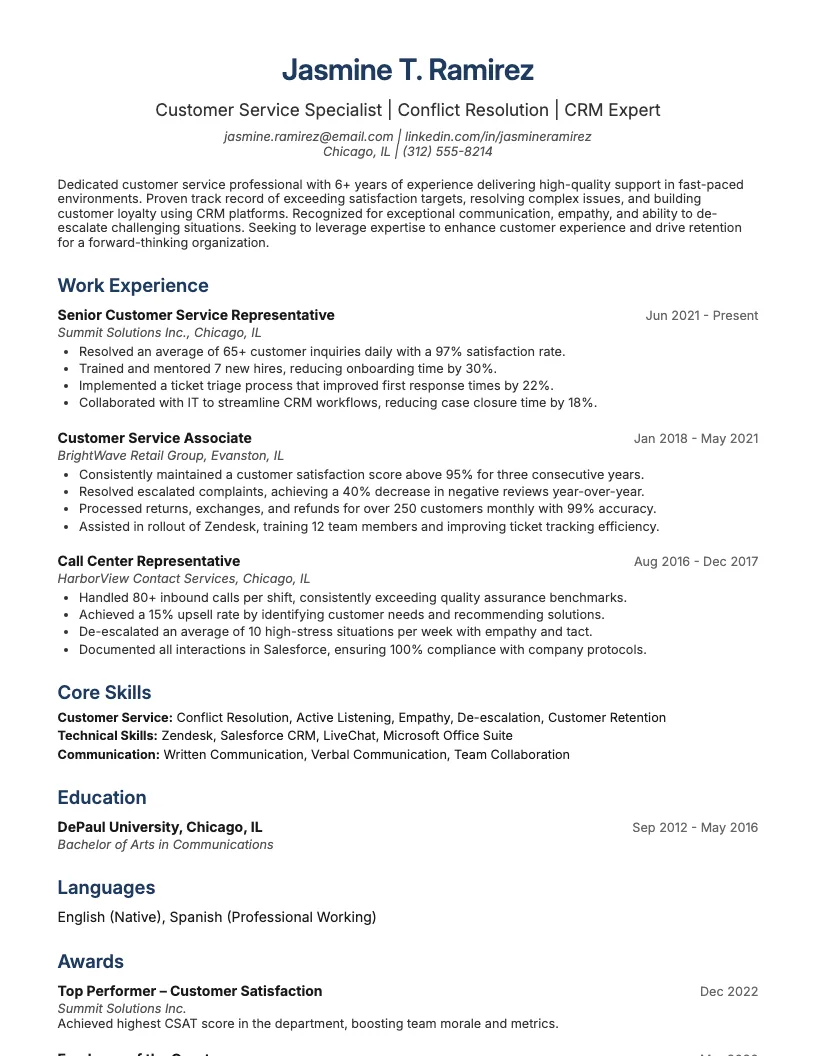
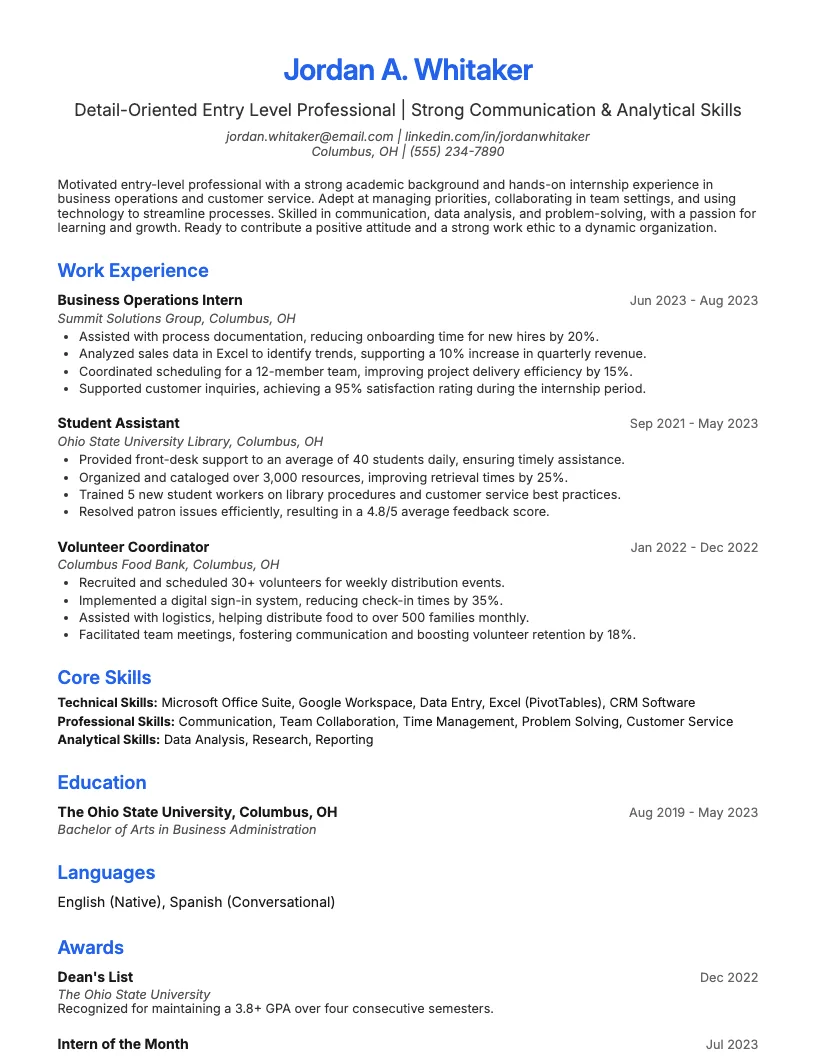
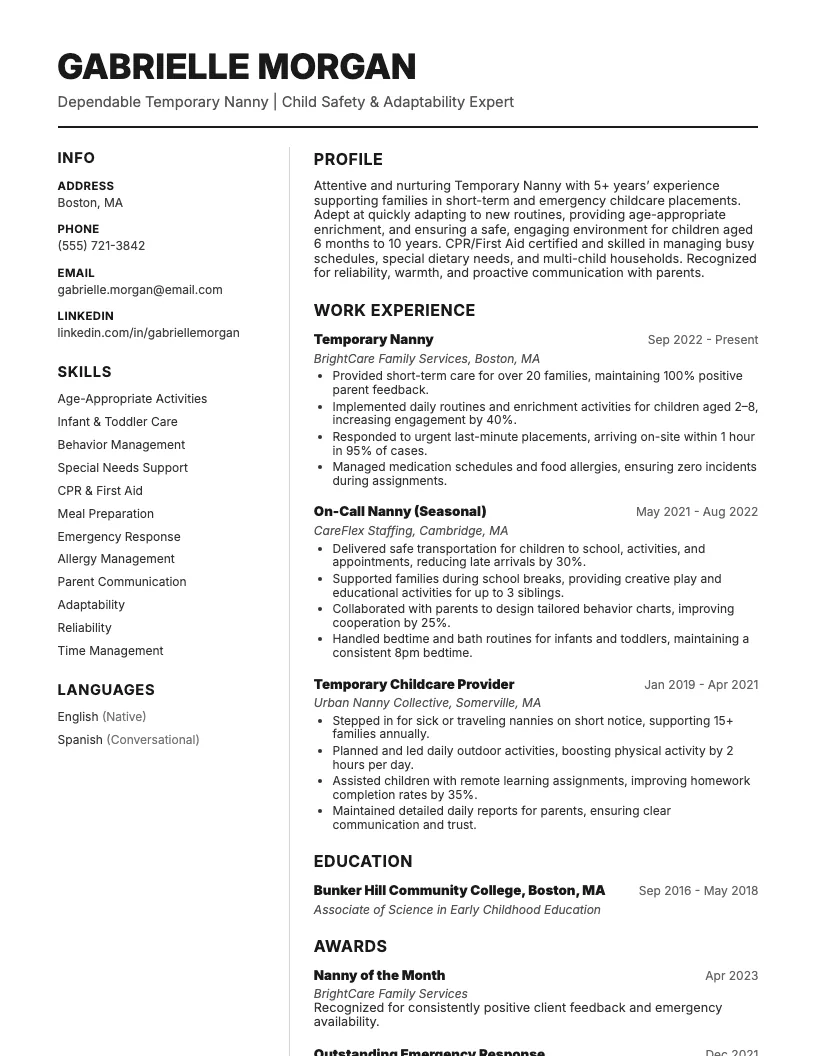
Babysitter Resume Example
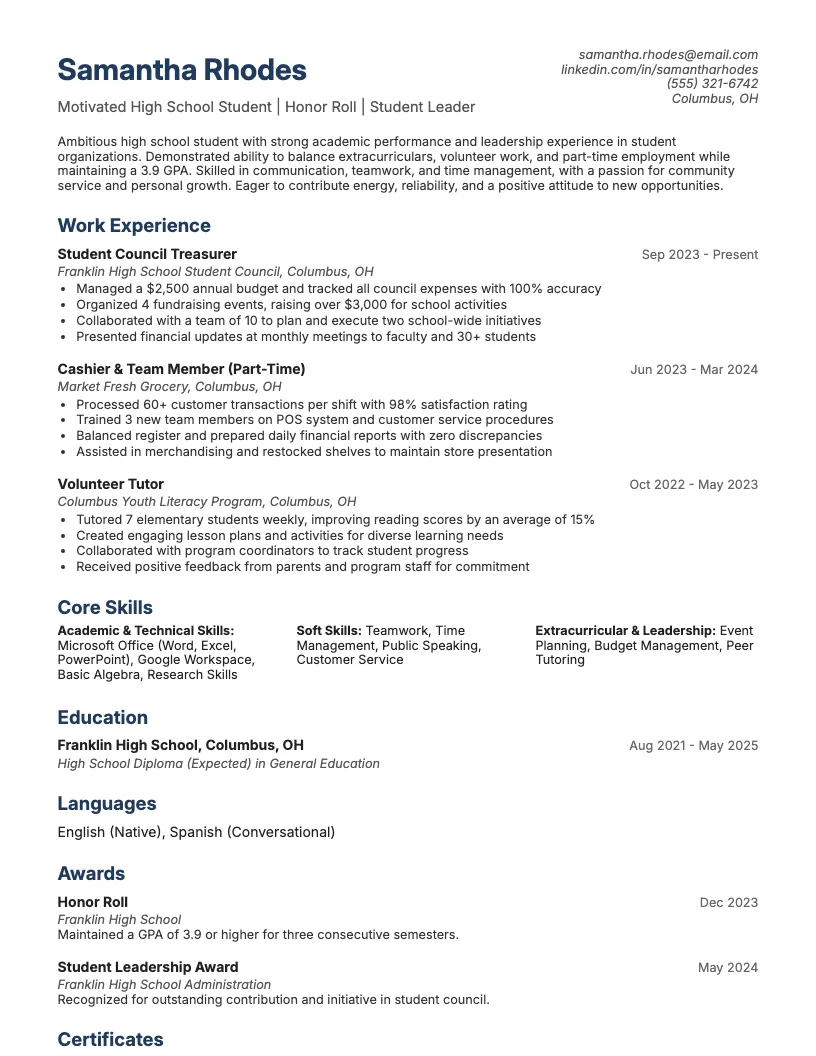
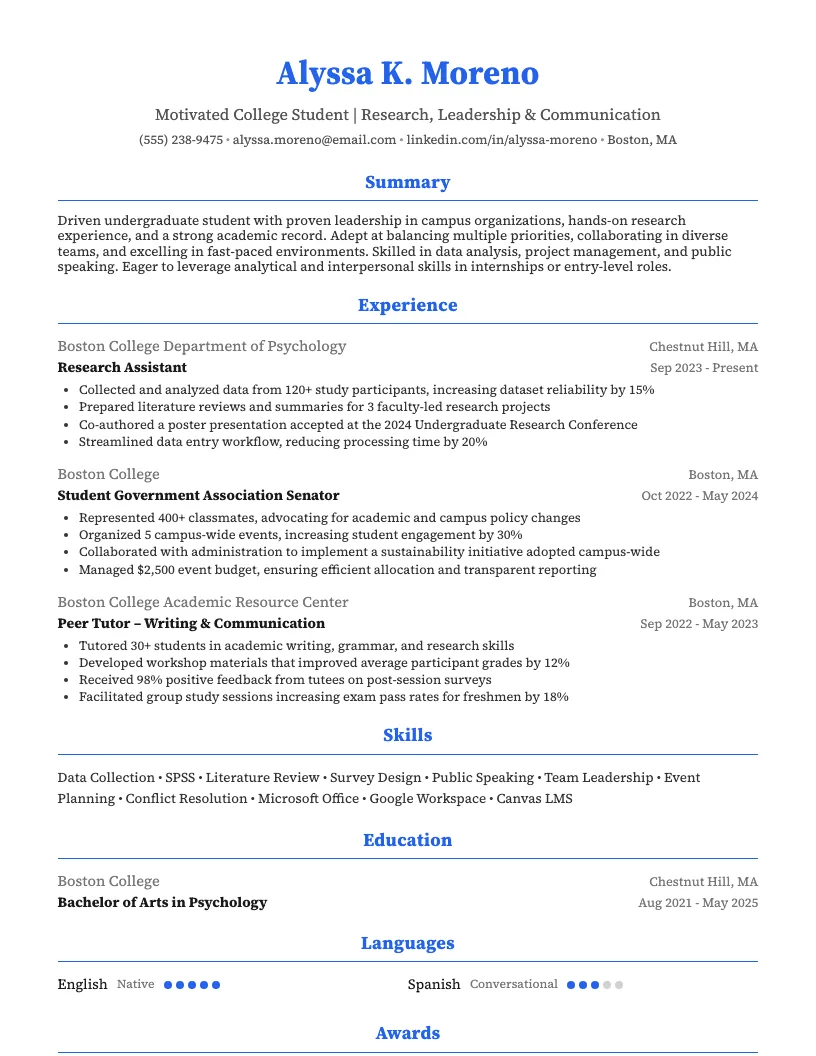
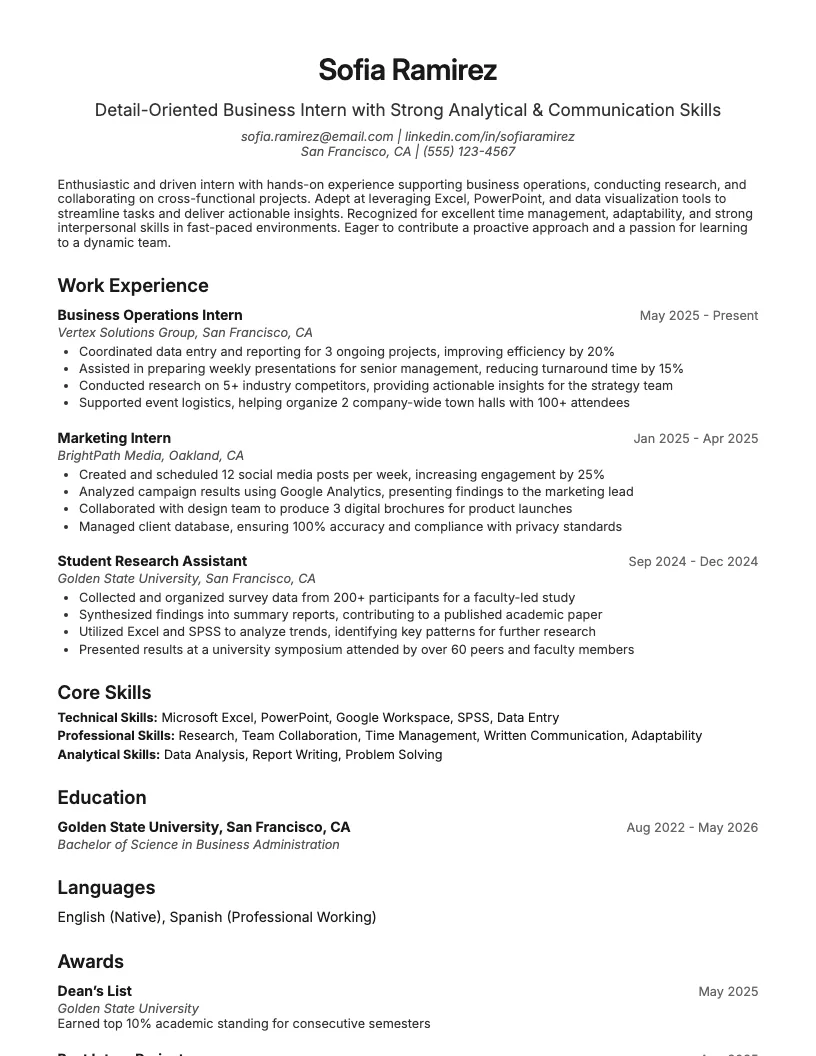
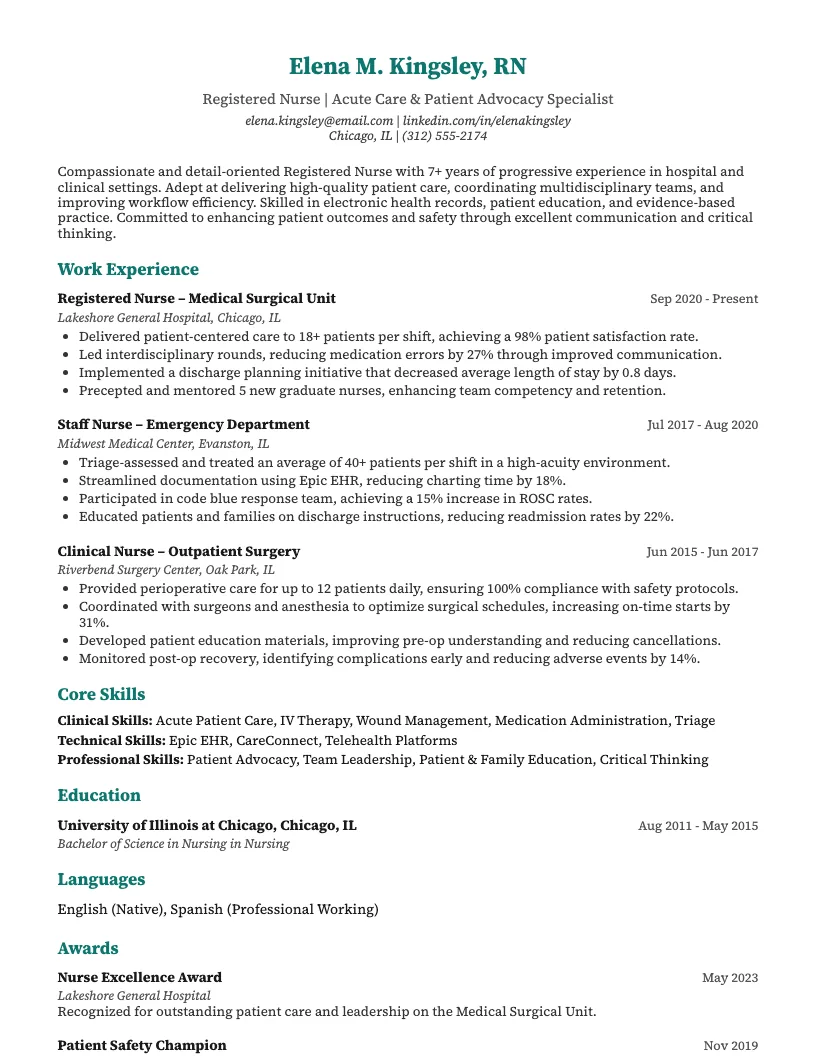
See full guide on Babysitter resumes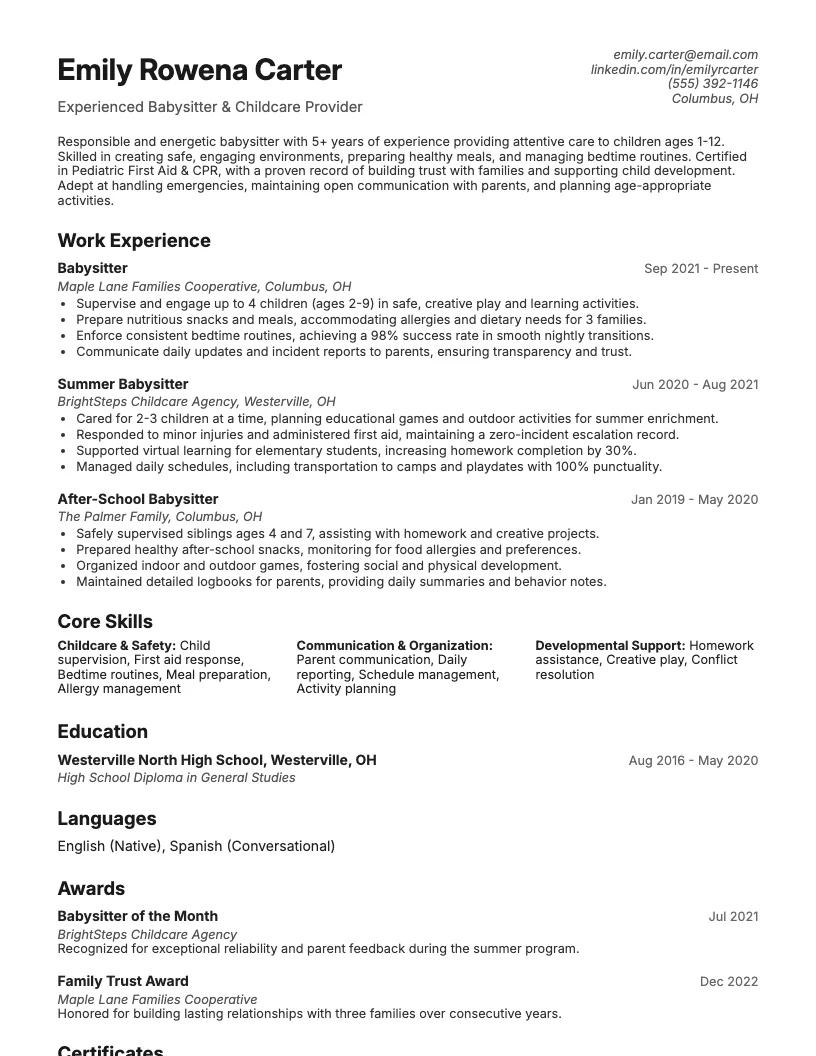 Click to enlarge
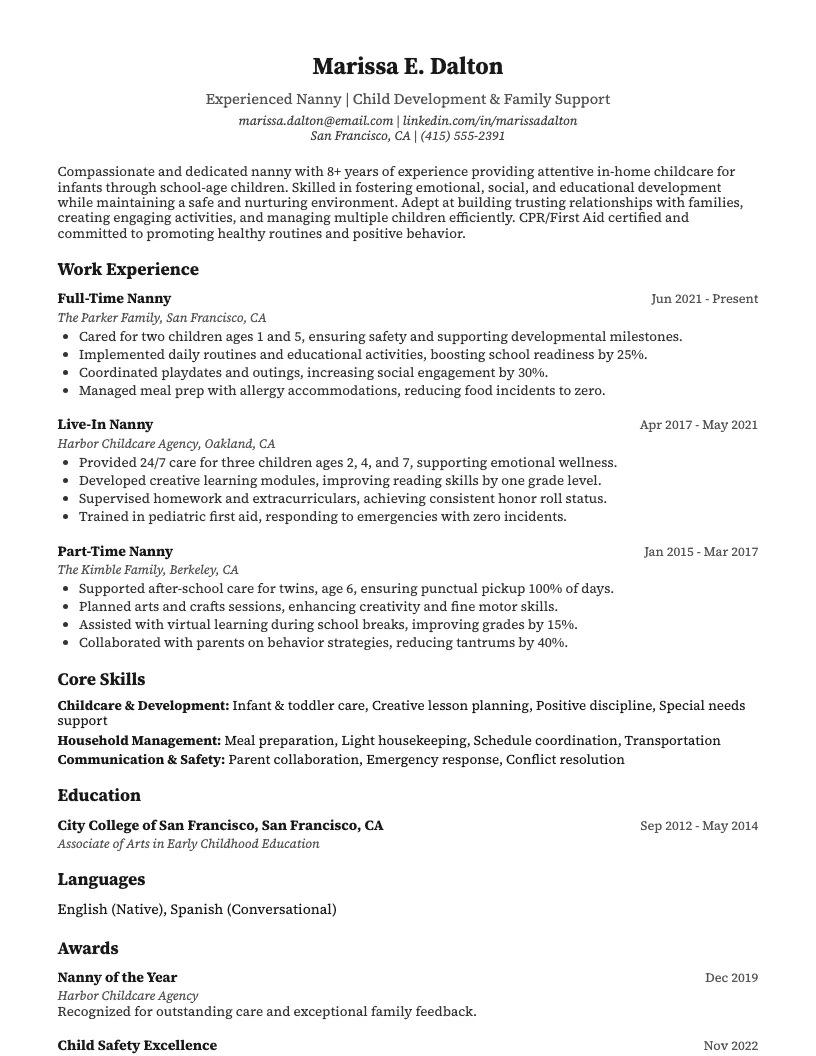 Click to preview

Get inspired by 57+ professional Nanny resume examples, each written by career experts and optimized to pass ATS scans. Pick a proven template, tailor it to your role, and download a polished resume in minutes.
Pick the specialization closest to your target role and start from a proven resume example.
Looking for a nanny job? I know how important it is to show your experience, skills, and certifications on your resume.
Here, you’ll see real examples and templates for nannies at all levels. I break down what works for different types of nanny roles, from Montessori to language immersion.
You’ll also find tips for entry-level nannies and those with years of experience. This way, you can pick the best format for your next application.
There are so many ways to structure a nanny resume. I see people highlight different skills and backgrounds, depending on the job they want.
You might focus on being a Montessori Method Nanny or a Language Immersion Nanny. Some resumes show off outdoor adventure experience or specialized care, like newborns or multiples.
You can tailor your resume to each role. This helps you stand out. Show off your unique strengths, whether that’s creative problem-solving or strong communication with parents.
You’ll see nanny resumes for every stage-entry-level, mid-career, and senior. Each level highlights different strengths, like hands-on care, educational planning, or managing multiple kids.
Entry-level resumes focus on basic childcare, reliability, and energy. I like to show things like safe feeding, following parent instructions, and being proactive with activities.
For more experienced nannies, resumes include advanced skills: creating lesson plans, handling special needs, and building trust with families over years—qualities you’ll also want to highlight in your cover letter. This helps you stand out in competitive markets.
If you’re looking for babysitter resume examples, you probably want something straightforward. A babysitter resume sample usually focuses on reliability, flexibility, and basic child care.
I always include practical skills, like CPR certification or experience caring for kids under 5. You can also highlight activities-think homework help or preparing snacks.
Using numbers helps your babysitter resume stand out. For example, “supervise up to 4 children at once” or “babysit for 3 families per week.” This shows real responsibility.
A strong babysitter resume is short, clear, and honest. It’s a great way to show parents you’re ready to help out and keep their kids safe.
That wraps up the top resume examples for nannies and babysitters-now you can build a resume that really shows off your strengths.
Working as a nanny means every day can look different. Some families want part-time help, while others need full-time or live-in care.
You handle way more than just keeping kids safe. Parents count on you for everything from cooking meals to helping with homework.
Your skills matter a lot. Employers look for things like first-aid certification, communication, and strong organization. The right mix can help you stand out.
Every nanny job is different, but some tasks show up almost everywhere. I handle child supervision, meal prep, and school runs most days.
You might help with homework, organize playdates, or pitch in with light housekeeping. Safety is always a priority, and parents count on you for reliable daily routines.
Some families ask for extra tasks like driving to activities or managing bedtime routines. Make sure you know the expectations before you start-this helps avoid surprises later.
You need a good mix of soft and hard skills for nanny work. I focus on communication, patience, and problem-solving every day-it’s how I build trust with both kids and parents.
Organization is huge. Managing schedules, meals, and activities keeps things running smoothly. I use lists and reminders-I recommend you do, too, especially with multiple kids.
First aid and CPR certification make a big difference. Families often ask about these, and it can boost your hourly rate. According to Payscale, skills like these mean higher pay.
When I write a job description for babysitter on resume, I focus on daily routines, safety, and communication. I mention ages cared for, number of kids, and any unique needs.
You want to highlight tasks like preparing meals, helping with homework, and organizing fun activities. Mention if you handle bedtime routines or manage playdates-these details show your experience.
Be specific. For example, "Cared for three children ages 2-8, ensured safety, prepared healthy snacks, and communicated daily updates to parents." This helps your babysitting experience stand out.
That wraps up the main points you need for a solid nanny or babysitter resume. Tailor each job description to match the family's needs and the job listing.

A good nanny resume quickly shows families you’re reliable, caring, and professional. You want your experience and skills to stand out right away.
The right sections make a difference. Families and agencies look for a clear summary, job history, education, and specific nanny skills.
You don’t need a long resume. Most nannies stick to one page, focusing on recent, relevant experience. Now let’s break down each section together.
Start your nanny resume with a short, punchy summary or objective. This sits at the top and quickly shows families what you offer in a few sentences.
You want to mention your years of experience, any standout childcare strengths, and your approach. For example, I use phrases like “5+ years caring for infants and toddlers” or “certified in pediatric first aid”.
Use this space to highlight what sets you apart. If you focus on creative play or structured routines, say so. This helps families see if you’re a match right away.
This is where you get to show off your hands-on childcare experience. I always list each family, the number of kids, and specific ages I cared for.
Be specific about your duties. For example, say you “cared for two children ages 3 and 7, managed daily routines, planned educational activities, and handled school pickups.” Numbers help parents trust you.
Highlight any special situations, like working with infants, twins, or kids with allergies—especially if you’re applying for a live-in position and want your cover letter to stand out. This shows real-life skills. Next up, I’ll cover how your education and certifications fit in.
Parents look for nannies with proven child care knowledge. If you studied early childhood education or psychology, list your degree and graduation year right on your resume.
You don’t need a fancy diploma, but certifications matter. CPR and First Aid training show you take safety seriously. According to Care.com, over 70% of families prefer certified nannies.
If your degree isn’t child-related, highlight courses or workshops that apply. Even a single relevant class or seminar can help you stand out from the crowd.
This is where you show off the real stuff-your nanny skills. I always list things like child safety, meal prep, and first aid. Families want to see these right away.
You can also mention any language skills, tutoring ability, or experience with kids who have special needs, which is especially important to feature in your cover letter. If you have CPR certification, that’s a big plus-about 75% of parents prefer it.
Keep your skills list clear and easy to read. Bullet points work great for this. Highlighting soft skills like patience, communication, and time management also makes your resume stand out.
Professional references matter a lot for nannies. I always include at least two past families or employers who can vouch for my reliability and care.
You should list each reference’s name, relationship, and contact info. This helps families feel confident about your experience and makes the hiring process smoother.
If a family requests privacy, just write “available upon request.” Always ask permission before sharing someone’s details. Clear, honest references can set you apart from other candidates.
Choosing the right resume format gets you noticed by parents or agencies faster. Your layout needs to be clean, simple, and show off your experience and skills right away.
You want your resume to stand out but still look professional. I find that a clear structure helps people see your strengths at a glance.
The format you choose can highlight your job history or your specialized skills. It really depends on your background and what kind of nanny job you want next.
Let’s look at which resume sections to include and what recruiters actually look for when they scan nanny resumes.
When I build a nanny resume, I always start with a clean header. This includes your name, phone number, and email. Parents need to reach you quickly, so keep it visible.
Add a professional summary or objective next. This short intro highlights your experience and what makes you a great fit. Stick to three or four sentences, max.
The work experience section is key. List your roles in reverse-chronological order, focusing on childcare jobs. Be specific about ages, duties, and any special skills you use.
You also want a skills section. Here, mention things like CPR certification, meal planning, or tutoring. Numbers help-like “managed care for up to 4 children at once.”
Finally, include references or testimonials from previous families if you can. Real quotes or contact info show you’re trusted and reliable, which parents appreciate.
Recruiters look for hands-on childcare experience first. If you’ve spent more than a year in a similar role, highlight it. This helps them trust you with their kids.
Show off certifications like CPR or First Aid. These aren’t just nice to have-they’re must-haves for a lot of families and agencies.
You want to mention flexible availability and strong communication skills. Being able to manage last-minute changes or talk openly with parents really makes you stand out.
Wrap it up with a clean, organized layout. Recruiters love a resume that’s easy to scan, with skills and job history up front. That’s how you get noticed.
Your experience section shows parents what you actually do as a nanny. It’s not just about listing duties-it’s about the impact you make every day.
You want to use this section to show your skills, achievements, and the value you bring to families. Numbers and real results help a lot here.
If you’re new or have gaps, don’t panic. There are ways to highlight parenting experience or related jobs. I’ll cover that in the next part.
It’s not always easy to put numbers on nanny work, but using specific data instantly makes your resume stand out. Numbers show exactly what you’ve accomplished.
Talk about the number of children you care for, their ages, and how many years you’ve worked with families. Include details like how long you stayed in each role.
If you’ve helped with homework, mention grade improvements or consistent routines. I also highlight things like reducing screen time by 40% or organizing daily outdoor activities.
This kind of detail tells parents and agencies you’re results-driven, not just task-oriented. Quantifying your impact makes your experience easy to understand and remember.
If you’re new to nannying, I focus on transferable skills like communication, organization, and patience. These come from school projects, babysitting, or even volunteering.
You can highlight relevant courses-like first aid or child development-or community work. This shows you care about kids’ well-being, even if you haven’t held a nanny job yet.
There’s no need to fill your resume with unrelated roles. Use a skills-based format and keep every section tailored to the job you want. This helps your resume stand out.
Hiring managers want to see both hard and soft skills on a nanny resume. It shows you handle daily tasks and connect well with kids and parents.
You want your resume to highlight your technical abilities and your people skills. Focusing on what families actually need helps you stand out.
I'll break down the top hard and soft skills next, so you know what to include and how to present them.
When I list my hard skills, I focus on anything measurable or teachable. Think first aid certification, cooking skills, or early childhood education. These show I’m ready for daily responsibilities.
You want to include certifications, language skills, and basic tech know-how like using educational apps. This helps families see exactly what you can handle, right from the start.
Practical skills like meal prep, cleaning, and homework support always stand out. I recommend tailoring your skills to each job posting. This boosts your chances by up to 30%.
Soft skills make a huge difference for nannies. I always highlight things like patience, flexibility, and problem-solving. These show I can handle all kinds of situations with kids.
Parents also value strong communication and empathy. If you can connect with different personalities and resolve conflicts calmly, mention that. Over 80% of families say these are their top priorities.
Show your reliability and trustworthiness too. I like to mention showing up on time and sticking to routines. These soft skills help you stand out to families looking for someone dependable.
You don’t need a specific degree to be a nanny, but certain qualifications definitely help. Agencies and families often look for proof that you’re trained and certified.
If you have certifications in CPR, first aid, or early childhood education, list them clearly. Relevant degrees or courses, even if you haven’t graduated yet, can make your resume stand out.
Families and agencies want nannies with current safety certifications. CPR and First Aid are the top picks-almost every nanny job asks for these.
You can also get a Child Development Associate (CDA) credential. Over 35,000 childcare professionals in the U.S. hold this, so it really stands out.
Other strong options are the Newborn Care Specialist certificate, the International Nanny Association (INA) Credential Exam, and Safe Sitter® Certification. These show commitment to professional growth.
I always double-check expiration dates on certifications before I add them. Up-to-date credentials can make you more competitive and boost trust with parents.
Start with your highest level of education. If you have a degree, list the school, location, degree type, and graduation year. If you’re still studying, add your expected graduation date.
You don’t need a college degree to be a nanny, but if you’ve taken early childhood education or related courses, mention those. This shows families you have specialized knowledge.
Keep it short and organized. I like to use bullet points for clarity. List only the most relevant education-no need to include every class you’ve ever taken.
If you have a master’s or bachelor’s degree, skip your high school diploma. Agencies and families usually look for your most recent, relevant education first.
Sometimes, the basics aren't enough to show what you bring as a nanny. Adding extra sections can highlight your unique skills and interests.
If you speak more than one language or have specialized training, that’s worth sharing. Your hobbies or volunteer work might also make you stand out.
These extra details help families see what you offer beyond childcare. Next, I’ll show you which sections can make the biggest impact.
Adding a Hobbies and Interests section can help your nanny resume stand out. It’s a chance to show more of your personality and how you connect with kids.
I like to include activities I genuinely enjoy, like baking, hiking, or crafting. This helps families see what unique experiences I might share with their children.
You don’t need a long list. Stick to three or four hobbies you’re passionate about. If you have special skills-like playing an instrument-mention it. Families love seeing variety.
You can add sections like Languages, certifications, or volunteer work to your nanny resume. These show you bring even more to the table than basic childcare.
If you speak another language, mention it. Bilingual nannies are in demand, especially in families where kids grow up speaking two or more languages.
Adding childcare certifications or first aid training builds trust. Over 60% of families list CPR certification as a must-have when hiring a nanny.
Volunteer work looks great too. It shows empathy, leadership, and teamwork. Even a few hours a month can make your resume stand out.
Think about what makes you unique. These extra sections give parents a fuller picture, helping you connect beyond just your job experience.
Nanny jobs are competitive, with over 1.1 million childcare workers in the U.S. alone. Your resume needs to show both experience and the right mix of skills.
You want your resume to connect with families and agencies. Highlight your childcare background, certifications, and any extra skills like cooking or tutoring.
Tailoring your resume for each job matters. I always recommend matching your skills and experience to what each family needs. This helps your application stand out.
I always start by picking a format that’s easy to read. A clean layout makes your skills and experience pop right away for parents or agencies.
You want to balance soft skills like patience and communication with hard skills like first aid or early childhood education. This shows you’re reliable and well-trained.
Highlight unique experiences-maybe you’ve managed schedules for three kids or taught basic Spanish. Specifics like these help families see your real-life strengths, not just generic qualities.
Don’t forget to double-check for typos or formatting bugs. Around 60% of recruiters say mistakes on a resume are a dealbreaker, so careful editing is a must.
Browse Nanny resume examples for related roles. Preview any example, open it in the builder, or read its full guide.
Click to enlarge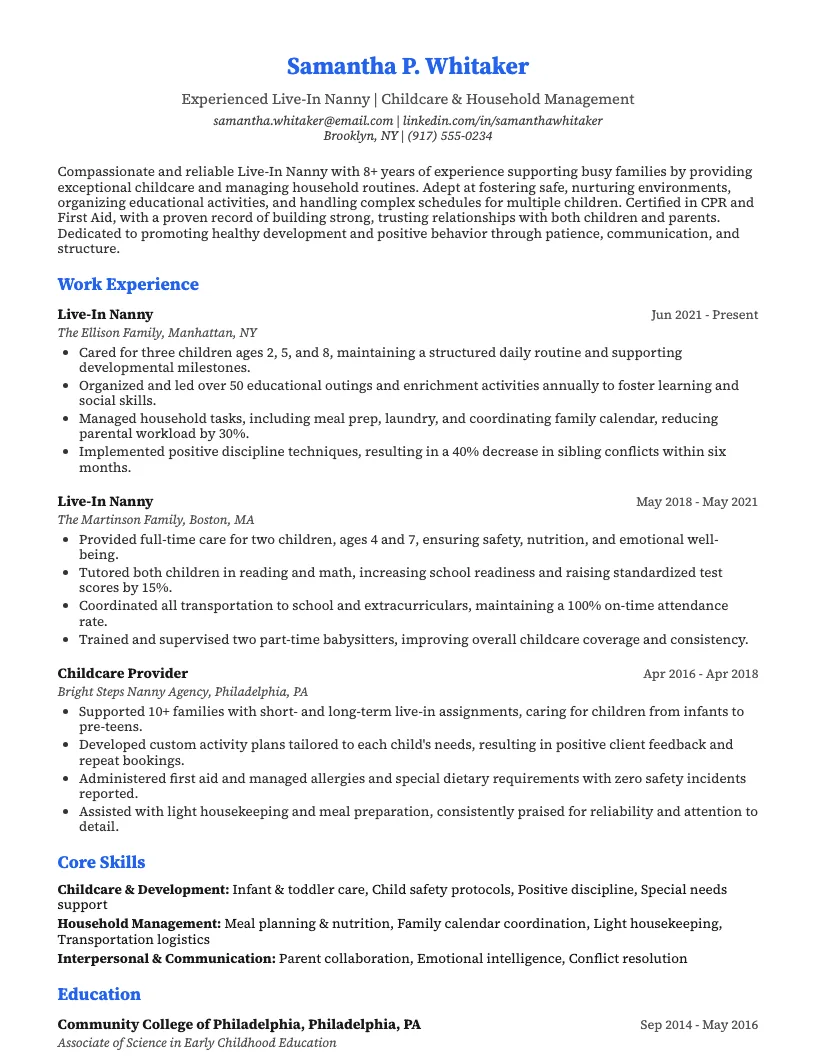 Click to enlarge
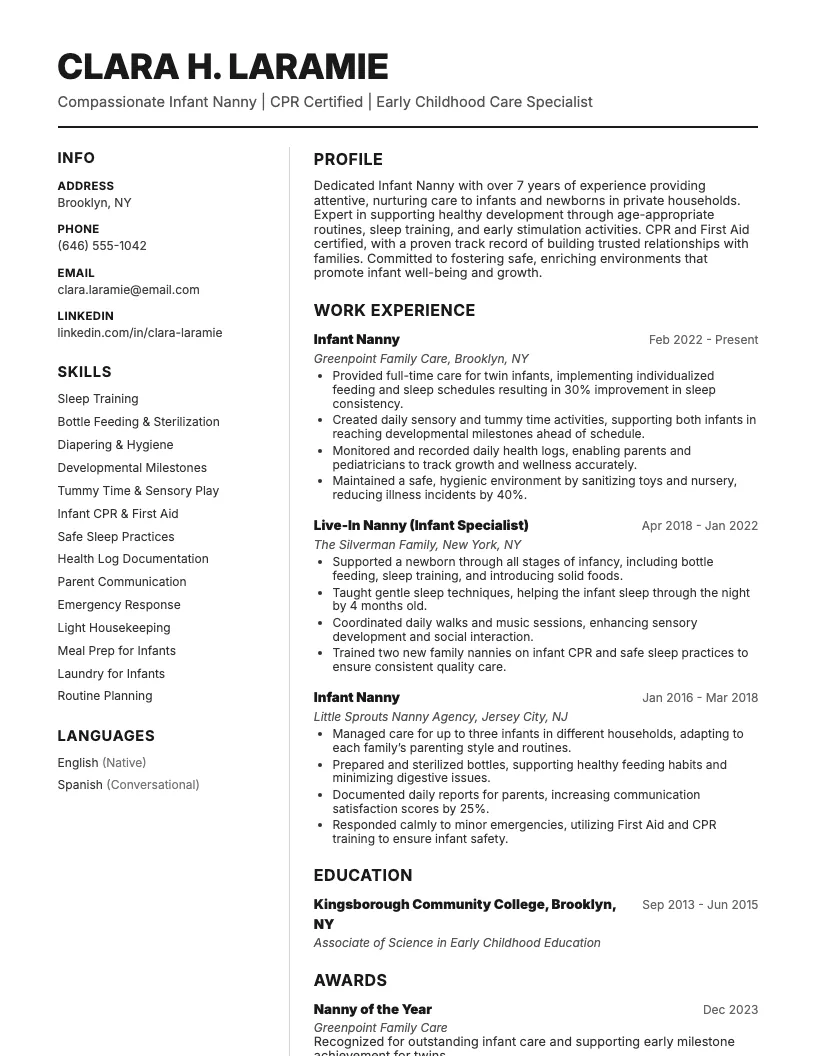 Click to enlarge
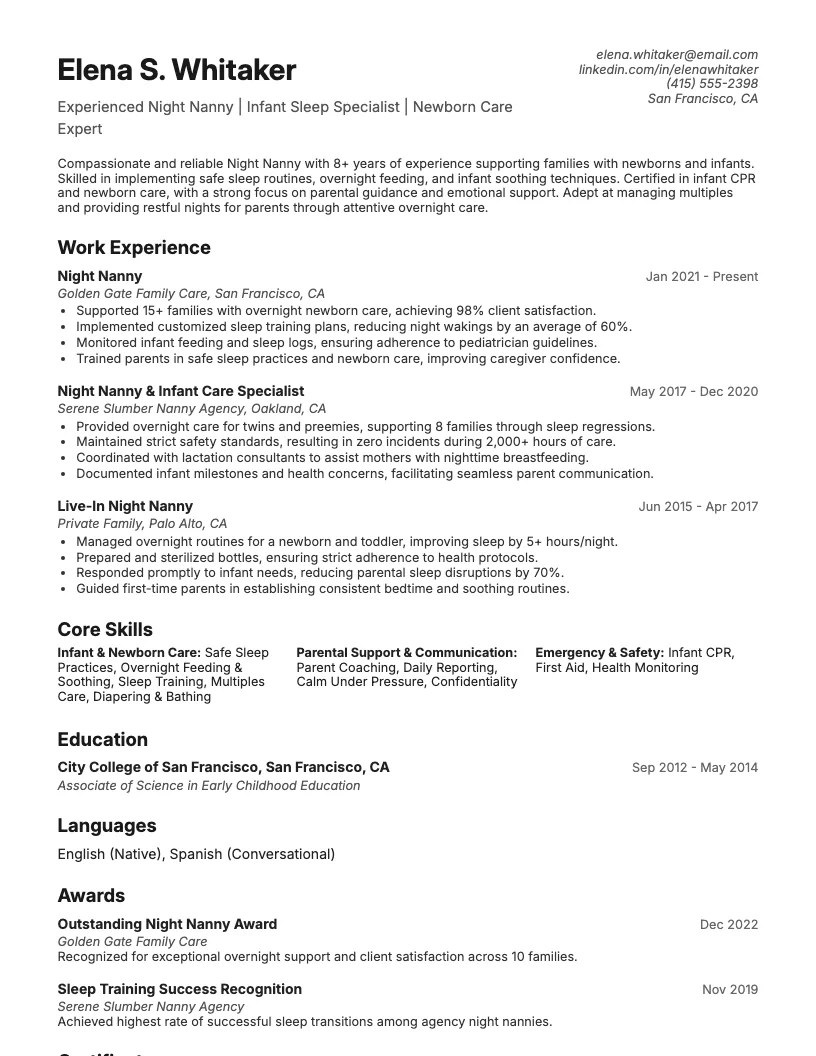 Click to enlarge
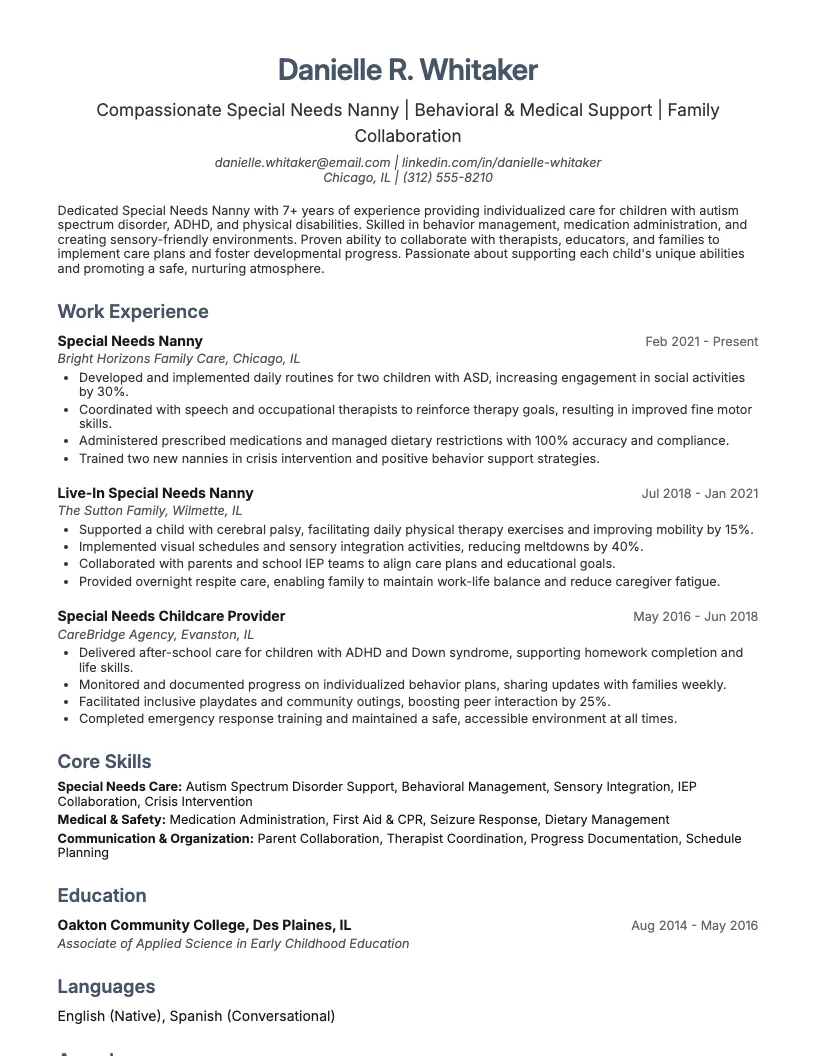 Click to enlarge
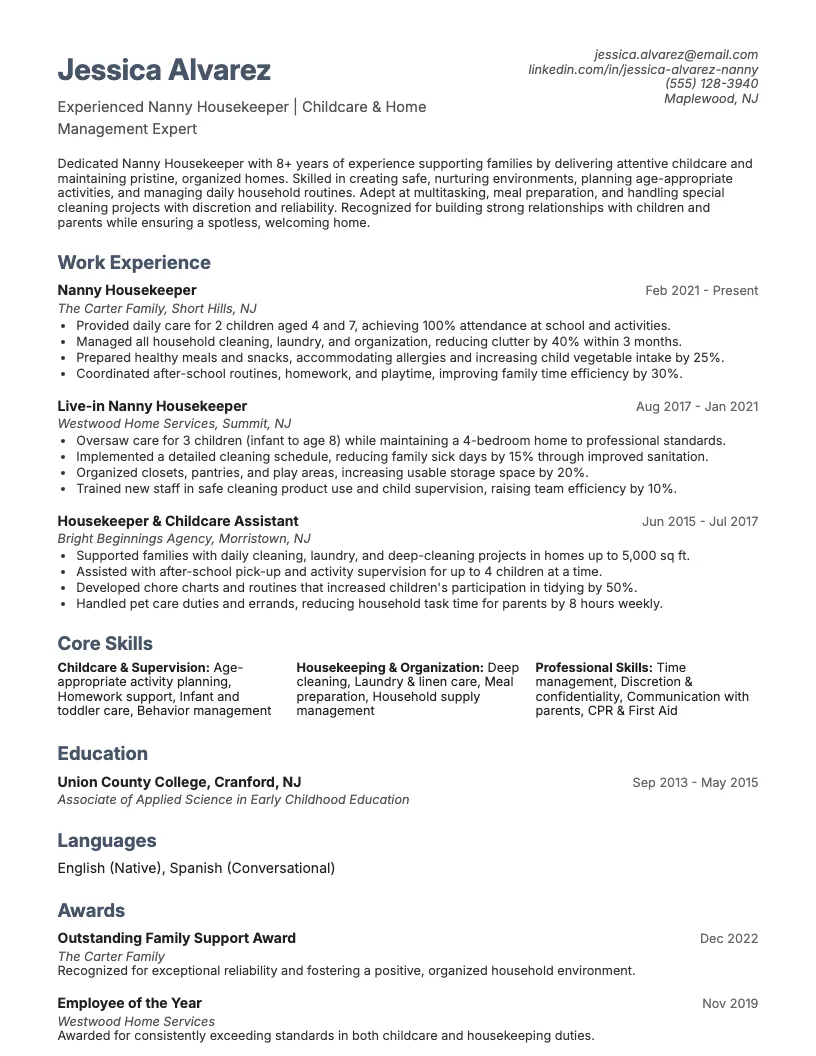 Click to enlarge
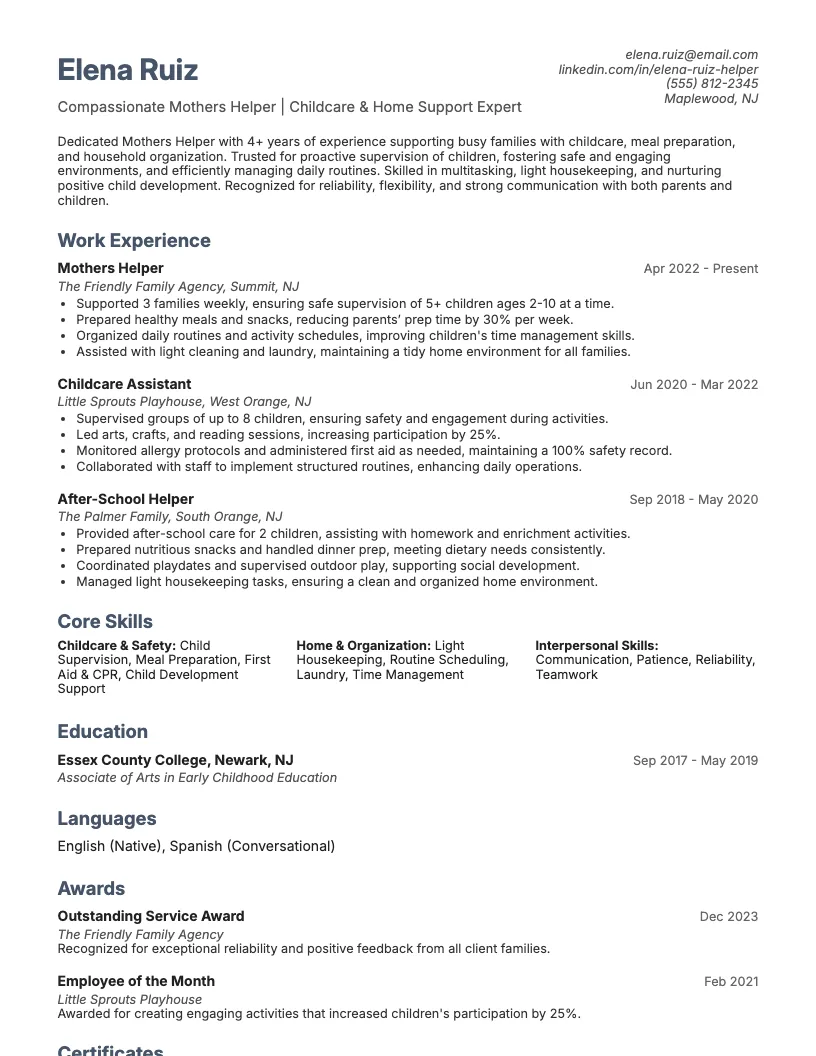 Click to enlarge
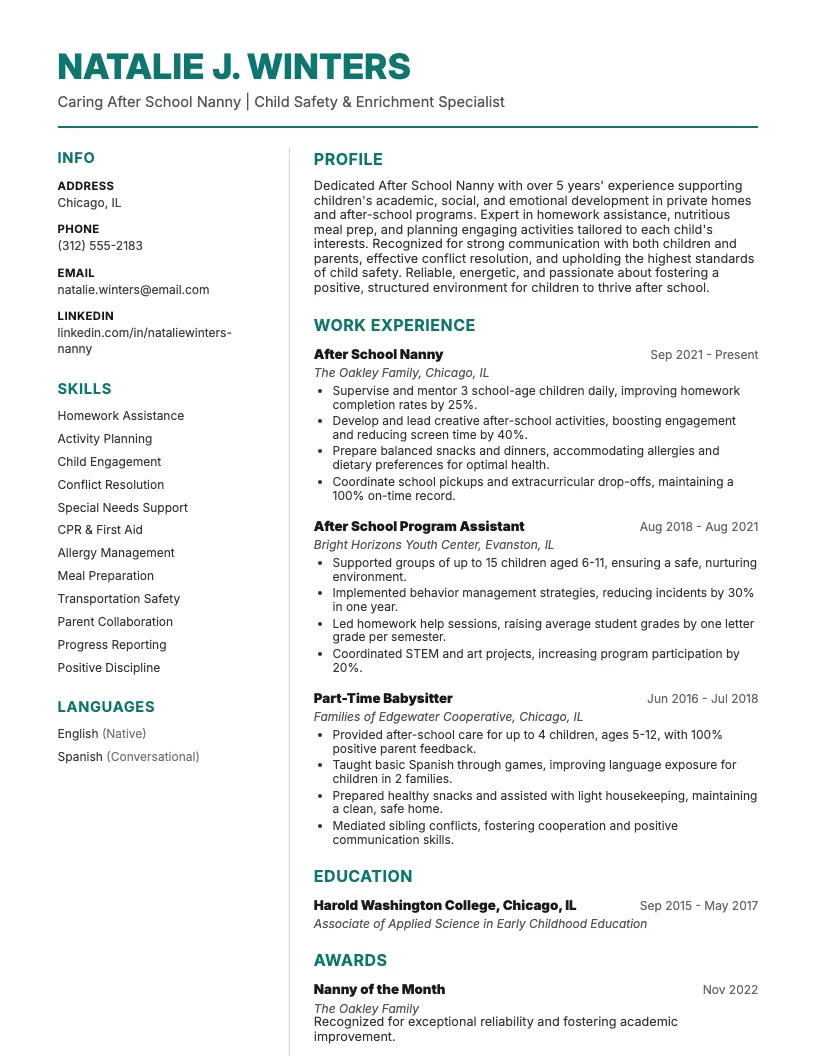 Click to enlarge
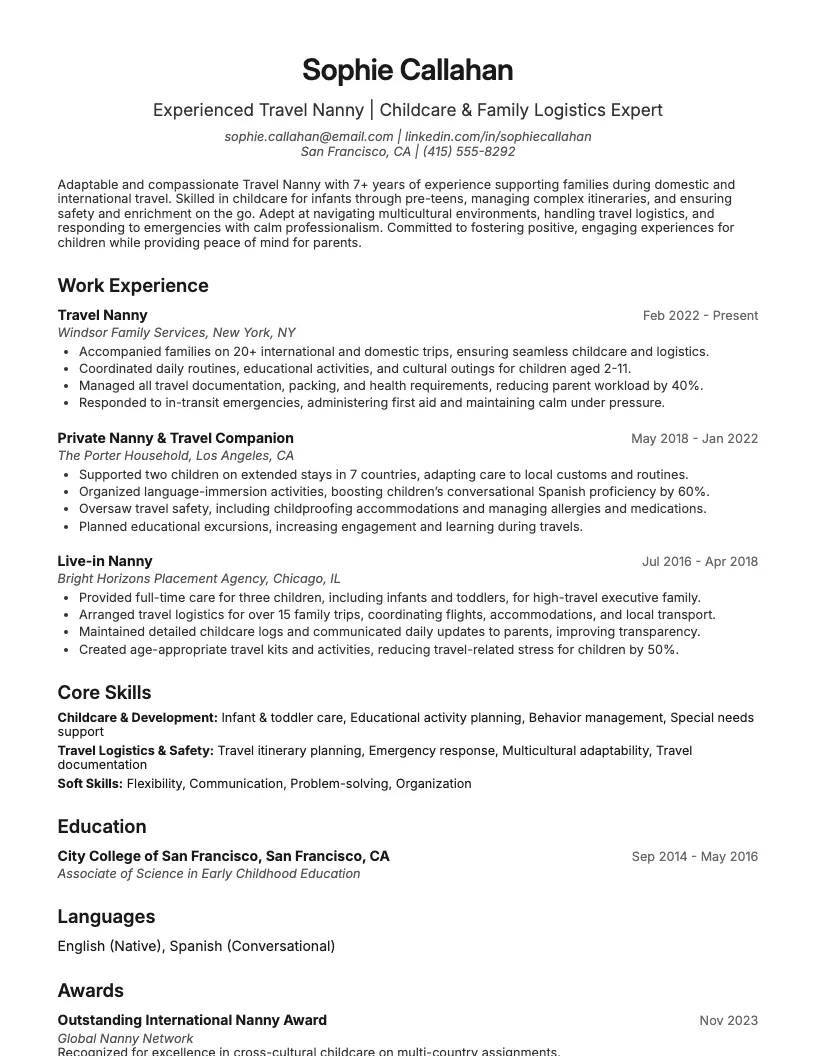 Click to enlarge
 Click to enlarge
Common questions about Nanny resumes
A nanny resume template is a pre-designed document that highlights childcare experience, certifications, and personal qualities. It helps you quickly showcase your skills to families or agencies. ResumeJudge offers templates tailored for childcare jobs.
Yes, most nanny resume templates from ResumeJudge are ATS-friendly, meaning they can be easily read by applicant tracking systems. This boosts your chances of passing resume screenings when applying to agencies or larger employers.
Use a nanny resume template when applying for childcare positions with families, nanny agencies, or daycare centers. It’s perfect for both full-time and part-time nanny roles, ensuring your skills stand out.
Absolutely! ResumeJudge templates are easy to personalize with your experience, certifications, and references. Customizing ensures your resume fits each specific nanny job or family’s needs.
Nanny resume templates focus on childcare skills, safety training, and family support, unlike generic templates. ResumeJudge designs templates to highlight relevant qualifications for caregiving roles.
A nanny resume should ideally be one page, focusing on key experiences, certifications, and references. ResumeJudge templates help you keep information concise and relevant for busy families or agencies.
Yes, including references is common on nanny resumes since families value trust. ResumeJudge templates make it easy to add references or a note that they’re available upon request.
A cover letter can help you introduce yourself personally and explain your passion for childcare. ResumeJudge offers cover letter examples to complement your nanny resume and boost your application.
Highlight childcare skills, first aid certification, communication, and problem-solving abilities. ResumeJudge templates prompt you to include these key skills for maximum impact in nanny job searches.
Yes! ResumeJudge offers easy-to-use nanny resume templates and helpful tips to guide you through the process. Our resources help you create a standout resume for any nanny position.
Explore more professional resume examples to inspire your job search
Use our AI-powered resume builder to create a professional, ATS-friendly resume in minutes.
Free to use • No credit card required