Pharmacist Resume Example
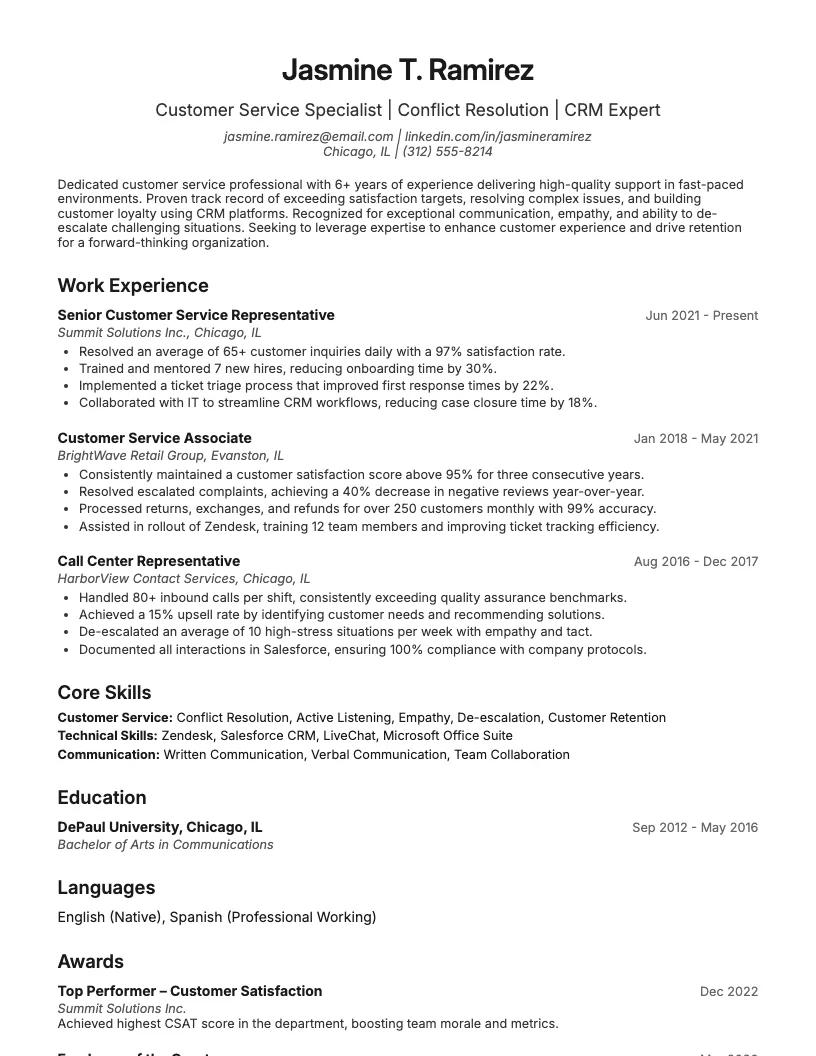
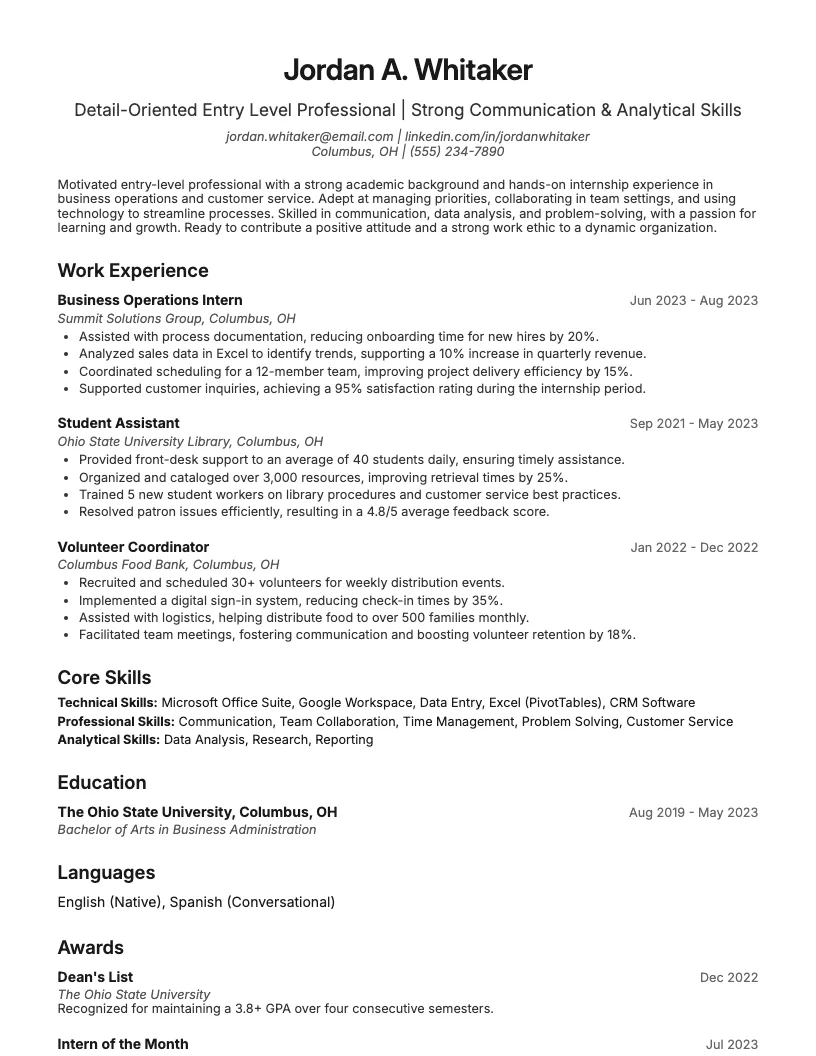
See full guide on Pharmacist resumes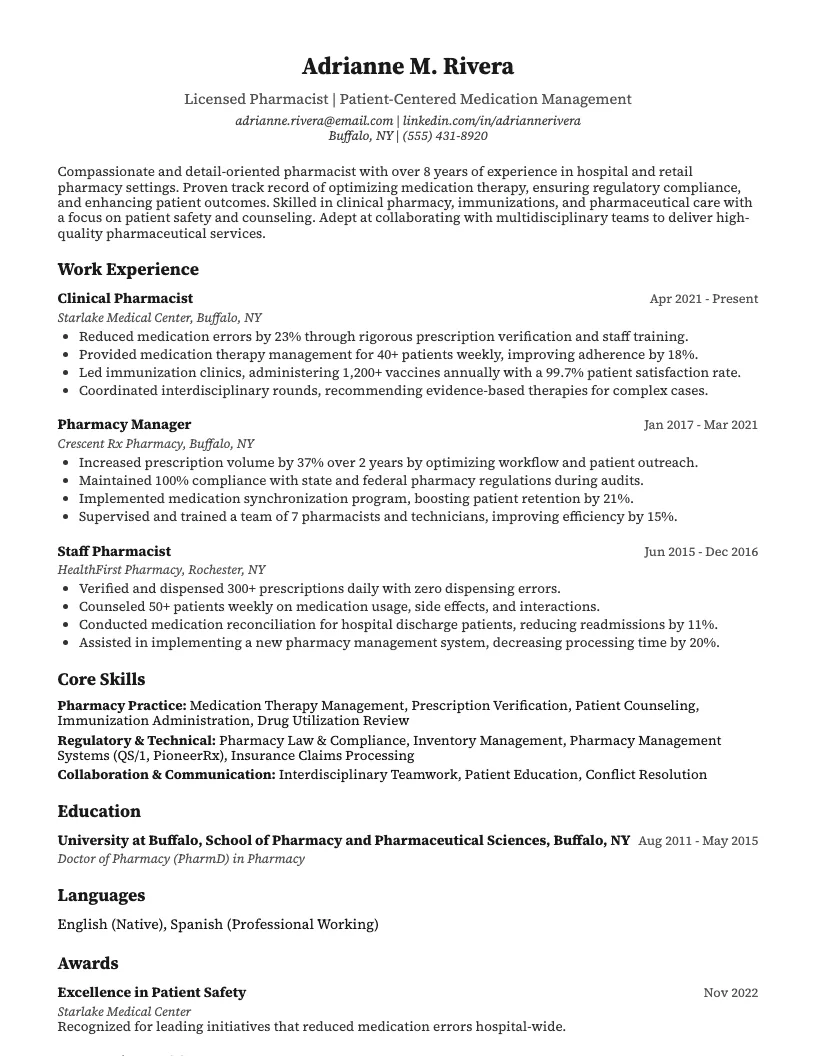 Click to enlarge
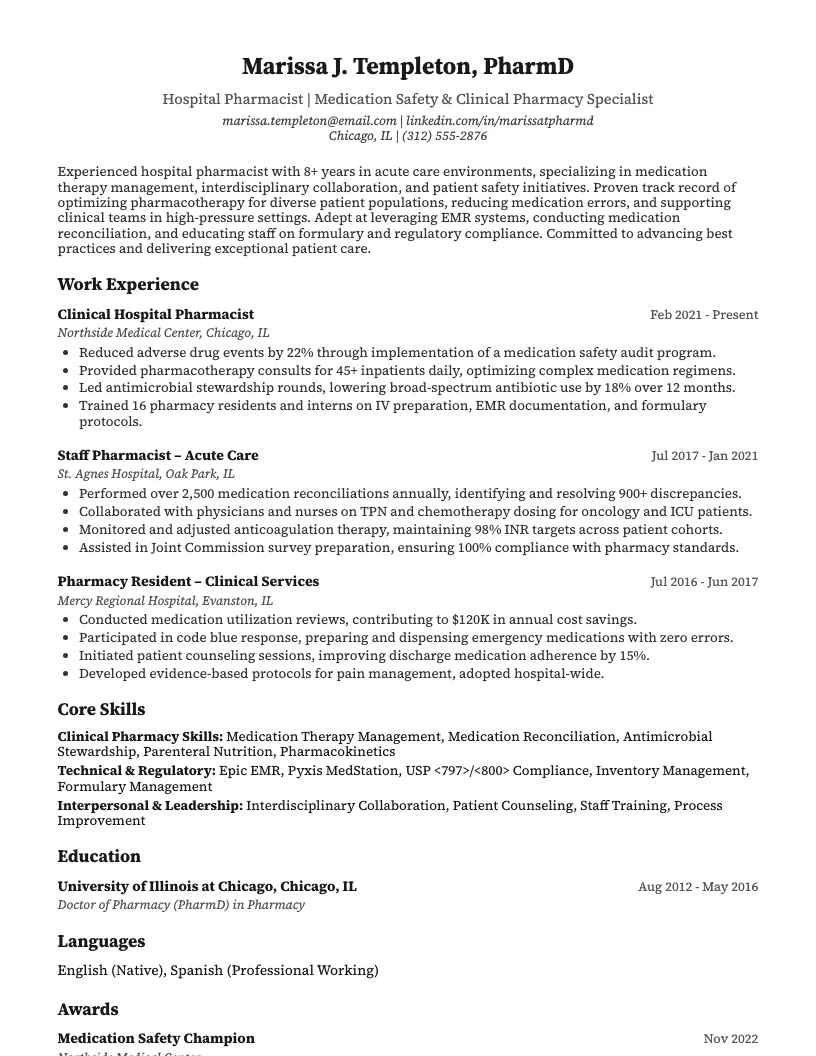 Click to preview

Get inspired by 62+ professional Hospital Pharmacist resume examples, each written by career experts and optimized to pass ATS scans. Pick a proven template, tailor it to your role, and download a polished resume in minutes.

Getting the format right is the first step to a standout hospital pharmacist resume. I always start by making sure my information is clear and easy to find.
You want recruiters to spot your qualifications and experience in seconds. Simple formatting choices, like reverse chronological order, help your most recent work shine.
A solid format also highlights the right sections-think experience, skills, and education. This sets you up to show your expertise and catch a recruiter's attention quickly.
Your hospital pharmacist resume needs a few must-have sections. Start with a clear header-your contact info is non-negotiable, and adding a professional photo is totally optional.
I always include a professional summary or objective. This gives recruiters a quick idea of my background and top achievements, right at the top of the page.
You also want a skills section packed with keywords from the job ad. Listing both technical and soft skills helps match you to the role and beat automated screening tools.
Experience comes next-use bullet points and real numbers. For example, “Managed medication orders for 200+ beds” shows impact. Keep it concise, but specific.
Don’t forget education, certifications, and any technical know-how, especially if you’re familiar with hospital pharmacy software or automation systems. This rounds out your expertise nicely.
Recruiters want to see real hospital experience. If you’ve managed medication therapy for over 100 patients a week, mention it. Numbers make your impact clear.
You should highlight tech skills, like experience with pharmacy automation or EMR systems. This shows you’re ready for modern hospital workflows.
I always stress the value of teamwork. If you’ve worked with physicians, nurses, or interdisciplinary care teams, say so-collaboration is a big deal in hospitals.
Wrap up your resume with regulatory know-how. Mentioning JCAHO or state compliance helps recruiters trust your understanding of hospital standards, and including a cover letter can further highlight your attention to these details.
The summary or objective sits right at the top of your resume. It’s your first chance to show hiring managers why you stand out.
You want this section to be short-no more than five sentences. Focus on your biggest strengths and key career goals.
Recruiters look for strong clinical knowledge, communication skills, and measurable achievements. A clear summary or objective gets their attention fast.
I usually start my summary by highlighting years of experience and key specializations, like medication therapy management or clinical pharmacokinetics. This instantly shows my expertise.
You can mention measurable achievements-for example, "I lead a team that reduced medication errors by 20% in one year." Recruiters love specific results.
Don’t be afraid to call out career transitions. If you’re moving from research or sales, say how your unique background boosts your pharmacy skills. This helps your resume stand out.
Your experience section is the first place hiring managers look. This is where you prove your skills and show what you actually accomplish on the job.
I always focus on real results, numbers, and the tools I use daily. Highlighting these details helps my resume stand out and matches what employers want.
When I want my hospital pharmacist resume to stand out, I focus on numbers. How many prescriptions do I process each day? How often do I catch medication errors?
You should highlight measurable achievements, like reducing drug waste by 15% or saving $10,000 a year through improved inventory. This gives recruiters a real sense of your contribution.
Include how many team meetings you attend, protocols you update, or training sessions you deliver. Quantifying your experience always makes your impact more concrete and credible.
I always kick off bullet points with strong action verbs. Words like dispense, review, collaborate, optimize, and educate instantly show what I actually do at work.
Using action verbs helps paint a clear picture of my impact. For example, I might say, "Implemented medication reconciliation for 200+ patients monthly" or "Trained 12 pharmacy interns on clinical protocols."
There are tons of choices-analyze, counsel, monitor, advise, coordinate. Mix it up and match verbs to the responsibilities and results you want to spotlight. This really makes each achievement stand out.
If I don’t have direct hospital pharmacist experience, I highlight relevant coursework or projects. Listing classes like Pharmacology or hands-on lab assignments shows I understand the basics.
I include volunteer work or unpaid internships. Anything involving patient care, teamwork, or pharmacy operations can count—especially if you’ve held roles similar to a hospital pharmacy assistant, where referencing a cover letter can be helpful. Employers like seeing commitment, even outside paid jobs.
You can also mention student organizations or leadership roles. Managing a pharmacy club event or tutoring classmates builds skills like communication and problem-solving-both are big in hospital settings.
It helps to tailor every bullet point to the job. I match my skills and achievements to what the hospital needs, using numbers where I can-like “organized events for 50+ students.”
When I talk to recruiters, they always ask about both technical skills and people skills. Hospital pharmacists need both to do the job well.
You want to show you know your meds and tech, but you also need to work with patients and teams. It’s about finding the right balance.
I find that listing specific software or protocols alongside communication or leadership skills gives your resume a real edge. Recruiters notice when you tailor it this way.
Certifications and education matter a lot in hospital pharmacy. Employers expect to see credentials that prove you meet strict industry standards.
If you’re applying, focus on the degrees and certificates that are most relevant. Don’t list every course-just the ones that show your skills and commitment.
Details like graduation dates, license numbers, and honors help your resume stand out. Reverse chronological order works best so your latest achievements show up first.
I always highlight Board of Pharmacy Specialties (BPS) certifications. BCPS, BCOP, BCIDP, and BCCCP show advanced clinical expertise-these are all highly valued in hospital settings.
If you want to stand out, add certifications like Certified Geriatric Pharmacist (CGP) or Immunization Certification. These show your commitment to specialized patient care.
Always list the certification name, issuing body, and license number if you have it. Recruiters look for these details, and it helps them verify your credentials quickly.
You can make your hospital pharmacist resume stand out by adding a few extra sections. These give hiring managers a better picture of your skills and interests.
Think about including things like awards, published work, or big projects. Over 60% of recruiters say unique sections help applicants get noticed.
If you want to know what hospital pharmacists earn, you’re in the right place. Pay varies a lot depending on where you work.
I look at salary data from each state to give you a real idea of what’s out there. This helps when you’re planning your next move.
A great hospital pharmacist resume highlights the right mix of experience, skills, and credentials. You want every section to show why you’re the right fit.
Stick to relevant achievements and certifications. Show employers how you add value, not just what you do day-to-day.
Use a clear layout and keep your descriptions focused. Recruiters spend about 7 seconds on each resume, so you need to make yours count.
I always start by gathering details about my certifications, experience, and skills. This helps me see what matches the job description and what needs more emphasis.
You want your resume to stand out, so focus on relevant achievements. Around 70% of recruiters use automated screening, so keywords from the job ad matter a lot.
Highlighting both clinical expertise and teamwork shows you fit hospital settings. If you’re coming from a retail background, referencing a cover letter can help you tailor your application, and I find it useful to mention quantifiable results, like reducing medication errors or improving workflow.
Browse Hospital Pharmacist resume examples for related roles. Preview any example, open it in the builder, or read its full guide.
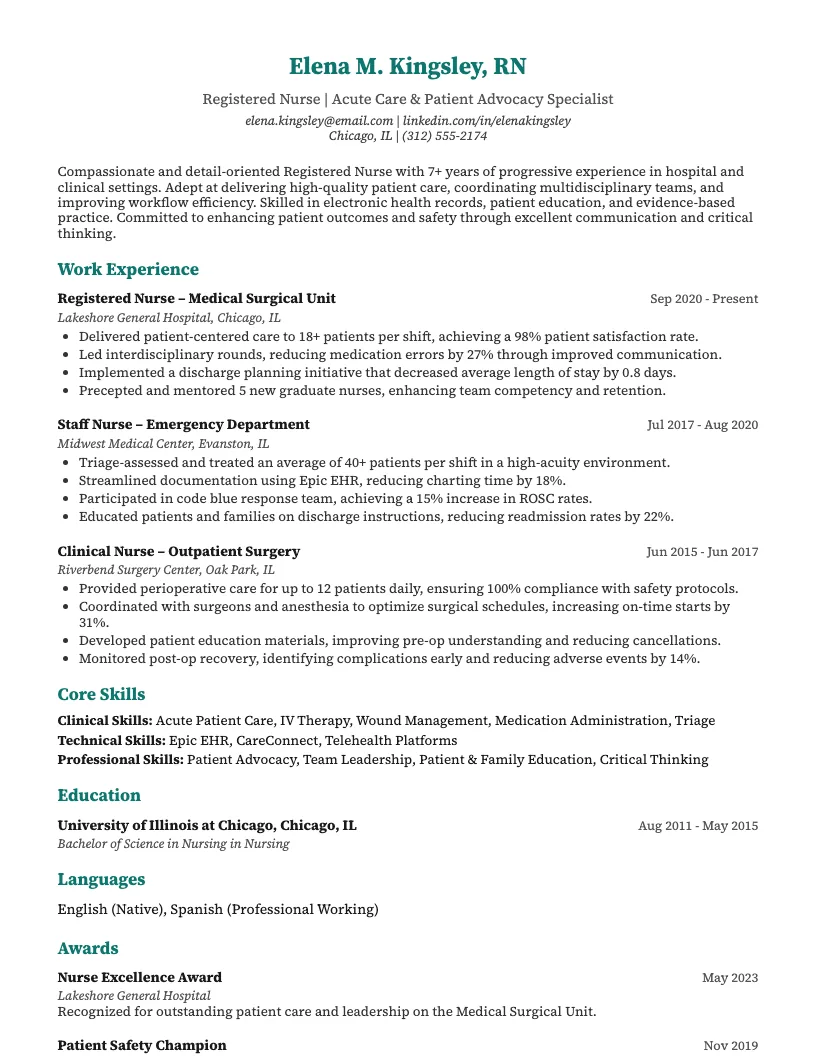
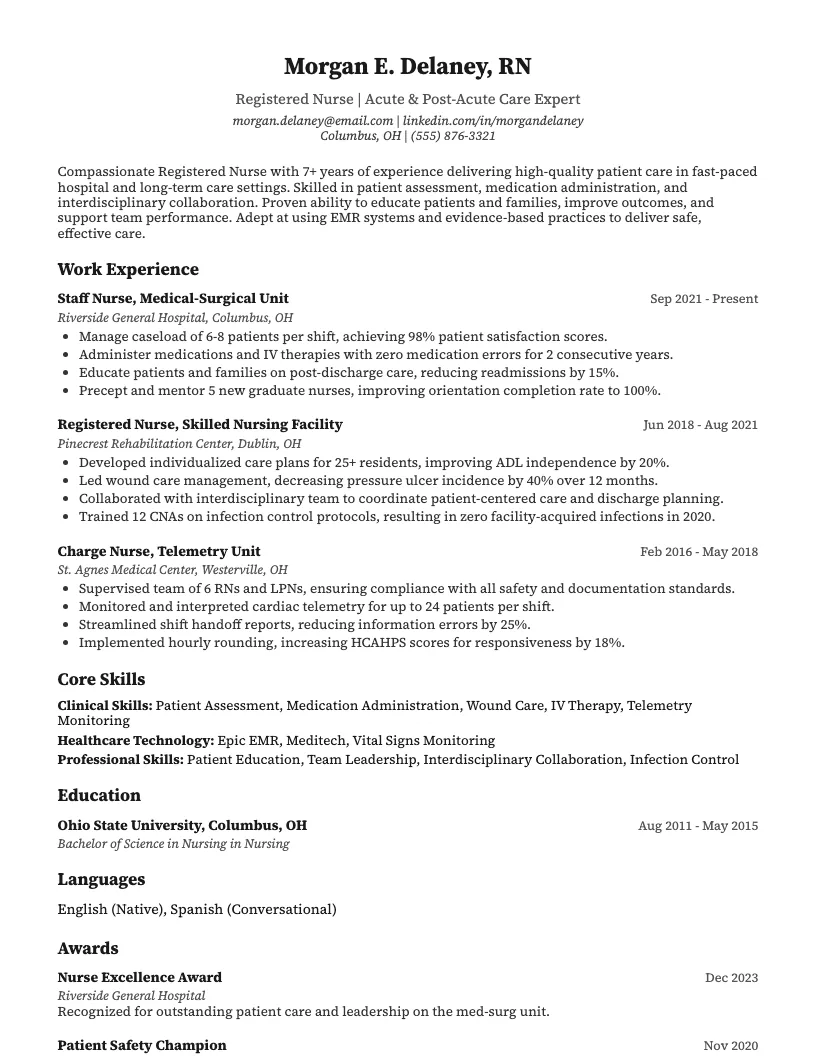
Click to enlarge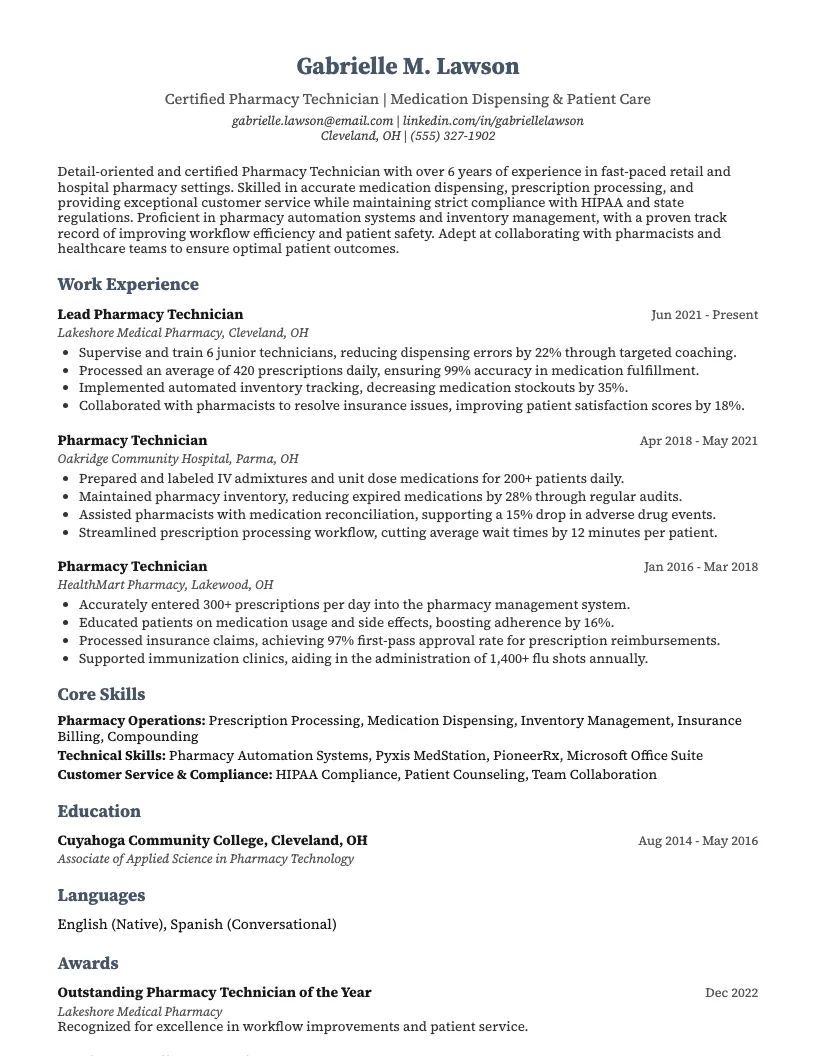 Click to enlarge
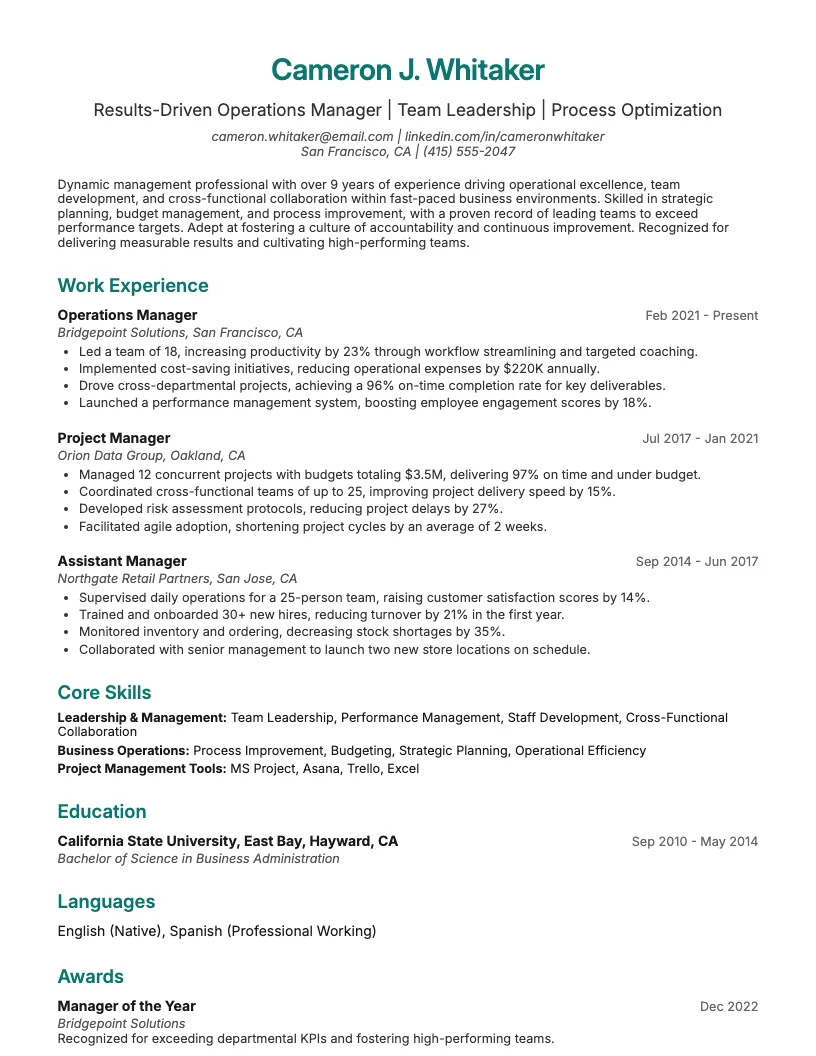
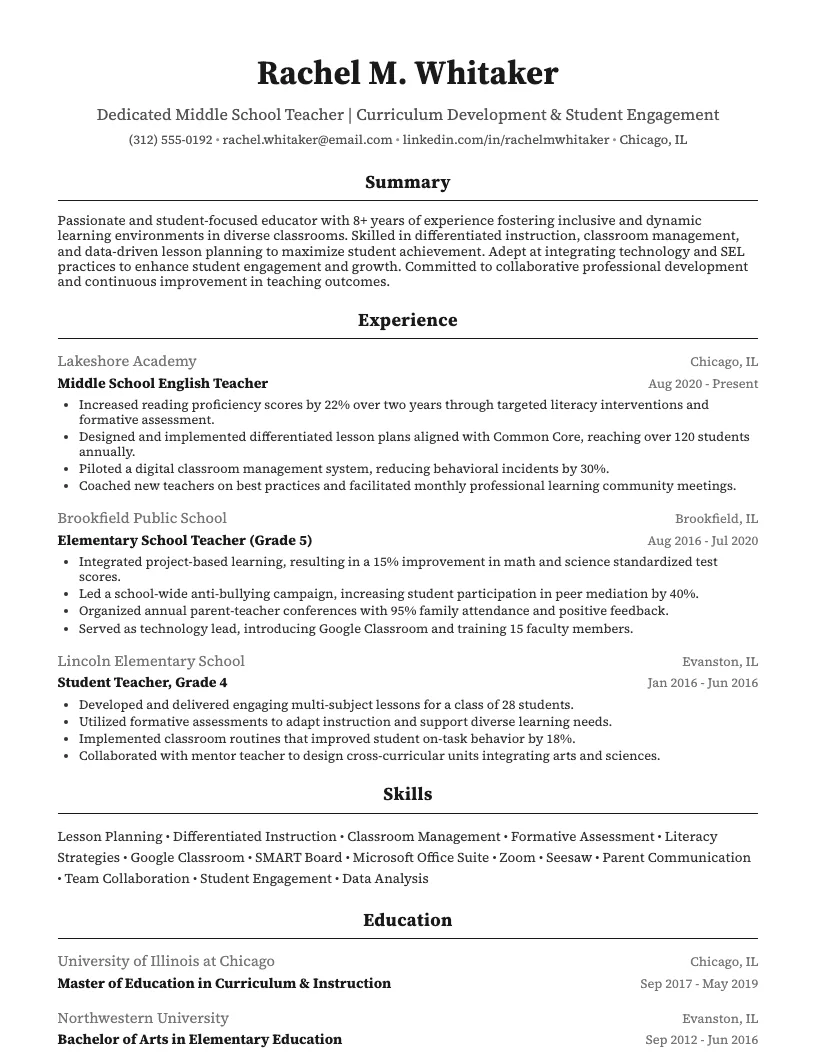
 Click to enlarge
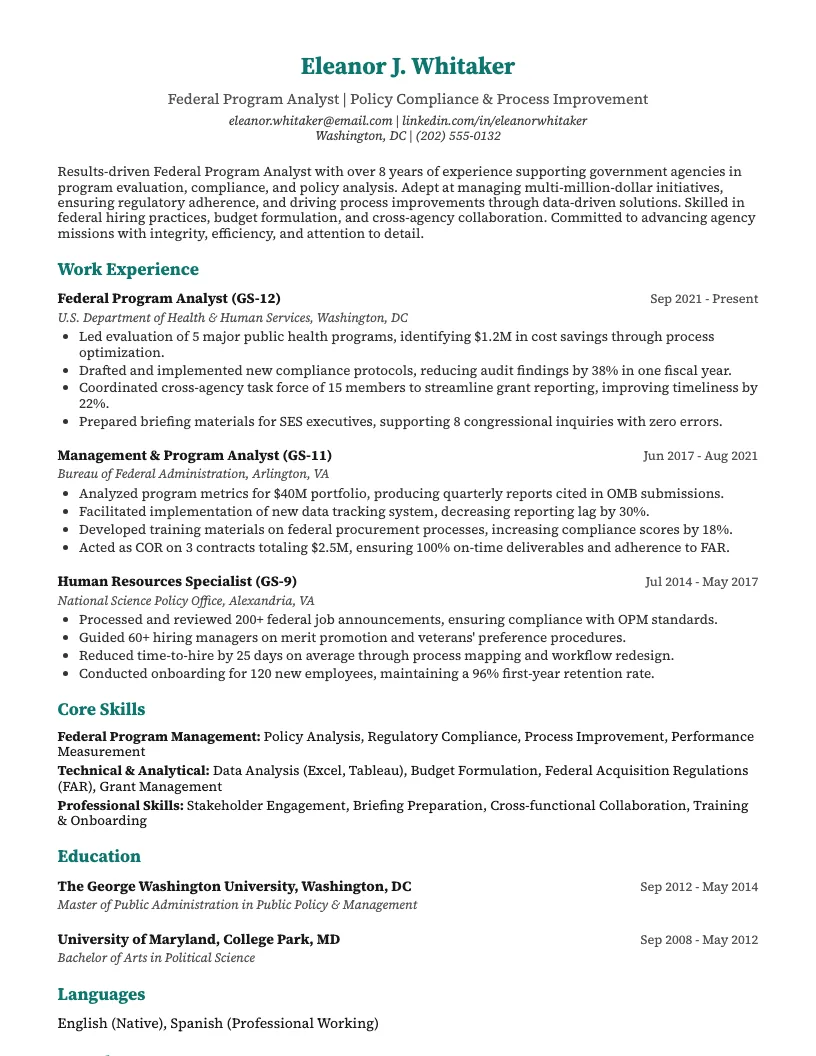
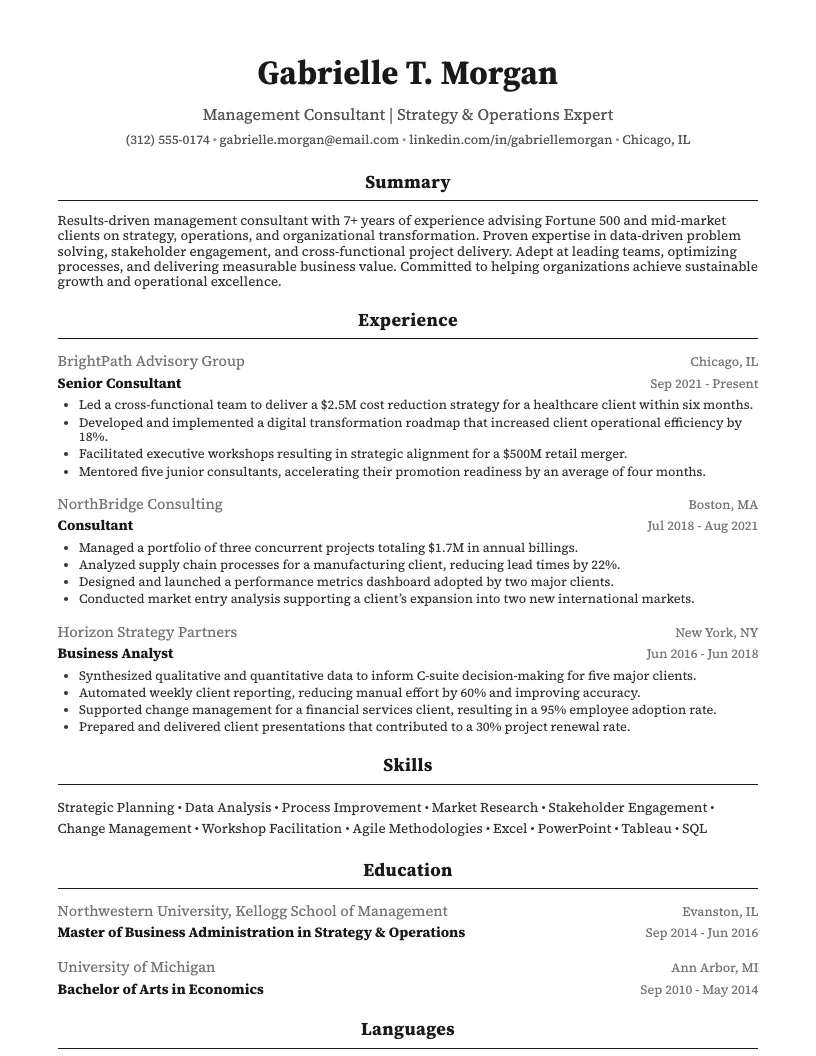
 Click to enlarge
Common questions about Hospital Pharmacist resumes
A Hospital Pharmacist resume template is a pre-formatted document designed to highlight pharmacy skills and clinical experience for hospital settings. It helps you present your qualifications clearly and professionally.
Yes, most Hospital Pharmacist resume templates, like those from ResumeJudge, are ATS-friendly. This ensures your resume passes automated screenings and reaches hiring managers.
Use a Hospital Pharmacist resume template when applying for roles in hospitals, clinics, or healthcare systems. It’s ideal for both entry-level and experienced pharmacists seeking clinical positions.
Absolutely! Hospital Pharmacist resume templates are fully customizable. ResumeJudge lets you easily tailor sections like education, certifications, and work history to fit your career goals.
Hospital Pharmacist templates focus on clinical, patient-care, and medication management skills, unlike retail or research pharmacist templates. ResumeJudge offers targeted templates for each pharmacy specialty.
A Hospital Pharmacist resume should typically be one to two pages, keeping information concise and relevant. ResumeJudge templates help ensure you present your details effectively and professionally.
Yes, these templates feature dedicated sections for pharmacy licenses, board certifications, and specialized training, making it easy to showcase your qualifications.
Definitely! New graduates can use these templates to emphasize clinical rotations, internships, and relevant coursework. ResumeJudge helps you highlight your strengths, even with limited experience.
Yes, ResumeJudge offers templates tailored for clinical pharmacists, pharmacy managers, and specialists in oncology, pediatrics, or ICU settings, so you can target your preferred role.
Use a ResumeJudge template to highlight achievements, patient outcomes, and medication safety initiatives. Customizing your resume for each job description also boosts your chances of landing interviews.
Explore more professional resume examples to inspire your job search
Use our AI-powered resume builder to create a professional, ATS-friendly resume in minutes.
Free to use • No credit card required