Sous Chef Resume Example
See full guide on Sous Chef resumes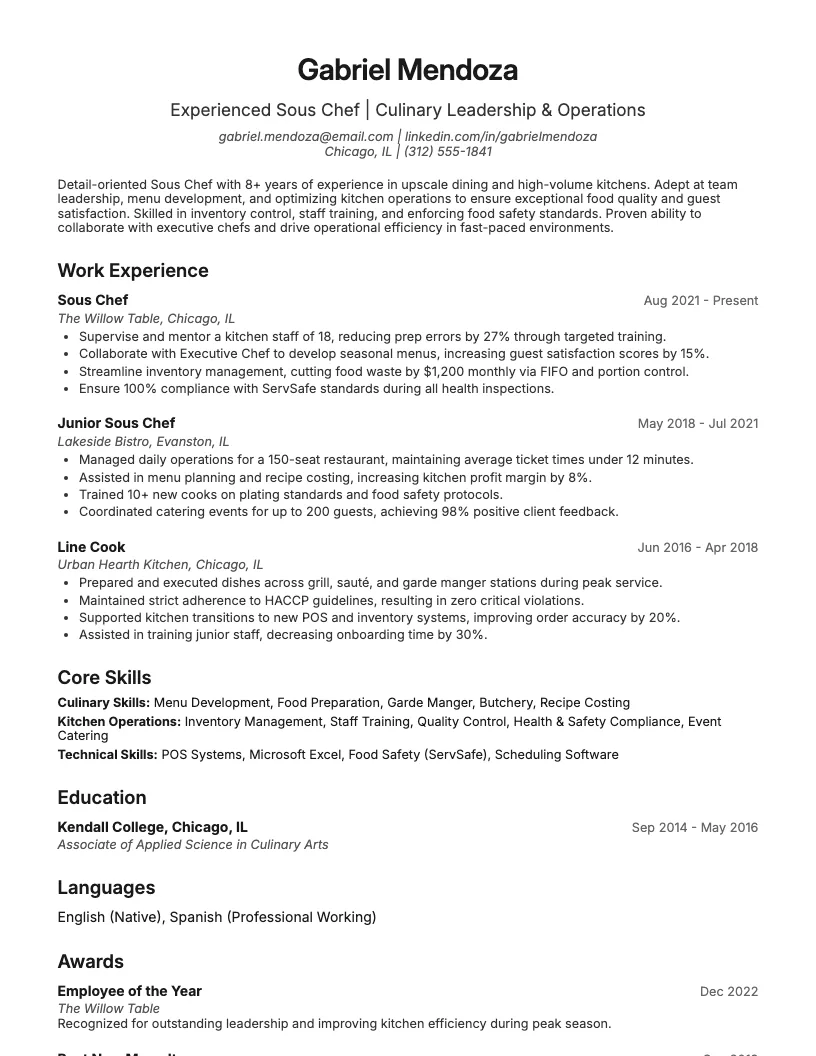 Click to enlarge
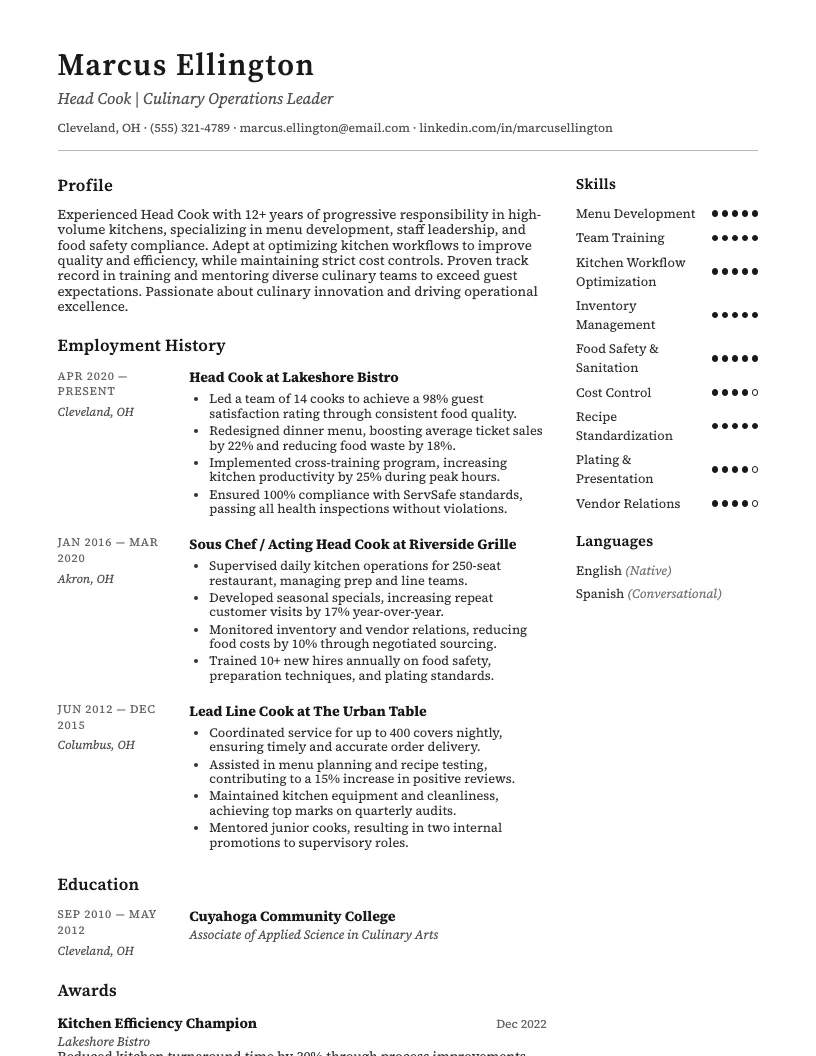 Click to preview

Get inspired by 56+ professional Head Cook resume examples, each written by career experts and optimized to pass ATS scans. Pick a proven template, tailor it to your role, and download a polished resume in minutes.
Pick the specialization closest to your target role and start from a proven resume example.

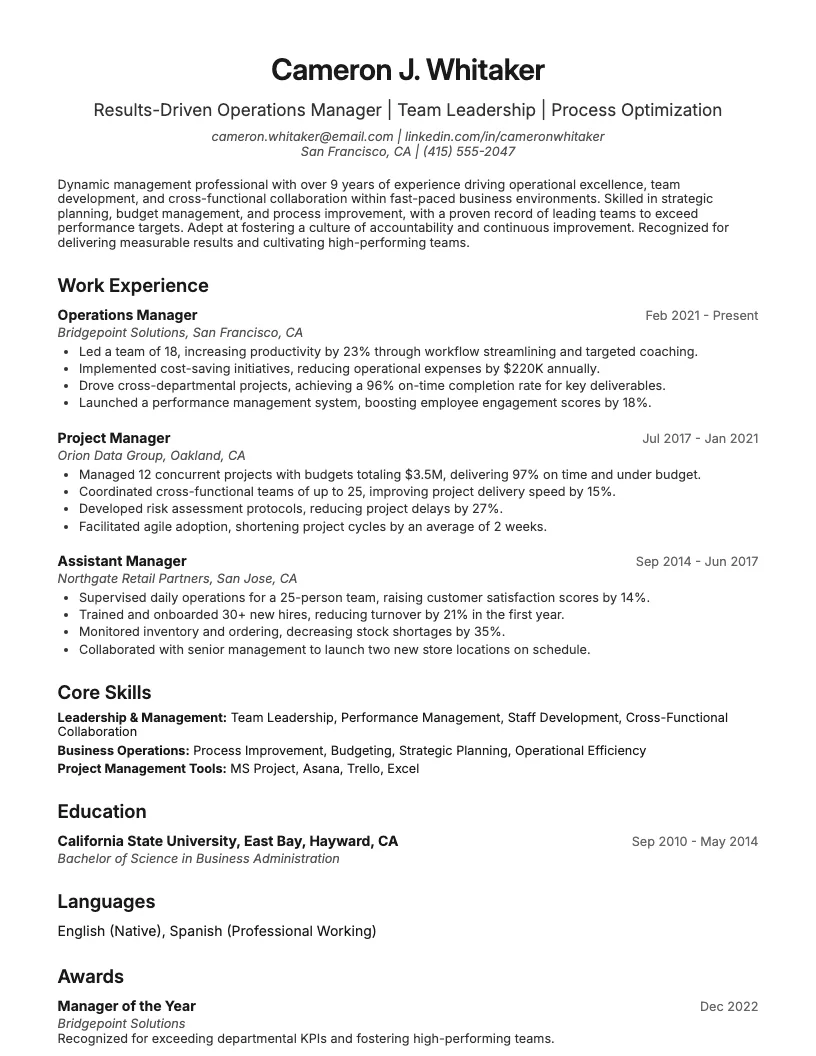
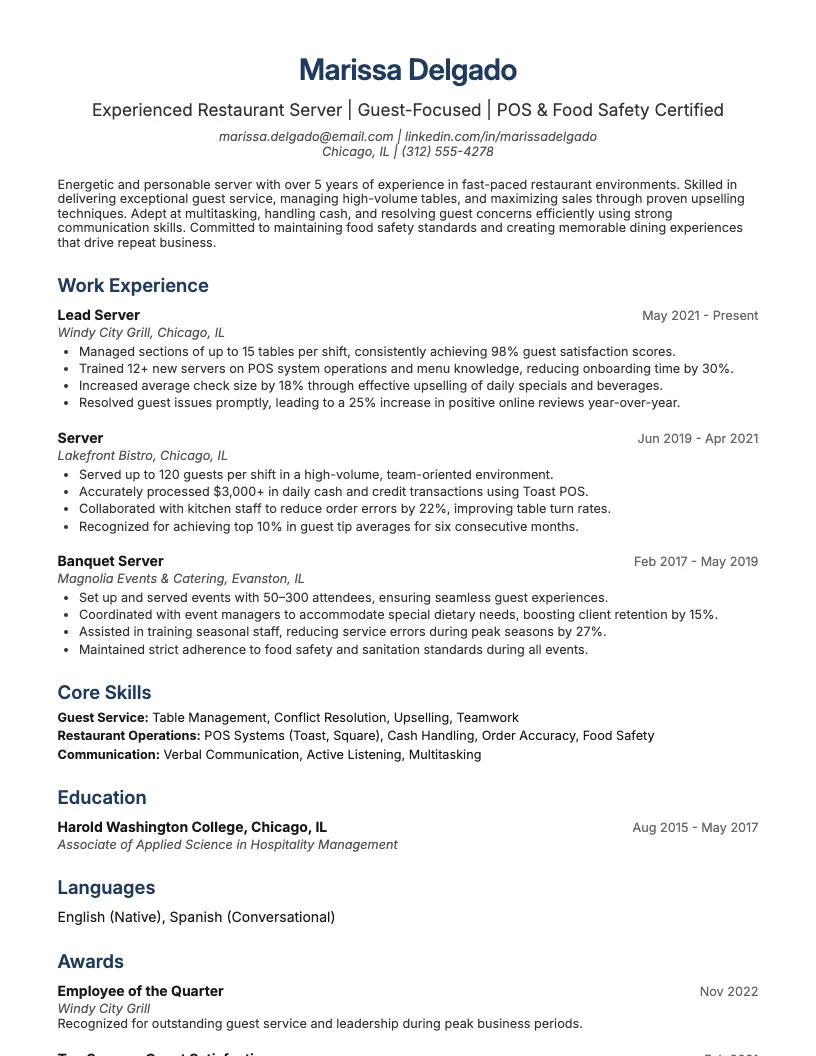
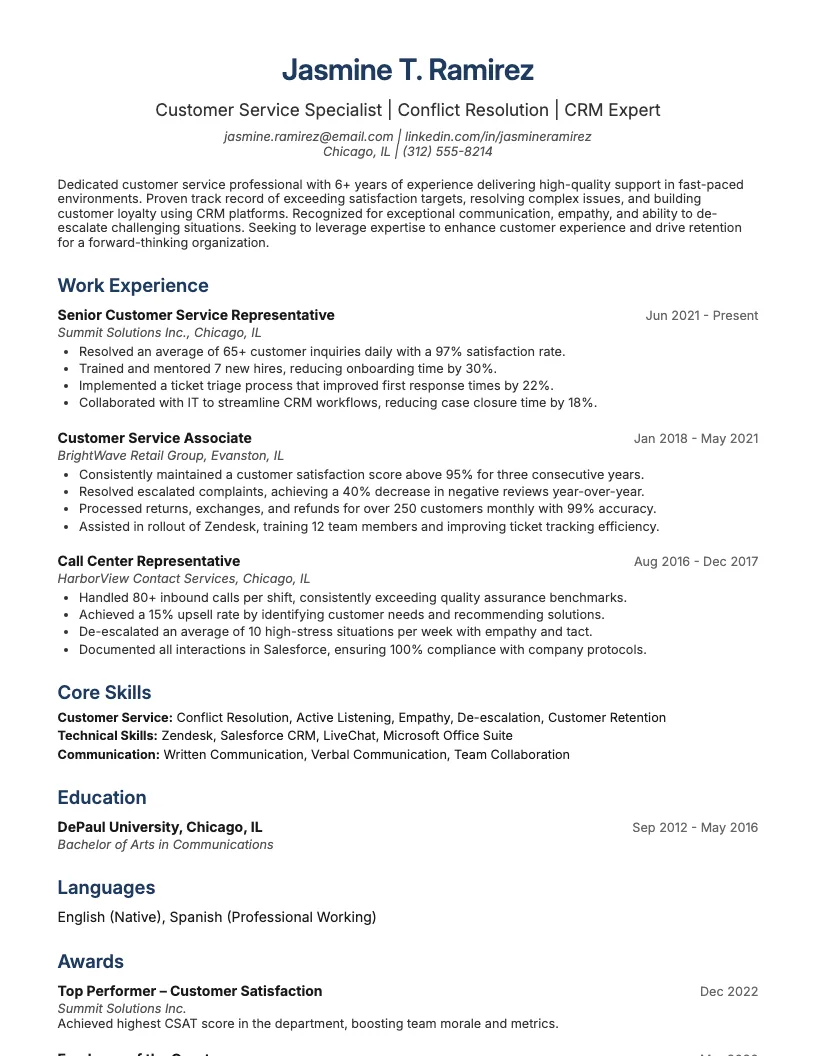
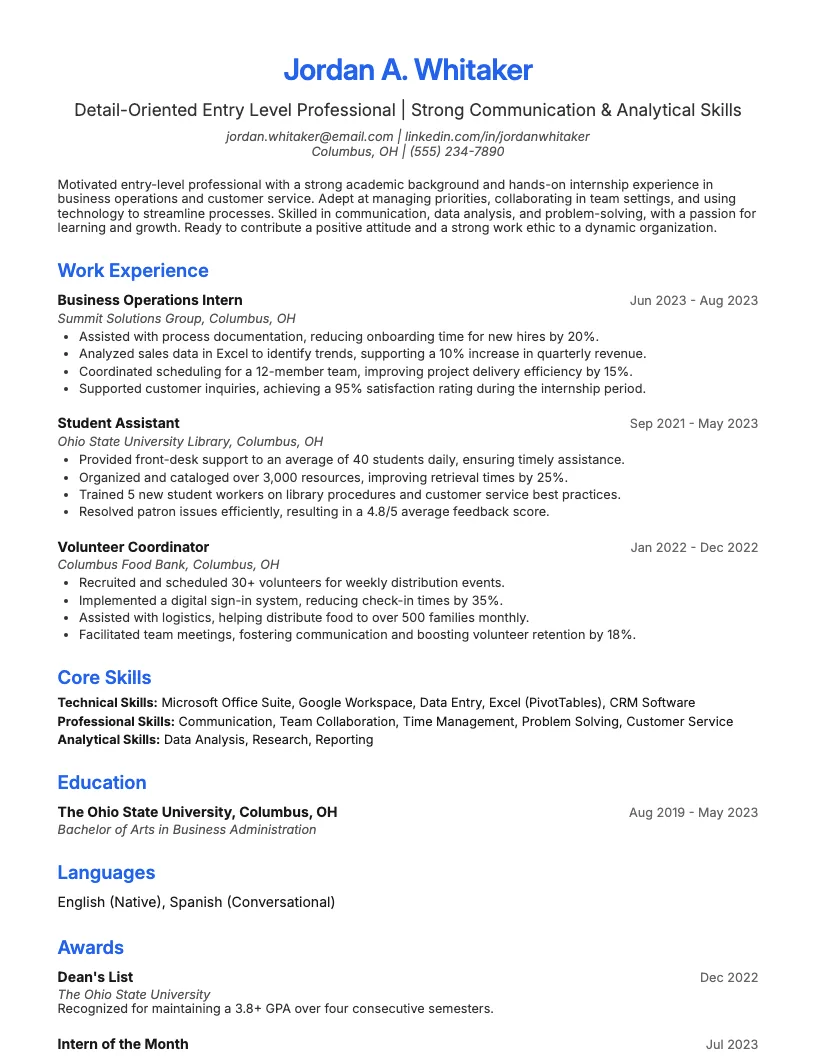
Nailing the format of your resume helps you stand out fast. I always start with a clean, easy-to-read layout and pick a structure that matches my experience level.
You want recruiters to see your skills and achievements right away. A good structure highlights your strengths, whether you’re new or have ten years behind the line.
Every head cook resume needs a few must-have sections. I always start with a bold header-your name, contact info, and a clear headline like "Head Cook" or "Sous Chef."
You want a short summary or objective up top. This gives recruiters a quick idea of your experience and what you bring to the kitchen.
Add an experience section with bullets. Highlight your key achievements-think number of team members managed, kitchen size, or cost savings you’ve delivered.
Don’t forget a skills section. Show off both technical skills-like menu development or inventory management-and soft skills, such as leadership and communication.
Finally, list any education or certifications. Things like a food safety certificate or a culinary diploma can really boost your credibility.
Recruiters want to see real experience managing busy kitchens, not just cooking skills. I always highlight how many staff I supervise and the kitchen size I handle.
They're looking for proven leadership, strong communication, and efficiency. If you’ve cut food waste by 15% or improved team retention, throw those numbers in-they stand out.
Showcase your food safety knowledge and menu development chops. Certifications like ServSafe or HACCP get extra points. This helps you stand out in a stack of resumes.
The first thing recruiters notice on your resume is your summary or objective. This part sets the tone for your entire application.
If you want to stand out, you need to show your unique skills, results, and career goals right away. Tailor this section to each job you apply for.
I see many head cooks land interviews by highlighting leadership, menu development, or cost control experience in just a few lines. Numbers and clear results work best here.
A strong head cook summary grabs attention fast. I highlight my years of experience, team leadership, and real results-like reducing food waste by 15% or training 10+ new cooks.
You want to show off specific skills, like menu development, budget management, or safety compliance. This helps employers picture exactly what you bring to their kitchen.
Use numbers when you can. Saying “I led a team of 12 and cut prep time by 25%” shows your impact right away. That’s what makes a summary pop.
Your experience section is where you show what you actually do in the kitchen. It tells hiring managers how you lead, manage, and get results.
Focus on specific numbers, responsibilities, and feedback. This is your chance to highlight what makes you a strong candidate for any head cook job.
Hiring managers want numbers. I always highlight things like the size of the kitchen team I lead or the number of covers we serve per shift.
You can mention how much you reduce food waste or speed up kitchen operations, points you can also highlight in a prep cook cover letter. For example, “I cut food costs by 18%” or “I train and supervise 12 staff.”
It’s smart to show how you boost customer satisfaction scores, manage budgets, or pass health inspections. Numbers make your achievements clear and undeniable on your resume.
I always notice resumes that use strong action verbs like orchestrate, lead, or execute. These words show you drive results, not just follow instructions.
You want to highlight verbs that show you manage, train, and improve-like supervise, mentor, and streamline. This helps recruiters see your leadership in the kitchen.
There are also verbs like optimize, design, or implement. These tell employers you take initiative and constantly improve operations, which is key for a head cook.
If you’re new to being a head cook or changing industries, don’t stress about a long experience section. Lean into your strengths outside traditional jobs.
Highlight certifications, short courses, or any specialized training you’ve completed. For example, mention a ServSafe certification or a course in menu planning. This shows dedication to your craft.
You can also focus on transferable skills-like team leadership, food safety, or budgeting-picked up in past roles. These help you stand out and show what you bring to the table.
A strong professional profile at the top of your resume tells your story in a few lines. Use it to show your passion, your biggest wins, and your professional goals.
Hiring managers want to see real skills and numbers. Show what you can actually do in the kitchen. List both your cooking techniques and leadership strengths.
Don’t just say you’re organized-prove it with achievements. Use this section to highlight the results you get and the impact you make in every role.
Your education and certifications show recruiters you know your stuff. List your degrees, culinary school, or any relevant courses that match what employers want.
Certifications matter too. Including up-to-date food safety or management credentials can set you apart. In the next section, I’ll cover which certifications help most.
If you want to stand out, certifications are a game-changer. ServSafe Food Protection Manager is a must-over 6 million food pros hold it in the U.S.
I also recommend the Certified Professional - Food Safety (CP-FS) from NEHA. It covers advanced food safety and is recognized nationwide, which really boosts your credibility.
State-specific food manager certifications can help you meet local laws. You can list the date and issuing agency right on your resume to show you’re up-to-date.
For more leadership roles, the Certified Kitchen Manager (CKM) from the American Culinary Federation looks great. It shows you’re serious about managing kitchens and food safety standards.
If you’re curious about pay as a head cook, you’re not alone. I always check the numbers before making a move.
Head cook salaries change a lot depending on where you work. Some states pay way above average, while others stick closer to the national median.
You’ll see how location and experience impact your pay. I break down the facts so you can plan your next step with confidence.
Adding extra sections helps your resume show more than just job history. You can highlight awards, unique projects, or community work.
This gives hiring managers a better sense of your skills and personality. Extra details can set you apart from other head cooks with similar experience.
If you’re searching for chef resume examples, you’ll want to see how executive, pastry, and sous chef roles differ. This helps you tailor your own chef resume sample for the job.
Executive chef resume examples focus on leadership, budgeting, and managing teams of up to 30 staff. Show off your ability to cut food costs by at least 10% or drive menu innovation.
For pastry chef resume examples, highlight technical pastry skills, creativity, and any awards. You can mention signature desserts or events serving 200+ guests to stand out.
Sous chef resume examples should emphasize teamwork, inventory management, and supporting the head chef, similar to what you’ll find in a line cook cover letter. If you’ve trained junior cooks or improved prep times, throw in those numbers for impact.
A head cook resume needs to show your leadership, technical skills, and real results. Hiring managers want to see how you handle a kitchen and lead a team.
Focus on relevant experience, clear achievements, and certifications. Keep your layout simple, and make every word count. This helps your resume stand out from the pile.
I know putting together a head cook resume can feel overwhelming. But you only need a few key sections and a clear layout to get started.
Focus on the basics-a strong header, a short summary, and relevant work experience, and don’t forget to include a cover letter with your application. This helps you stand out, even if you’re short on space.
Highlight both your hard and soft skills. Show how your experience impacts the kitchen and team. Use real numbers, like “managed 12 staff” or “cut food waste by 15%.”
A chef resume usually highlights culinary creativity, menu development, and leadership over a full kitchen staff. Head cook resumes focus more on execution, food prep, and day-to-day kitchen operations.
You want your chef resume to show innovation and managing multi-course menus. For a head cook, emphasize efficiency, team supervision, and consistency in large-scale meal production.
Both roles manage people, but chef resumes often include budgeting and vendor negotiations. Head cooks can stick to food safety, training, and quality control. Tailor your focus to match the job you want.
Browse Head Cook resume examples for related roles. Preview any example, open it in the builder, or read its full guide.
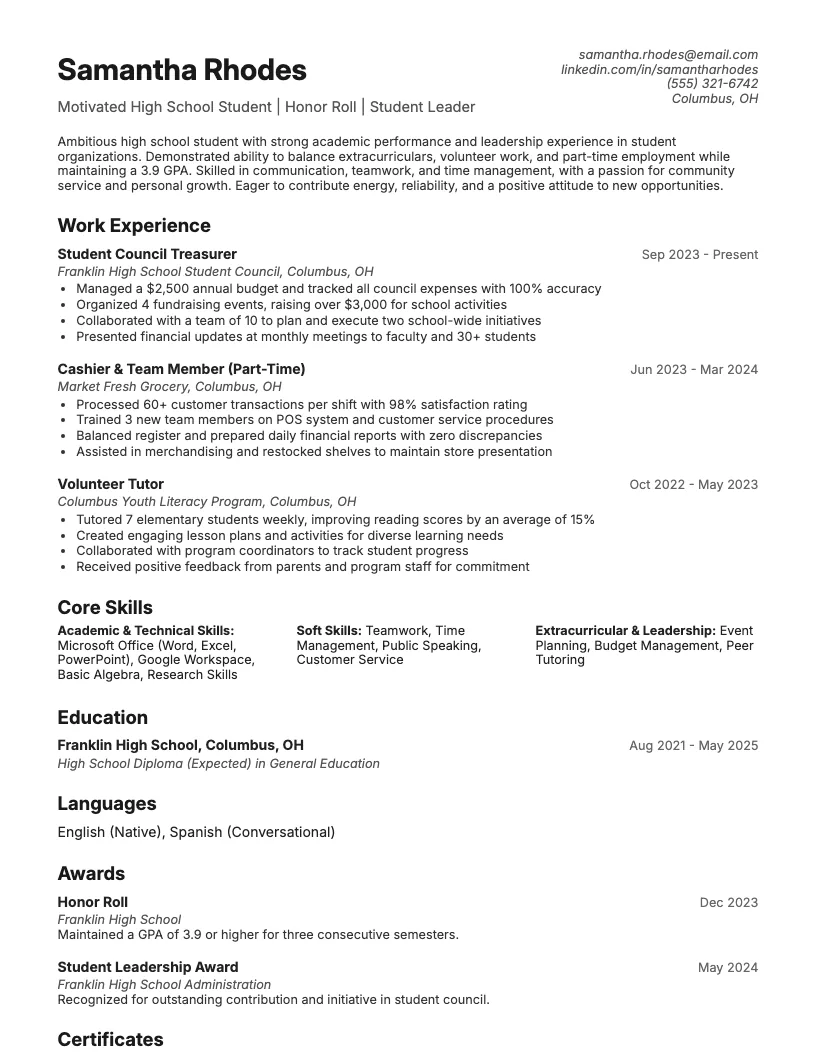
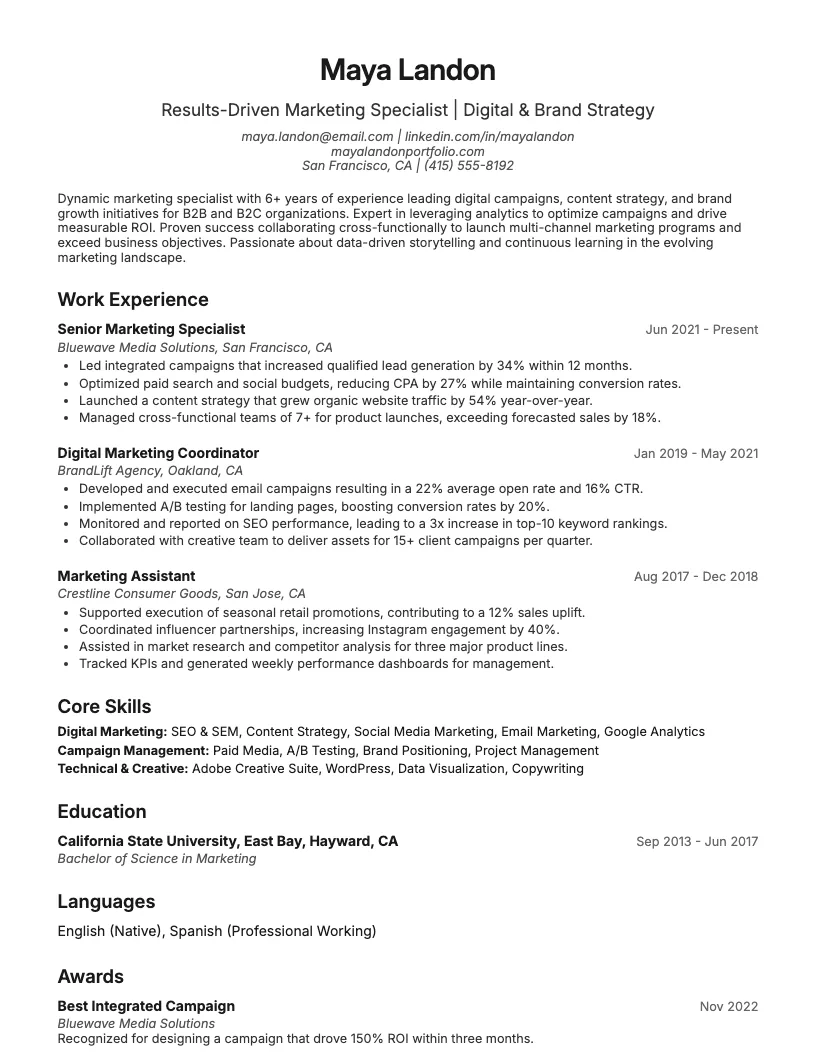
Click to enlarge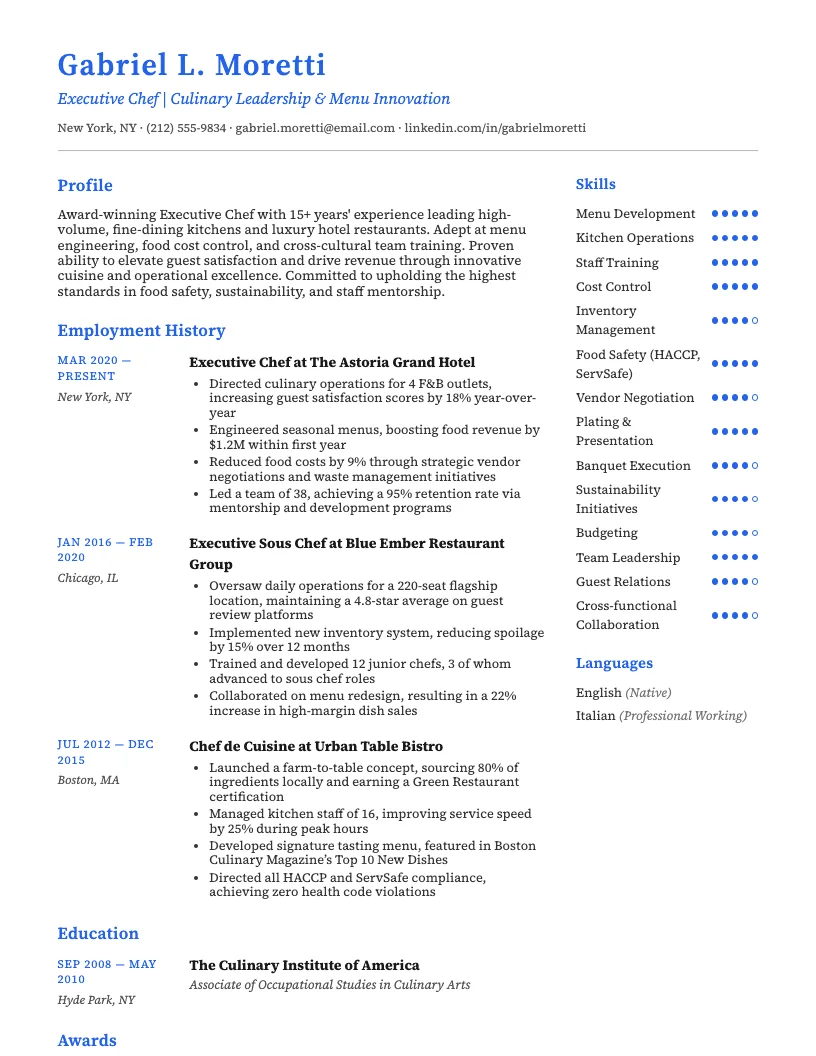 Click to enlarge
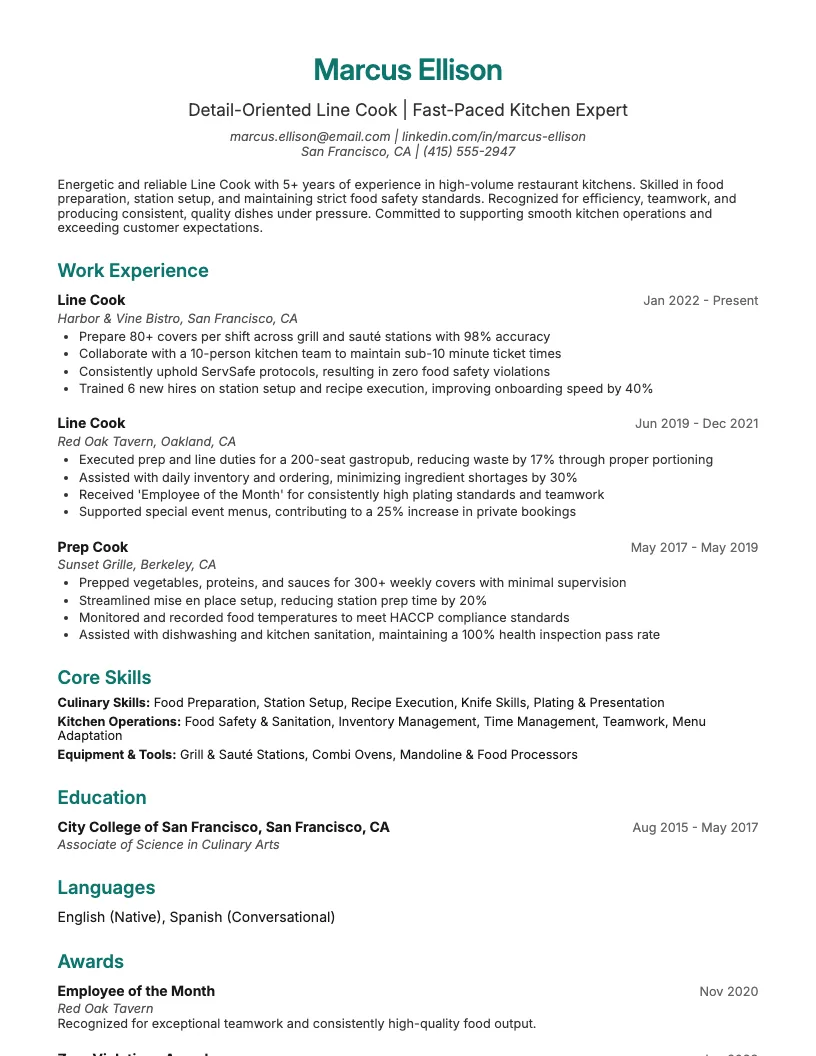 Click to enlarge
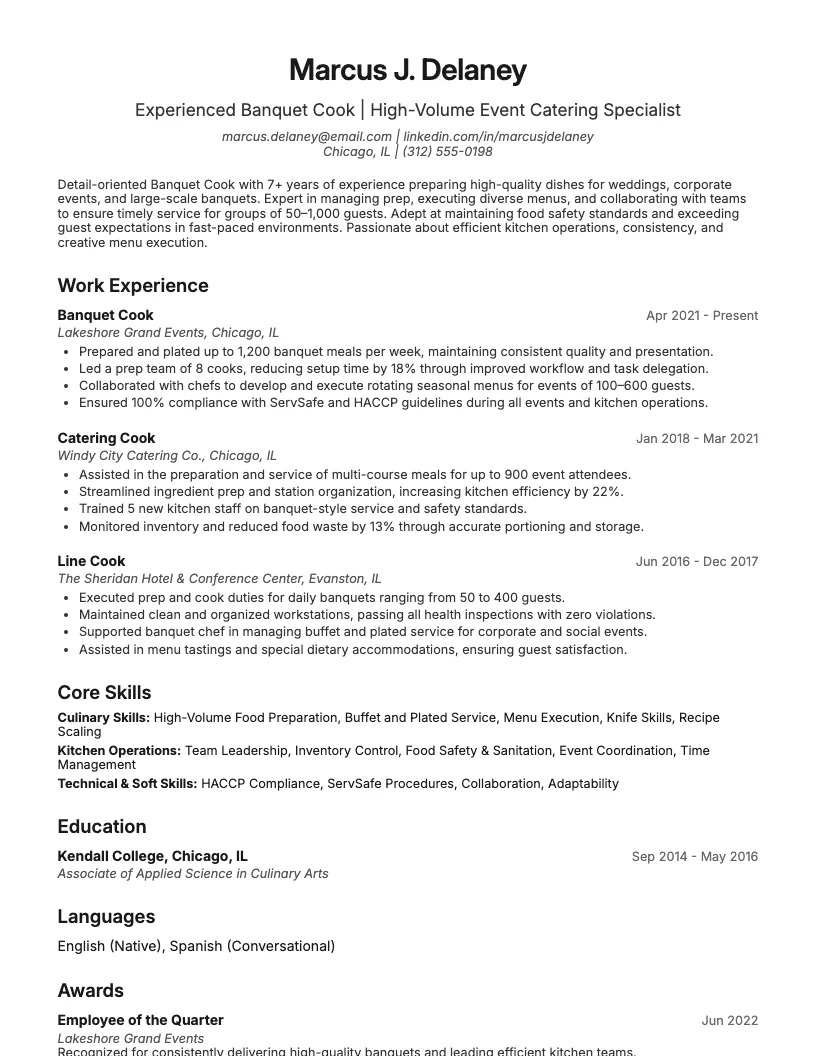 Click to enlarge
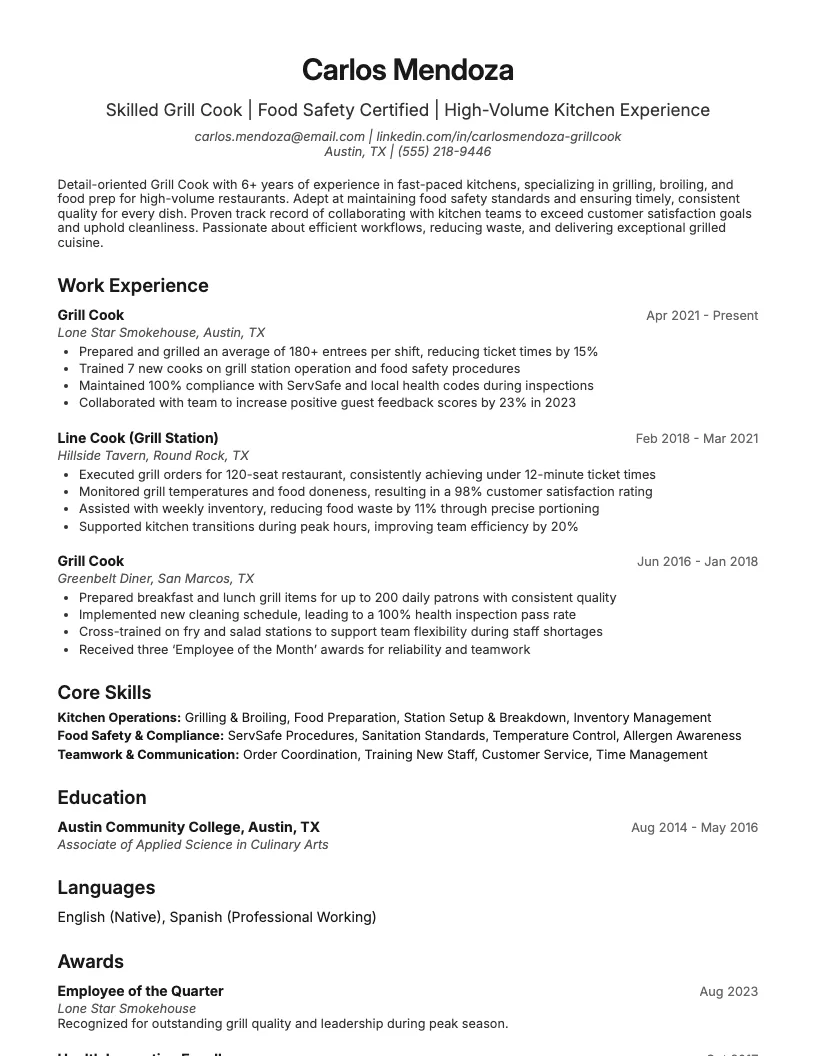 Click to enlarge
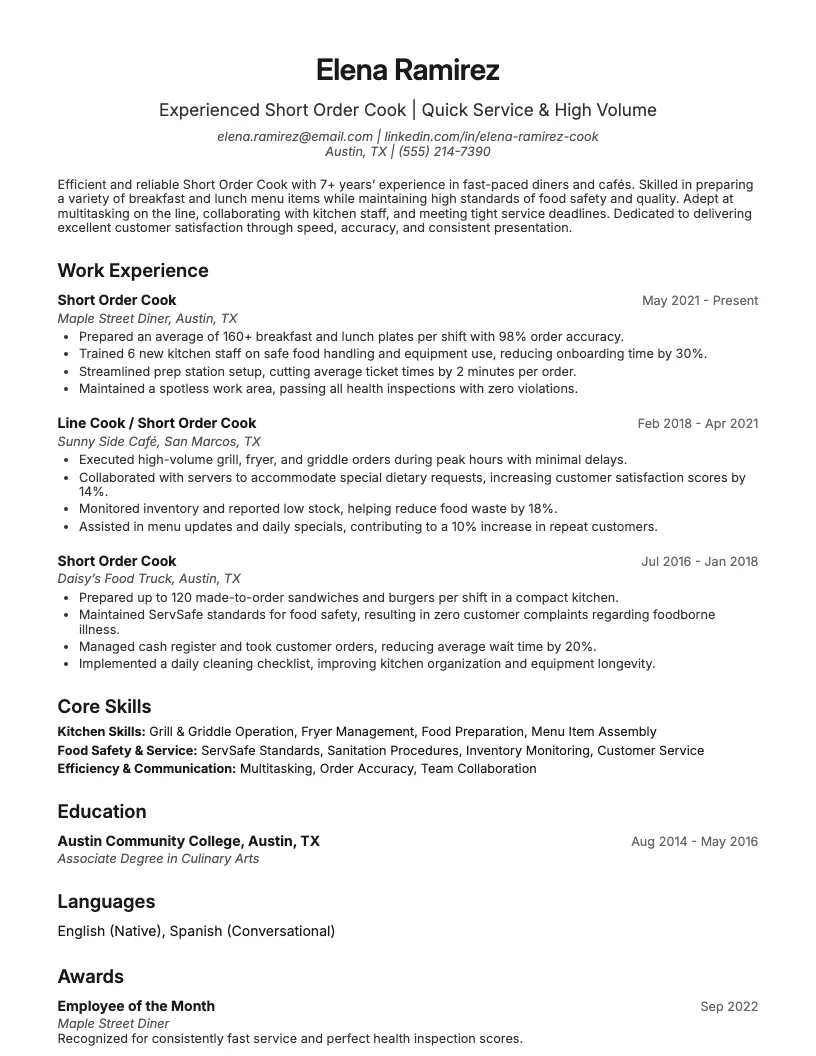 Click to enlarge
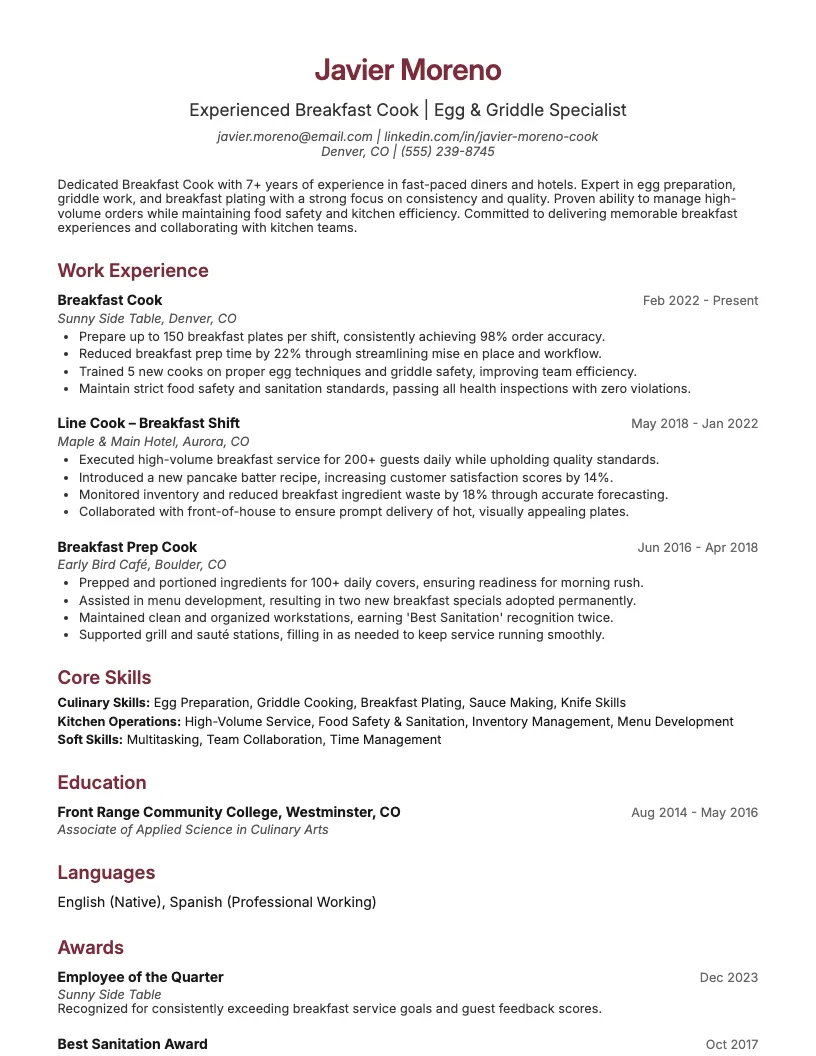 Click to enlarge
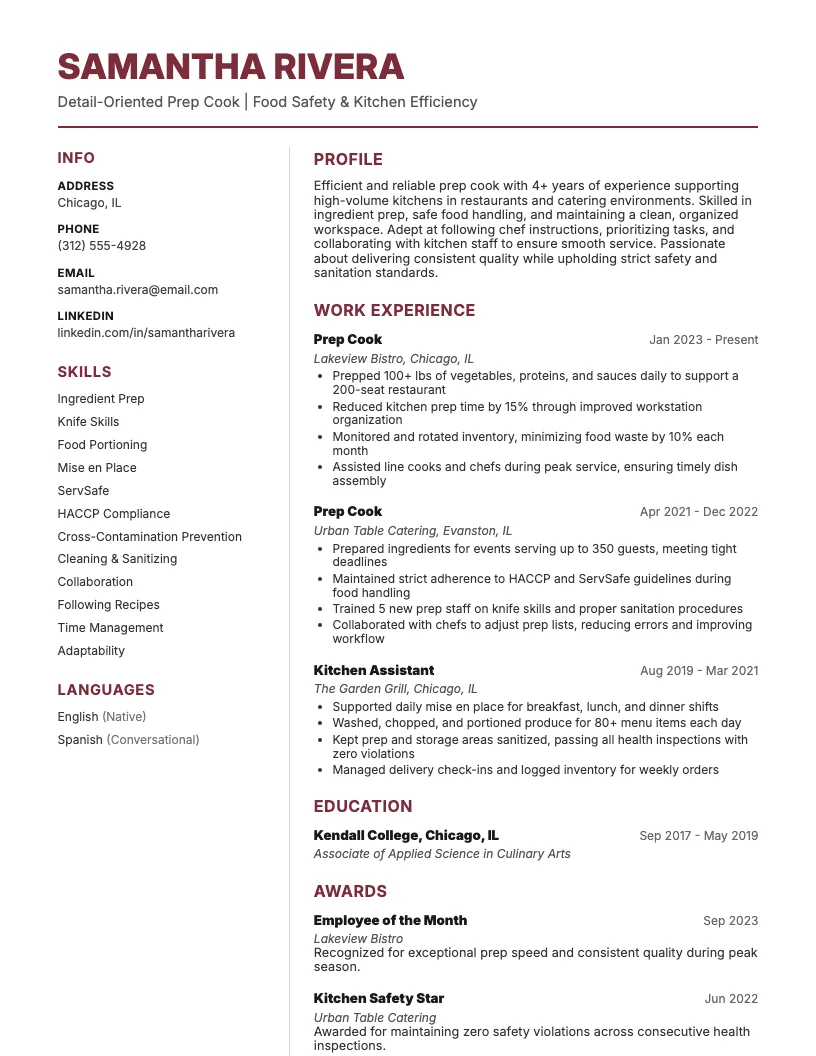 Click to enlarge
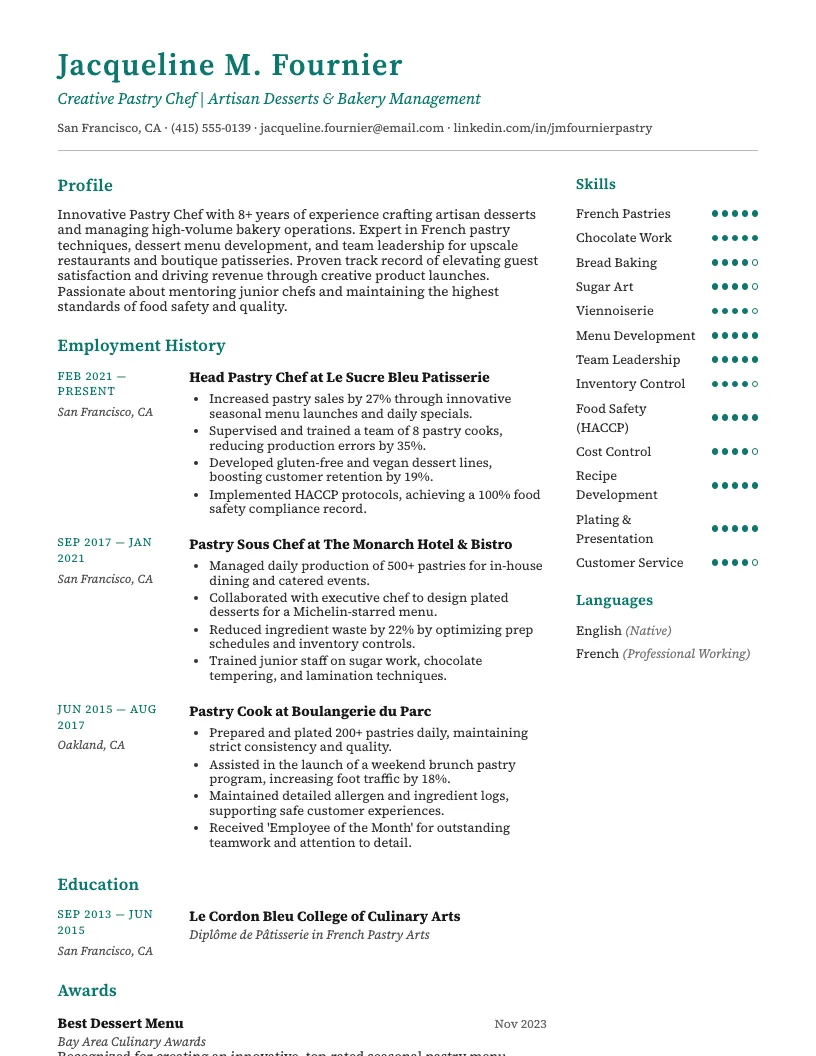 Click to enlarge
Common questions about Head Cook resumes
A Head Cook resume template is a pre-designed layout tailored for culinary professionals leading a kitchen. It highlights skills like menu planning, team management, and food safety. ResumeJudge makes it easy to showcase your expertise.
Yes, most Head Cook resume templates from ResumeJudge are ATS-friendly. This means employers’ software can easily read your resume, improving your chances of being noticed for restaurant or catering jobs.
Use a Head Cook resume template when applying for roles in restaurants, hotels, catering companies, or cruise lines. It's perfect if you have experience leading a kitchen or supervising culinary staff.
Absolutely! You can personalize a Head Cook resume template with your experience, skills, and achievements. ResumeJudge lets you easily adjust sections or add certifications like ServSafe.
Head Cook templates focus on culinary leadership, menu development, and kitchen operations. Other templates may target different skills. ResumeJudge ensures the template matches your specific culinary career path.
Aim for a one-page resume, especially if you have under 10 years of experience. For seasoned Head Cooks, two pages are acceptable. ResumeJudge helps you format your resume for the right length.
Yes, Head Cook templates include sections for culinary skills, certifications, and leadership. ResumeJudge helps you emphasize strengths like menu design or staff training easily.
Head Cook templates work best for those with supervisory experience. Entry-level cooks may want a general cook template. ResumeJudge offers options for every stage in your culinary career.
Yes, you can adapt a Head Cook resume template for global roles in hotels, resorts, or cruise ships. ResumeJudge templates are flexible and support different formats as needed.
Definitely! Head Cook templates have sections for certifications like ServSafe or culinary diplomas. ResumeJudge helps you showcase these credentials to stand out to employers.
Explore more professional resume examples to inspire your job search
Use our AI-powered resume builder to create a professional, ATS-friendly resume in minutes.
Free to use • No credit card required