Endodontist Resume Example
See full guide on Endodontist resumes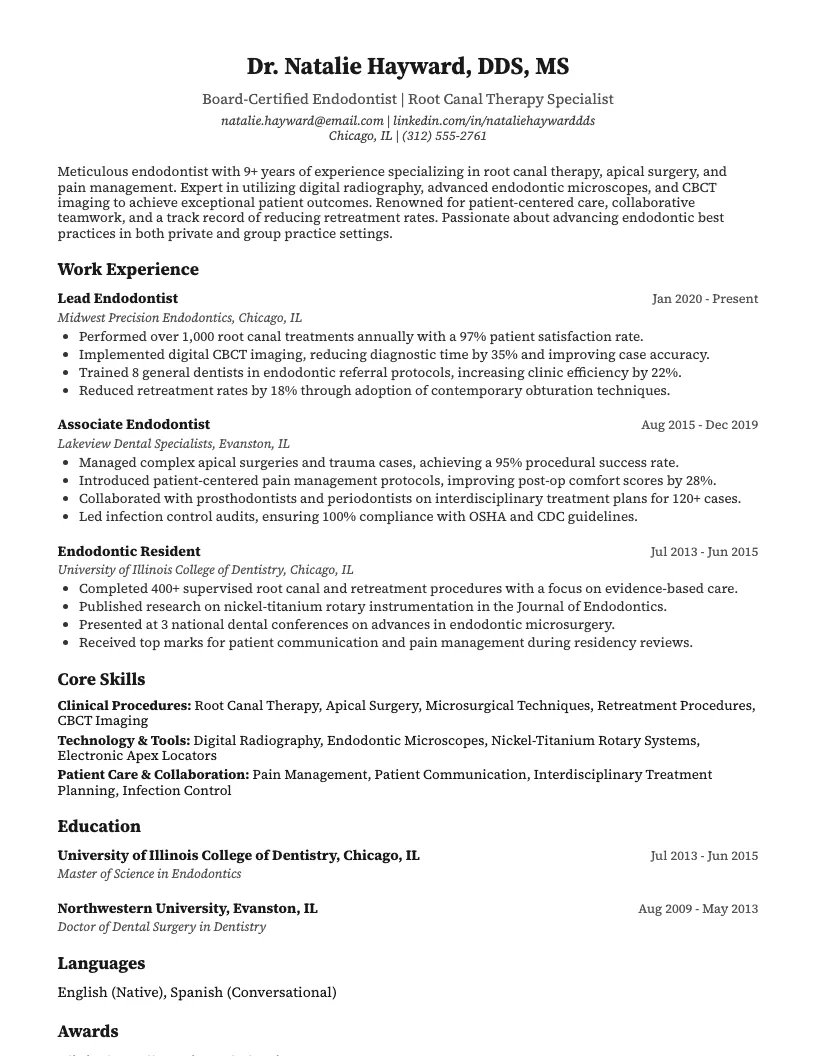 Click to enlarge
 Click to preview
Get inspired by 50+ professional General Dentist resume examples, each written by career experts and optimized to pass ATS scans. Pick a proven template, tailor it to your role, and download a polished resume in minutes.
Building a standout general dentist resume can feel tricky. I know how much hiring managers care about clinical skills, patient rapport, and certifications.
If you want to land interviews, you need to show impact. Highlight numbers-like how many patients you treat weekly or procedures you perform.
You’ll find a sample resume below to guide you. I also cover other dentist resume examples in case you want more inspiration.
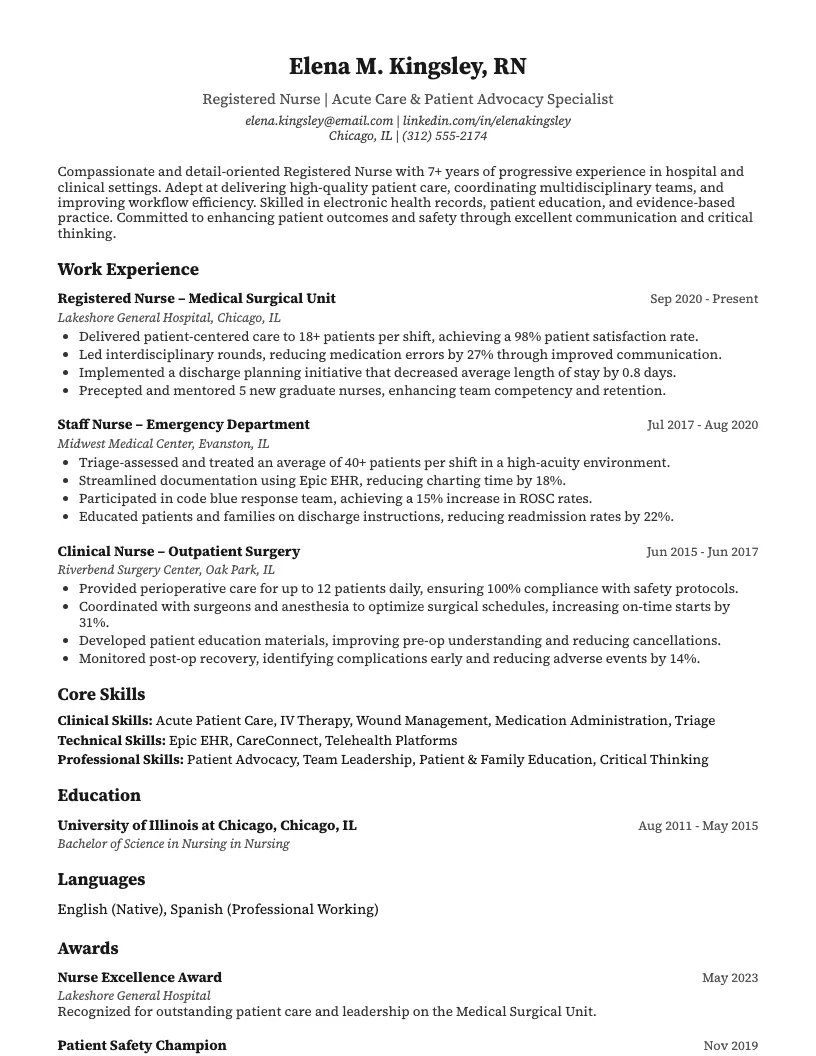
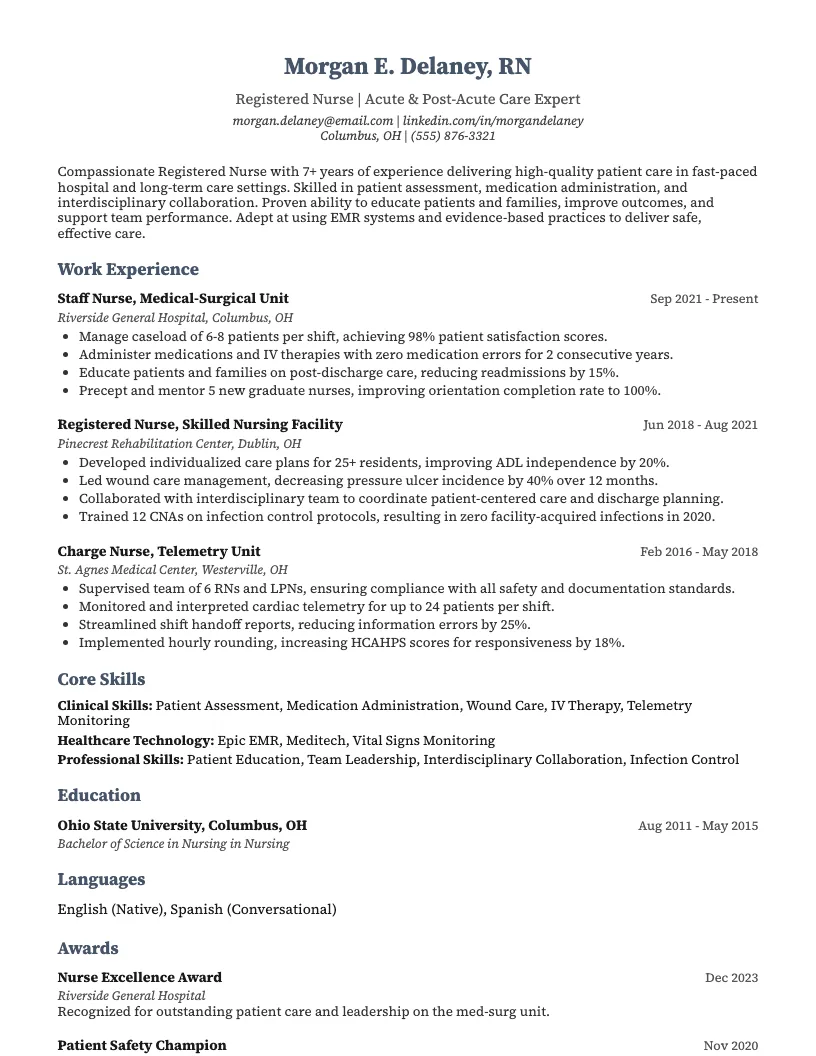
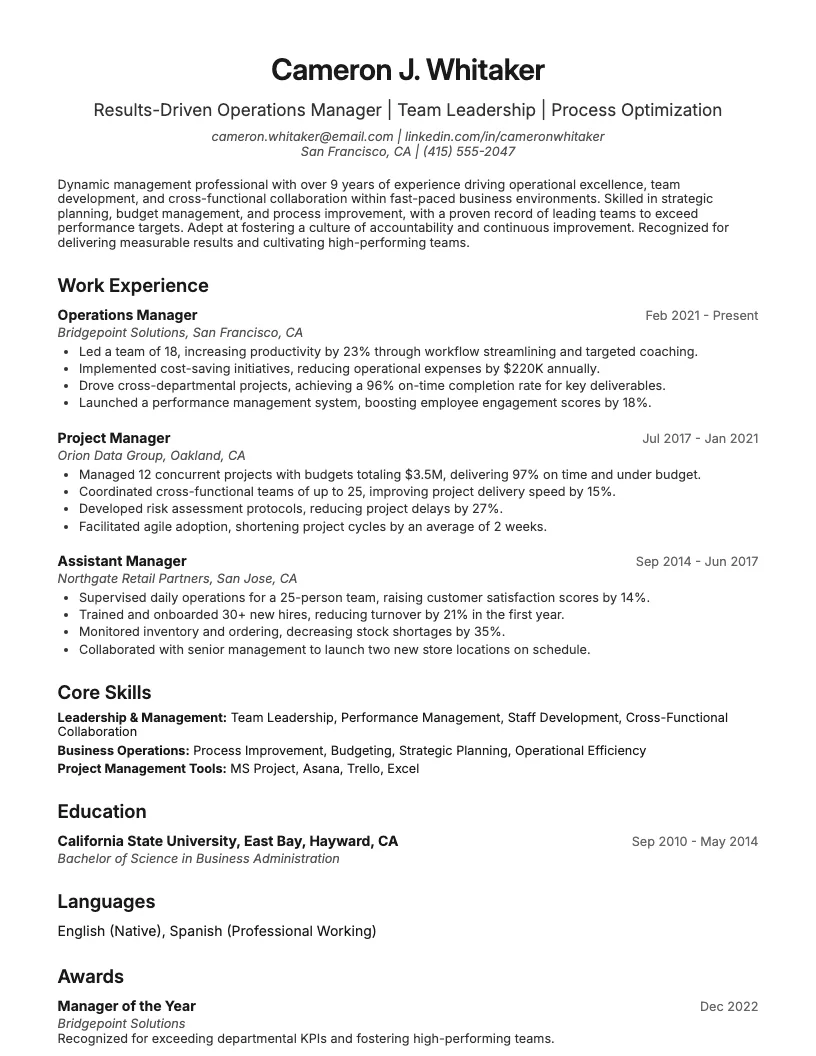
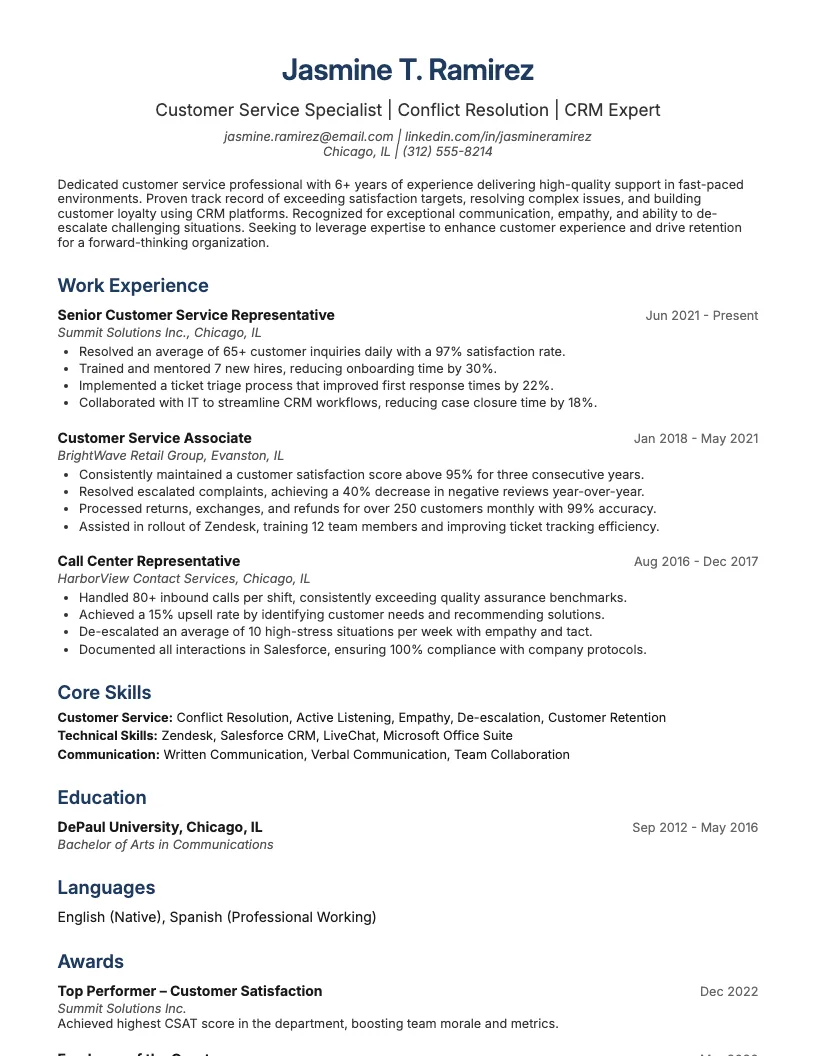
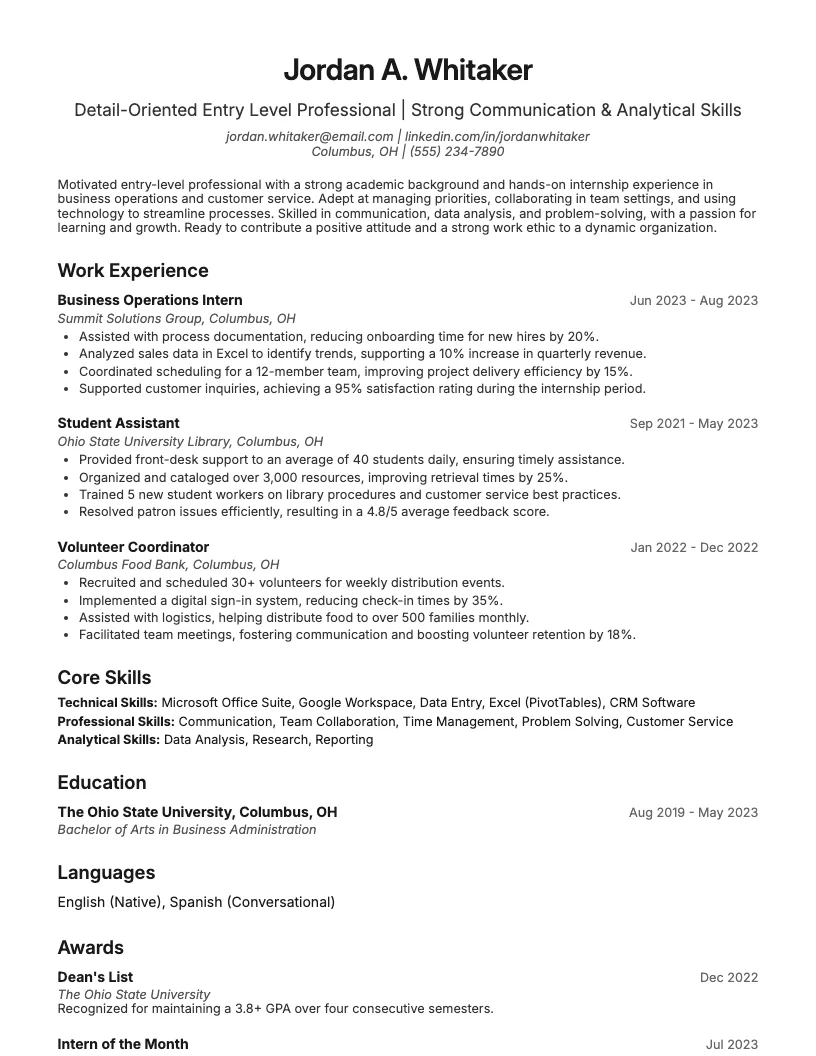
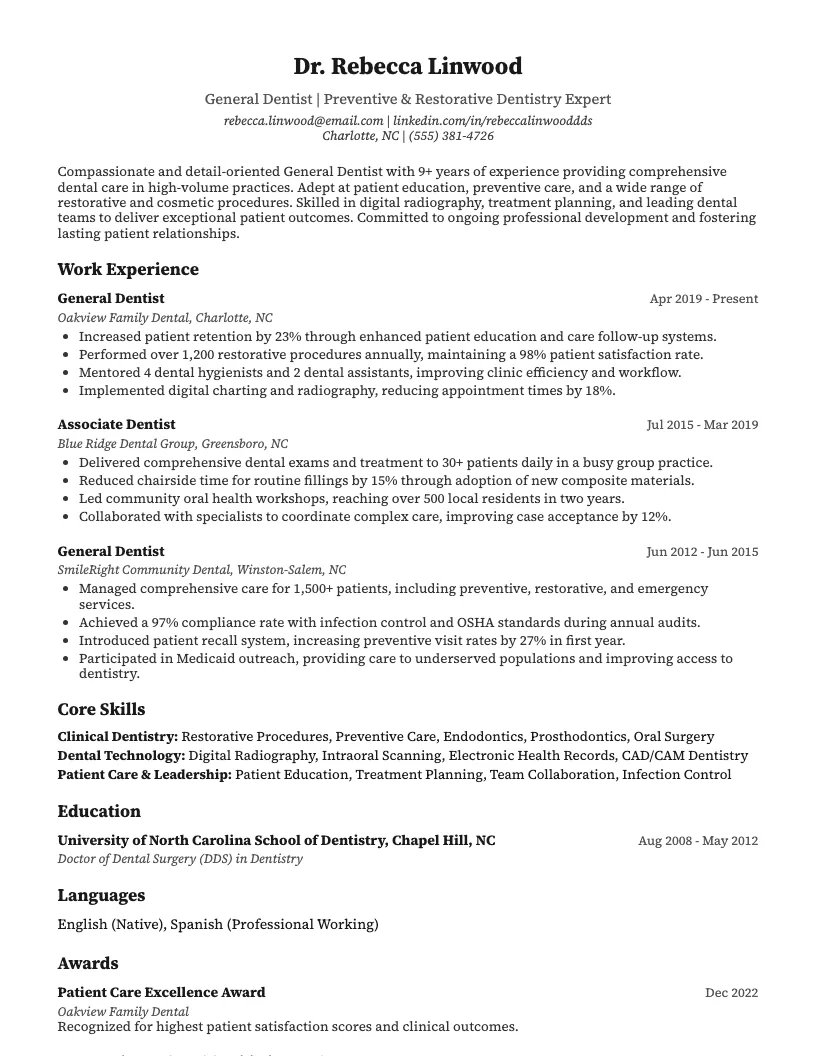
Here’s a realistic general dentist resume. I focus on clear sections, easy-to-read formatting, and up-to-date experience. This kind of layout catches a recruiter’s eye fast, especially when paired with a strong cover letter.
You want to highlight key skills, clinical achievements, and any certifications. Numbers help-like “treated 800+ patients a year” or “reduced treatment times by 20%.” That’s what hiring managers notice.
A strong resume keeps things concise. I always list current licenses, digital dentistry tools I use, and continuing education. This shows you’re serious about quality care and growth.
If you’re not a general dentist, there are plenty of specialized paths. I see resumes for pediatric, cosmetic, and forensic dentists-each one highlights unique skills and clinical focus.
You might want to showcase specialized training, certifications, or measurable patient results. For example, many successful orthodontist resumes feature board certifications and case volume-think 200+ successful braces cases.
Tailoring your resume to your exact dental specialty makes a difference. This helps hiring managers spot your fit right away and boosts your chances of landing interviews.

Recruiters want to see your clinical skills, patient outcomes, and efficiency right away. The right resume format helps you highlight the details that matter most.
If you’re early in your career or changing specialties, your format choice can make a big difference. I always look for ways to make my experience stand out fast.
Let’s talk about which formats work best for general dentists and what sections actually help you get noticed.
Choosing the right resume format helps you stand out. If you’re an experienced dentist, a reverse-chronological format works best. This puts your recent clinical work up front.
If you’re a new grad or switching specialties, I suggest a hybrid format. This lets you highlight your skills and certifications before diving into work history.
Avoid purely functional formats. You need to show a clear timeline of your clinical experience-recruiters look for accountability and growth in those details.
Start with a clean header-your name, DDS/DMD, location, and contact info. I always add credentials, and a link to my smile gallery or website if I have one.
Work Experience comes next. I keep it focused with 3-6 strong bullet points for each job. Highlighting patient volume, treatment mix, and efficiency really helps you stand out.
Don’t forget a Skills section. List your technical strengths, like endodontics, cosmetic dentistry, or digital x-rays. Use numbers-think “1,200+ crowns placed”-to show your impact.
Certifications and Licensure are a must. Include your state license, INBDE, ADEX or other regional exams, DEA, and any sedation permits. This is non-negotiable for most employers.
If you have them, add optional sections like publications, CE credits, professional memberships, awards, and volunteer work. These show you’re active in the field and always learning.
Your experience section shows clinics you deliver safe, effective care. Every bullet point matters-recruiters look for skills, outcomes, and results you can back up with numbers.
You want to highlight actual procedures, specific technologies, and the types of patients you treat. Use hard data to prove your impact, like case acceptance rates or monthly patient volumes.
Matching your experience to each job description helps you stand out. I always tweak my resume to match clinic priorities, whether that’s pediatric dentistry or cosmetic work.
When I write about my dental experience, I focus on real patient care and clear outcomes. I keep each bullet specific, showing what I do and how it helps.
You want to highlight key procedures and skills that matter-like restorative work, patient communication, or infection control. This helps hiring managers see your true impact in the clinic.
Make every point relevant to the practice’s needs. Use action verbs like “deliver,” “perform,” or “manage.” This makes your resume feel active and professional.
I always start by reading the job description line by line. Every clinic looks for different skills and procedures, so I match my resume language to theirs.
You want your experience section to reflect the exact procedures and technologies listed in the job ad-like restorative, implants, CBCT, or CEREC workflows. This helps your resume pass ATS scans.
Highlight the types of patients and payer mixes you handle-adults, kids, PPO, Medicaid-if the employer mentions them. Show you fit their patient base and business model.
I always use numbers to show my impact. Think: "Handled 50+ patients per week," or "Increased case acceptance rate by 15%." This makes my results clear.
You can highlight production numbers, reduced chair time, or improved patient satisfaction scores. For example, "Cut no-show rates by 30%" or "Boosted patient referrals by 20%."
When you quantify your work, you show exactly what you bring to the table, which is just as important to highlight in your cover letter. It gives recruiters real proof of your skills and value as a general dentist.
Your skills section quickly shows recruiters what you do best. I see hiring managers scan this part first, especially for clinical and patient-care strengths.
If you’re new to the field, put your skills near the top. If you’ve got years of experience, let your track record speak and add skills after experience.
It helps to know which hard and soft skills stand out for dentists. Let's break down both types so you can highlight what matters most.
Technical skills really matter on a dentist resume. Restorative dentistry, endodontics, and prosthodontics show you handle everything from fillings to crowns and root canals.
You want to list tools like CBCT, CEREC, or 3D printing if you use them. This proves you keep up with modern tech-almost 70% of clinics now use digital workflows.
Don’t forget basics like local anesthesia, infection control, and practice management software. These highlight your clinical safety and efficiency, which hiring managers always notice.
Soft skills turn clinical expertise into real results. Empathy, patient communication, and emotional intelligence help you build trust and boost patient satisfaction by up to 30%.
You also need team collaboration and leadership. This means guiding dental assistants, resolving conflicts, and keeping the whole practice running smoothly-even on stressful days.
Attention to detail and critical thinking are key for accurate diagnoses. Ethical judgment and professionalism set you apart, especially when you handle sensitive cases or tricky insurance issues.
I always show soft skills in action-not just list them. Use your summary or experience section to mention how you communicate or lead during complex treatments.
Tie your soft skills to numbers. For example, mention improved patient retention by 15% through empathetic care or reduced treatment times by 20% with clear teamwork.
This approach helps recruiters connect your interpersonal strengths to real results. It also keeps your resume focused, personal, and full of measurable impact-exactly what hiring managers want to see.
Your education and dental licenses show you’ve got the right background for the job. Recruiters check this section right away, before moving on to your work experience.
If you’re a new grad, you can highlight your GPA, honors, or specific dental coursework. If you’ve been practicing, you’ll want to show up-to-date certifications and state licenses.
Every general dentist needs a state dental license. Without it, you can't legally work-no exceptions. List the state and license number right on your resume.
I always keep my license details easy to find in a dedicated section. Recruiters check this first, so don’t make them dig for it.
Include any national board exams like INBDE or ADEX if you’ve completed them. This helps employers quickly confirm your credentials and makes your resume easier to scan by ATS systems.
There are a few certifications that make your resume pop. The INBDE is essential, and a BLS/ACLS/PALS from the American Heart Association shows you’re ready for emergencies.
If you want to stand out, go for FAGD or MAGD-less than 7% of dentists earn these awards. Sedation permits, Invisalign, and Laser Dentistry certifications show advanced training.
These extras aren’t just fluff-they show you’re serious about growth and patient care. I always recommend highlighting them right after your main degree and license.
Your resume summary is your chance to stand out quickly. Hiring managers scan this section first, so it needs to grab attention right away.
In just a few lines, you want to show your skills, experience, and results. I always focus on impact and specifics-numbers, job titles, and core strengths.
A strong summary doesn’t just list duties. It highlights your unique value and shows how you help patients and teams every day.
Breaking into dentistry right after graduation feels tough. You don’t need years of experience to show you’re ready for the job.
Focus on your education, clinical rotations, and hands-on training. Highlight any residencies, certifications, or volunteer work.
You can use your skills and coursework to stand out. I’ll show you how to make every section of your resume count.
Your general dentist resume needs to show your clinical skills, technology experience, and patient outcomes. Numbers matter-use hard data to back up your achievements.
Tailor your resume to the specific patient population and clinic type you want. Focus on the procedures you handle most and the impact you make every day.
It’s your turn to show off what you bring to the chair. Start with your core strengths-clinical expertise, patient communication, and proven results.
I always suggest using real numbers. Show how many procedures you handle a week or your patient satisfaction rate. This gives hiring managers something concrete.
You want your resume to feel personal, not generic. Tailor your achievements to match the patient population or clinic type you’re targeting. This helps your resume stand out.
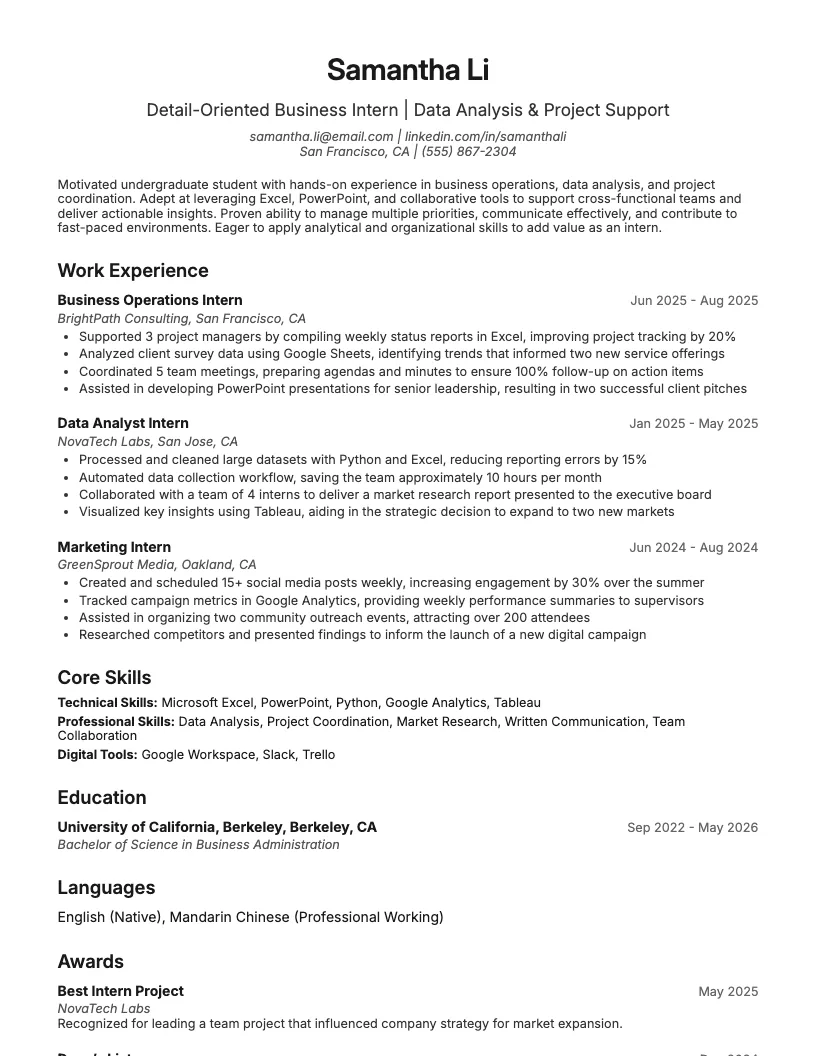
Browse General Dentist resume examples for related roles. Preview any example, open it in the builder, or read its full guide.
Click to enlargeCommon questions about General Dentist resumes
A General Dentist resume template is a pre-designed document tailored for dental professionals. It highlights clinical skills, licensure, and experience, making your application stand out. ResumeJudge offers user-friendly templates for this role.
Yes, ResumeJudge’s General Dentist templates are ATS-friendly, ensuring your resume passes automated screening. They use clean formatting and keywords to help your application get noticed by dental clinics and hospitals.
Use a General Dentist resume template when applying to private practices, group dental offices, or community health centers. It’s ideal for both new graduates and experienced dentists. ResumeJudge templates fit all career stages.
Absolutely! ResumeJudge allows you to personalize your dentist template-add your photo, certifications, or unique skills. Customization helps you match your resume to each job description.
A General Dentist template focuses on dental procedures, patient care, and licensure, unlike general healthcare templates. ResumeJudge provides industry-specific sections for dental technology, certifications, and specialties.
Keep your General Dentist resume to one page if possible, or two for extensive experience. ResumeJudge formats templates for concise, impactful content-ideal for busy dental recruiters.
Yes, pairing your resume with a tailored cover letter boosts your chances. Use ResumeJudge’s tools to craft a cover letter that highlights patient communication and clinical achievements.
Include sections like Licensure, Clinical Skills, Continuing Education, and Community Outreach. ResumeJudge templates make it easy to add awards or professional memberships for a stronger application.
List roles chronologically and use bullet points to highlight promotions, new skills, or leadership experience. ResumeJudge templates help organize achievements clearly for hiring managers.
Save your file as 'FirstNameLastName_DentistResume.pdf' for clarity. ResumeJudge recommends PDF format to preserve layout and ensure easy identification by recruiters.
Explore more professional resume examples to inspire your job search
Use our AI-powered resume builder to create a professional, ATS-friendly resume in minutes.
Free to use • No credit card required