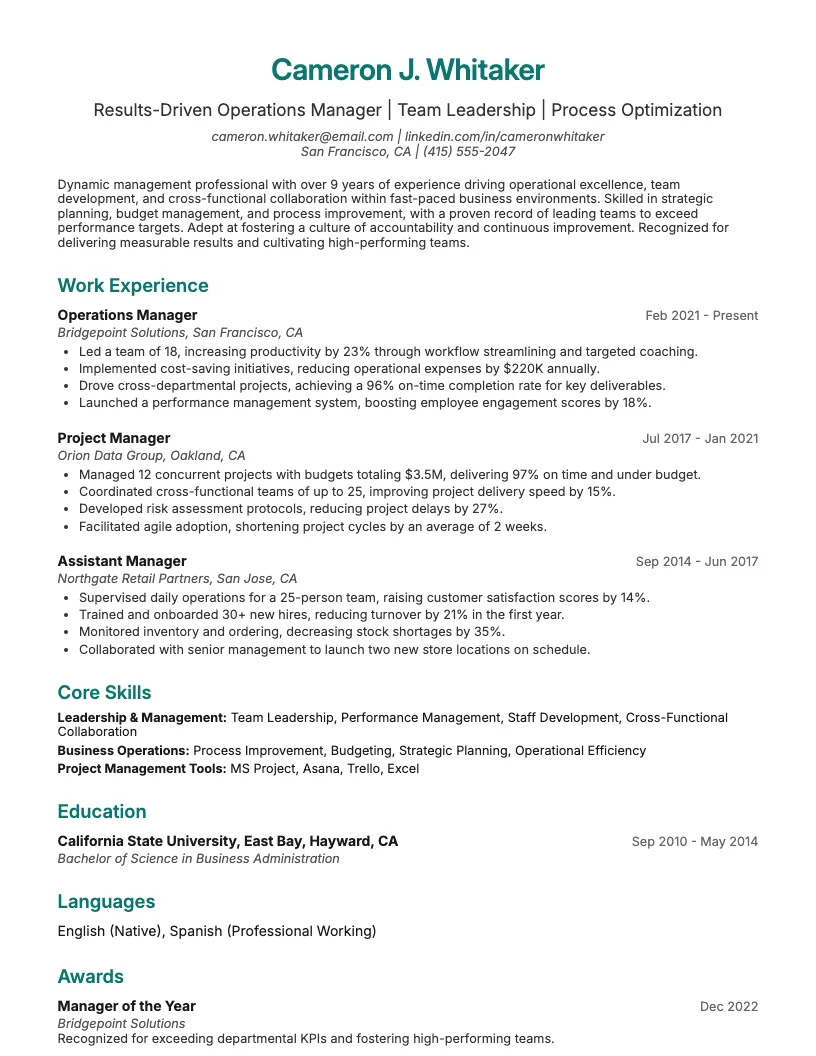
Translator Resume Example
See full guide on Translator resumes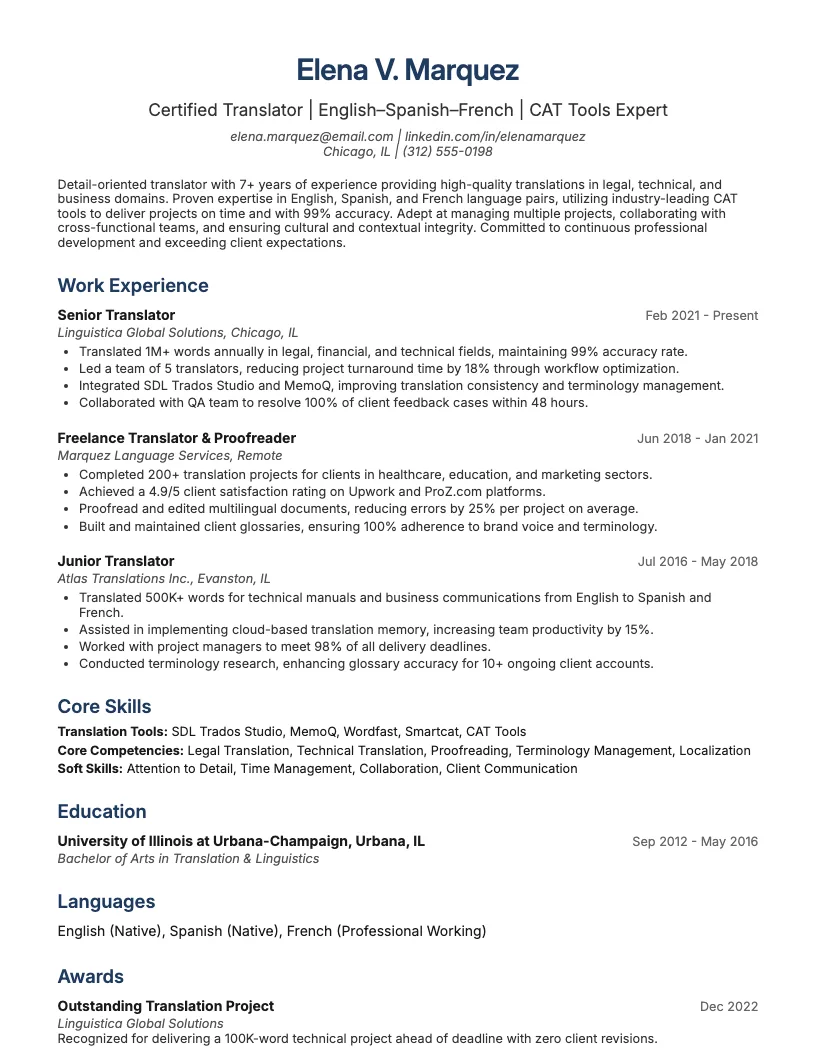 Click to enlarge
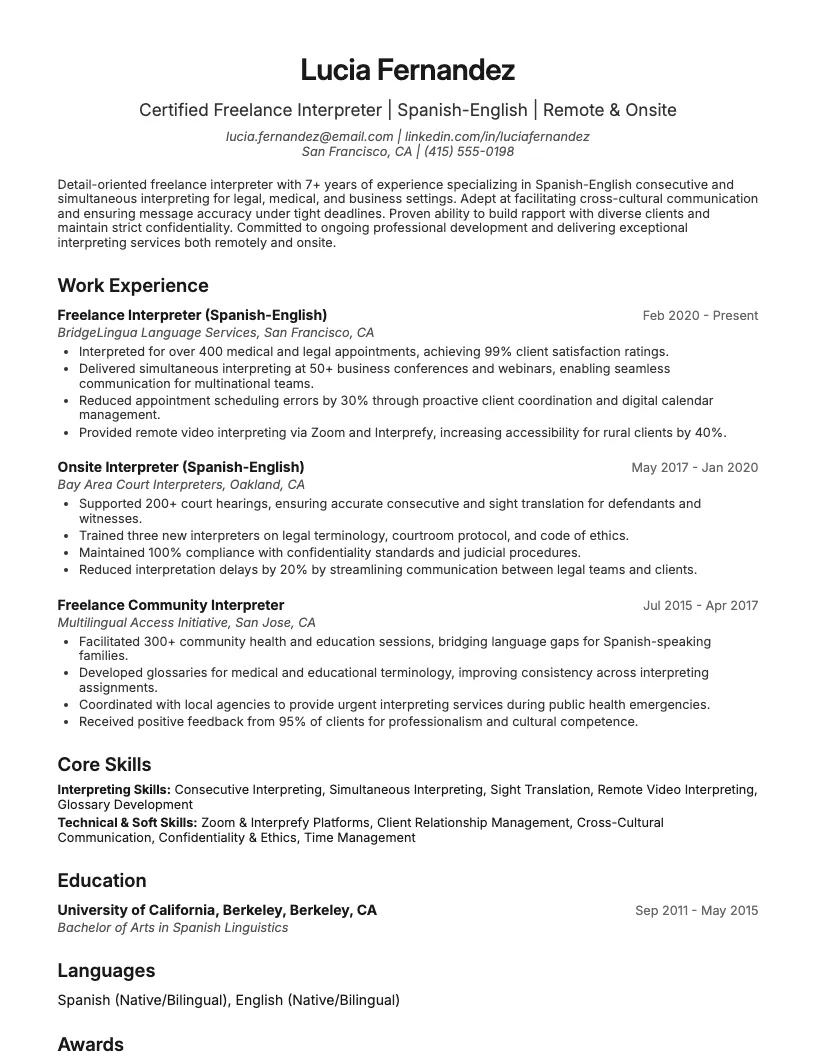 Click to preview

Get inspired by 50+ professional Freelance Interpreter resume examples, each written by career experts and optimized to pass ATS scans. Pick a proven template, tailor it to your role, and download a polished resume in minutes.
If you want to land more gigs as a freelance interpreter, your resume has to show your skills and experience clearly. A good example helps you get started fast.
Here, I break down what works on a freelance interpreter resume. I focus on real experience, language skills, and client results. Let's look at what makes a resume stand out.
If you want to land more gigs, a strong resume is key. I always highlight language proficiency, relevant certifications, and the types of clients I serve.
A good freelance interpreter resume shows off real-world experience. Use numbers-like 7+ years or 100+ projects-to back up your expertise. This helps you stand out.
Don’t forget to include technical skills, like CAT tools or remote interpretation platforms. This tells clients you’re ready for any scenario, not just in-person work.
If you’re looking for freelance translator resume examples, or want inspiration for your cover letter, you’re in the right spot. I know it helps to see what others include and how they structure their work.
A strong freelance translator resume highlights language pairs, years of experience, and expertise in specific fields. For example, listing “7+ years translating legal and technical documents” stands out.
You should mention the CAT tools you use, like SDL Trados or MemoQ. This shows clients you keep up with industry standards. Always give clear numbers and results when possible.
Want to wrap things up? Keep your resume concise, use bullet points for key achievements, and tailor each section to the freelance gigs you want. This really boosts your chances.
You want your freelance interpreter resume to look sharp and easy to scan. A clear format helps recruiters find what matters most.
I always focus on structure and readability. Little details like font choice, margins, and section order really make a difference.
When you write your freelance interpreter resume, focus on the projects and clients that show your skills and flexibility. Highlight the languages you work with and the industries you serve.
Mention real assignments, the volume of work, and any tech tools you use. This helps you show real-world results and build credibility with future clients or employers.
I always start by clearly labeling my freelance work, like "Freelance Interpreter" or "Self-Employed Interpreter". This makes everything obvious for recruiters.
You want to list your projects by name or type-like "Medical Conference Interpreting for XYZ Hospital". This shows the variety and depth of your assignments.
If confidentiality allows, mention notable clients or industries. Listing four or five recognizable names or sectors adds instant credibility.
Include details like language pairs, document types, and any tools or tech you use. Numbers help-say, “interpreted for over 50 events in 2023.” That gives real impact.
If you’re brand new, focus on your language skills and education. List degrees, certifications, or any language courses. Highlight relevant classes like linguistics, interpretation, or cultural studies.
You can also showcase volunteer work, internships, or school projects. Even if unpaid, these experiences prove your interpreting ability. Mention any real-life situations where you interpreted-family, community, or student events.
Use a skills-based or hybrid resume format. This helps you stress your abilities and training, not just job titles. Be honest, but show your potential—and consider including a cover letter to further highlight your enthusiasm.

Your skills section can make or break your freelance interpreter resume. It’s where recruiters check if you match what they need.
I focus on both hard and soft skills here. This helps show your strengths for every client or agency.
Your hard skills are the technical backbone of any freelance interpreter resume. Recruiters want to see concrete proof you can handle complex projects and tools.
I always highlight my proficiency in CAT tools, subtitling software, and Translation Memory (TM) management—skills that also come in handy if you’re preparing a cover letter for related roles.
You should also mention experience with terminology databases, machine translation post-editing (MTPE), or desktop publishing (DTP) if you’ve got it. This shows you’re versatile and up-to-date.
Communication is everything here. I deal with people from all backgrounds, so active listening and clear speaking matter just as much as language ability.
You want to show off adaptability and problem-solving. Interpreting isn’t predictable-being flexible and keeping your cool helps when things get hectic or contexts change fast.
Collaboration is huge, even as a freelancer. I mention teamwork, conflict resolution, and empathy throughout my resume. This shows I’m easy to work with and ready for any client.
Most freelance interpreter gigs ask for a degree in languages, linguistics, or something related. Some jobs even prefer a master's, especially for government or specialized roles.
Certifications boost your credibility fast. Credentials like ATA or CTP make it easier to land higher-paying assignments. Next, I'll break down which certifications stand out.
I always recommend ATA Certification if you're working in the U.S. It’s recognized by over 10,000 employers and clients, so it really boosts your credibility.
You can also look at the National Interpreter Certification (NIC) or the Certified Healthcare Interpreter (CHI) if you work in medical or community settings. These show you meet strict industry standards.
There’s also NAATI Certification for those targeting the Australian market. Make sure you mention your certifications clearly-they help set you apart from others in this field.
A strong resume summary helps you stand out fast. Most recruiters spend under 7 seconds on each resume, so you need to grab their attention quickly.
Keep your summary short-about 3 to 5 sentences. Highlight your language skills, relevant experience, and any measurable results you've delivered.
If you have freelance interpreter experience, focus on your top achievements. Tailor your summary to each job so it matches what the employer wants.
Sometimes, your skills and work history aren’t the whole story. If you want to stand out, you need to show more of what makes you unique.
Think about adding sections that highlight your projects, passions, and achievements. This helps recruiters see your range and dedication beyond just job titles.
A strong freelance interpreter resume shows off your language skills, real-world experience, and certifications. You want to show impact with clear, specific examples.
You need to tailor your resume for every job. Focusing on relevant skills, achievements, and education helps you stand out to clients and recruiters.
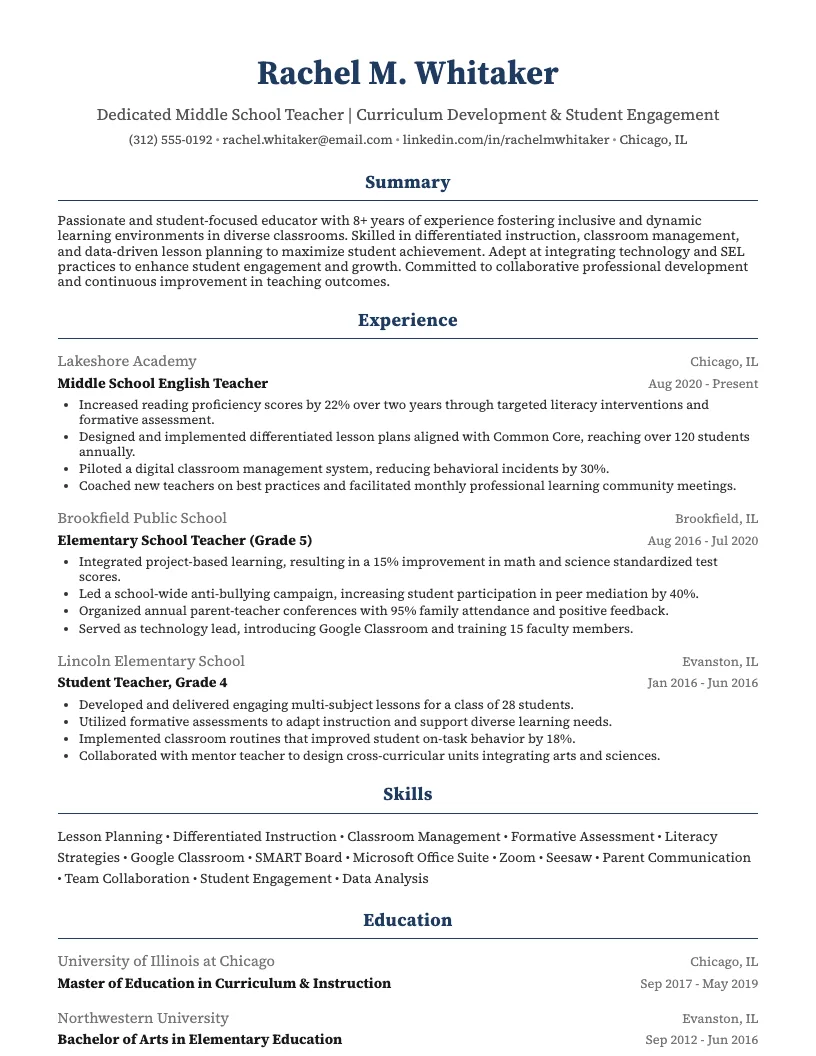
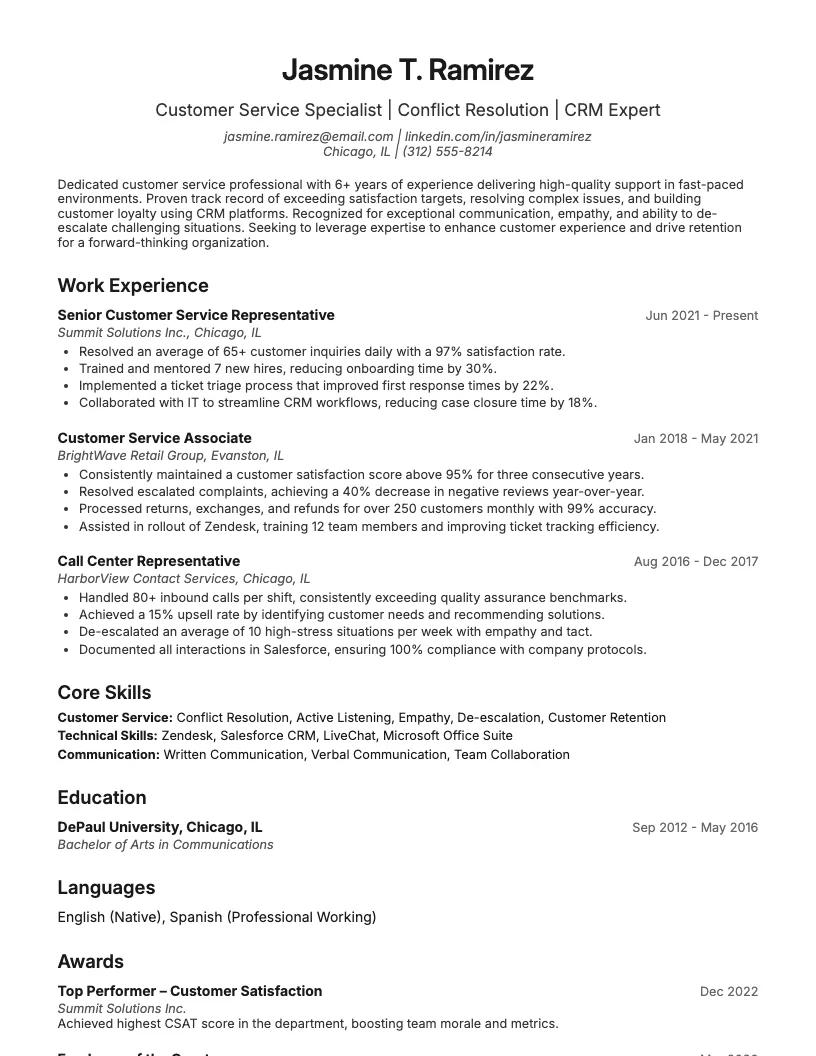
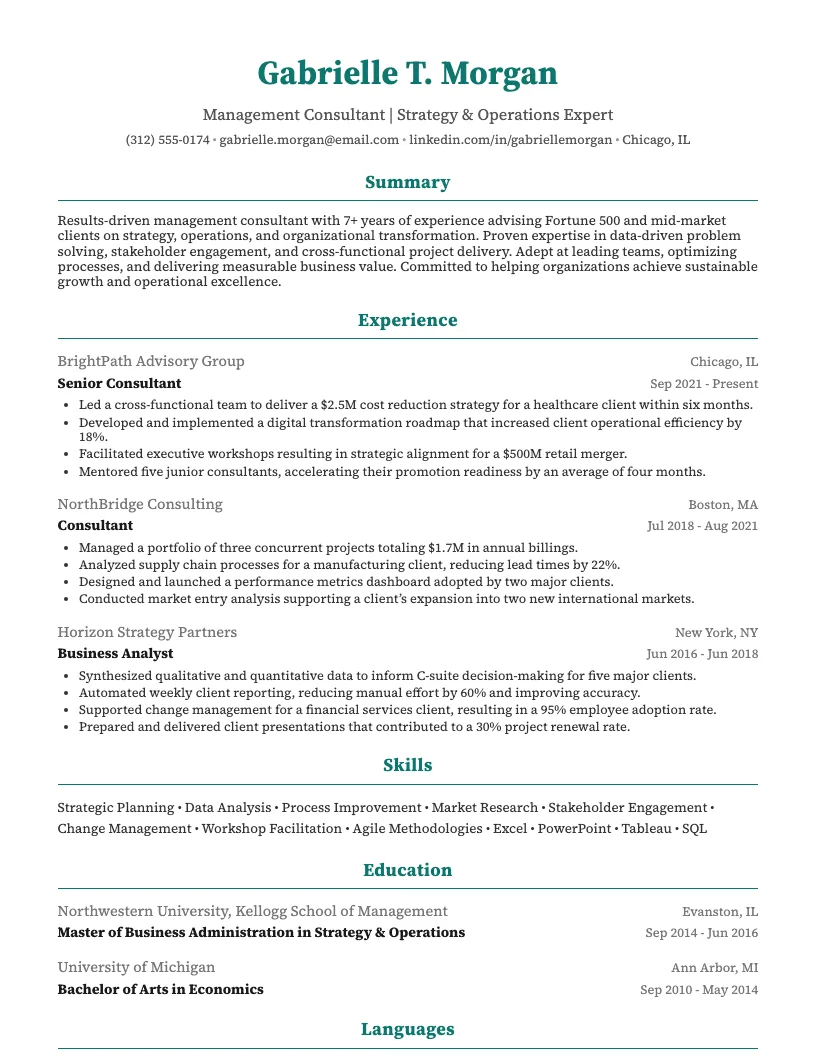
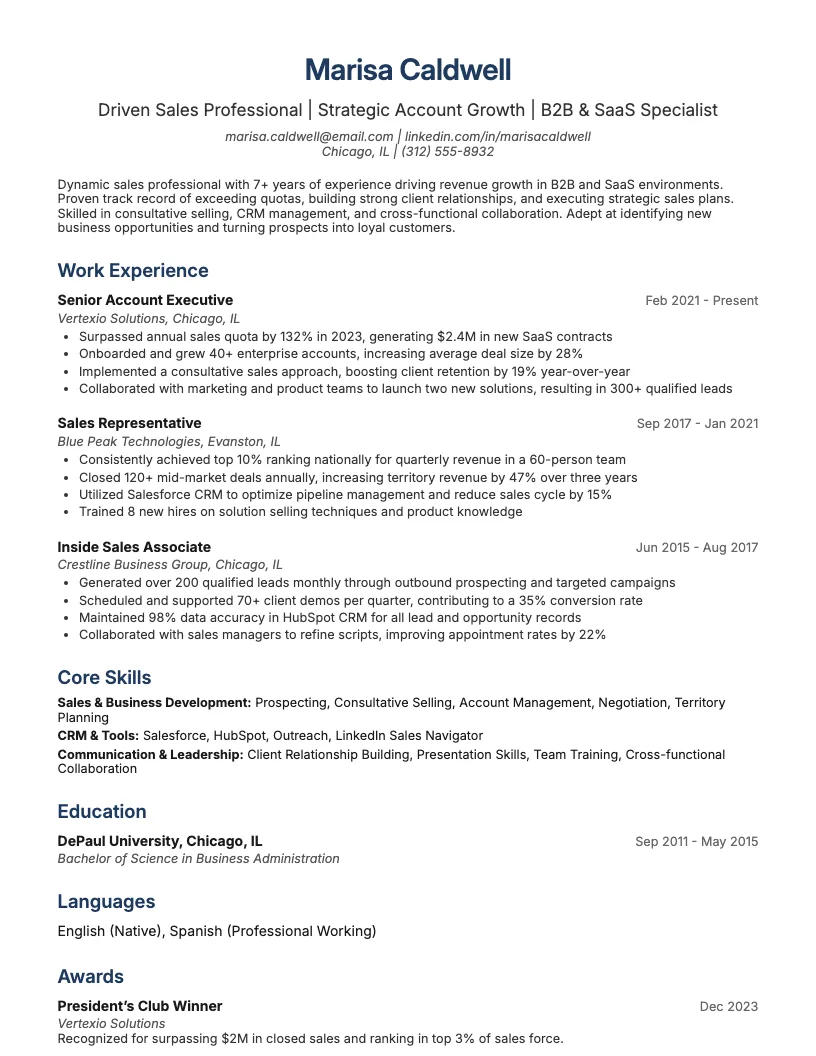
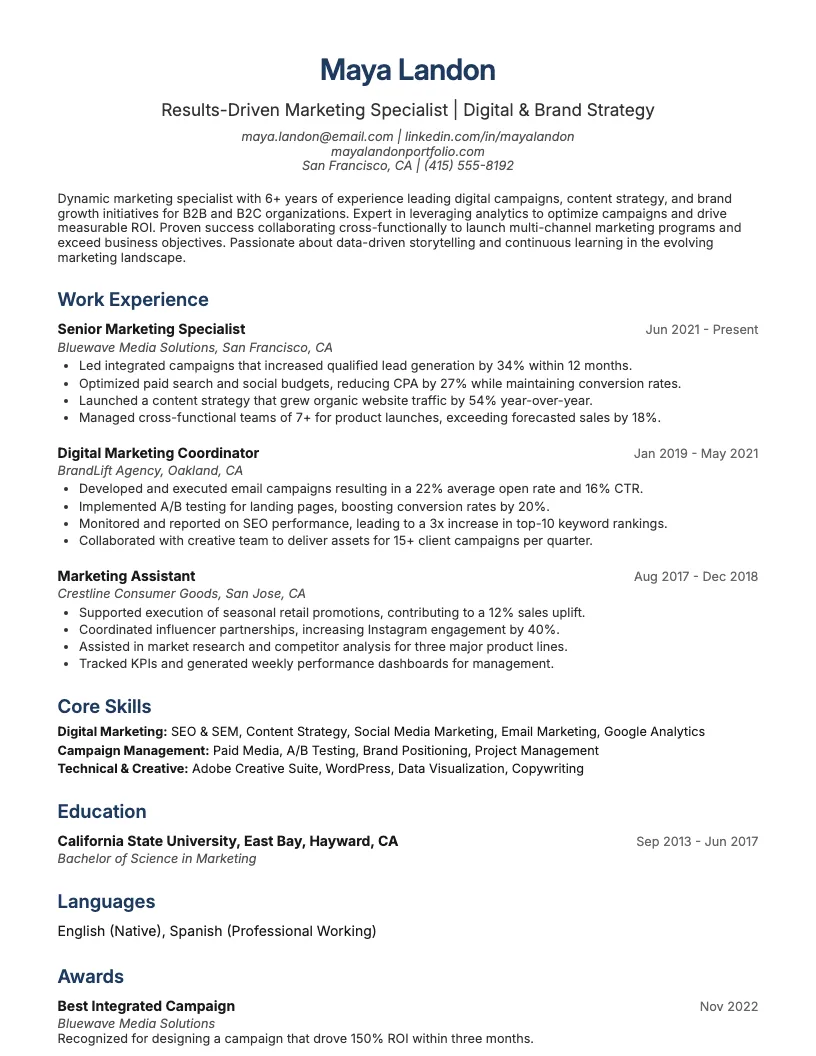
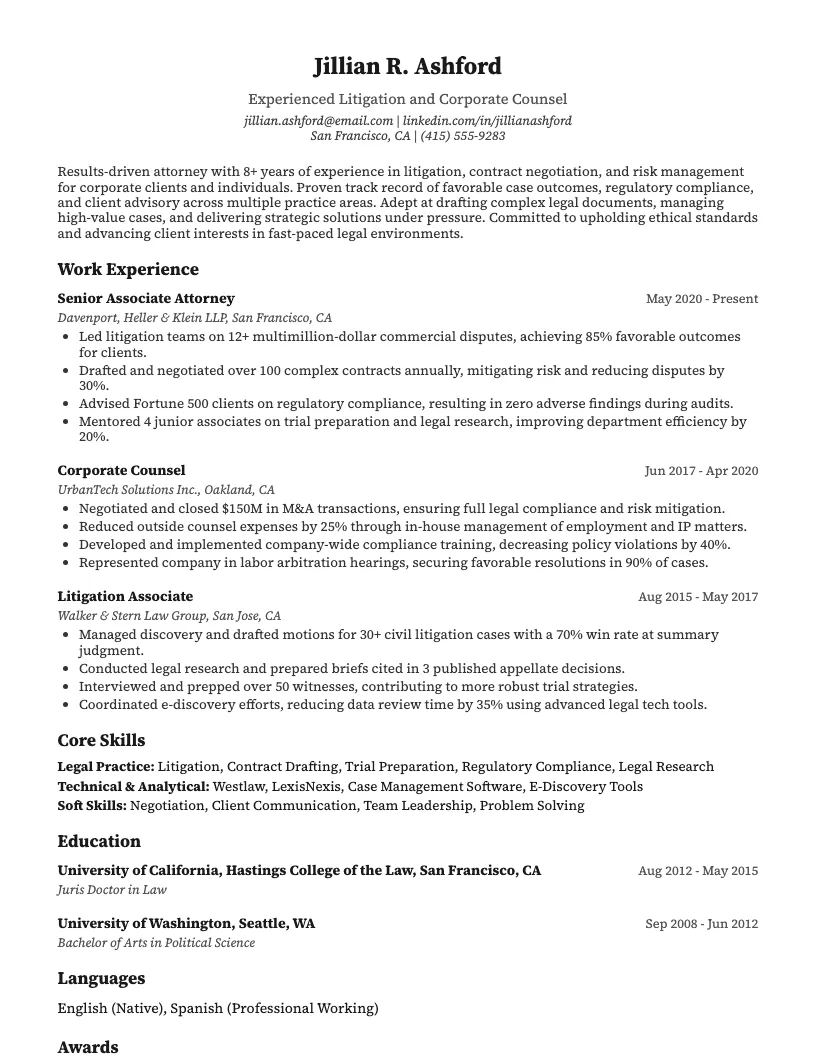
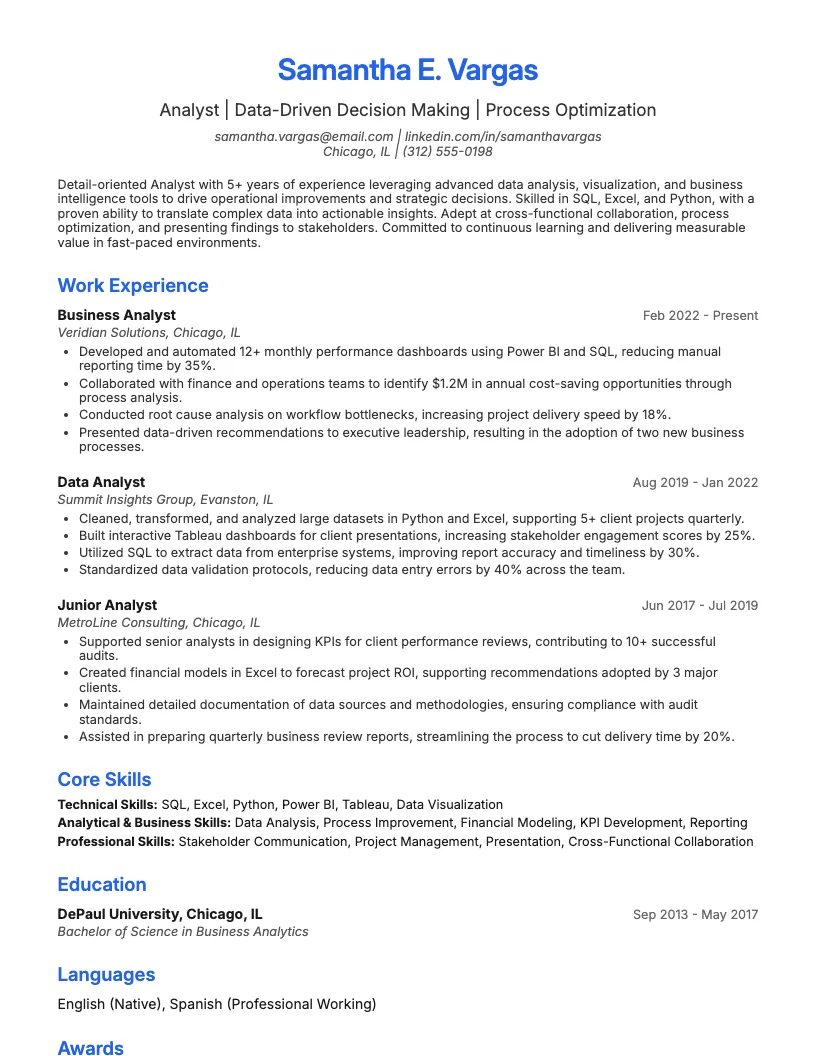
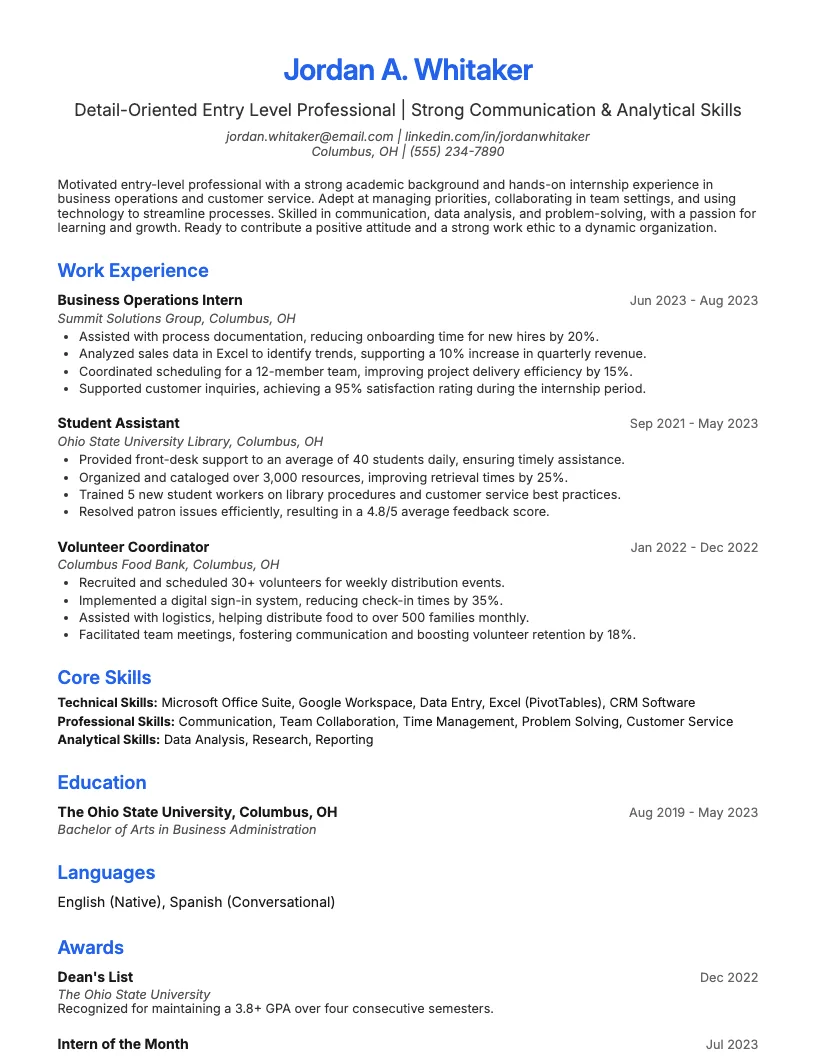
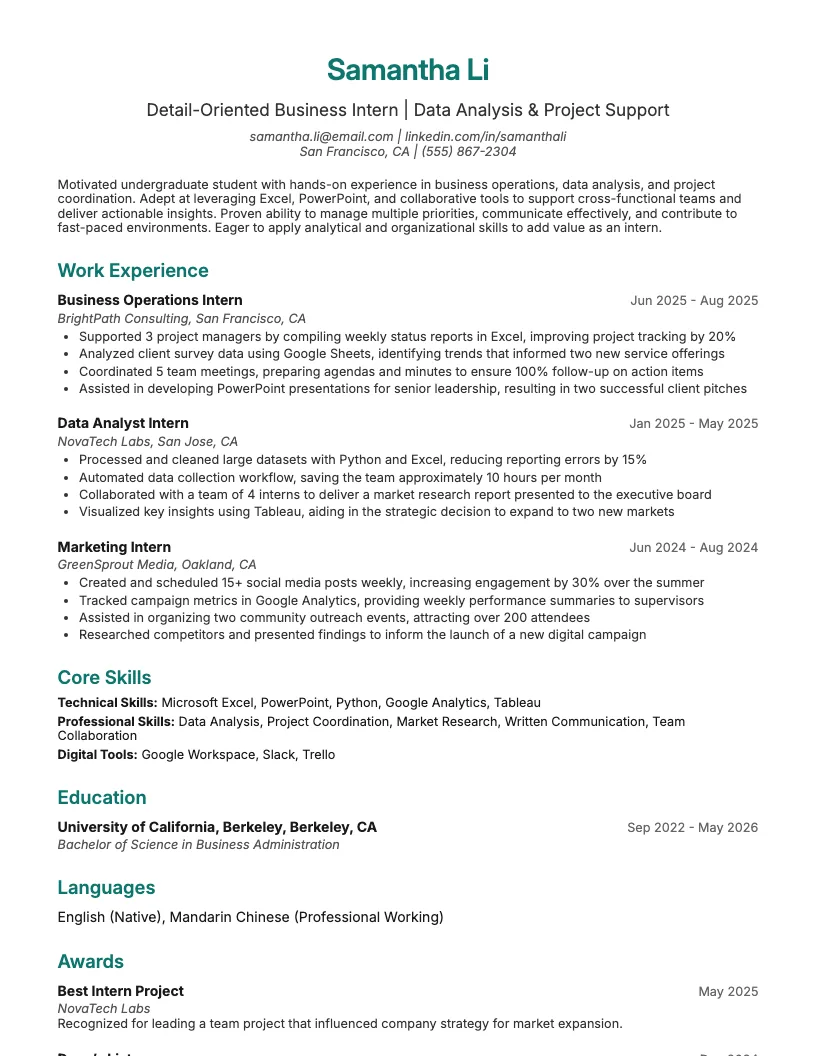
Browse Freelance Interpreter resume examples for related roles. Preview any example, open it in the builder, or read its full guide.
Click to enlarge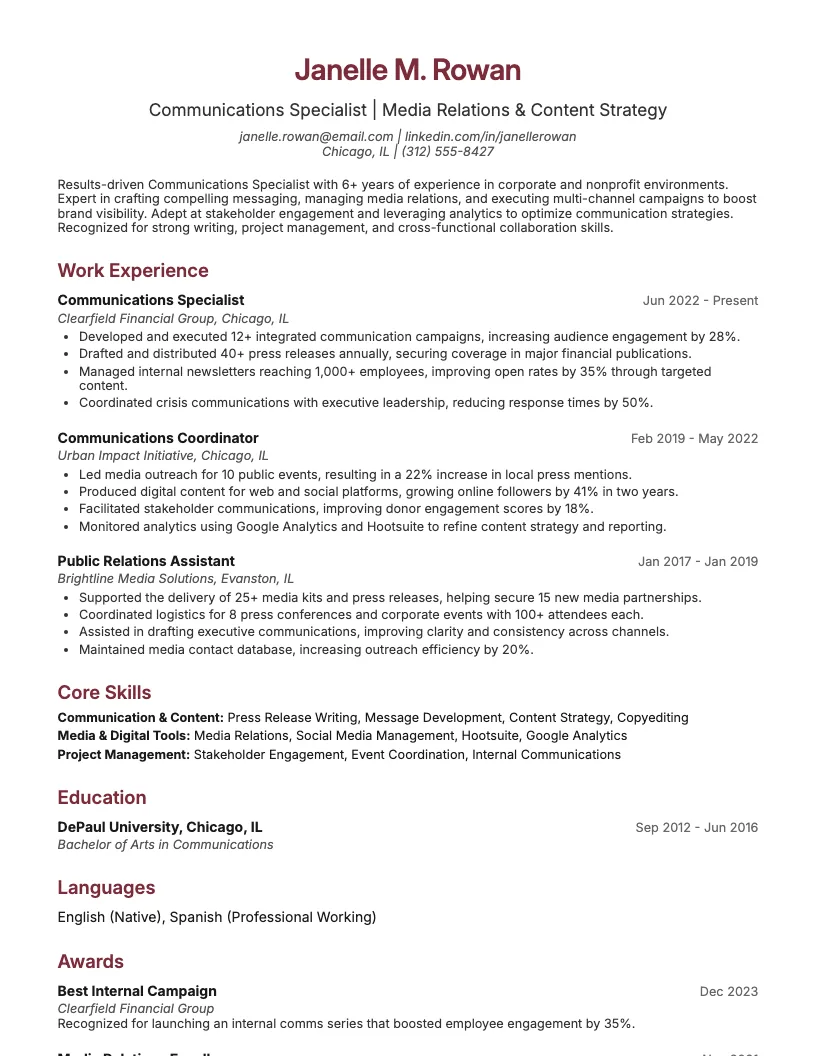 Click to enlarge
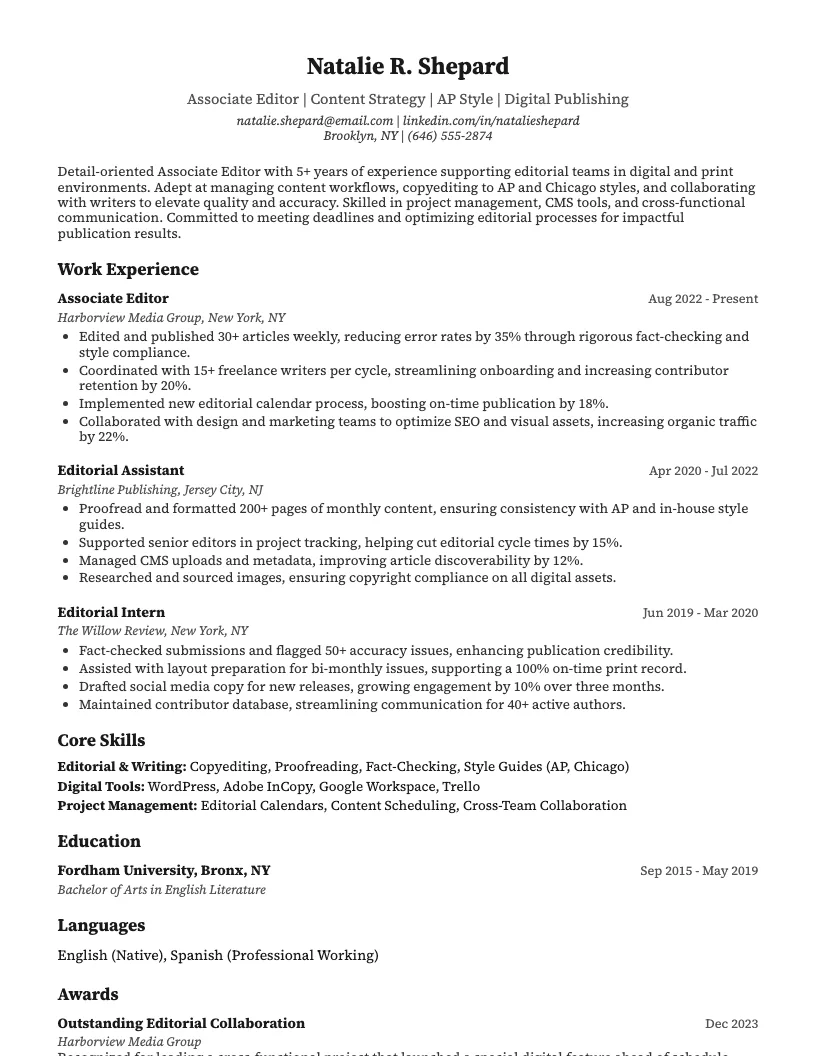 Click to enlarge
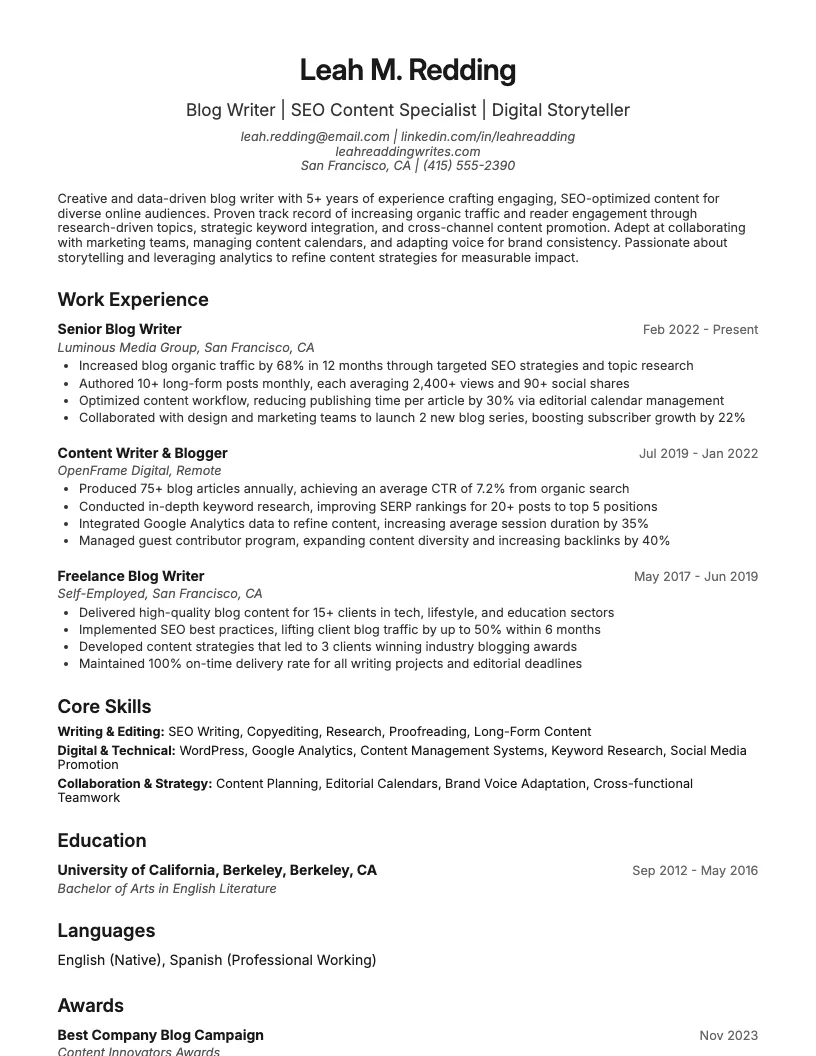 Click to enlarge
Common questions about Freelance Interpreter resumes
A Freelance Interpreter resume template is a pre-designed layout tailored for language professionals. It highlights skills, certifications, and experience specific to interpreting work.
Yes, most modern Freelance Interpreter resume templates, like those from ResumeJudge, are ATS-friendly. This ensures your resume passes automated screenings and reaches hiring managers.
Use this template when applying to roles in legal, medical, business, or conference interpreting. It's ideal for freelancers seeking clients or agencies.
Absolutely! Templates from ResumeJudge are easy to edit, so you can add your languages, certifications, or specialties for a personalized touch.
Freelance Interpreter templates focus on language skills, certifications, and client work. They differ from general templates by emphasizing interpreting expertise and freelance experience.
Aim for one page if you're early in your career or two pages for more experience. ResumeJudge templates help you organize content concisely for a professional look.
Yes, top templates include dedicated sections for certifications, such as ATA or medical interpreting credentials, making your qualifications easy to spot.
Definitely! These templates are suitable for both onsite and remote interpreting roles, helping you showcase relevant remote experience and tech skills.
Yes, ResumeJudge templates often include a section for references or testimonials, perfect for sharing client feedback or agency contacts.
Highlight language pairs, interpreting modes (consecutive, simultaneous), and industry expertise. ResumeJudge templates make these skills stand out to recruiters.
Explore more professional resume examples to inspire your job search
Use our AI-powered resume builder to create a professional, ATS-friendly resume in minutes.
Free to use • No credit card required