Physician Resume Example
See full guide on Physician resumes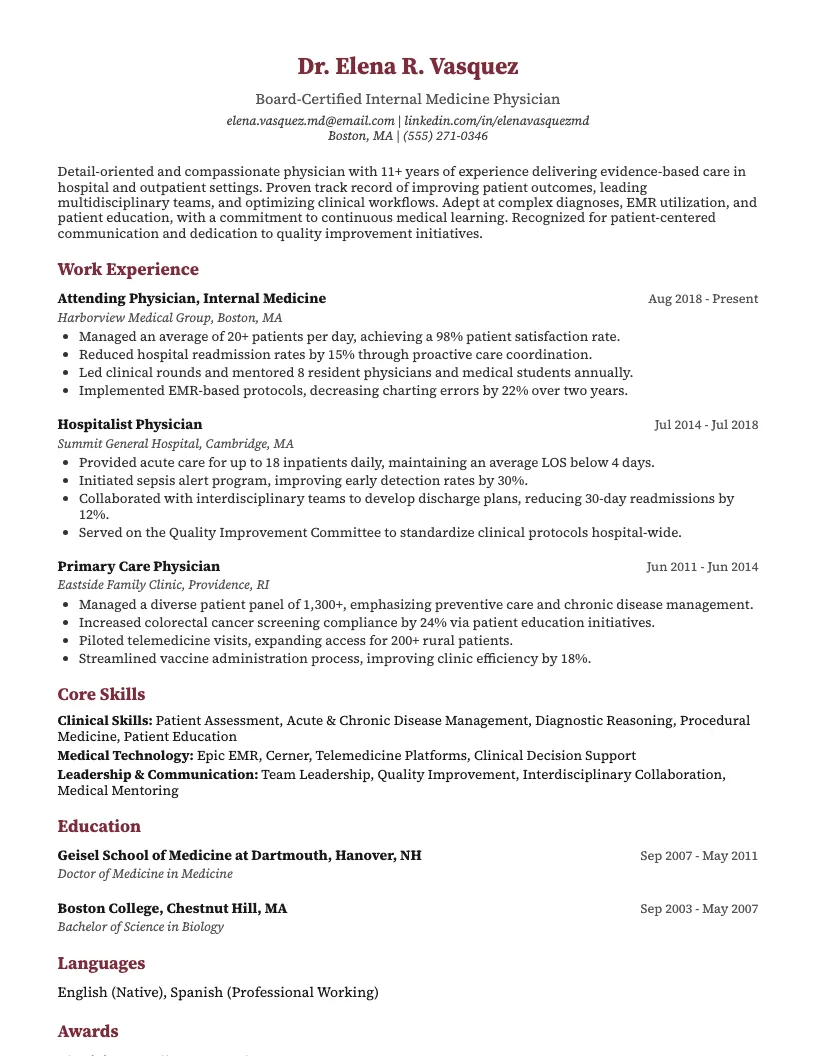 Click to enlarge
 Click to preview

Get inspired by 50+ professional Family Medicine Physician resume examples, each written by career experts and optimized to pass ATS scans. Pick a proven template, tailor it to your role, and download a polished resume in minutes.
Building a family medicine physician resume can feel overwhelming. You want to highlight your clinical skills, teamwork, and patient care experience without missing any key details.
I know what hiring managers look for-certifications, patient volume, and leadership stand out. A clear, organized resume makes it easier to show your impact and expertise.
If you want to land interviews, it helps to tailor your resume to each job. Let’s look at what works and why employers pay attention to certain details.

If you want to land more interviews as a family medicine physician, your resume needs to show your full range of skills and experience.
Hiring managers look for clinical expertise, patient care, and leadership roles. You want to highlight what sets you apart.
I’ll walk you through understanding the role and how to structure your resume for the best results. Let’s break down what matters most.
Family medicine physicians handle comprehensive care for patients of all ages. I manage preventive care, chronic diseases, and acute issues. My work covers everything from pediatrics to geriatrics.
This role means I coordinate with specialists, order and interpret tests, and build long-term patient relationships. The average panel size is about 1,500-2,000 patients per physician in the U.S.
You need to show your ability to diagnose, treat, and educate. Communication, adaptability, and empathy are crucial. This helps highlight your impact in community and primary care settings.
You want your contact info, professional summary, licenses, education, work experience, and skills front and center. Most recruiters only spend about 7 seconds scanning.
I always stick to a clean format-think clear section headings, bullet points, and lots of white space. Use a standard font and set margins to at least 0.75 inches.
Keep your resume to one or two pages, max. Prioritize recent and relevant experience. This helps recruiters quickly spot what matters most for a family medicine role.
Tailor your resume language to match job postings. Use keywords like "preventive care," "patient education," and "chronic disease management." This boosts your chances with both recruiters and applicant tracking systems.
Family medicine doctors handle a huge range of cases every day. You need solid clinical knowledge, top-notch communication, and leadership skills to succeed.
If you’re building your resume, focus on these core skills. I’ll break down each area that employers look for so you know exactly what to highlight.
Strong clinical skills are the backbone of family medicine. I diagnose, treat, and manage acute and chronic conditions for patients of all ages-over 80% of visits involve these core tasks.
You need to handle procedures like suturing, joint injections, and skin biopsies. Keeping up with evidence-based guidelines ensures better patient outcomes and safer care.
I also interpret labs, X-rays, and screenings every day. Staying accurate with physical exams and assessments helps prevent complications and supports early intervention.
I talk with an average of 20-25 patients a day. Clear communication helps me explain diagnoses, treatment options, and answer questions without jargon.
Active listening is just as important. I pay attention to patient concerns, show empathy, and make sure everyone feels heard during appointments.
If you want to build trust, use open-ended questions and avoid interrupting—skills that are also emphasized in a cover letter. This helps patients share all the details you need for accurate care.
I often coordinate care with nurses, specialists, and administrative staff. In larger practices, I might lead teams of 5-10 people to streamline workflows and improve patient outcomes.
Strong leadership skills help me guide care teams through tough cases or high-volume days. I stay adaptable and set clear expectations, so everyone knows their role and responsibilities.
If you want to stand out, show how you support team learning, mentor new staff, or lead quality improvement projects. Good teamwork directly impacts patient satisfaction and clinic efficiency.
When I write my resume as a family medicine physician, I focus on showing real clinical experience. Employers want to see what I handle every day, not just general duties.
You want to highlight key achievements, patient outcomes, and specific contributions. Numbers and facts always make your experience stand out here.
I find it helps to break down your experience by procedures, patient load, and the range of conditions you manage. This gives a clear picture of your skills.
You want to show what you actually do as a family medicine physician. Start with your scope of practice-outpatient, inpatient, urgent care, or all of the above.
I focus on listing the patient populations I treat. Mentioning age ranges, chronic illnesses, and procedures gives hiring managers a clear sense of your breadth.
There are always ways to highlight your collaboration with nurses, specialists, and care teams, which is also important to emphasize in a cover letter. This shows you understand integrated care and can handle multidisciplinary environments.
It helps to include your approach to patient communication. Clear, empathetic communication is vital in family medicine-emphasize how you educate patients and families.
Numbers always stand out on a resume. I like to back up my work with specifics-like patient load, improved outcomes, or reduced wait times.
You can highlight things like "managed a panel of 1,800 patients" or "improved vaccination rates by 15%." This gives your experience more weight.
Don’t forget to mention any cost savings or workflow improvements. Hiring managers want to see the real impact you make, not just your responsibilities.
If you want to work as a family medicine physician, you need a strong educational background. Most employers expect at least eight years of higher education.
Certification and licensure are also essential. Every state requires a valid medical license, and over 90% of family medicine physicians hold board certification.
To work as a Family Medicine Physician, you need a Doctor of Medicine (MD) or Doctor of Osteopathic Medicine (DO) degree. Both paths take about eight years after high school.
After med school, I complete a three-year family medicine residency. This is where you get hands-on experience in clinics, hospitals, and urgent care.
Strong clinical rotations in pediatrics, internal medicine, and obstetrics help you build a solid foundation. I always recommend taking elective rotations that match your career interests.
I need a state medical license to practice as a family medicine physician. Every state has its own licensing board and requirements, so make sure you check those details.
Most employers expect board certification from the American Board of Family Medicine (ABFM). This shows I meet national standards and keep up with medical knowledge.
Renewing my license and certification isn’t optional. I complete CME credits every year and retake exams every 7 or 10 years, depending on the board. This keeps my skills sharp.
Adding a few extra sections to your family medicine physician resume shows more than just your clinical skills. It highlights all the ways you go above and beyond.
If you have research, publications, or presentations, list them. These show your dedication to learning and sharing knowledge with others.
Professional memberships and affiliations matter, too. They signal that you’re serious about staying involved and up to date in medicine.
Don’t forget volunteer work or community involvement. These experiences help you stand out and show your commitment to patient care outside the clinic.
I always highlight my research, peer-reviewed publications, and conference presentations on my resume. This shows my commitment to advancing family medicine and staying current.
You can list original research, case studies, or even invited talks. If you have work published in journals or presented at national conferences, add those details with dates.
There are stats to back this up-over 60% of hiring committees say research and publication experience boosts a candidate’s profile in clinical settings. This helps you stand out.
I always highlight my memberships in groups like the American Academy of Family Physicians (AAFP) or state medical societies. This shows I stay engaged with the field.
You can list leadership roles or committee work, too. About 70% of family physicians join at least one professional society, so this section helps you stand out.
Active involvement can mean access to current research, CME opportunities, and policy updates. It also signals commitment to ongoing development-something employers value a lot.
Volunteering shows you care about your community, not just your career. I list my clinic work at local shelters and health fairs-these reach over 200 patients a year.
You can highlight roles in free clinics, vaccination drives, or mentoring youth. This shows you actively engage outside clinical practice. It demonstrates leadership, compassion, and flexibility.
Including community involvement wraps up your resume with a personal touch. It gives hiring committees more insight into who you are-not just what you do.
Crafting a standout family medicine physician resume takes more than just listing jobs. You need to show your skills, credentials, and patient care experience clearly.
Most employers spend less than 10 seconds on each resume. That’s why I focus on concise formatting and clear sections.
I’ll walk you through a sample resume and give you easy-to-use template options. This way, you can save time and make your qualifications pop.
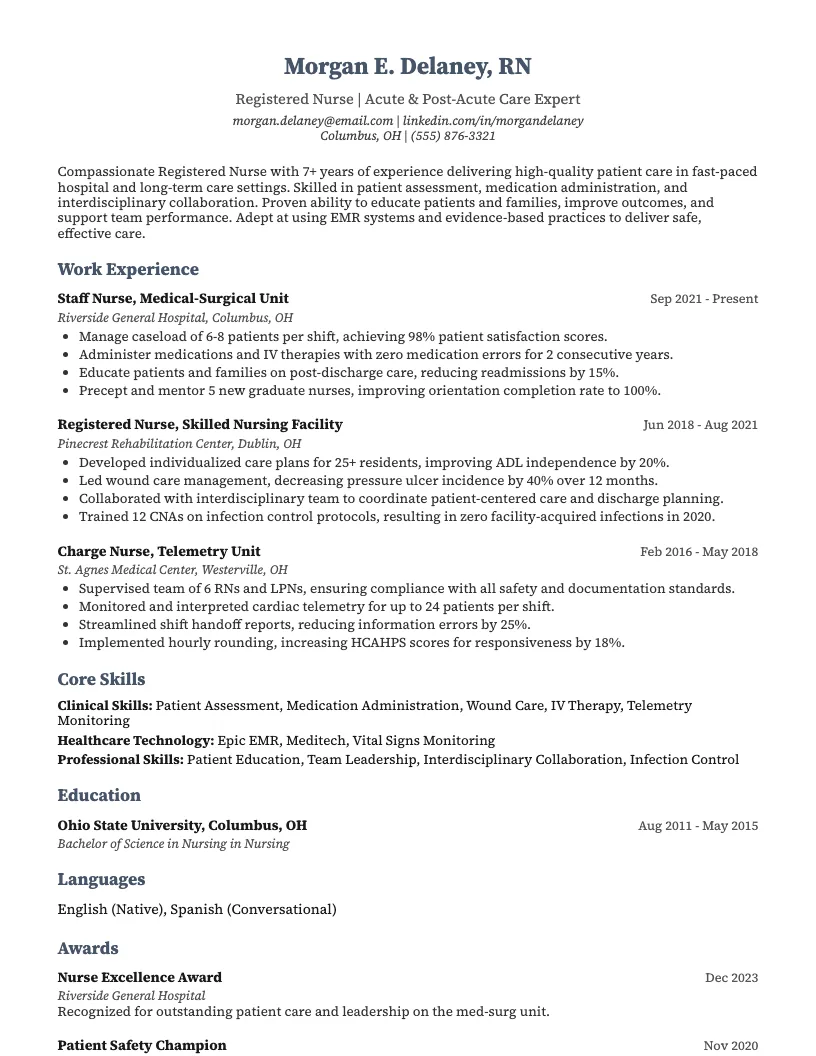
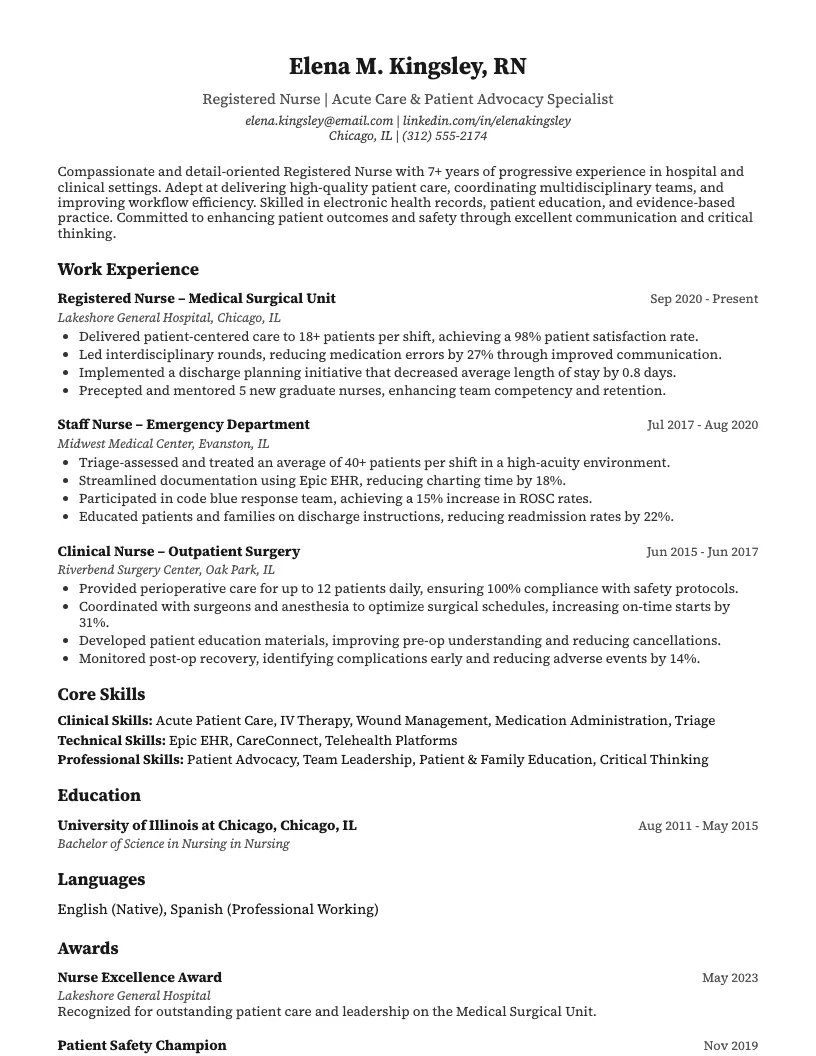
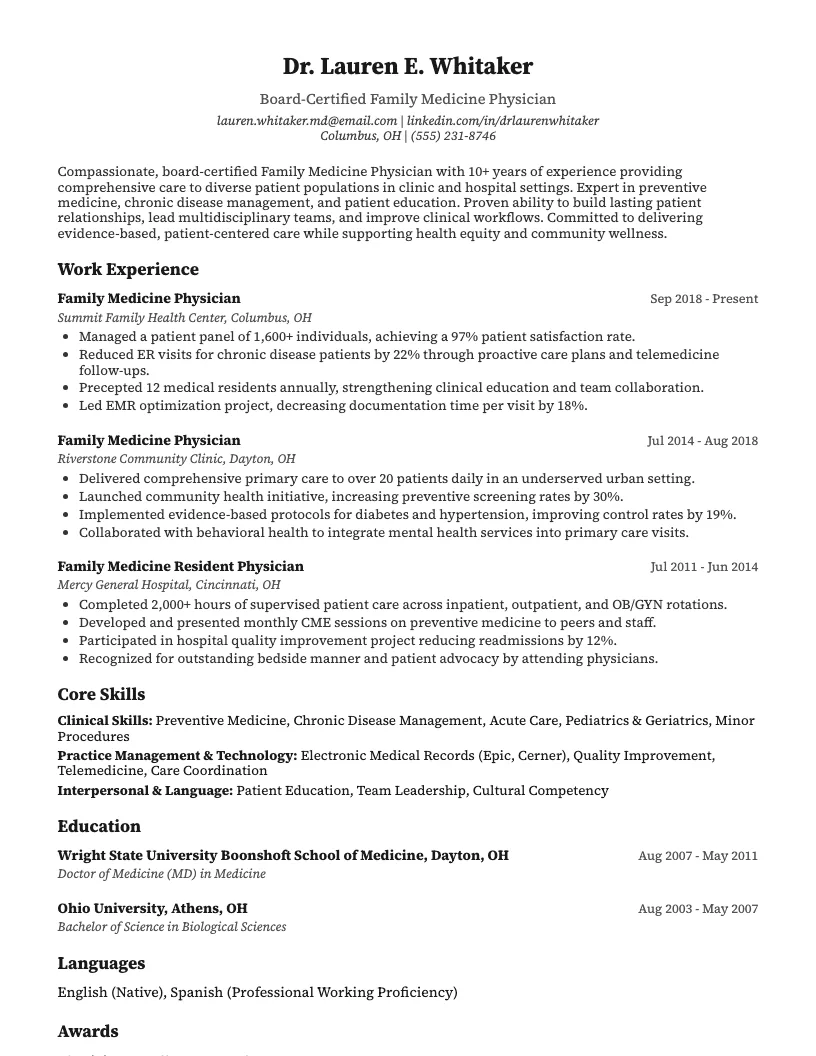
Here’s what a realistic family medicine physician resume looks like. I focus on clear, concise details-think patient volume, procedures, and leadership roles.
You want to highlight numbers, like “see 20+ patients daily” or “manage a team of 5.” This shows your impact right away.
Make sure your resume mixes clinical expertise with patient-centered care. Employers want to see versatility: outpatient, inpatient, and sometimes telemedicine experience all matter.
There are tons of downloadable resume templates out there. You can grab free ones from places like Microsoft Word, Google Docs, and Canva.
I like using templates with clean sections and clear fonts. This helps busy recruiters scan your details in under 10 seconds.
You can find physician-specific templates with built-in sections for certifications, licenses, and clinical experience, and you can pair them with a strong cover letter for your application. This keeps your info organized and easy to update.
Test a few designs before you settle. Some hospitals prefer PDF, while others want Word files. Double-check the job description for their preferred format.
Writing a family medicine physician resume takes more than listing your degrees and licenses. You need to show your impact, skills, and how you fit each practice.
I see a lot of resumes with great experience but weak tailoring. Highlighting your unique strengths and avoiding common mistakes really helps you stand out.
Every family medicine physician job is different. I always want my resume to match the specific clinic or hospital’s needs.
You should highlight experiences and skills that fit the actual job description. Customizing your resume boosts your chances-studies say tailored resumes get up to 50% more callbacks.
I read the posting closely. Then, I use keywords from the ad in my resume. This helps applicant tracking systems spot my application faster.
I see a lot of resumes that skip quantifiable results. Listing numbers-like patient volume or clinic efficiency improvements-makes your impact clear to recruiters.
Another mistake? Using vague language. Phrases like “provided care” or “worked with patients” don’t say much. Instead, highlight specific skills, procedures, or outcomes you deliver.
You also want to avoid clutter. Too much irrelevant info, like outdated certifications or non-medical jobs, distracts from your strengths. Focus on what matters most for family medicine.
Browse Family Medicine Physician resume examples for related roles. Preview any example, open it in the builder, or read its full guide.
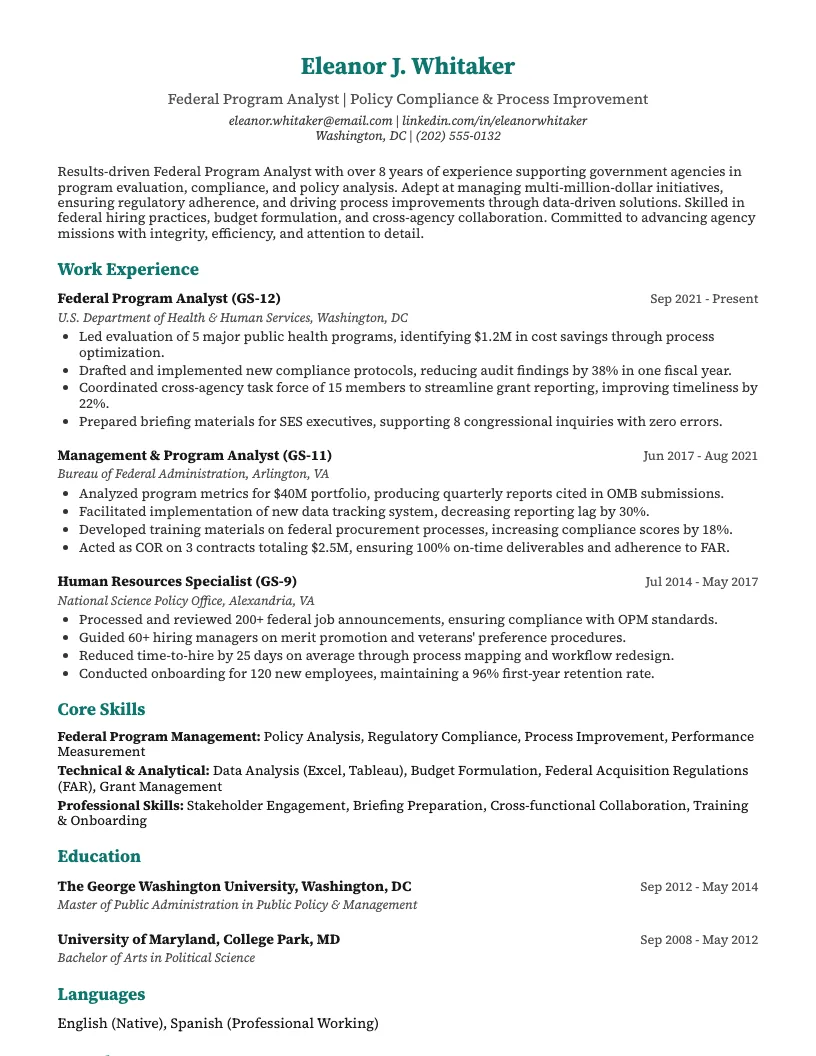
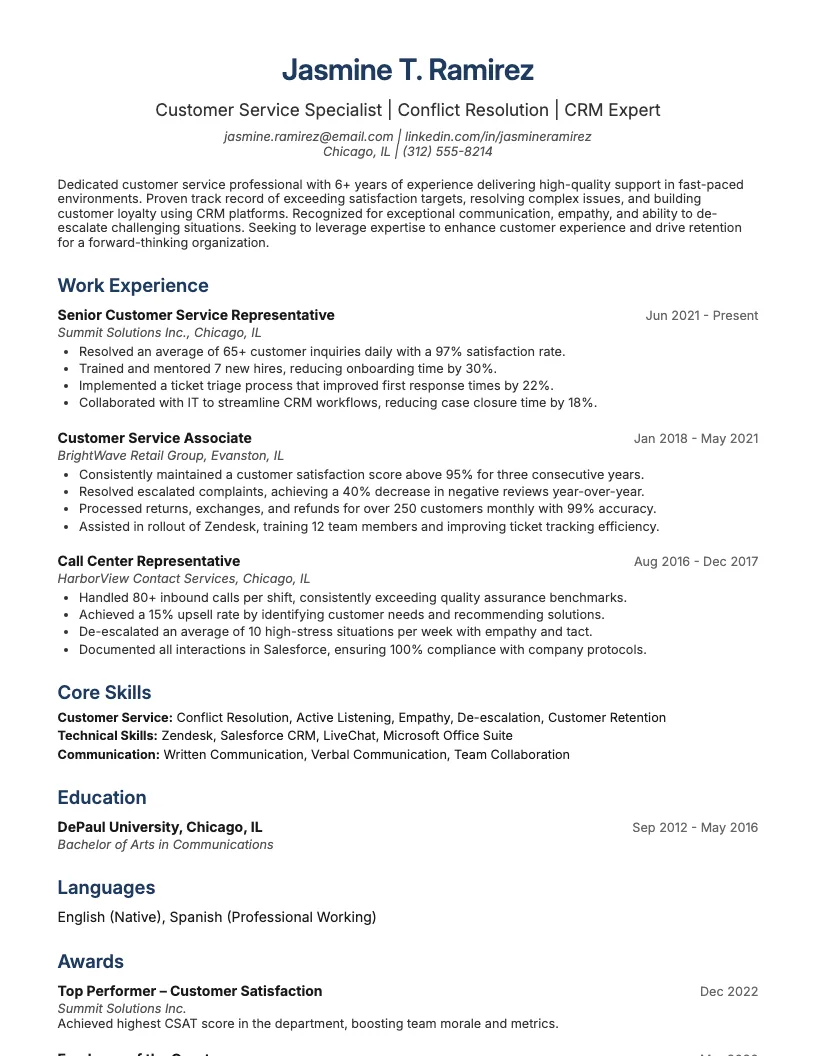
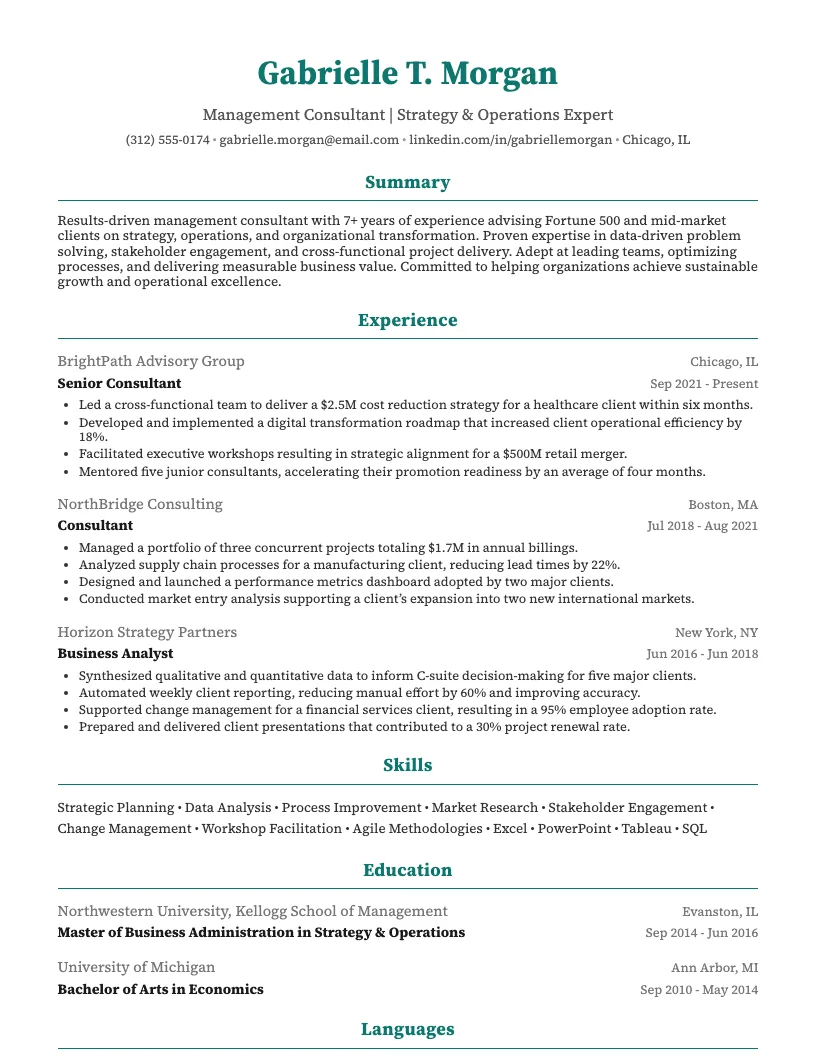
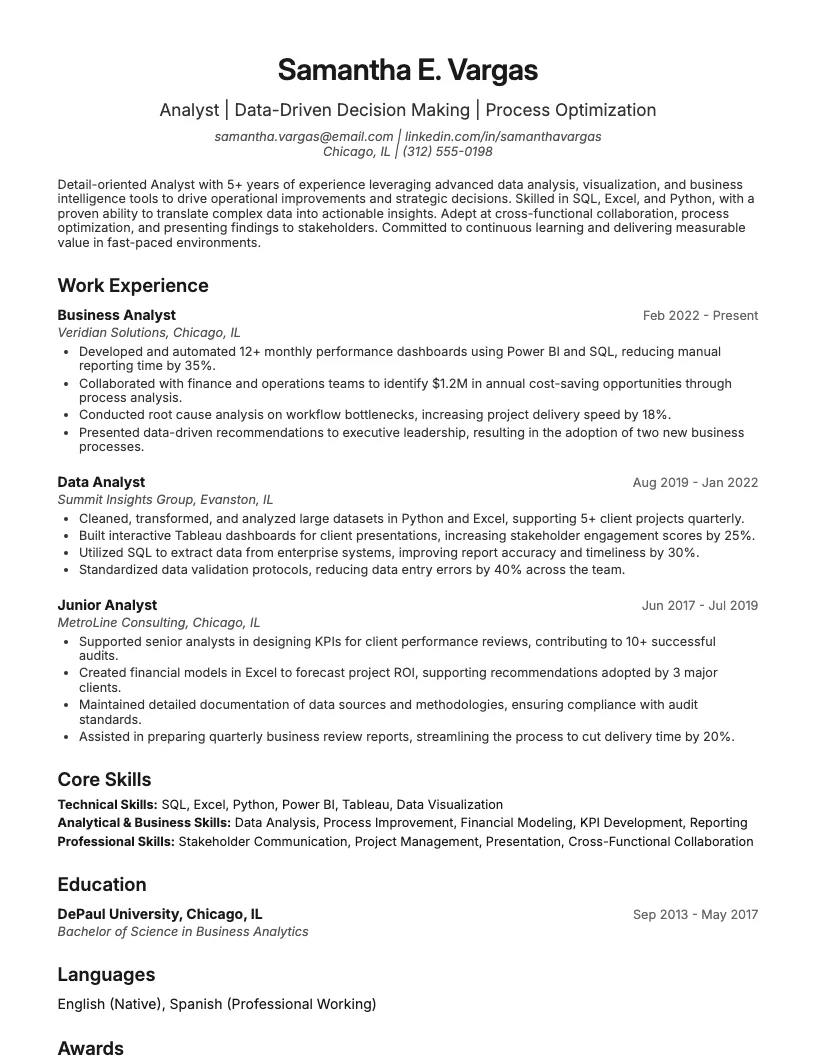
Click to enlarge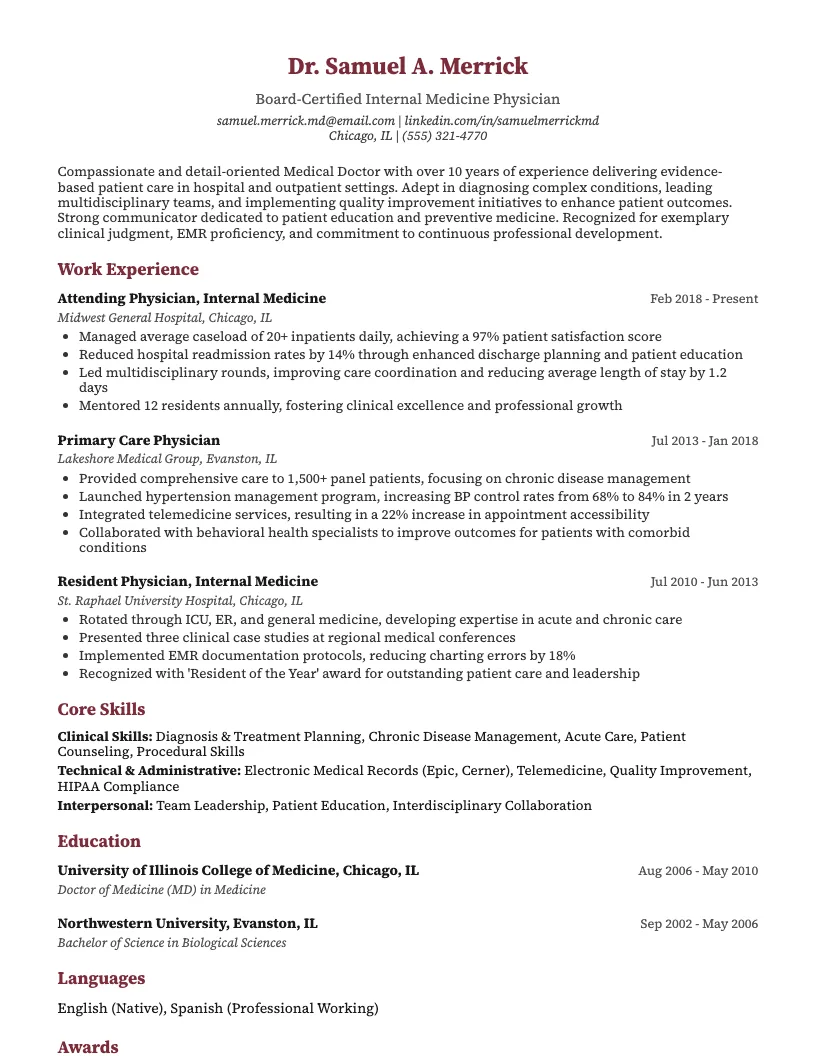 Click to enlarge
Common questions about Family Medicine Physician resumes
A Family Medicine Physician resume template is a pre-designed format tailored to highlight skills, education, and experience relevant to family medicine roles. It helps you present your qualifications clearly and professionally.
Yes, most Family Medicine Physician resume templates are designed to be ATS-friendly, ensuring your resume passes automated screenings. ResumeJudge offers modern, ATS-compliant templates for best results.
Use this template when applying for roles in clinics, private practices, hospitals, or community health centers. It’s ideal for both new graduates and experienced physicians seeking family medicine positions.
Absolutely! You can personalize sections like work history, certifications, and skills to reflect your unique background. ResumeJudge makes customization easy with user-friendly editing tools.
This template focuses on competencies and experiences specific to family medicine, unlike general medical templates. It highlights your versatility in treating diverse patient populations.
Your resume should be 1-2 pages, focusing on relevant experience, education, and certifications. ResumeJudge templates are designed to help you stay concise and impactful.
Key sections include contact info, summary, education, licensure, clinical experience, and relevant skills. ResumeJudge templates make it easy to organize these effectively.
Yes, new graduates can use these templates by focusing on clinical rotations, internships, and relevant skills. ResumeJudge helps highlight your strengths even with limited experience.
Include research or teaching roles if they’re relevant to family medicine or patient care. This can set you apart, and ResumeJudge templates provide space for these achievements.
Yes, ResumeJudge offers globally accepted formats and customizable options, making them suitable for applying to hospitals and clinics worldwide.
Explore more professional resume examples to inspire your job search
Use our AI-powered resume builder to create a professional, ATS-friendly resume in minutes.
Free to use • No credit card required