Sonographer Resume Example
See full guide on Sonographer resumes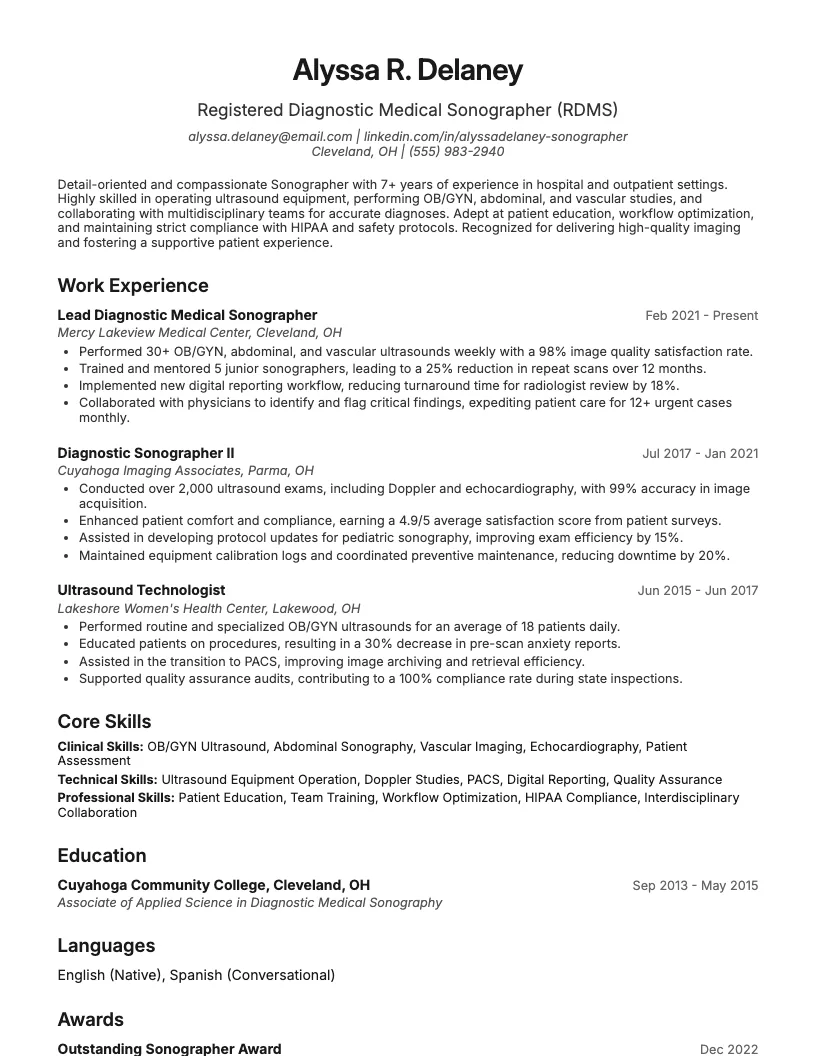 Click to enlarge
 Click to preview

Get inspired by 50+ professional Diagnostic Medical Sonographer resume examples, each written by career experts and optimized to pass ATS scans. Pick a proven template, tailor it to your role, and download a polished resume in minutes.
If you’re aiming for a diagnostic medical sonographer job, your resume needs to highlight your technical skills, certifications, and patient care experience.
I see employers looking for candidates with ARDMS certification and hands-on experience in hospitals or clinics. Your resume should show how you handle over 15-20 patients a day.
Let’s break down what you need to include, from your summary and skills to work experience and certifications. This helps you stand out in a competitive field.

A solid diagnostic medical sonographer resume helps you stand out. Hospitals and clinics post over 18,000 job openings a year, so competition stays tough.
You want your resume to reflect your technical skills, certifications, and real-world results. I’ll walk you through what employers look for and how to show your value.
Let’s break down the key responsibilities, the best resume format, and the must-have sections for this specific healthcare role.
Before you start your resume, it helps to really understand what a diagnostic medical sonographer does every day. You need to show employers you get the role.
Diagnostic medical sonographers use ultrasound equipment to capture images of organs, tissues, or blood flow. Most jobs require you to handle around 10-15 scans per shift.
You support doctors by preparing patients, explaining procedures, and maintaining equipment. Accuracy and attention to detail are absolutely essential in this job.
I always highlight things like collaborating with physicians, documenting patient records, and following safety protocols. Employers look for these key responsibilities on every resume.
Picking the right resume format really matters for diagnostic medical sonographers. I usually recommend the reverse-chronological format. It highlights recent experience, which most employers want.
If you’re new to the field or switching careers, a functional format works. This lets you spotlight your skills and certifications, not just your work history.
There’s also the combination format. This blends skills and experience, which is handy if you’ve got both. Choose the layout that best shows off your strengths and fits your background.
Every Diagnostic Medical Sonographer resume should start with contact information at the top. This means your name, phone, email, and location-nothing fancy, just clear and current.
You want a short, punchy professional summary next. I usually write two or three sentences that highlight my experience, core skills, and main certifications. It sets the tone.
Always include a skills section. Pick 6-10 skills that matter for sonography, like ultrasound equipment operation, patient communication, and image analysis. Be specific and match the job description.
The work experience section should list jobs in reverse order. For each, stick to facts: job title, employer, dates, and your main achievements. Numbers help-like “performed 25+ exams daily.”
Don't forget education and certifications. Employers want to see your degree and whether you're ARDMS certified. I list my credentials right under education for quick reference.
Wrap it up with any optional sections that boost your story, like volunteer work, languages, or professional memberships. This helps you stand out from other candidates.
A strong professional summary helps you stand out as a Diagnostic Medical Sonographer. It highlights your years of experience, certifications, and key skills in a few sentences.
I always focus on patient care, technical accuracy, and teamwork in my summary. Hiring managers look for these details first, so it pays to keep them clear and direct.
I always start with my years of experience and credentials. This helps hiring managers spot my expertise right away, which is key in medical imaging roles.
You want to mention your strongest skills, like ultrasound technology, patient care, or diagnostic accuracy. Quantify your achievements if you can-numbers stand out.
Keep it short, usually 3-5 sentences. Focus on what sets you apart, not generic traits. Highlight teamwork, adaptability, and eagerness to learn. This shows genuine value.
I’m a registered Diagnostic Medical Sonographer with 5+ years’ experience in hospital and outpatient settings. I handle over 25 ultrasound exams daily, focusing on patient care and accurate imaging.
My skills include abdominal, OB/GYN, and vascular scans, plus strong communication with patients and doctors. I use advanced ultrasound tech and consistently keep my ARDMS certification up to date.
If you want your summary to stand out, highlight specific imaging specialties and any leadership roles. Numbers-like years of experience or volume of exams-always help your resume look more credible.
If you want to stand out as a diagnostic medical sonographer, you need more than just clinical knowledge. Hospitals look for a mix of skills and certifications.
Technical skills help you handle ultrasound equipment and interpret images accurately. Soft skills like communication and empathy make patient care smoother and more effective.
Certifications and licenses show that you meet industry standards. Employers pay close attention to those details, especially for roles in busy hospital settings.
I use advanced ultrasound equipment daily-knowing how to operate, calibrate, and maintain these machines is key. Familiarity with multiple imaging modalities like Doppler and 3D ultrasound really matters.
You need to understand anatomy and pathology to capture accurate images. I also keep up with new tech, like portable ultrasound systems or PACS software, since clinics update tools pretty often.
There are always new protocols, so continuous learning helps. You should know how to optimize image quality, use measurement software, and troubleshoot for clear, diagnostic results every time.
Empathy and active listening are huge in sonography. I interact with nervous patients every day, so I stay calm and help them feel comfortable before any procedure.
Strong communication skills matter a lot. I explain procedures clearly, answer questions, and relay findings to doctors. This keeps the care team on the same page.
You need to be detail-oriented and adaptable, too. Every patient’s situation is different. I adjust quickly and keep focused to avoid mistakes-accuracy is everything in this role.
I always keep my ARDMS or CCI certification current. Most employers want at least one. Over 80% of diagnostic medical sonographers in the U.S. hold these credentials.
You also need a valid state license in some places. Not every state requires it, but it’s smart to check local rules before you apply.
Keeping up with continuing education is part of the job. This shows you stay updated with new tech and best practices. It makes you stand out among candidates.
That wraps up the key skills and competencies section-certifications prove you’re serious and ready for the demands of the field.
When I build my resume as a diagnostic medical sonographer, the work experience section always matters most. Employers scan it to check my clinical skills and results.
You want to show your impact in each job. Numbers help-think about patient volume, scan accuracy, or collaboration with medical teams.
It’s important to use clear, direct language. Listing tasks is fine, but focusing on achievements usually gets better results. This section sets you apart from other candidates.
When I describe my work as a diagnostic medical sonographer, I focus on specific tasks and measurable results. This helps my resume stand out to hiring managers.
Use numbers whenever possible. For example, mention the average number of patients you scan daily or your accuracy rate with image capture. Numbers show real impact.
Highlight technical skills and patient care. Employers want both. I always mention my experience with different ultrasound equipment and how I help patients feel comfortable during procedures.
Here are some real-world work experience examples you can use for a diagnostic medical sonographer resume. I like to keep these action-driven and results-focused.
Example:
Performed over 20 abdominal, vascular, and OB/GYN ultrasound exams per shift, ensuring diagnostic accuracy for a 200-bed hospital. Collaborated with physicians to review imaging and report urgent findings.
You can also say:
Trained 4 new sonographers in proper protocols, reducing repeat scans by 15%. Maintained equipment and followed all HIPAA guidelines to protect patient privacy.
These examples show technical skills, teamwork, and compliance. Think about your daily workflow and highlight achievements with measurable impact. This makes your work experience section stand out.
Education is a big deal for diagnostic medical sonographers. Most employers look for an accredited associate or bachelor’s degree in sonography or a related field.
Hands-on clinical training is just as important as classroom learning. You need both to perform well in real-world settings and pass certification exams.
Keeping up with new technology and best practices is also key. I make continuing education a regular part of my career.
I always start with the basics: an associate’s or bachelor’s degree in diagnostic medical sonography. Most employers expect this as the minimum qualification.
You want to highlight courses like anatomy, physiology, and ultrasound physics. Clinical rotations or hands-on labs also matter since they show real-world experience.
There are over 200 CAAHEP-accredited programs in the U.S. If you stick to one of these, you meet most job requirements right from graduation.
I keep my skills sharp by attending workshops and online courses. Most sonographers complete at least 24 continuing education credits every two years to stay certified.
Staying current with new technology and protocols helps me deliver better patient care. You can find plenty of affordable courses through ARDMS, SDMS, or your local hospital.
Joining professional groups and going to conferences is a great way to network and learn about industry trends. This helps you stay competitive and grow your career.
That’s pretty much how I keep my education and training up to date as a diagnostic medical sonographer!
Want to make your diagnostic medical sonographer resume stand out? Adding a few extra sections can help you highlight what makes you unique.
Employers notice details like awards, professional groups, and volunteer work. These sections show your dedication and set you apart from other candidates.
Listing awards and honors highlights my dedication to the field. I show real achievements, like receiving the SDMS Distinguished Sonographer Award or earning top scores on ARDMS exams.
These recognitions set me apart from other candidates. You should include scholarships, conference awards, or hospital excellence badges that demonstrate your commitment and expertise.
There are stats showing that resumes with distinct awards get about 30% more attention from hiring managers. This helps you stand out in a crowded applicant pool.
Listing professional affiliations shows I'm plugged into the industry. Being a member of groups like the Society of Diagnostic Medical Sonography (SDMS) signals I stay current.
You can mention active involvement-like attending conferences or serving on committees. This helps show leadership and commitment, which hiring managers really notice.
Membership stats matter-SDMS, for example, has over 28,000 members. That kind of network can open doors for job leads, mentorship, and ongoing education.
Volunteer work in healthcare settings shows that I care about my community and want to help others. I often include these experiences to highlight my commitment and well-rounded skill set.
If you volunteer at clinics or health fairs, mention the number of hours you serve or the specific services you provide. This adds credibility and shows direct patient contact.
Listing relevant volunteer experience helps your resume stand out. It’s another way to show hands-on ultrasound skills, teamwork, and dedication-qualities employers look for in this field.
If you want a job as a diagnostic medical sonographer, your resume needs to show your skills and credentials clearly. I know how important it is to stand out.
Here, you can find a downloadable template and a sample completed resume. These help you highlight your certifications, clinical experience, and technical skills in a way employers appreciate.
I’m sharing a free, downloadable resume template made just for diagnostic medical sonographers. This template follows current industry standards and uses a format that recruiters like.
You can edit the layout, colors, and sections in minutes. Most job seekers finish tailoring this template in under 30 minutes. That’s a huge time saver.
This template highlights skills, certifications, and experience in a way that’s easy to scan. Recruiters spend about 7 seconds on a first pass, so every section counts.
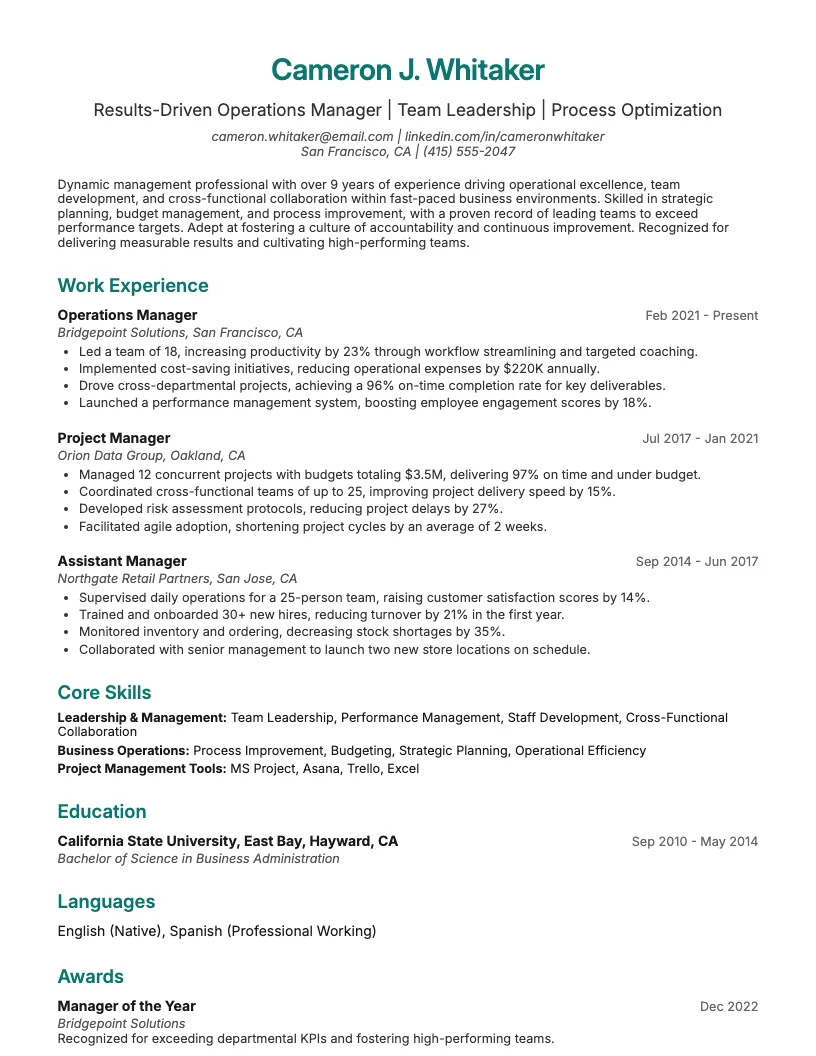
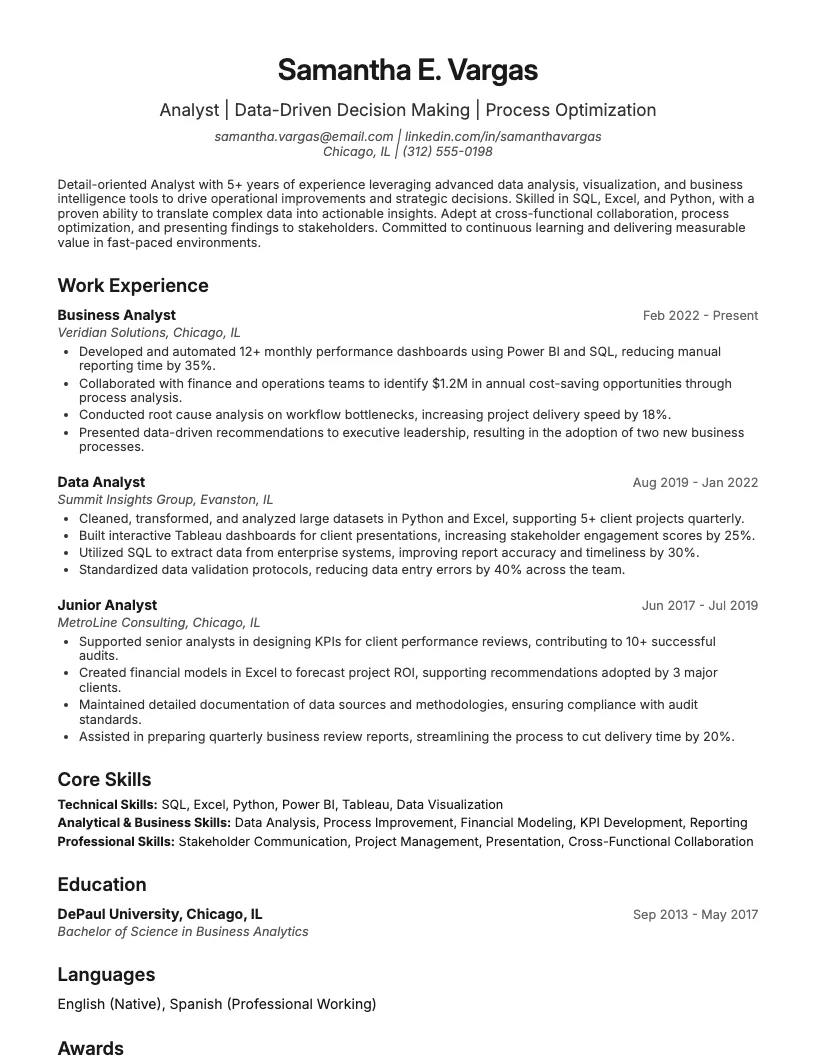
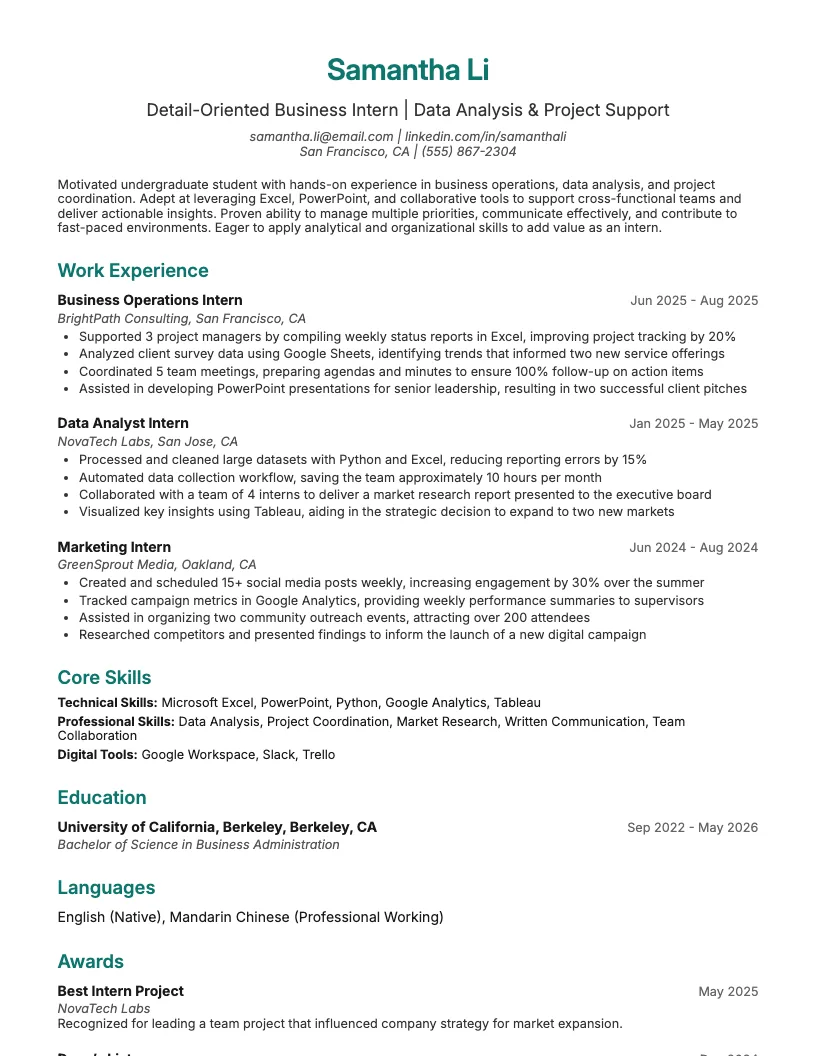
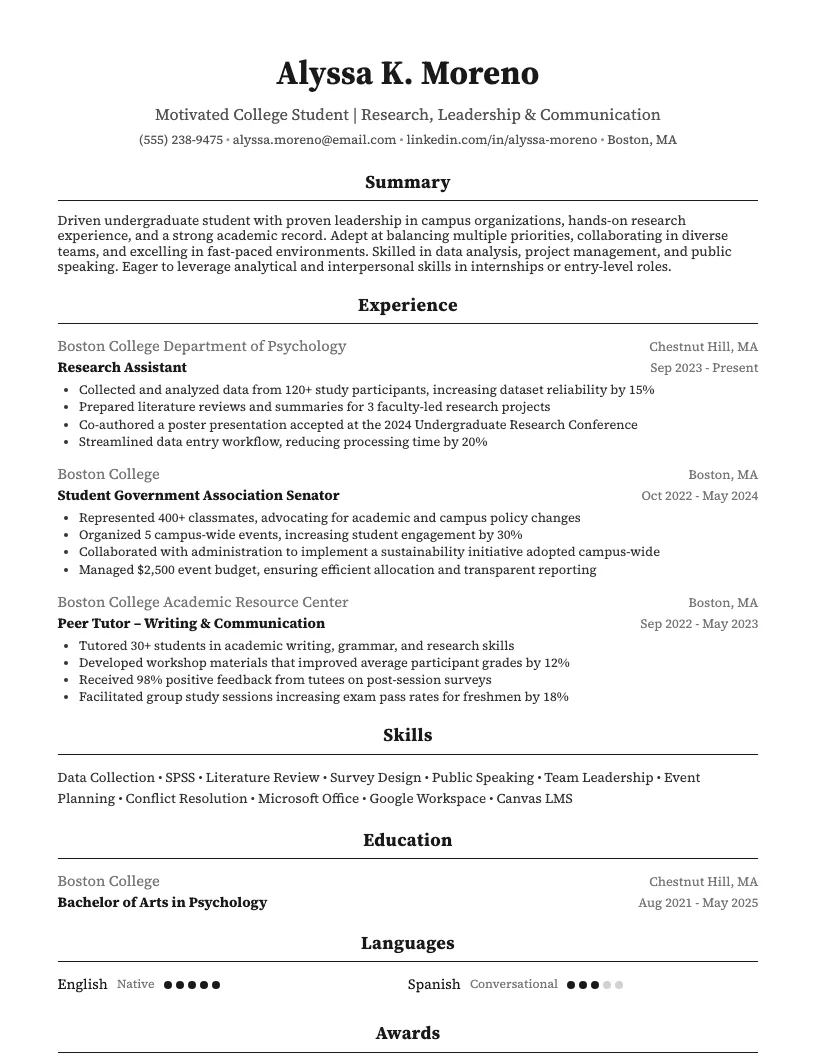
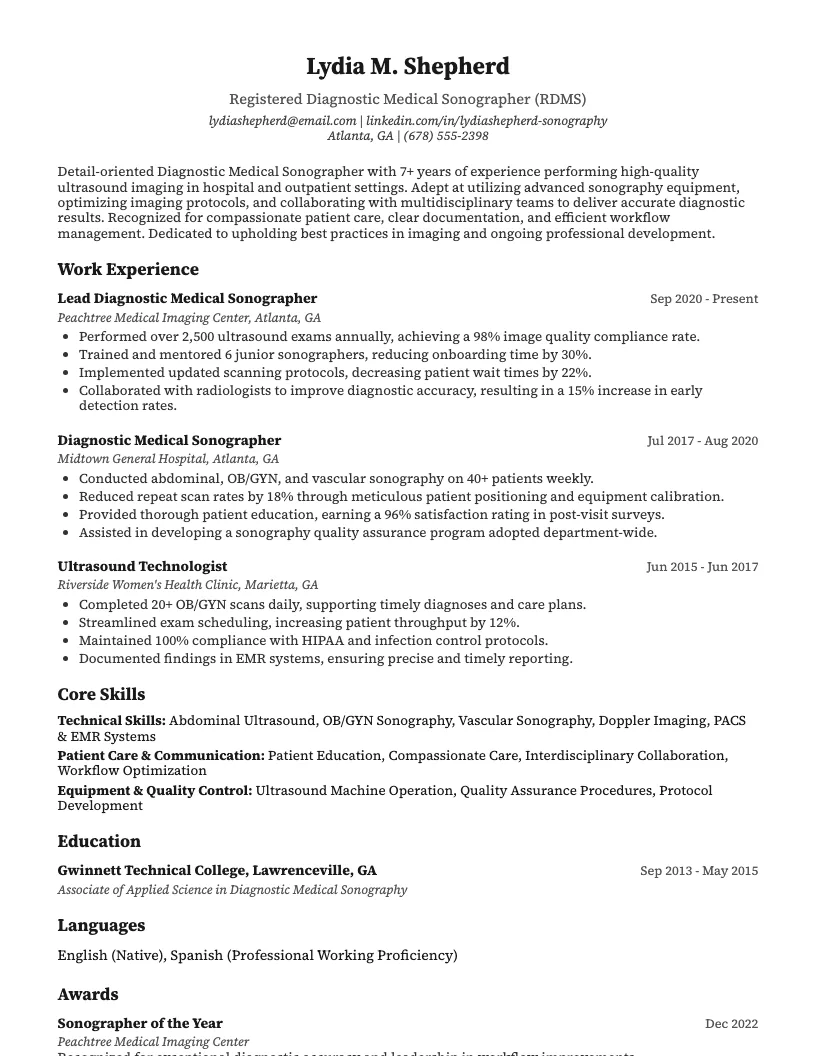
Here’s a realistic example of a diagnostic medical sonographer resume. You’ll see actual bullet points, metrics, and clear formatting. This helps you picture what a finished product looks like.
I always highlight quantifiable achievements, like “performed 30+ ultrasounds daily” or “improved patient satisfaction scores by 15%.” Numbers catch a hiring manager’s eye and show real impact.
You can use this sample to inspire your own resume. Notice how it balances technical skills, certifications, and soft skills. That’s what makes an application stand out.
Getting past an applicant tracking system matters a lot. About 98% of Fortune 500 companies use ATS to screen resumes before a human ever sees them.
If you want your diagnostic medical sonographer resume to stand out, you need to pay attention to keywords and formatting. These small adjustments can make a big difference.
I always start by scanning job descriptions for essential keywords. Things like "vascular sonography," "ARDMS certified," or "patient education" often appear in at least 90% of listings.
You want to naturally include these keywords in your skills, summary, and experience sections. This helps applicant tracking systems (ATS) flag your resume as relevant for diagnostic medical sonographer roles.
Don’t just cram keywords in-focus on using accurate terms that match your real experience. This keeps your resume honest and boosts your chances with both ATS and human recruiters.
I always stick with simple fonts like Arial or Calibri, size 10-12. This keeps things clean and avoids ATS errors. Steer clear of tables, columns, and graphics.
Use clear headings-like Work Experience, Certifications, and Education. Bullet points for duties and achievements make your resume easy to scan. This helps both recruiters and ATS bots.
Keep margins around one inch. White space matters; if your resume feels crowded, trim older jobs or less relevant details. One to two pages is the sweet spot for most sonographers.
Browse Diagnostic Medical Sonographer resume examples for related roles. Preview any example, open it in the builder, or read its full guide.
Click to enlarge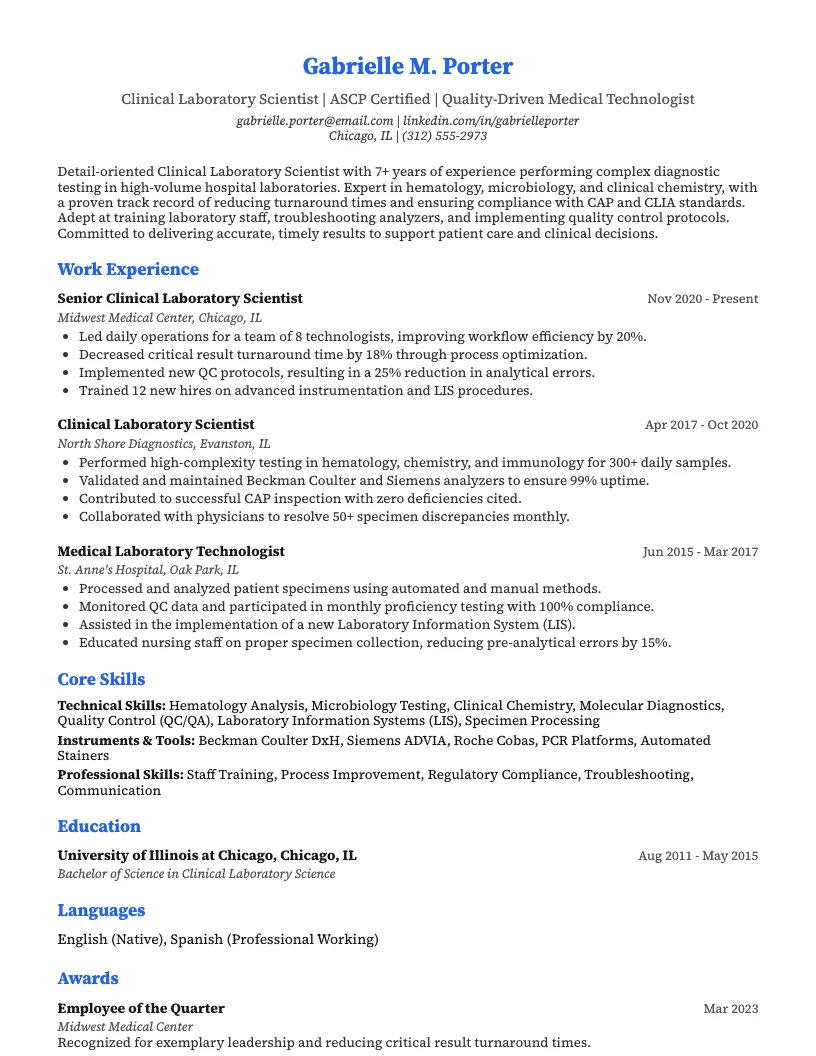 Click to enlarge
Common questions about Diagnostic Medical Sonographer resumes
A Diagnostic Medical Sonographer resume template is a pre-designed layout tailored to highlight your ultrasound skills, certifications, and clinical experience. It helps you present your qualifications clearly to employers in healthcare.
Yes, most Diagnostic Medical Sonographer resume templates are ATS-friendly, using simple layouts and standard fonts to ensure your resume passes applicant tracking systems. ResumeJudge offers templates specifically optimized for ATS.
Use this template when applying to hospitals, clinics, or imaging centers for roles like ultrasound tech or sonographer. ResumeJudge makes it easy to tailor your resume for different healthcare settings.
Absolutely! You can personalize the template by adding your unique skills, certifications, and experiences. ResumeJudge lets you easily adjust sections to fit your career path.
This template focuses on ultrasound-specific skills, certifications, and clinical duties, unlike generic templates. ResumeJudge helps highlight your specialized medical training for sonography roles.
Aim for a one-page resume if you have less experience, or two pages for seasoned professionals. ResumeJudge's templates keep your information concise and well-organized for recruiters.
Showcase skills like imaging procedures, patient care, equipment operation, and diagnostic reporting. ResumeJudge templates feature sections for both technical and soft skills.
Yes, these templates typically offer dedicated areas for listing credentials like ARDMS or ARRT. ResumeJudge lets you easily add your certifications to boost your profile.
Definitely! The template works for both new graduates and experienced professionals. ResumeJudge provides formats that help you showcase internships or clinical rotations effectively.
Highlight achievements, such as improved patient satisfaction or advanced imaging skills. ResumeJudge's templates help structure your accomplishments for maximum impact with recruiters.
Explore more professional resume examples to inspire your job search
Use our AI-powered resume builder to create a professional, ATS-friendly resume in minutes.
Free to use • No credit card required