Banquet Server Resume Example
See full guide on Banquet Server resumes Click to enlarge
 Click to preview

Get inspired by 56+ professional Able Seaman resume examples, each written by career experts and optimized to pass ATS scans. Pick a proven template, tailor it to your role, and download a polished resume in minutes.
If you want to work as an Able Seaman, your resume matters a lot. Employers look for experience, certifications, and the right skills.
I see hundreds of applications for these jobs every year. The best ones always stand out because they show real qualifications and clear achievements.
This page walks you through what you need on your Able Seaman resume. I'll show you what employers expect and how to highlight your strengths.
An able seaman is a skilled deck crew member on a merchant ship. I handle navigation, maintenance, cargo, and safety drills. I usually need to pass a U.S. Coast Guard exam.
Experience counts here. Most jobs want at least 1-2 years at sea. You also need physical stamina, teamwork, and strong problem-solving skills to handle daily tasks.
I make sure the ship runs smoothly by steering, mooring, and keeping lookout. There are about 20,000 able seamen working in the U.S., according to recent Bureau of Labor Statistics data.
A strong resume gets you noticed fast. Most recruiters spend under 7 seconds scanning each one. You need to stand out right away.
I know many jobs get 100+ applications. A clear, focused resume shows your skills, sea time, and certifications up front. This helps you land interviews.
You want your resume to reflect your best self. Highlighting safety records, teamwork, and reliability proves you’re ready for the role. It’s your shot to make a solid first impression.

Writing an Able Seaman resume can feel overwhelming. I know how tough it is to show your skills and experience in just a page or two.
You want your resume to show your certifications, sea time, and safety training. Employers look for details like these right away.
It's important to use a clear format and focus on what maritime recruiters want. I’ll walk you through the basics and share tips that actually help.
Every Able Seaman resume needs a few core sections. I always start with my contact info at the top-name, phone, email, and maybe a LinkedIn profile.
You should include a Professional Summary to highlight experience, licenses, and main skills. This helps you stand out instantly to hiring managers.
Don’t skip the Work Experience section. List your recent jobs, duties, and achievements-use numbers if you can, like "managed deck operations for crews of 15+."
Certifications and Training matter a lot in maritime roles. Include your STCW, lifeboatman, and other credentials. This shows you meet industry standards.
Finish with your Education and key Skills. Mention things like proficiency with navigation systems or safety protocols. This rounds out your qualifications.
I always keep my resume to one page. Recruiters spend less than 8 seconds scanning each one, so clean layouts really matter.
Use clear headings and bold job titles. This helps your marine experience stand out fast. Stick to a simple font-nothing fancy.
Add plenty of white space between sections. You want everything easy to read, even on a ship’s computer or a phone. That’s how you get noticed.
If you want to stand out as an able seaman, you need to show more than just experience at sea. Employers look for specific technical skills and up-to-date certifications.
I always see recruiters ask about licenses and safety training. Soft skills like teamwork also help you land jobs on different vessels. Let's break down what you need.
To stand out as an able seaman, I need to show off solid technical skills. These are the backbone of the job and help keep operations running smoothly.
You want to highlight hands-on experience with deck maintenance, cargo handling, and basic navigation. Employers often look for real-world proof, not just a list of buzzwords.
I always mention my knowledge of safety protocols, lifeboat operations, and emergency response. Around 85% of maritime employers expect these skills in a resume.
Familiarity with mooring operations and using deck machinery is also a must. If you log equipment hours or training, include those numbers. This shows both skill and accountability.
To work as an Able Seaman, you need a Merchant Mariner Credential (MMC) with the Able Seaman endorsement. This is a must for any deck crew job in the U.S.
I also need to keep a valid Transportation Worker Identification Credential (TWIC). Without it, I can’t even get on most vessels or into secure port areas.
There are extra certifications that help too. I always recommend getting STCW Basic Safety Training. Over 90% of offshore employers look for this on a resume.
Communication is key on board. I make sure to speak up clearly and listen closely, which helps avoid confusion and keeps operations safe.
Teamwork matters a lot. You need to work smoothly with people from different backgrounds. About 60% of maritime incidents involve poor cooperation, so being reliable and respectful is vital.
Staying calm under pressure is huge. Emergencies happen, and I keep a level head. These soft skills tie everything together, setting you apart from other able seamen.
A strong summary can make your Able Seaman resume stand out fast. Employers spend about 7 seconds scanning each resume, so you want to grab attention right away.
I focus on relevant skills, certifications, and real experience in my summary. If you highlight your best stats and credentials, you can show you’re ready for the job.
If you want your Able Seaman resume to stand out, a solid summary is key. This is your quick pitch-show off your experience, skills, and certifications right away.
For example, I might write: "Able Seaman with 8 years’ experience on commercial vessels, expert in deck operations, safety drills, and equipment maintenance. Holds valid STCW and TWIC cards."
You can highlight your strongest assets-maybe it’s navigation, cargo handling, or emergency response. Numbers matter. If you’ve logged over 1,000 sea days, mention it to add credibility.
Start with your years of experience. Employers want numbers. If you have over 5 years at sea, say it up front.
Highlight your strongest skills, like cargo handling, safety drills, or navigation. Use keywords from job postings-this helps your resume get noticed.
Mention key certifications, like STCW or lifeboatman. This shows you're qualified and ready. Keep it short-3-4 sentences work best.
Wrap up with a personal quality. I like to include reliability or teamwork, since those matter on any vessel. Make it feel honest and straightforward.
Hiring managers want to see exactly what you do on board. You need to show your daily tasks, safety roles, and how you keep things running smoothly.
It helps to point out specific skills and numbers. This way, you prove your impact and make your experience easier to understand.
When you write your work experience, highlight actual shipboard tasks you handle. I always mention the types of vessels I work on and the routes I cover.
You should talk about your daily duties-like watchkeeping, maintenance, or cargo operations. This shows you know the ropes and can handle the demands of the job.
It's important to include certifications you use, like STCW or lifeboatman. Employers look for hands-on skills and real-world experience, not just job titles.
Use numbers and percentages to show your impact. For example, write “assisted with mooring operations on vessels over 50,000 GT” or “maintained safety checks for a crew of 20.”
I like to mention how many voyages I complete each year, or how often I run safety drills. This helps hiring managers see my hands-on experience.
Track things like reduction in incidents, hours spent on maintenance, or cargo tonnage handled. These details make your resume more concrete and impressive.
Including quantifiable results wraps up your experience section in a way that stands out and feels real.
If you’re aiming to work as an able seaman, you need the right mix of formal education and hands-on training. Employers look for both.
Most jobs expect a high school diploma or GED. After that, you’ll need to complete Coast Guard-approved courses and get plenty of practical experience on deck.
On-the-job training is a big part of the process. You learn safety procedures, navigation basics, and equipment handling while working alongside experienced crew.
I always tell people, you don’t need a college degree to become an Able Seaman. Most folks enter the field with a high school diploma or GED.
There are maritime academies and community colleges offering maritime studies, seamanship, or marine technology courses. These programs usually take 1-2 years and cover basics like navigation, safety, and regulations.
If you want to stand out, try earning certifications like STCW Basic Safety Training. This is a global standard and usually takes about a week to complete. It covers firefighting, first aid, and survival skills.
On-the-job training matters just as much as classroom learning. Most able seamen log over 180 days of sea time before qualifying for certification.
I always mention specific vessels, routes, or drills I handle. This shows hands-on skills, like mooring, cargo handling, or safety checks, that employers value.
If you’re listing on-the-job training, highlight mentorships or skills assessments. This helps your resume stand out and proves you can adapt to real-world maritime challenges.
If you want your Able Seaman resume to stand out, extra sections give you an edge. I always recommend highlighting skills or achievements beyond your main experience.
Awards, memberships, and language skills matter at sea. These details show what makes you different from the other 25,000 Able Seamen in the U.S. today.
You don’t have to include every section. Just pick what fits your experience best and helps employers see your full potential.
Listing awards or recognitions on your resume shows you go beyond the basics. I like to highlight achievements that prove strong performance or safety records.
If you’ve received a “Seafarer of the Month” award or a safety commendation, definitely include it, and highlight these achievements in your cover letter as well. This helps you stand out from other Able Seamen with similar experience.
You can mention company awards, industry honors, or even recognition from your captain. Recruiters notice when you back up your skills with real results.
I always include professional memberships like the International Maritime Organization or local seafarers’ unions. This shows I’m committed to the industry and follow the latest standards.
You can list your membership dates and any leadership roles, and mention these in your cover letter to show your commitment. Around 60% of recruiters prefer candidates who join industry groups, so this can help your resume stand out.
Memberships help me stay updated on safety protocols, regulations, and training. They also show employers I take my career in maritime seriously.
Speaking more than one language on board-like English and Tagalog-really helps with communication. I always include my language skills right on my resume.
There are also technical skills every Able Seaman should list. Think radar operation, ECDIS navigation, or basic engine maintenance. You can even mention STCW certifications.
Don't forget digital skills. Sometimes, you use fleet management software or electronic logbooks. This shows you can handle modern ship tech and adapt fast.
If you’re adding these, keep it clear and specific. Highlighting your languages and tech skills helps your resume stand out to any recruiter.
If you want to work as an Able Seaman, you need a resume that shows your skills and experience clearly. The right template can make a real difference.
I find that a strong resume helps you stand out, especially if you highlight safety practices and navigation knowledge. You want your experience to match what employers look for.
I’ll walk you through a template you can use, plus a sample resume filled out for an Able Seaman role. This makes it easy to get started.
I’ve put together a free, easy-to-edit Able Seaman resume template. It’s compatible with Word and Google Docs, so you can start filling in your info right away.
You just need to download and save it. The layout follows current ATS standards, so your application gets past screening software used by over 95% of shipping companies.
Make sure to update your contact info, certifications, and sea service details, and consider including a cover letter to strengthen your application. This helps recruiters spot your qualifications fast, especially when you’re applying for competitive deck crew positions.
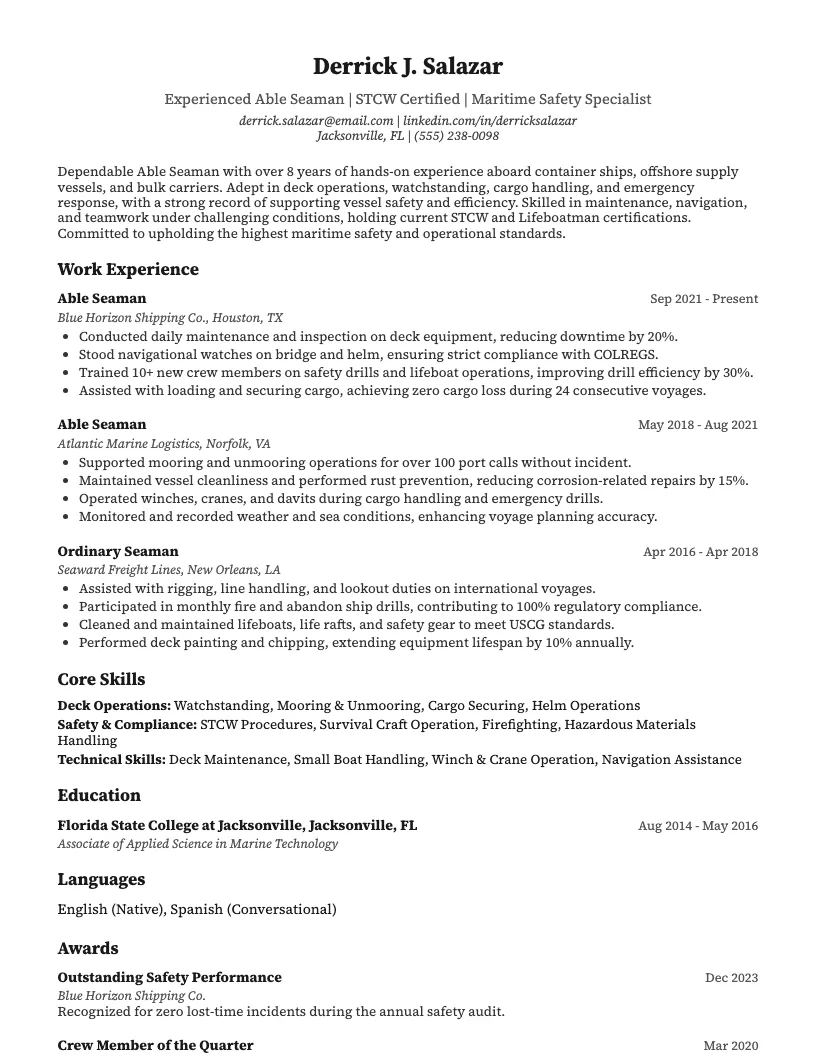
Here’s what a finished Able Seaman resume actually looks like. I use real job achievements, quantifiable skills, and certifications to make each section stand out.
You’ll notice clear job titles, dates, and bullet points that highlight day-to-day responsibilities. This makes it easy for recruiters to spot relevant experience-especially in safety drills, vessel maintenance, and teamwork.
If you want your resume to get noticed, keep everything concise. Use numbers, like “assisted with mooring operations on vessels up to 15,000 tons,” to show your impact. This helps you look credible.
Seeing a completed sample helps you figure out what to include and what to skip. Use it as a guide to make your own resume more effective and professional.
Writing an Able Seaman resume can feel tough, but it gets easier once you know what hiring managers look for. I see a lot of common patterns.
You want to highlight your certifications, sea time, and hands-on experience. But you also need to avoid careless errors that can cost you interviews.
I’ll break down what works and what doesn’t. This way, you can make sure your resume stands out for all the right reasons.
When I write an Able Seaman resume, I focus on clear structure and simple language. Recruiters spend less than 7 seconds on a resume, so every word counts.
You want to highlight valid STCW certifications, years of sea service, and specific equipment experience. Numbers-like “logged 1,500+ hours on deck”-make your skills pop.
Use bullet points for duties and achievements. This helps hiring managers skim fast and see your strengths right away. Keep it straightforward and honest.
A lot of Able Seaman resumes miss key certifications like STCW or TWIC. Always list your valid credentials-recruiters often skip candidates missing these details.
Some folks just list duties, not achievements. Quantify your impact. For example, mention “reduced maintenance time by 15%” or “trained 10 new crew members,” instead of generic tasks.
Typos and inconsistent formatting can really hurt your chances. I recommend proofreading twice and using a clean, easy-to-read layout. This helps you look professional and detail-oriented.
Browse Able Seaman resume examples for related roles. Preview any example, open it in the builder, or read its full guide.
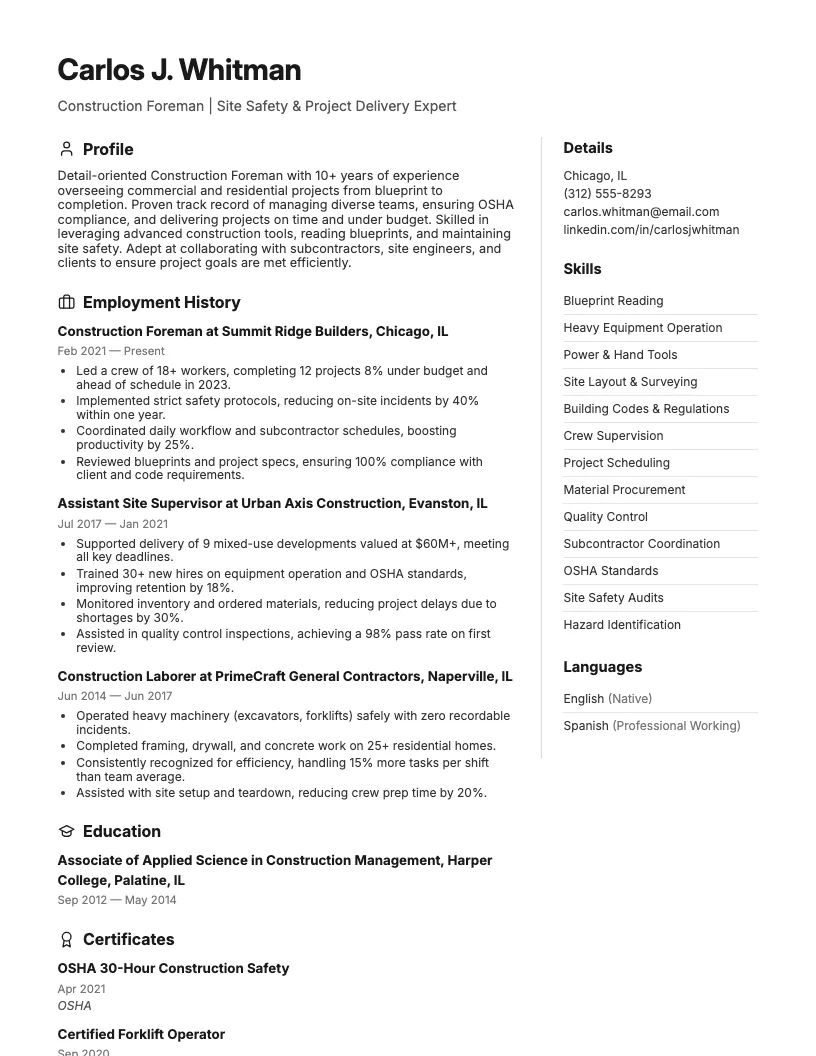
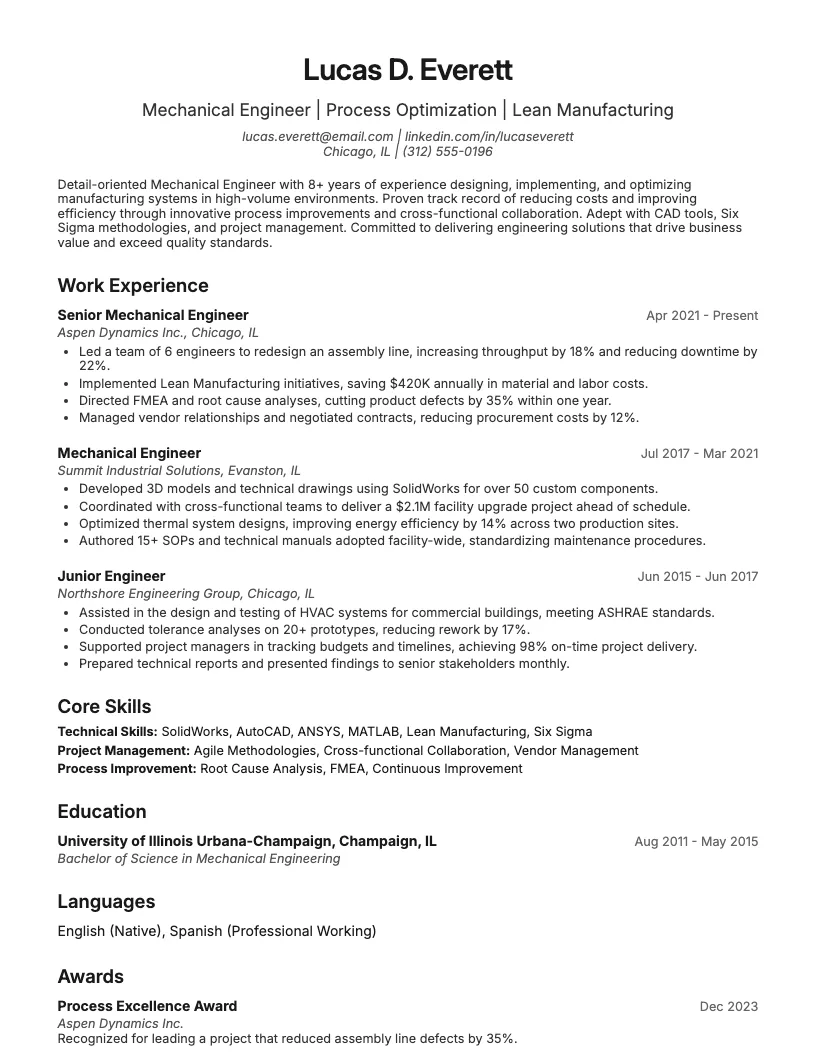
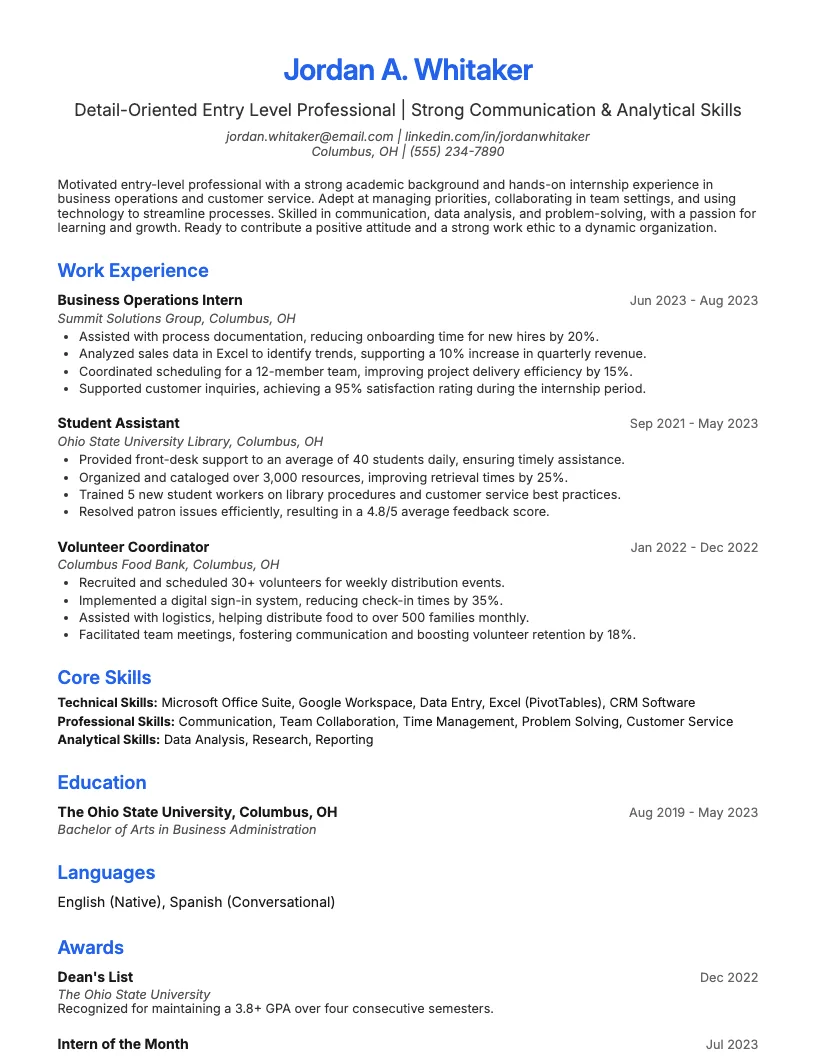
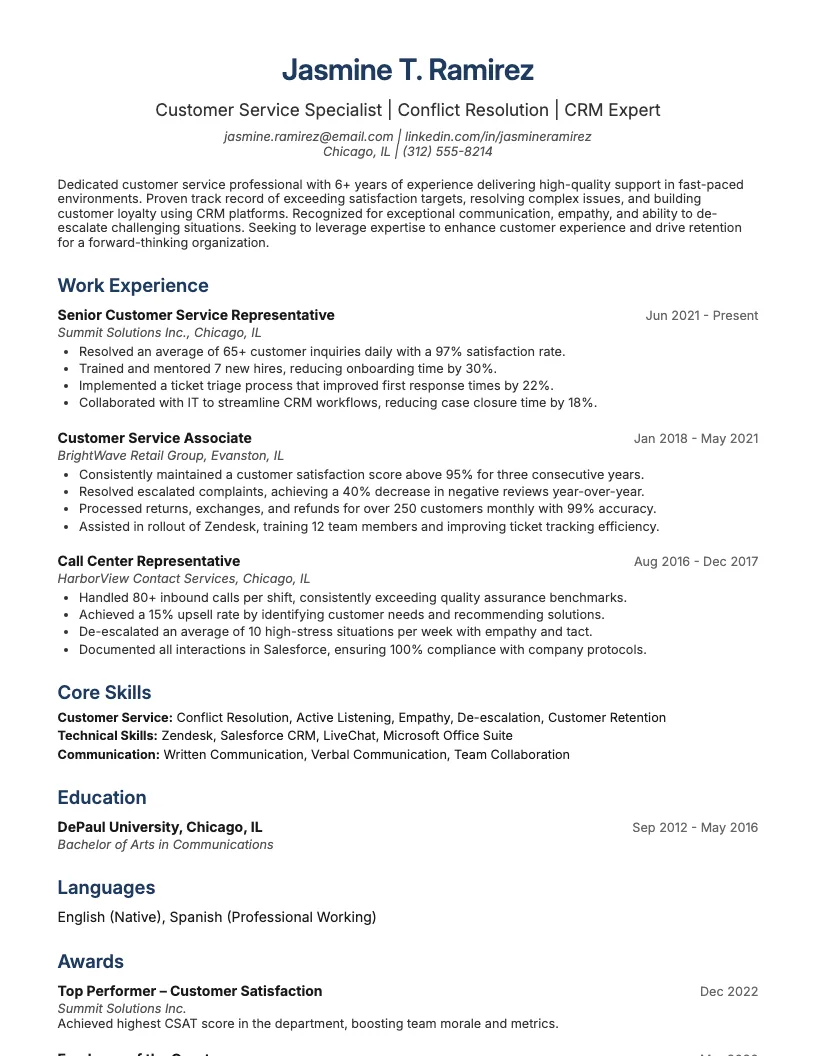
Click to enlarge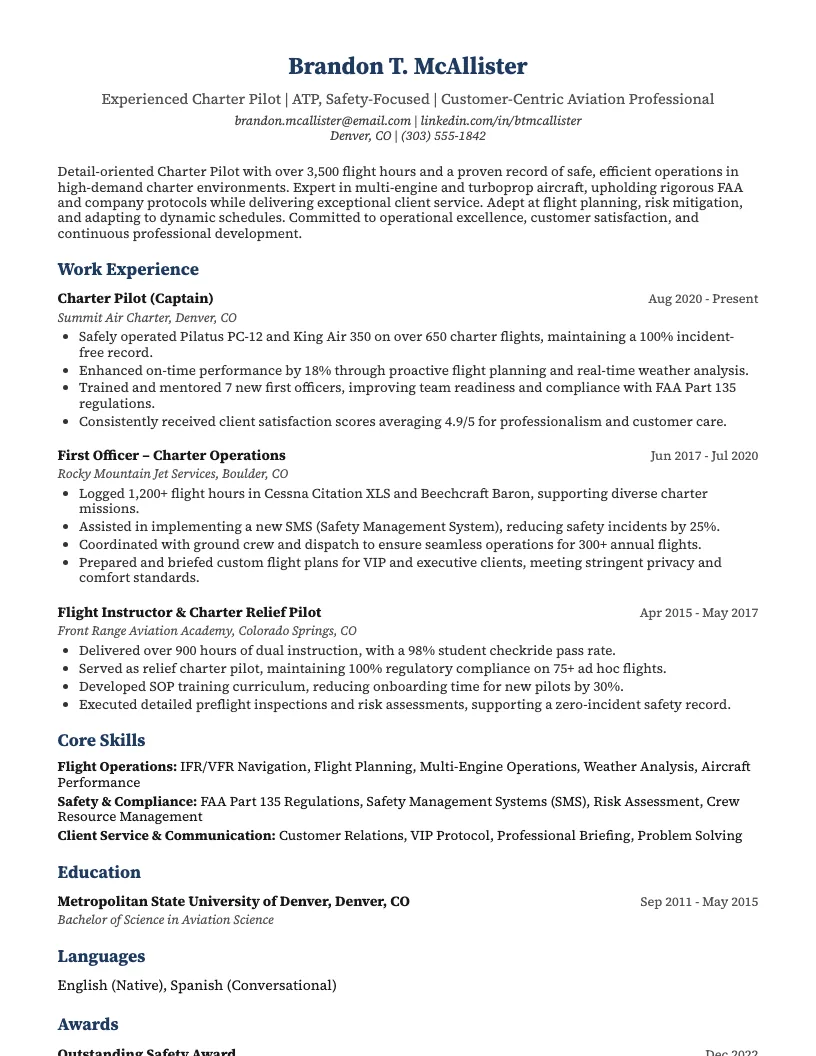 Click to enlarge
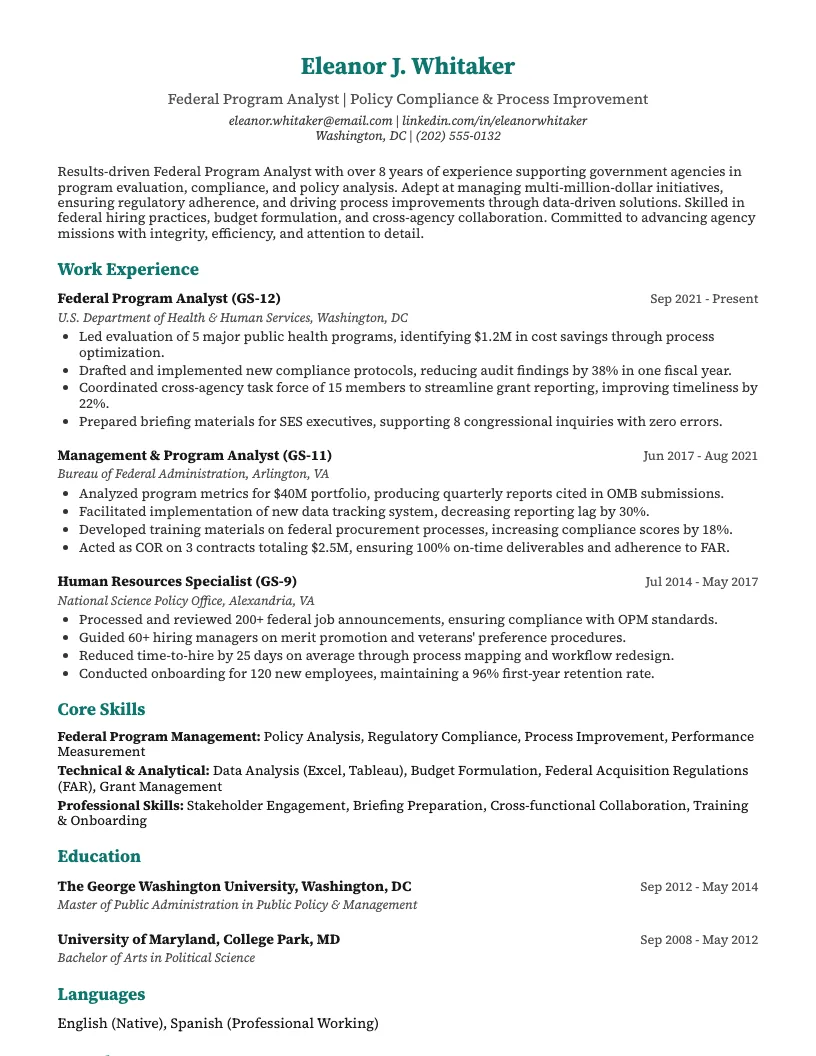
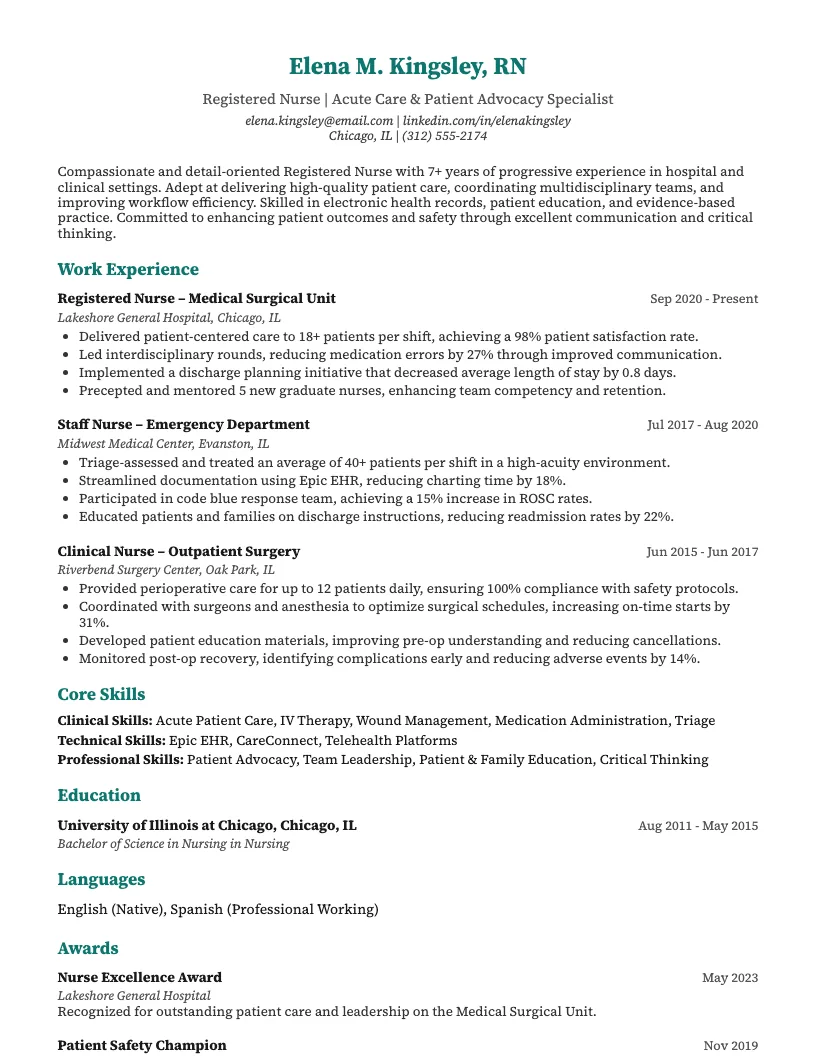
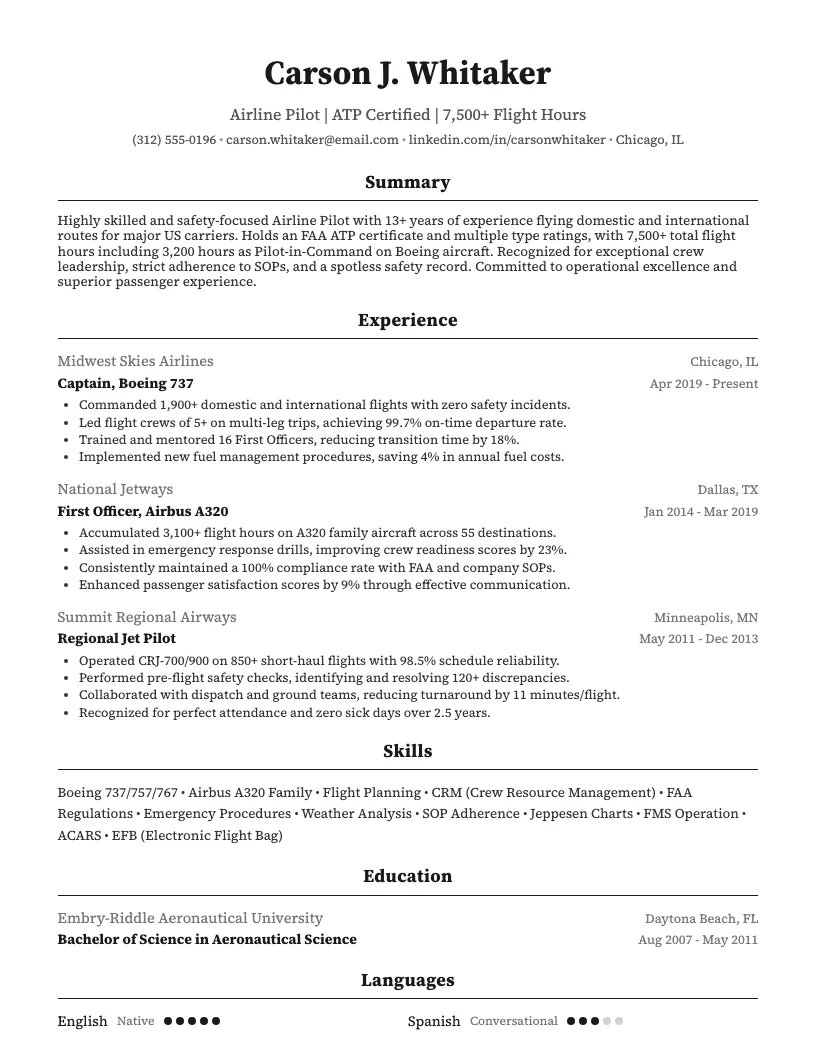 Click to enlarge
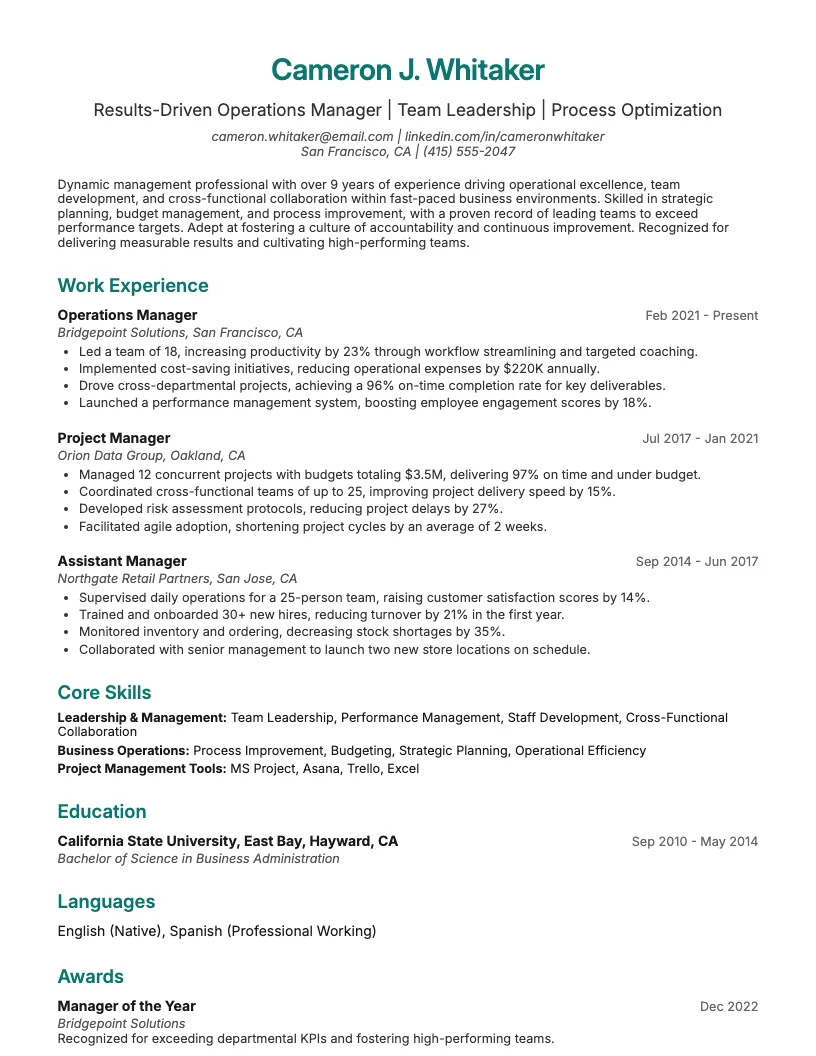
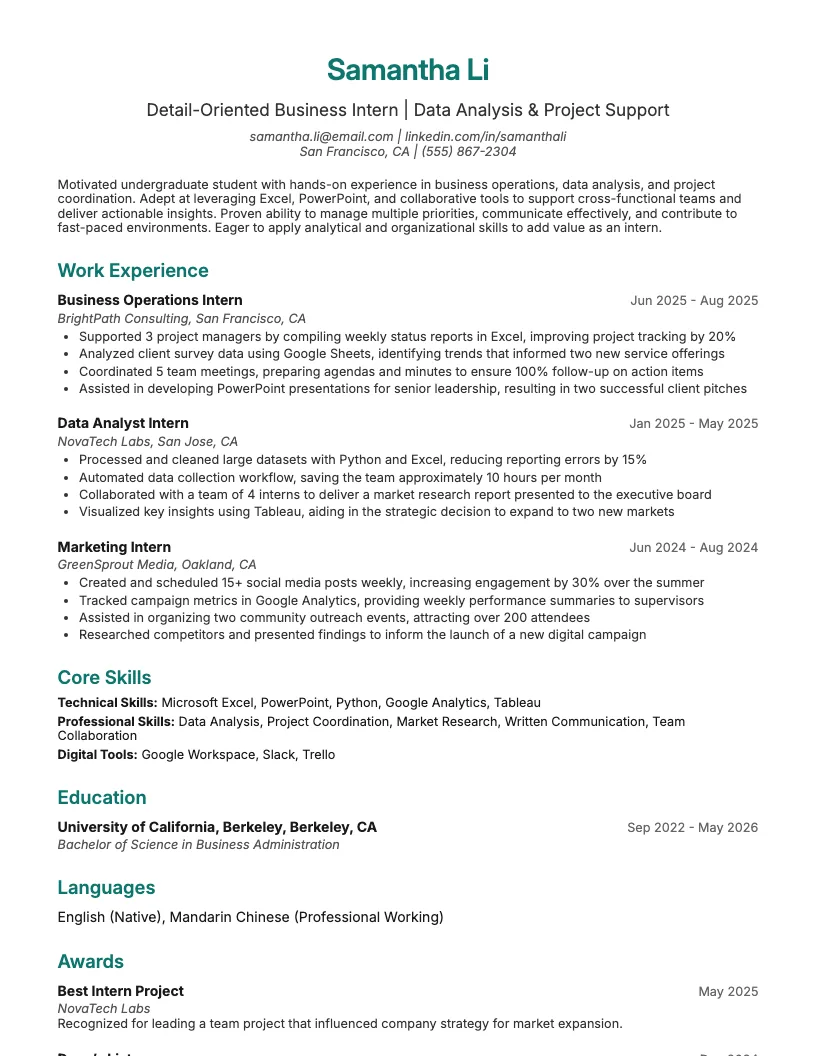
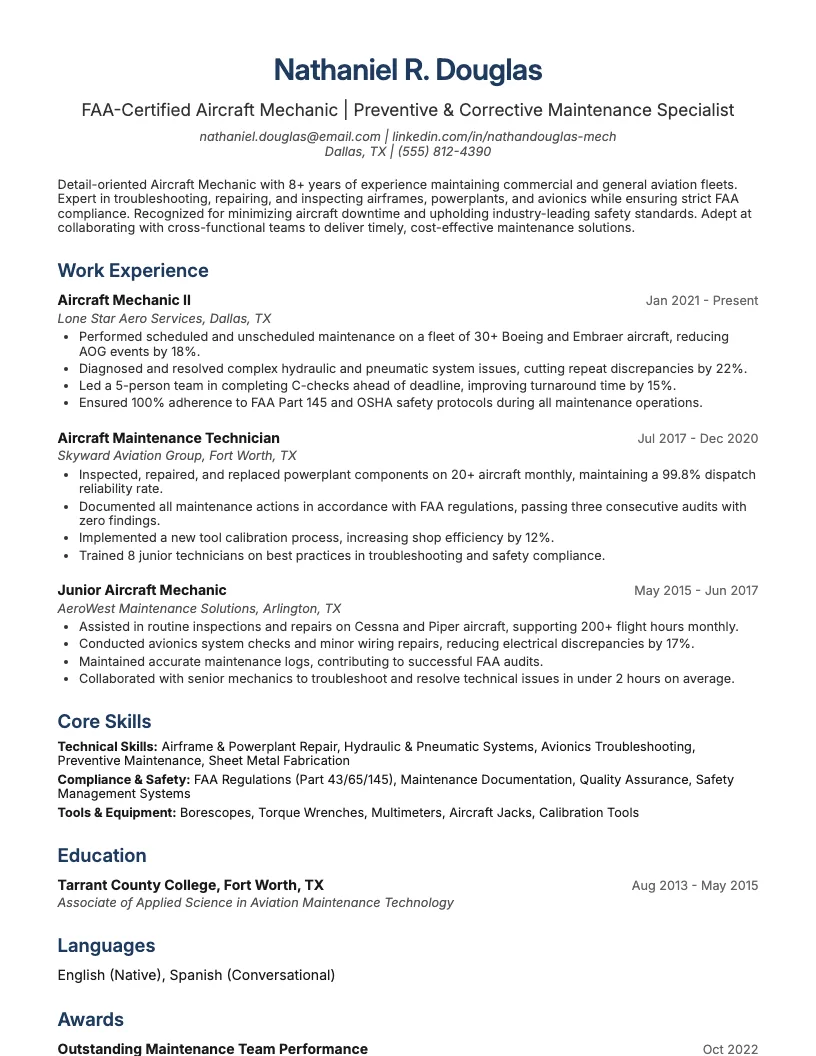 Click to enlarge
Common questions about Able Seaman resumes
A Able Seaman resume template is a pre-designed layout tailored for maritime professionals seeking seafaring roles. It highlights essential skills, certifications, and sea experience. ResumeJudge offers templates that meet industry standards.
Yes, most Able Seaman resume templates, especially from ResumeJudge, are ATS-friendly. They use clean formatting and keywords, making your resume easy to scan for shipping companies and maritime recruiters.
Use an Able Seaman resume template when applying for positions in shipping, cruise lines, or offshore oil rigs. ResumeJudge templates help you showcase relevant experience and certifications for these maritime sectors.
Absolutely! Able Seaman resume templates from ResumeJudge are fully customizable. You can add your specific sea service, safety training, and tailor sections to fit different maritime employers.
Able Seaman resume templates focus on maritime skills, certifications like STCW, and sea service details. ResumeJudge ensures these templates meet industry needs, unlike generic ones that might miss key seafaring requirements.
An Able Seaman resume should be one page, highlighting your sea time, certifications, and relevant skills. ResumeJudge templates keep your information concise, making it easier for employers to review quickly.
Include contact info, summary, sea service, certifications, skills, and references. ResumeJudge templates organize these sections clearly, helping you present all vital details for maritime positions.
Yes, ResumeJudge’s Able Seaman templates are ideal for offshore, cargo, and cruise ship roles. They highlight transferable skills and experience needed across various maritime industries.
List certifications like STCW, lifeboatman, and first aid in a dedicated section. ResumeJudge templates have spots for these, ensuring hiring managers see your qualifications quickly.
Using a professional template from ResumeJudge boosts your chances by ensuring your resume is clear, ATS-friendly, and tailored to maritime jobs. It helps you stand out in a competitive field.
Explore more professional resume examples to inspire your job search
Use our AI-powered resume builder to create a professional, ATS-friendly resume in minutes.
Free to use • No credit card required