Firefighter Resume Example
See full guide on Firefighter resumes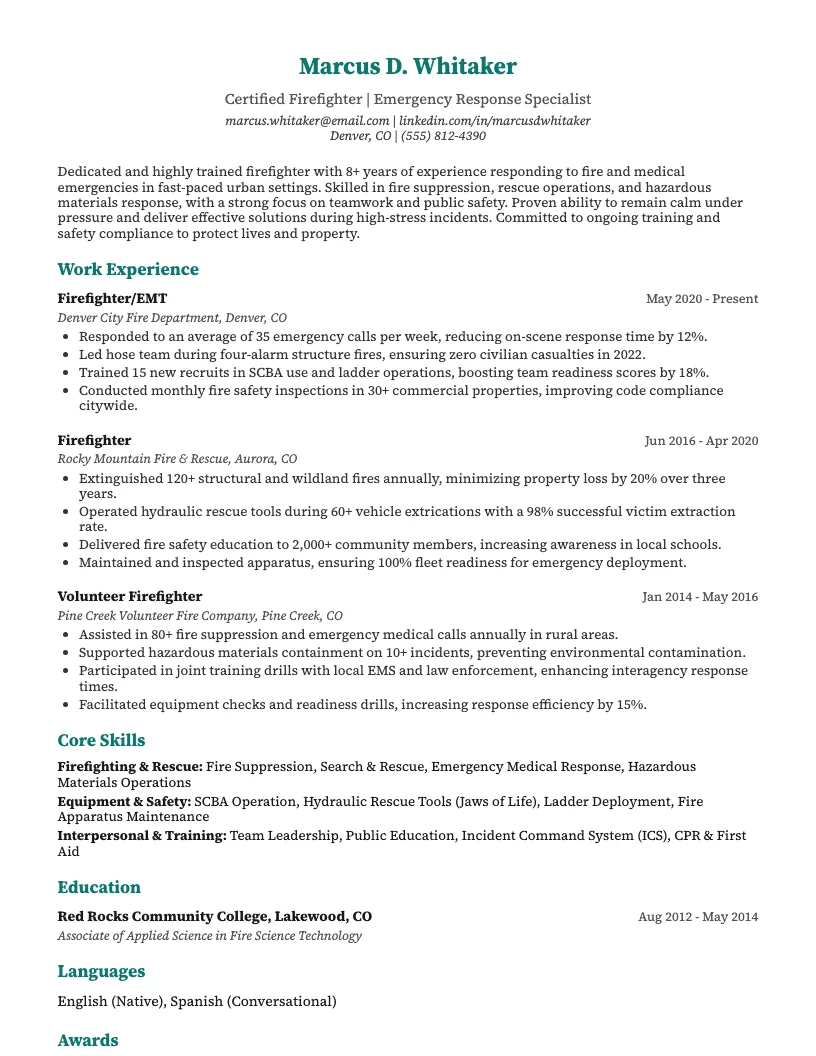 Click to enlarge
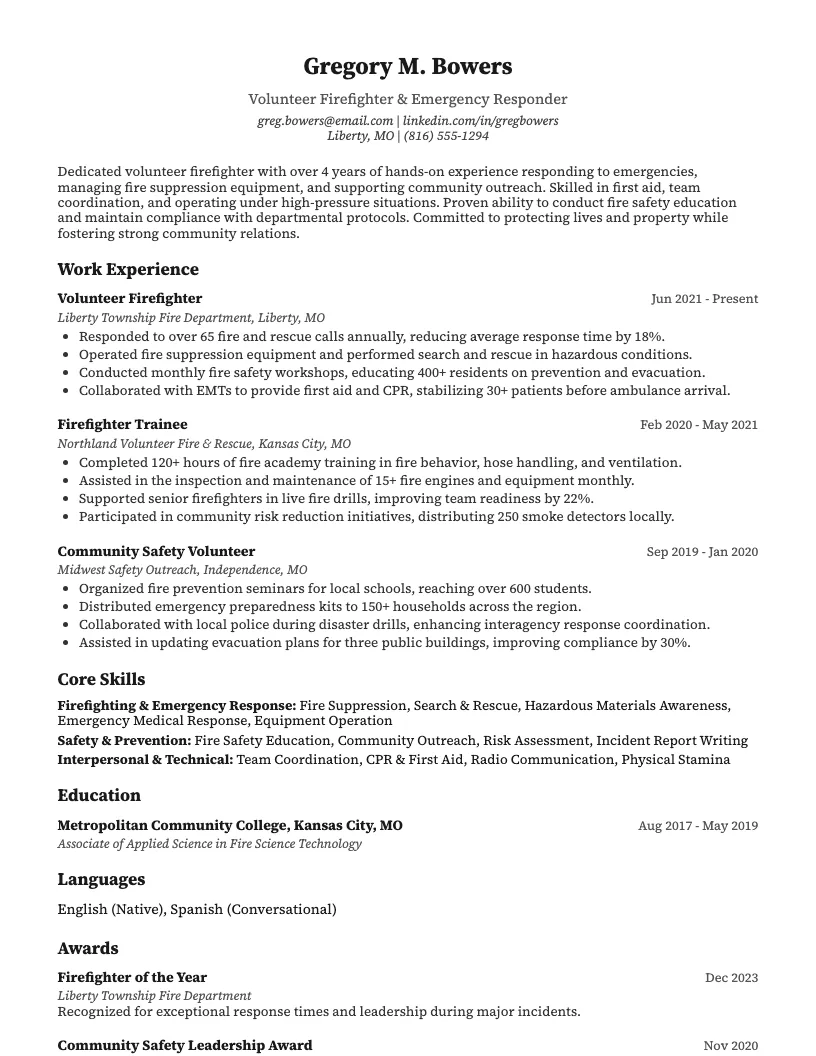 Click to preview

Get inspired by 52+ professional Volunteer Firefighter resume examples, each written by career experts and optimized to pass ATS scans. Pick a proven template, tailor it to your role, and download a polished resume in minutes.
Pick the specialization closest to your target role and start from a proven resume example.

Formatting your resume the right way makes a big difference. The right layout helps your skills and experience stand out from the start.
You’ve got a few options: reverse chronological, functional, or combination. Each has pros and cons, so your choice depends on your background and goals.
Next, I’ll walk you through simple tips, must-have sections, and what recruiters actually want to see.
First impressions count, so your resume format needs to look sharp and professional. Stick to simple fonts like Arial or Calibri, size 10-12 pt.
I always recommend using at least 1-inch margins. This keeps your resume clean and easy to read-no recruiter likes a cluttered page.
Save your resume as a PDF to keep your layout consistent. Double-check your grammar and spelling-small mistakes stand out more than you think.
Keep everything to one page if you can. Highlight your most relevant skills and experience right up front. This helps you get noticed, even with limited space.
You want to cover the basics first: Contact Information, a quick Professional Summary, and your Experience. Don’t skip these-every recruiter expects them.
I always include a section for Certifications, since things like EMT or Firefighter I/II matter a lot, and I make sure my application includes a cover letter to further highlight my qualifications. List dates, issuing bodies, and keep it updated.
Another key part? Skills related to firefighting, rescue, and community safety. Think crisis management, teamwork, and emergency medical skills. Highlight any specialized training you’ve got, too.
Recruiters focus on hands-on experience in emergencies. I always highlight my actual response hours, any fire calls I join, and my time spent on drills or training.
They want to see certifications like Firefighter I/II, EMT, or HazMat. Listing these right at the top of your resume helps you stand out fast.
You should also show off your physical fitness and ability to work as a team. This proves you can handle the real demands of firefighting.
Recruiters appreciate volunteer work, public education efforts, and community involvement. If you help with fire prevention campaigns, mention this-numbers and specific events help.
Your summary or objective sits right at the top of your resume. It quickly tells hiring managers who you are and what you bring to the team.
Choosing between a summary or objective depends on your experience. If you have less than three years in firefighting, stick to an objective. More experience? Go for a summary.
Both should be short and packed with your most relevant skills, achievements, and certifications. This is your shot to show exactly why you fit the role.
Describing your volunteer firefighter experience means showing your real skills and impact. Employers want to see more than just basic tasks or generic lists.
Break down what you actually do-responding to calls, running drills, or leading training. Numbers matter here. How many incidents do you handle? What kind of emergencies?
Highlight leadership, teamwork, and any specialized roles you take on. These details help your resume stand out and prove your value right away.
Quantifying what you do as a volunteer firefighter makes your resume way more compelling. Numbers catch attention and show exactly how you make a difference.
Think about how many emergency calls you respond to, how much equipment you maintain, or the number of training sessions you lead. Use real stats wherever you can.
I always try to include clear numbers-like “responded to 35 calls per year” or “inspected 50+ homes for fire safety.” This helps hiring managers see your real-world results.
If you’re starting out with zero hands-on firefighting experience, don’t stress-I get it. You still have plenty to show off on your resume.
Focus on your education and any certifications. Stuff like CPR, first aid, or FEMA courses look great. Even a fire science class makes you stand out.
Highlight transferable skills. I mention teamwork, quick decision making, or physical fitness if I’ve got it. You can pull these from sports, military, or even retail jobs.
Showcase any relevant community roles-think safety patrol, lifeguard, or event volunteer. This proves you’re serious about helping people and staying calm in tough situations.
I always make sure to put my volunteer firefighter work front and center on my resume. It’s a huge part of the industry-about 65% of firefighters in the U.S. are volunteers.
You want to mention how your volunteer work connects to real emergencies or community needs. If you led a team, responded to incidents, or organized training, that’s gold-show it off.
List concrete things you did. For example, “Supported 50+ emergency calls in 2023” or “Helped organize fire safety workshops for local schools.” Numbers make your experience feel legit.
If you run out of space, tuck volunteer roles into your main experience section and use a cover letter to expand on your most impactful stories. That still counts! Make each role pop by showing measurable impact and specific actions.
That’s really the key-own your contributions, keep it factual, and let your service speak for itself. This wraps up how I’d talk about my volunteer firefighter experience on a resume.
You want your skills section to stand out. Start by matching your skills to what the job description asks for-this increases your chances with both recruiters and ATS.
Focus on both hard and soft skills. List things you’ve learned through training, and highlight personal qualities that help you work well with a team.
Hard skills show recruiters you know your stuff. I always focus on practical certifications, technical know-how, and hands-on abilities specific to firefighting.
You want to highlight things like EMS certification, fire suppression techniques, and HAZMAT handling—skills you can also emphasize in a cover letter. These prove you have the training to handle emergencies and save lives.
Include numbers if you can-like, “responded to 20+ fire calls” or “completed 120 hours of firefighter training.” This helps your resume stand out and looks more credible.
Keep these skills in a dedicated section. It makes it easy for recruiters and ATS systems to spot them right away.
Every volunteer firefighter needs solid soft skills. I always highlight teamwork, communication, and emotional resilience. These matter just as much as technical know-how in emergencies.
You want to show adaptability-situations change fast, so staying calm is key. Problem-solving also stands out. I mention how I handle pressure and make decisions quickly.
Don’t forget to list skills like reliability and integrity. Recruiters look for people they can trust. Wrapping up the skills section with these makes your resume way stronger.
When you apply for a volunteer firefighter role, your education and certifications can help you stand out. Most departments want at least a high school diploma or GED.
If you’ve taken fire science or emergency medical courses, list them. These show you understand fire behavior, safety, and rescue basics.
Certifications like CPR or EMT prove you take training seriously. I always recommend including these to boost your credibility and show your readiness.
I always see fire departments list NFPA 1001 as a must-have. It covers the basics: firefighting tactics, safety, and rescue. Employers know this cert means you’re trained.
A lot of volunteer firefighters add an EMT certification. Around 85% of calls involve medical help, so this really boosts your value on the team. It’s not just about fires.
HazMat Operations and Technical Rescue certifications look great, too. These prove you can handle hazardous materials and complex rescues. List the issuing organization and year to keep it clear.
Different experience levels call for different resume strategies. Entry-level, mid-career, and senior volunteer firefighters each highlight unique skills and achievements.
I show you what to focus on for each stage. These examples help you match your resume to your experience, so you stand out to fire departments.
If you want to join a local fire department, your resume needs to stand out. I see people with all kinds of backgrounds succeed as volunteer firefighters.
Below, I break down real resume examples for different experience levels. Whether you’re just starting or have years on the job, you’ll find tips that actually work.
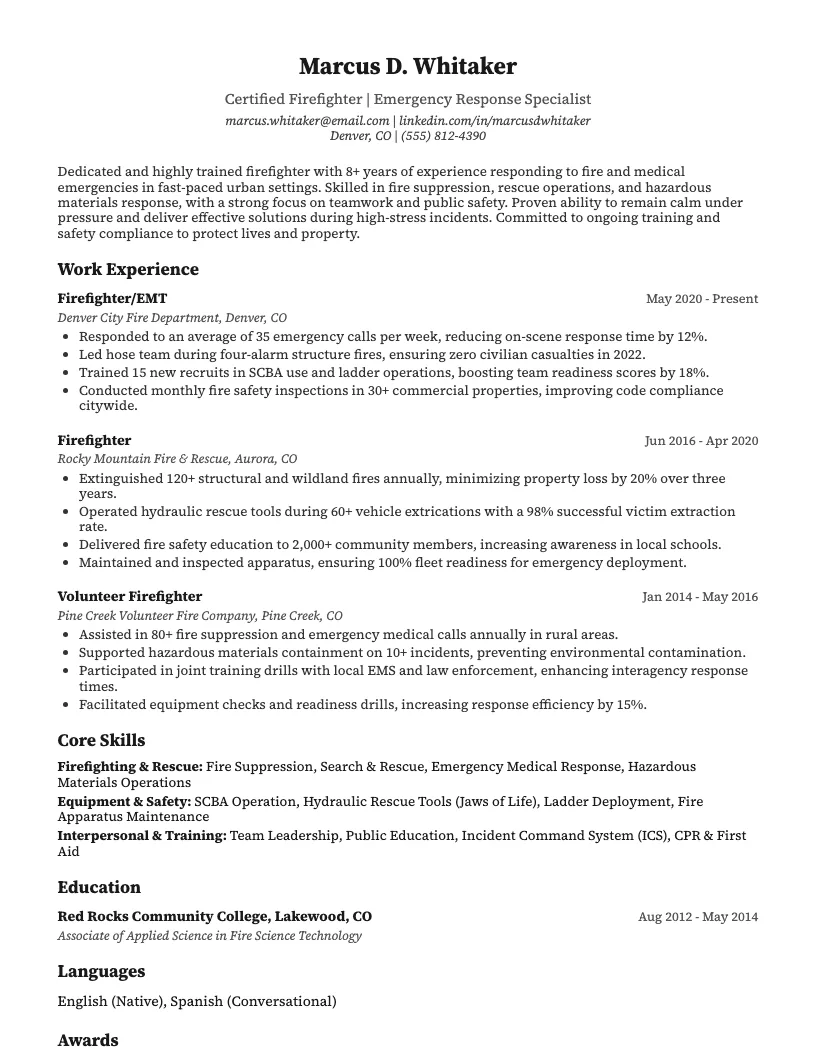
If you want a solid volunteer firefighter resume, you need to show real-world skills and stats. I always focus on teamwork, emergency response, and relevant certifications.
There are about 676,900 volunteer firefighters in the U.S., so you want your resume to stand out. Highlight hands-on training, incident response, and any medical certifications you hold.
Recruiters look for action-oriented language, like "responded to 30+ emergencies" or "maintained equipment for 100% readiness." This helps you prove your impact, not just list duties.
Starting out as a volunteer firefighter? You don’t need tons of experience. Show teamwork, reliability, and a willingness to learn. These matter more than advanced skills at this stage.
Highlight any basic certifications, like CPR or First Aid. Even volunteer hours in unrelated fields count. This shows you’re reliable and can stick to commitments.
Use real numbers. For example, “Completed 20 hours of fire academy training” or “Assisted with 5 community fire safety events.” This makes your resume look concrete and credible.
If you’re a senior volunteer firefighter, your resume should focus on leadership. Highlight training, incident command experience, and mentoring new recruits. Mention specific call volumes and certifications.
I always list numbers-like over 200 emergency responses or 10+ years of service. This proves consistency and commitment. Don’t forget awards, advanced certifications, or times you led large-scale operations.
You want to show how you improve team performance and handle high-pressure situations. This helps departments see your value and readiness for bigger responsibilities. That wraps up the sample resumes section!
If you want your volunteer firefighter resume to get noticed, you need to show off your impact, skills, and training clearly.
Highlight your achievements, certifications, and the real difference you make. I see hiring managers respond best to concise, well-organized resumes.
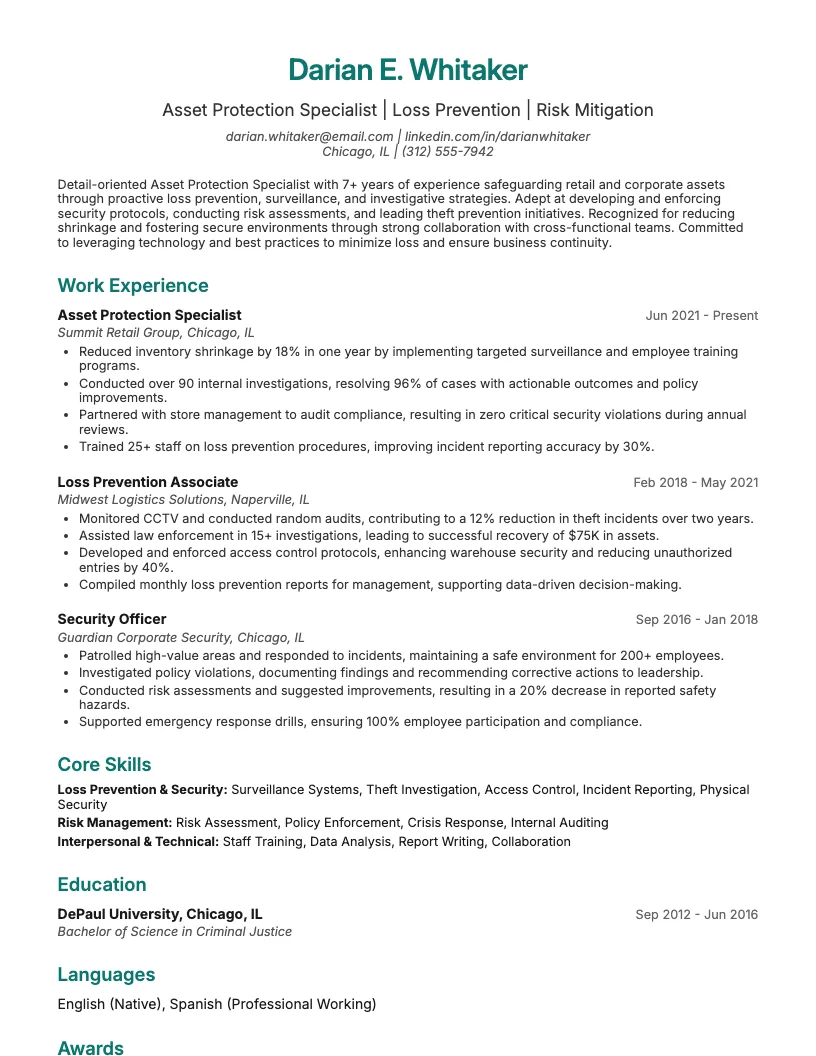
If you’re looking at a volunteer firefighter resume, you might want to see what other emergency service roles look like. I find it helpful to compare similar paths.
You can check out resumes for EMTs, police officers, or other first responders. These examples show different skills and certifications you might need in the field.
Browse Volunteer Firefighter resume examples for related roles. Preview any example, open it in the builder, or read its full guide.
Click to enlarge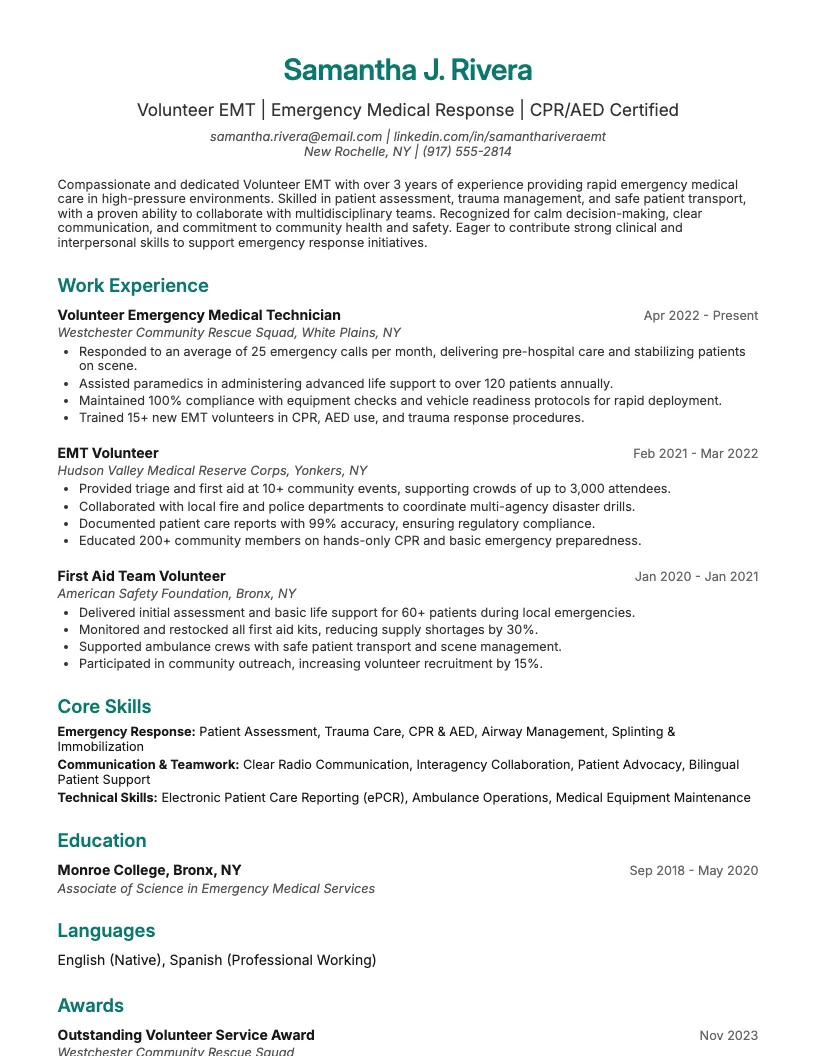 Click to enlarge
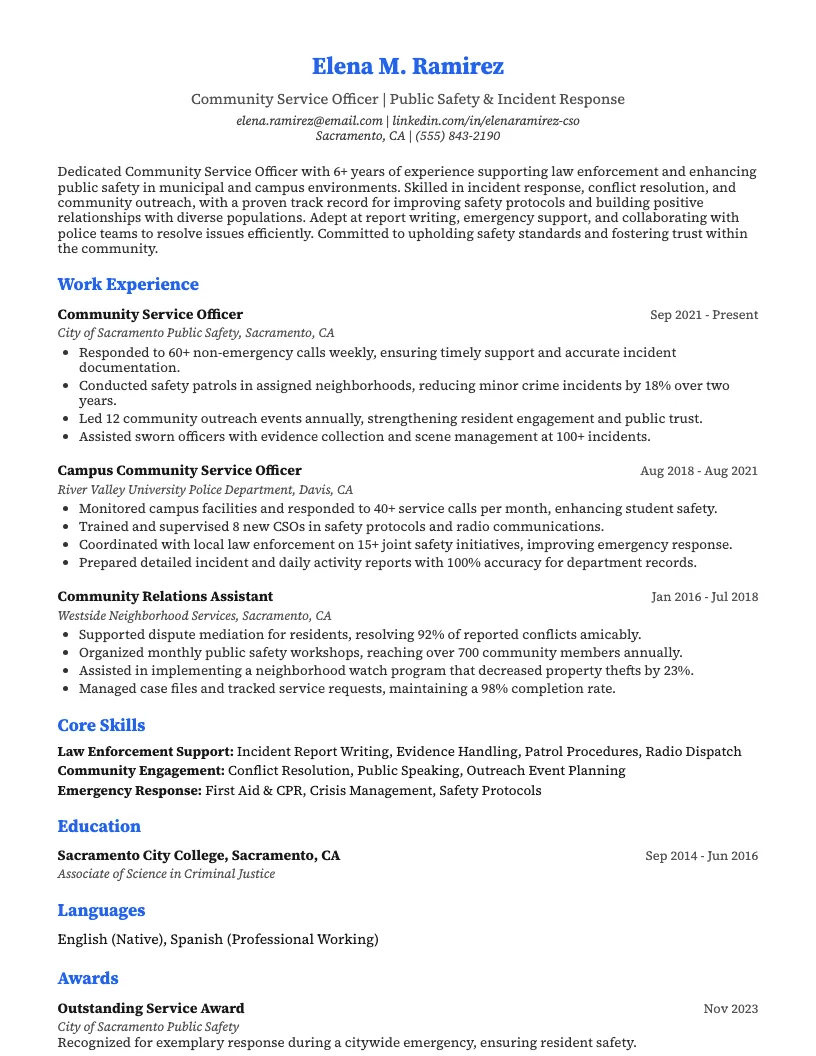 Click to enlarge Click to enlarge
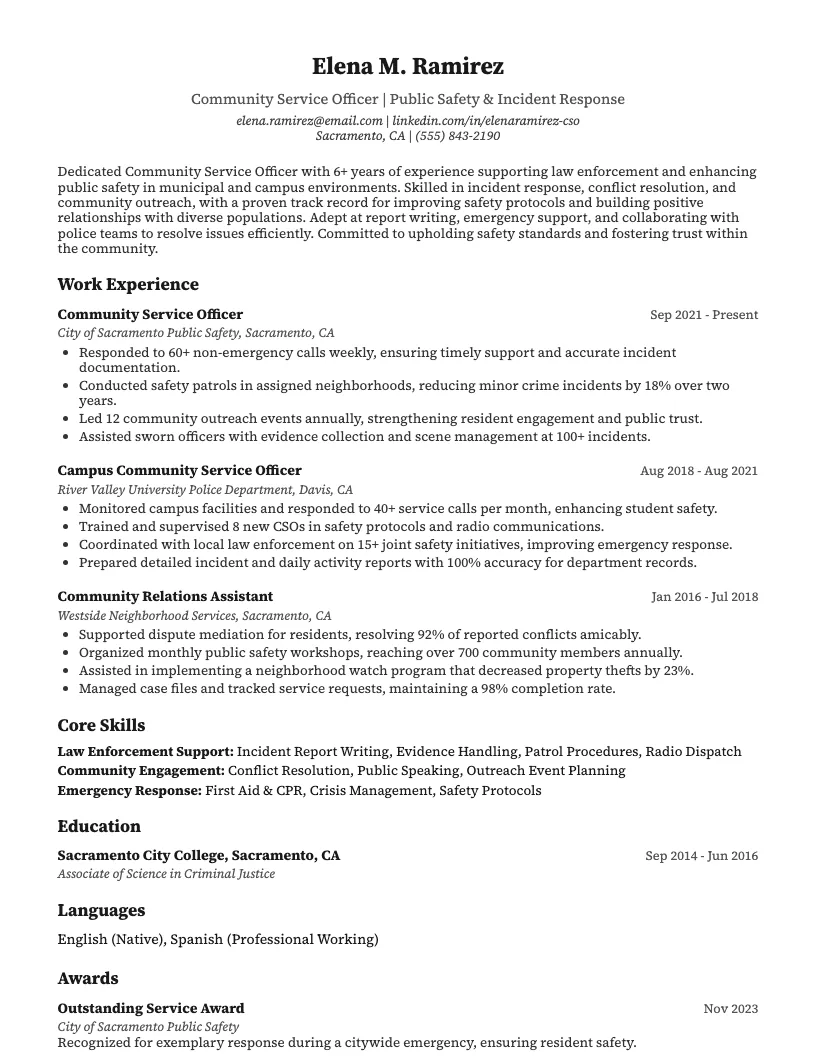 Click to enlarge Click to enlarge Click to enlarge
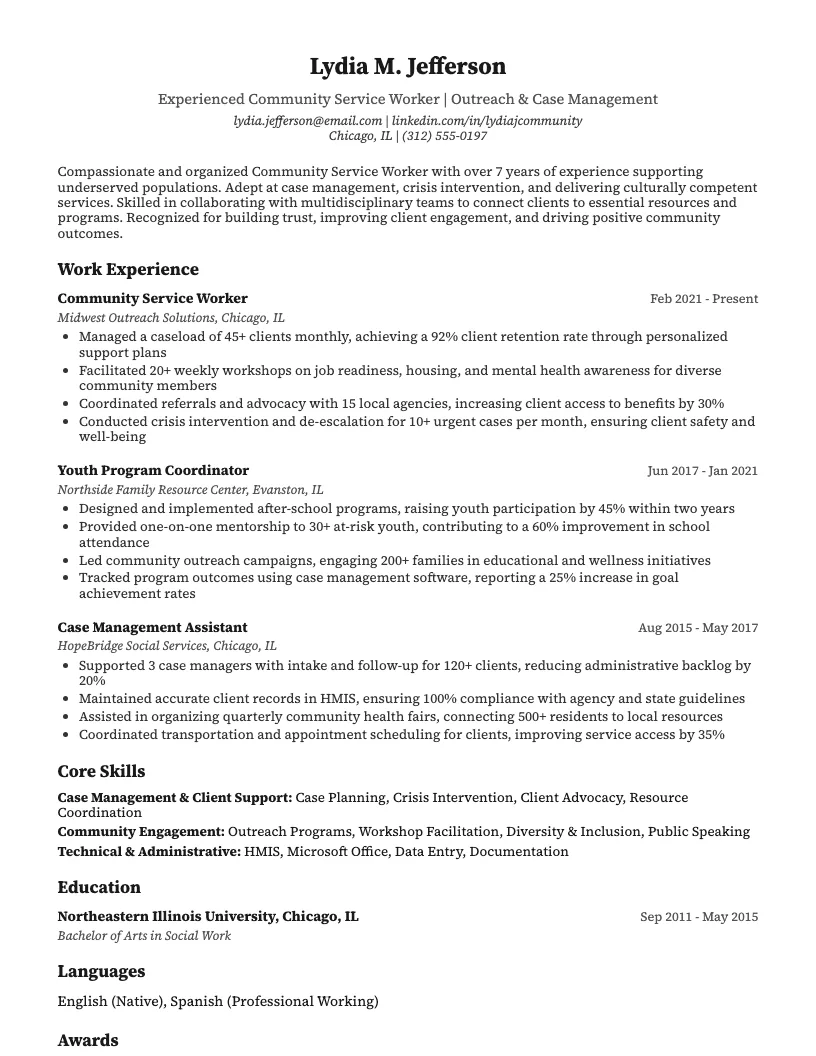 Click to enlarge
 Click to enlarge
 Click to enlarge
Common questions about Volunteer Firefighter resumes
A volunteer firefighter resume template is a pre-formatted document designed to highlight firefighting skills, training, and community service. ResumeJudge makes it easy to showcase your unique volunteer experience.
Yes, most volunteer firefighter resume templates are ATS-friendly, meaning they use clean formatting and keywords that pass automated HR systems. ResumeJudge ensures your resume meets ATS standards for better job matching.
Use this template when applying for volunteer or part-time firefighting roles, emergency responder positions, or community safety jobs. ResumeJudge helps tailor your resume for these specific opportunities.
Absolutely! You can add your certifications, specialized training, or local department experience. ResumeJudge lets you personalize each section to fit your unique background.
A volunteer firefighter resume template focuses on emergency response skills, teamwork, and certifications, unlike general resumes. ResumeJudge highlights your relevant experience for firefighting roles.
Keep your resume to one page if possible, especially for entry-level or volunteer roles. ResumeJudge's templates help you organize information concisely for quick review.
List skills like emergency response, teamwork, first aid, and equipment handling. ResumeJudge suggests the top skills employers look for in volunteer firefighter candidates.
Yes, you can adapt the template for entry-level paid firefighter or EMT positions by highlighting relevant training and experience. ResumeJudge makes this transition simple.
Yes, including other volunteer work shows community commitment and diverse skills. ResumeJudge helps you integrate all relevant volunteer experiences smoothly.
Definitely! They’re great if you’re moving from another field into emergency services. ResumeJudge helps translate your transferable skills for firefighting roles.
Explore more professional resume examples to inspire your job search
Use our AI-powered resume builder to create a professional, ATS-friendly resume in minutes.
Free to use • No credit card required